Oceania is a huge region made up of Australia, New Zealand, Melanesia, Micronesia, Polynesia, and thousands of Pacific islands. Its traditional food is closely connected to the ocean, tropical landscapes, Indigenous knowledge, and ingredients that are locally available.
From Māori hāngī and Samoan palusami to Fijian kokoda and Papua New Guinean mumu, the traditional foods of Oceania offer an amazing mix of flavors and cooking styles. In this guide, we’ll explore 20 traditional foods from Oceania, including dishes from Australia, New Zealand, Fiji, Samoa, Tonga, Vanuatu, Papua New Guinea, and other Pacific Island nations.
1. Bush Tucker
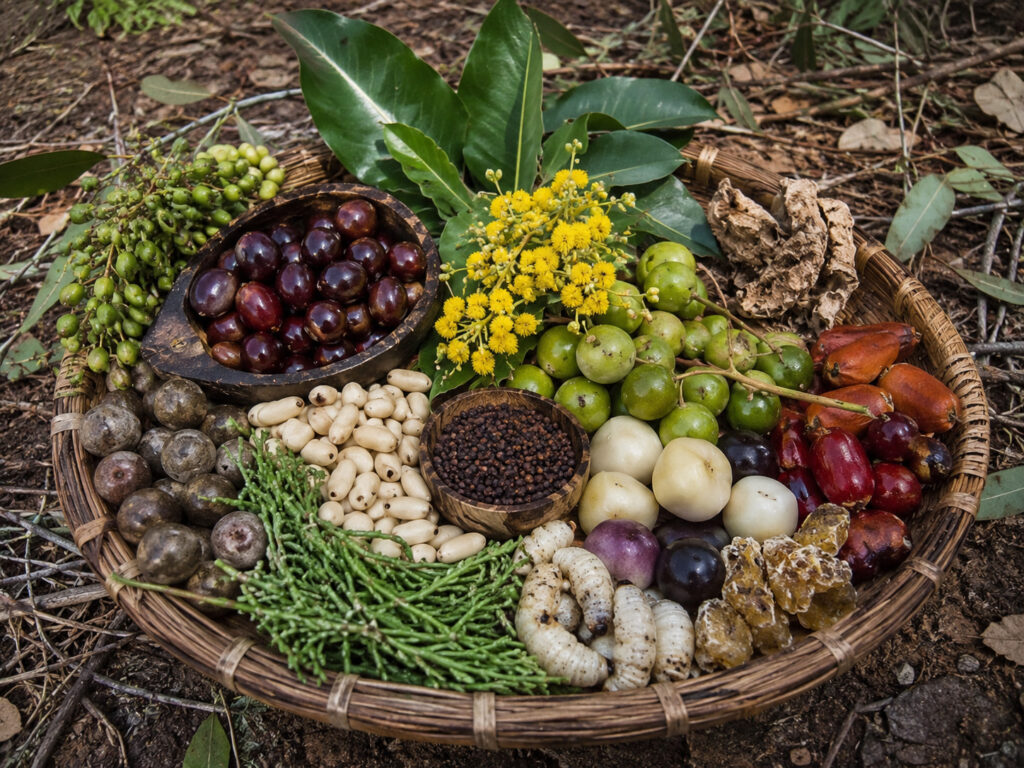
Bush tucker, also called bushfood, is a general term for the native plants, animals, seeds, fruits, seafood and other foods traditionally gathered, hunted and prepared by Aboriginal and Torres Strait Islander peoples of Australia. It is much more than just a collection of unusual ingredients. Bush tucker is closely connected to Country, seasons, nature, culture, hunting, gathering, food preparation and knowledge passed down through generations. Indigenous Australians have developed deep knowledge of these food systems over many thousands of years.
Today, many native Australian ingredients are also used in restaurants, packaged foods and modern Australian cuisine. However, it is important to remember that traditional Indigenous foodways are much broader than the modern commercial use of native ingredients.
2. Damper
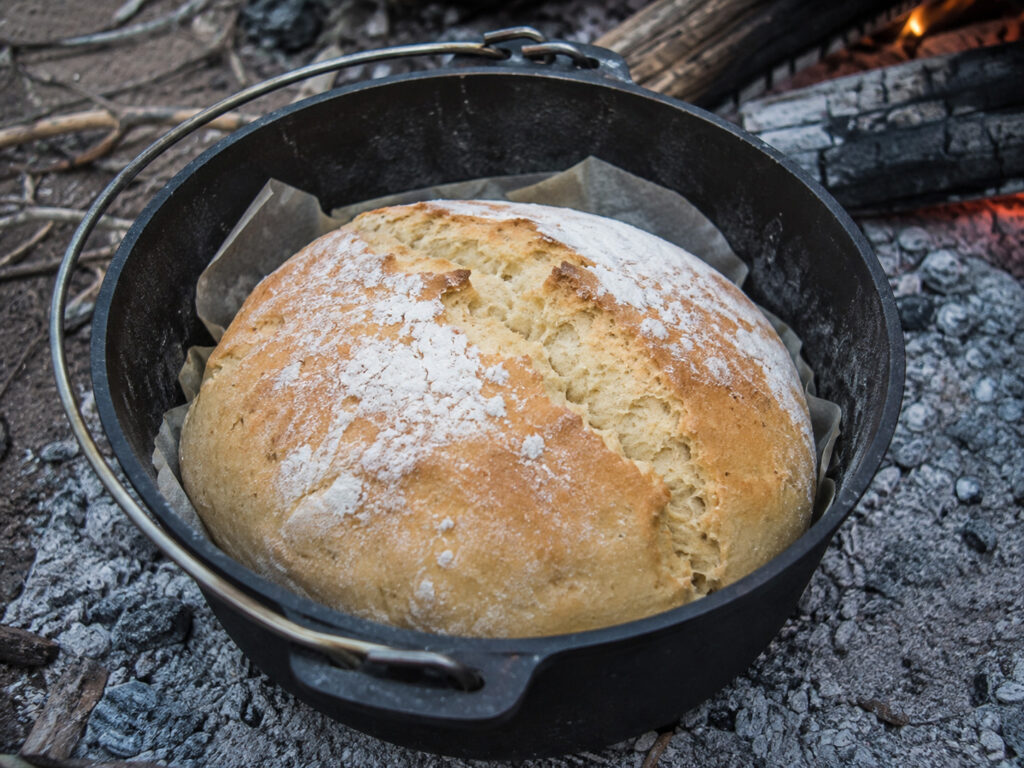
Damper is a simple Australian bread traditionally cooked in the coals or ashes of a campfire. It is closely linked with the Australian bush and is now seen as a classic Australian food.
However, there is an important difference to remember: the damper commonly made today with wheat flour is mainly a later Australian version of bush bread, while Aboriginal peoples had much older traditions of making breads and cakes using native seeds and grains.
3. Australian meat pie
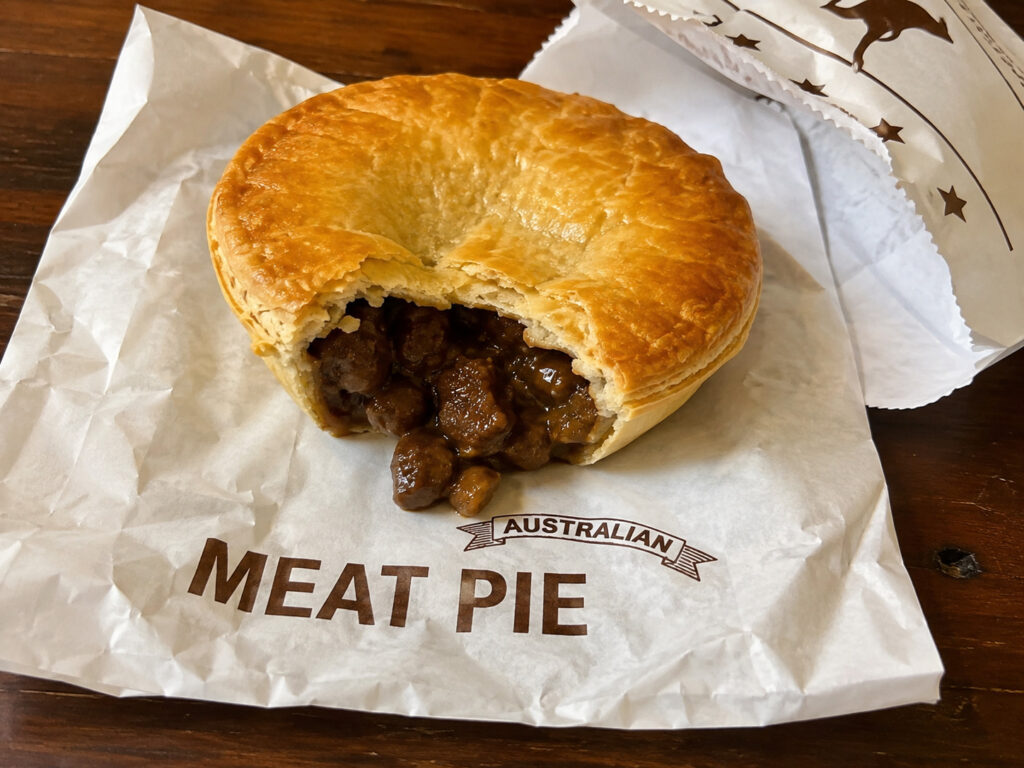
Australian meat pie is one of Australia’s most famous comfort foods. It is a small, usually individual-sized pie filled with minced or diced meat and rich gravy, covered in pastry and often eaten with tomato sauce. It is closely connected with Australian bakeries, sporting events, road trips, service stations and everyday takeaway food.
A Brief History
The meat pie was not originally invented in Australia. Pie-making came to Australia with the First Fleet in 1788, bringing British food traditions with it. Pies were even served at a celebration hosted by Governor Arthur Phillip on 4 June 1788. Over time, pies became popular because they were easy to carry, filling and relatively cheap. By the 19th century, pie sellers were selling them in towns and cities across Australia.
One famous example was the “Flying Pieman,” a Sydney pie seller known for selling pies around the city’s wharves. Commercial pie-making later grew into a major industry, with businesses such as George Sargent’s operation in Sydney becoming some of the early large-scale pie producers. So, the Australian meat pie did not begin as an Indigenous Australian food; instead, it grew from European pie traditions and gradually became a much-loved part of Australian culture.
4. Lamington
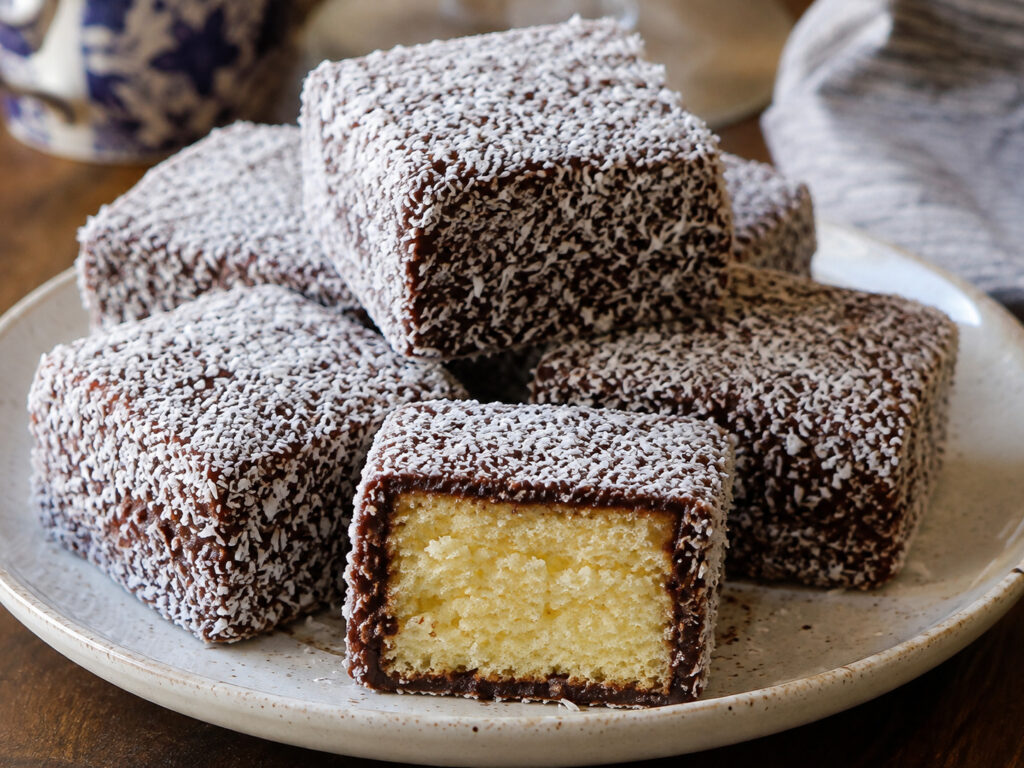
Lamington is a classic Australian cake made from squares of soft sponge cake covered in chocolate icing and rolled in desiccated coconut. Some versions are cut in half and filled with cream or jam, while modern bakeries offer many different variations. It is one of Australia’s best-known sweet treats and is commonly enjoyed with tea or coffee at bakeries, cafés, school events and community gatherings.
The History of the Lamington
The exact origin of the lamington is disputed. The cake is traditionally linked to Queensland and is named after Lord Lamington, who served as Governor of Queensland from 1896 to 1901. One popular story says the cake was created at Government House in Brisbane when unexpected guests arrived and a cook needed to make something quickly.
According to the story, leftover sponge cake was dipped in chocolate and covered with coconut. However, historians have questioned some parts of this story, and there are different claims about who actually created the dessert. The earliest known printed recipes for cakes resembling the lamington appeared in Australian newspapers around the beginning of the 20th century.
5. Pavlova
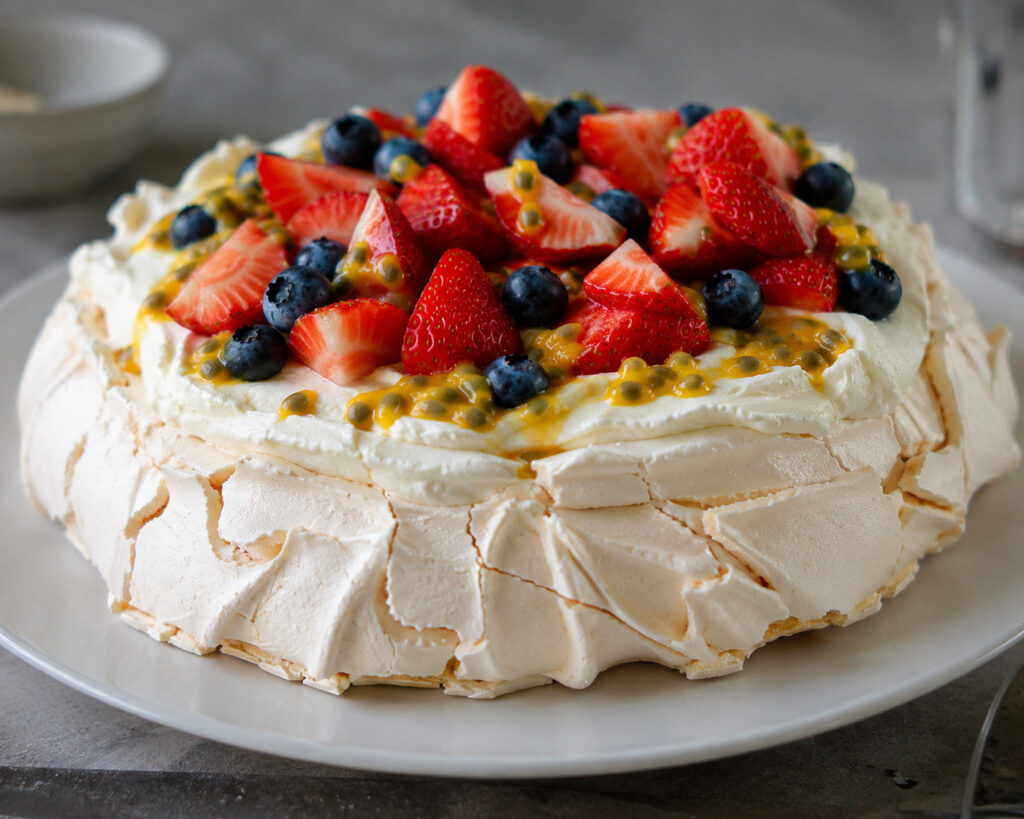
Pavlova is a famous meringue-based dessert closely associated with both Australia and New Zealand. It has a crisp, delicate outside and a soft, marshmallow-like centre, usually topped with whipped cream and fresh fruit such as strawberries, passionfruit and kiwifruit.
Unlike many Australian foods, Pavlova has a particularly interesting history because Australia and New Zealand have debated for decades over who invented it. The modern dessert appears to have developed from older European meringue desserts, while its name and recognizable form emerged in Australasia during the 1920s and 1930s.
Why Is It Called Pavlova?
The dessert was named after Anna Pavlova (1881–1931), the famous Russian ballerina. Pavlova toured Australia and New Zealand in 1926, attracting huge crowds and becoming a major cultural event. The dessert’s name was inspired by one of the most famous performers of the time. There is also a popular story that its light and delicate appearance was meant to resemble Pavlova’s dancing style, although this is difficult to confirm as historical fact.
6. Hāngī
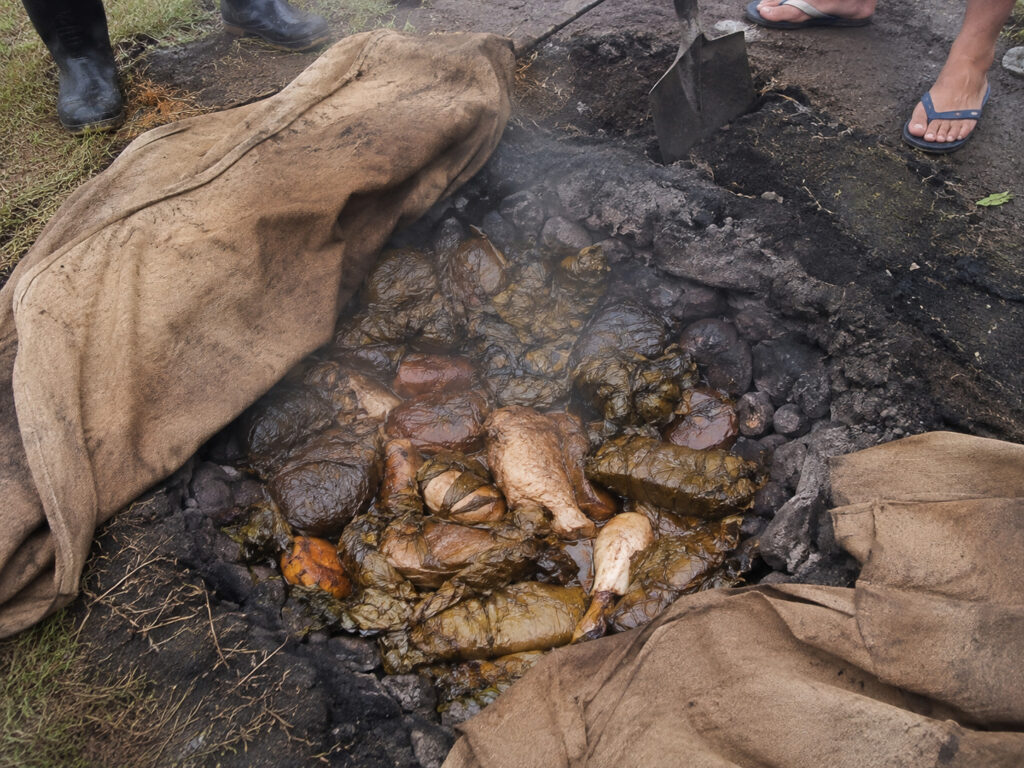
Hāngī is a traditional Māori way of cooking food in an underground earth oven. Instead of cooking directly over a fire, food is placed in a pit over heated stones, covered with damp cloths, leaves or other materials, and then buried under earth. The heat and steam slowly cook the food for several hours, giving it a distinctive smoky and earthy flavour.
Hāngī is more than just a cooking method. It is an important part of Māori kai (food), hospitality, gatherings and cultural traditions in Aotearoa New Zealand. It is especially common at large gatherings, celebrations and special occasions.
7. Kūmara
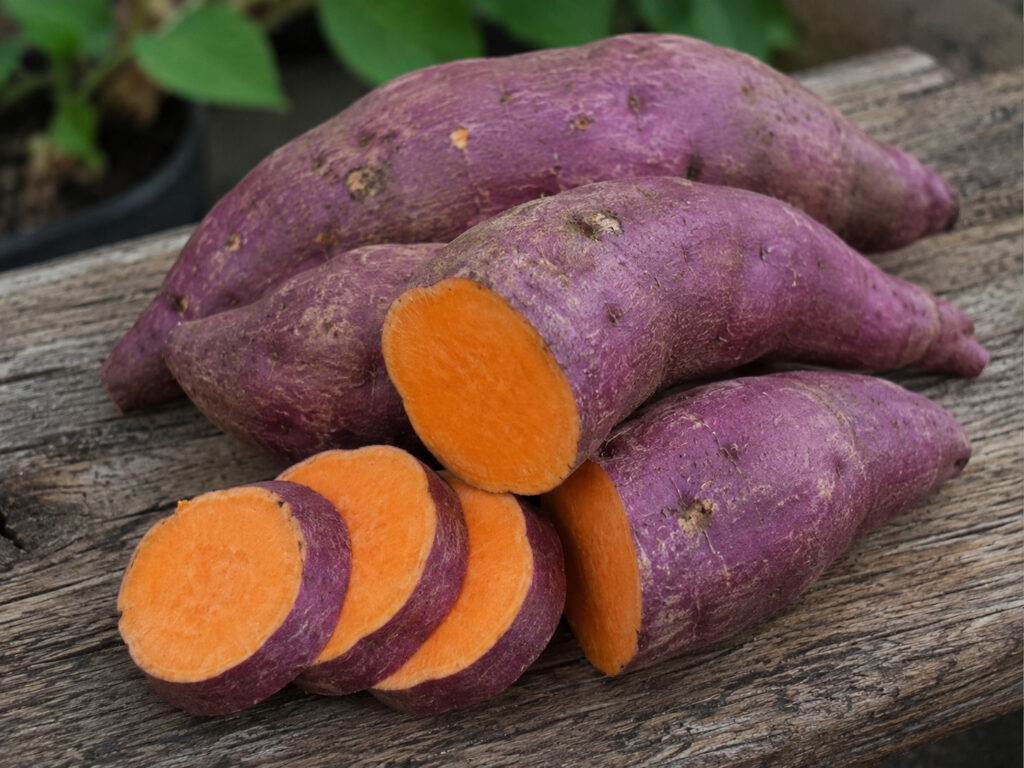
Kūmara is the Māori name for sweet potato and is one of the most important traditional crops in Māori food culture. It was brought to Aotearoa New Zealand by the Polynesian ancestors of the Māori and became an important staple. Growing it was not always easy because New Zealand has a cooler climate than tropical Polynesia, but Māori developed effective ways to grow and store it.
Today, kūmara is still popular throughout New Zealand. It can be roasted, boiled, baked, mashed or fried, and it is also commonly cooked as part of a hāngī.
Kūmara and Māori History
Kūmara has an important place in Māori history because it was one of the major food crops brought from Polynesia. Māori ancestors travelled across the Pacific and settled in Aotearoa, bringing plants and food-growing knowledge with them. Kūmara was one of the crops that successfully became established in New Zealand.
However, growing it was challenging because Aotearoa’s climate is much cooler than tropical Polynesia. Māori developed clever growing and storage techniques to help the crop survive and thrive in these conditions.
8. Whitebait Fritters
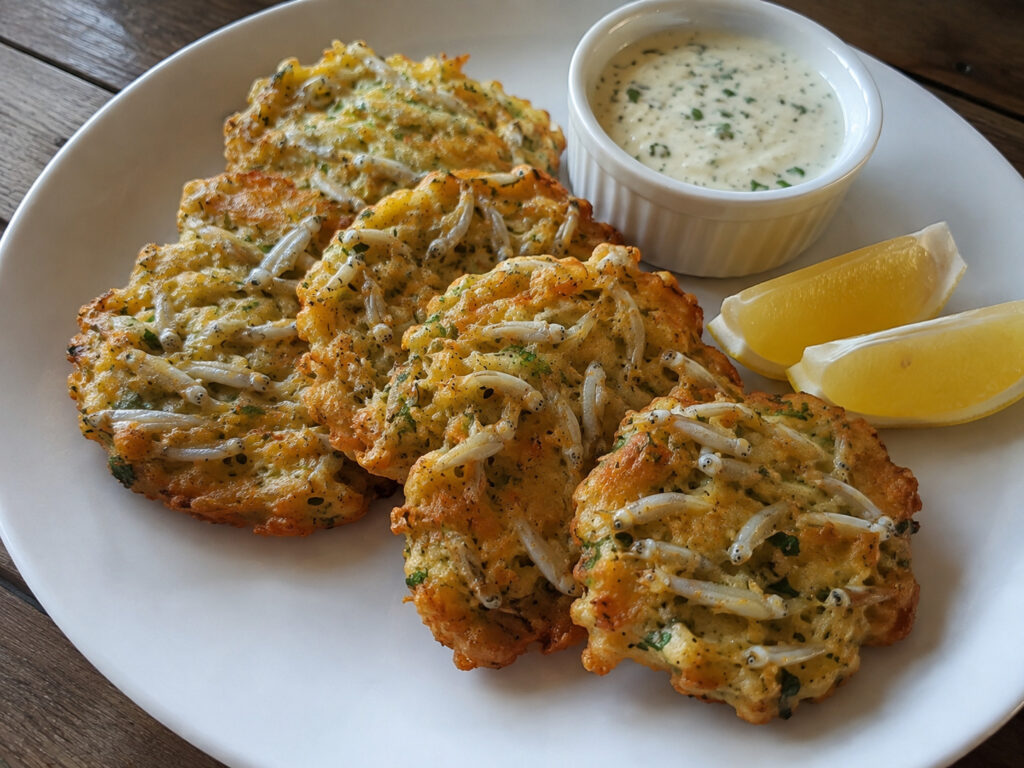
Whitebait fritters are a classic New Zealand dish made by mixing tiny young fish called whitebait with beaten eggs and cooking the mixture as a thin fritter in a pan. They are especially popular on New Zealand’s South Island, particularly the West Coast, and have a long connection with Māori food traditions and local whitebaiting culture.
Whitebait is not a single species. In New Zealand, the term refers to the young fish of five native galaxiid species, along with the common smelt. The fritter itself is simple, but whitebait is highly prized and seasonal, making whitebait fritters a unique and well-known part of New Zealand food culture.
9. Kokoda
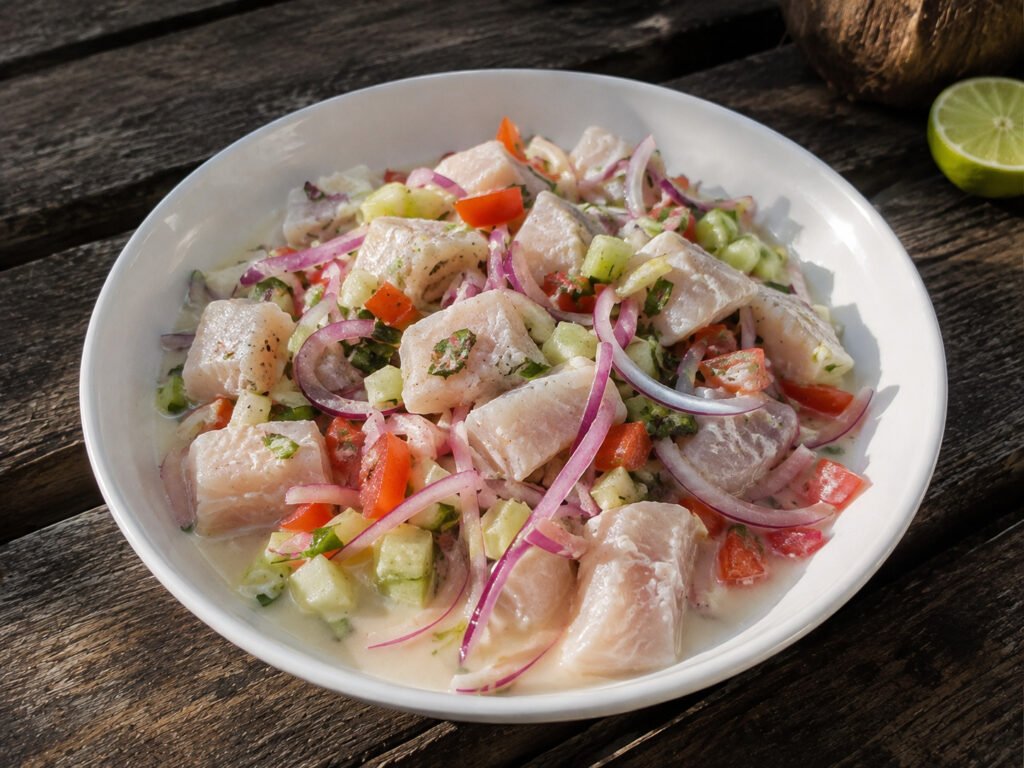
Kokoda is a traditional Fijian seafood dish made with fresh fish marinated in lime or lemon juice and mixed with coconut cream, onions, tomatoes, chilli and other fresh ingredients.
It is often compared to ceviche because the citrus juice changes the texture of the raw fish, but kokoda has its own distinct Fijian and Pacific Island character. It is one of Fiji’s best-known traditional foods and is especially popular in coastal communities, restaurants and at celebrations.
10. Lovo
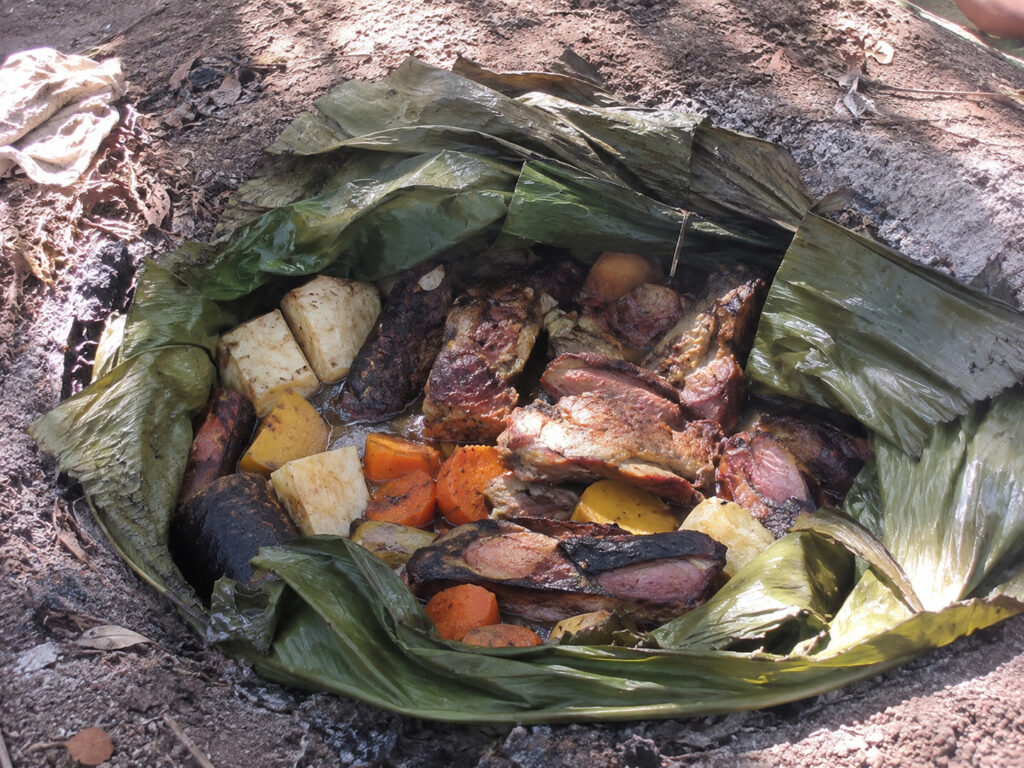
Lovo is a traditional Fijian cooking method where meat, fish, root vegetables and other foods are slowly cooked in an underground earth oven. The food is placed on hot stones, covered with leaves or other natural materials, and then buried under earth. It cooks slowly for several hours, giving the food a smoky, earthy flavour.
Lovo is more than just a way to cook food. It is an important part of Fijian culture, family gatherings, celebrations and community events. It is often prepared for weddings, festivals, holidays and other special occasions, where people come together to share a large meal.
11. Rourou
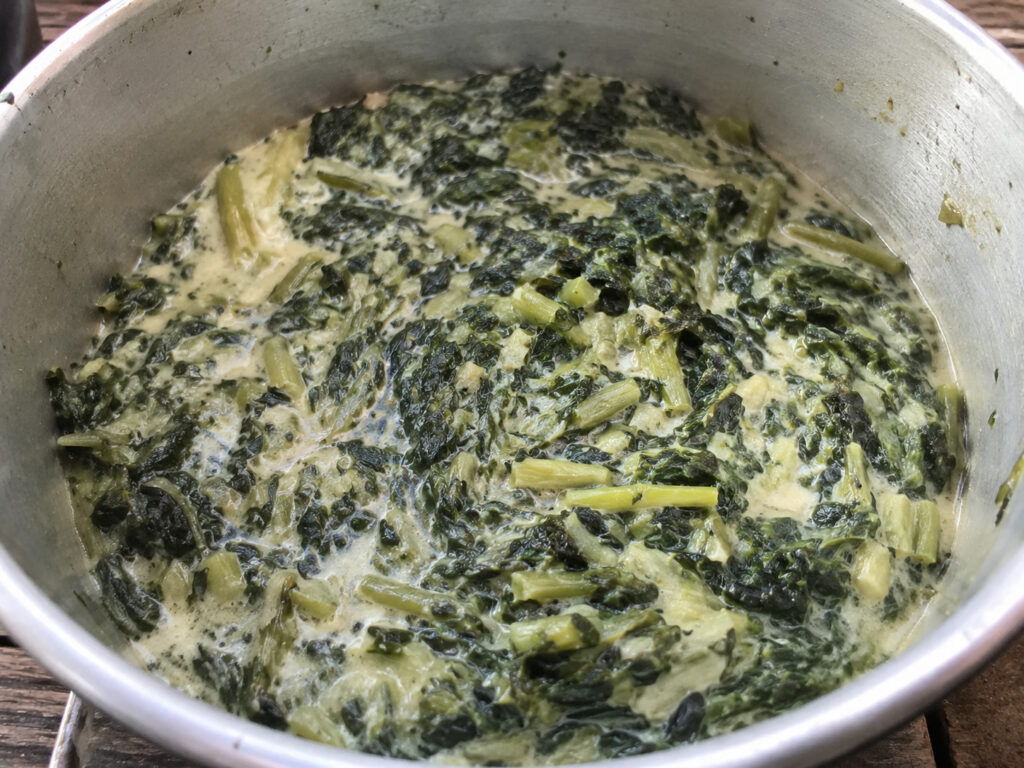
Rourou is a traditional Fijian dish made mainly from taro leaves cooked with coconut milk or coconut cream. It is a simple, creamy and comforting dish that shows the importance of taro and coconut in Fijian food culture.
The leaves are cooked until tender, while the coconut gives the dish a rich and slightly sweet flavour. Rourou is often served as a side dish with other Fijian foods, and some recipes may include extra ingredients for added flavour.
12. Palusami
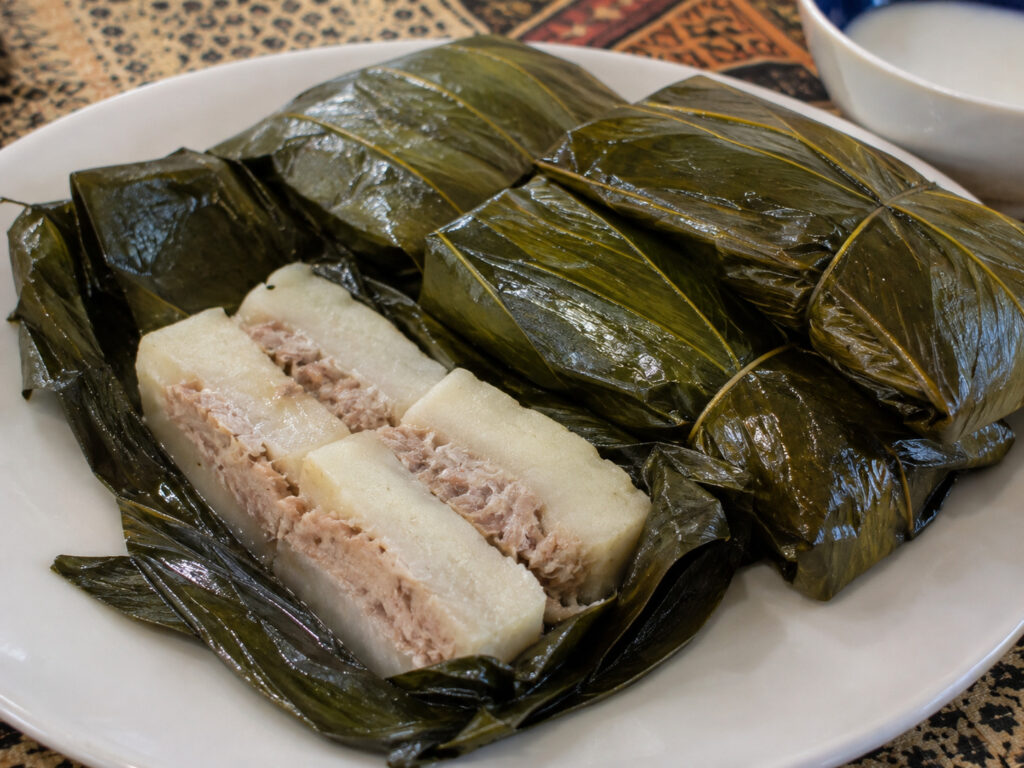
Palusami is a traditional Samoan dish made with taro leaves and rich coconut cream. The leaves are filled with coconut cream, wrapped into small parcels and then baked or cooked until tender. It is one of Samoa’s best-known traditional foods and is closely linked with family gatherings, celebrations, village feasts and Samoan hospitality.
The basic combination is simple: taro leaves + coconut cream + salt = palusami. Many modern versions also include onion, corned beef or other ingredients, but the heart of palusami is the combination of taro leaves and coconut.
13. Oka
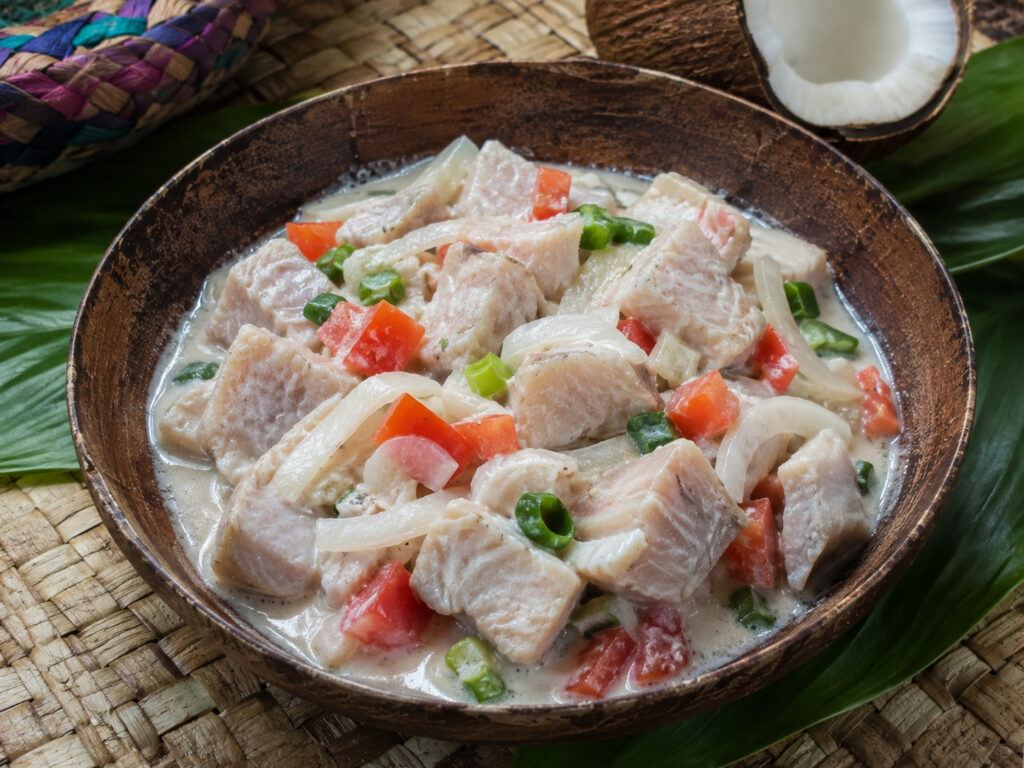
Oka, also called oka i’a, is a traditional Samoan dish made with fresh raw fish marinated in citrus juice and mixed with coconut cream, onion, tomato, cucumber and other fresh ingredients.
It is one of Samoa’s best-known seafood dishes and is closely related to other Pacific raw-fish dishes, such as Fijian kokoda and Tongan ota ika. The dish is fresh, creamy, tangy and sometimes a little spicy, making it a great fit for Samoa’s warm tropical island climate.
14. Umu
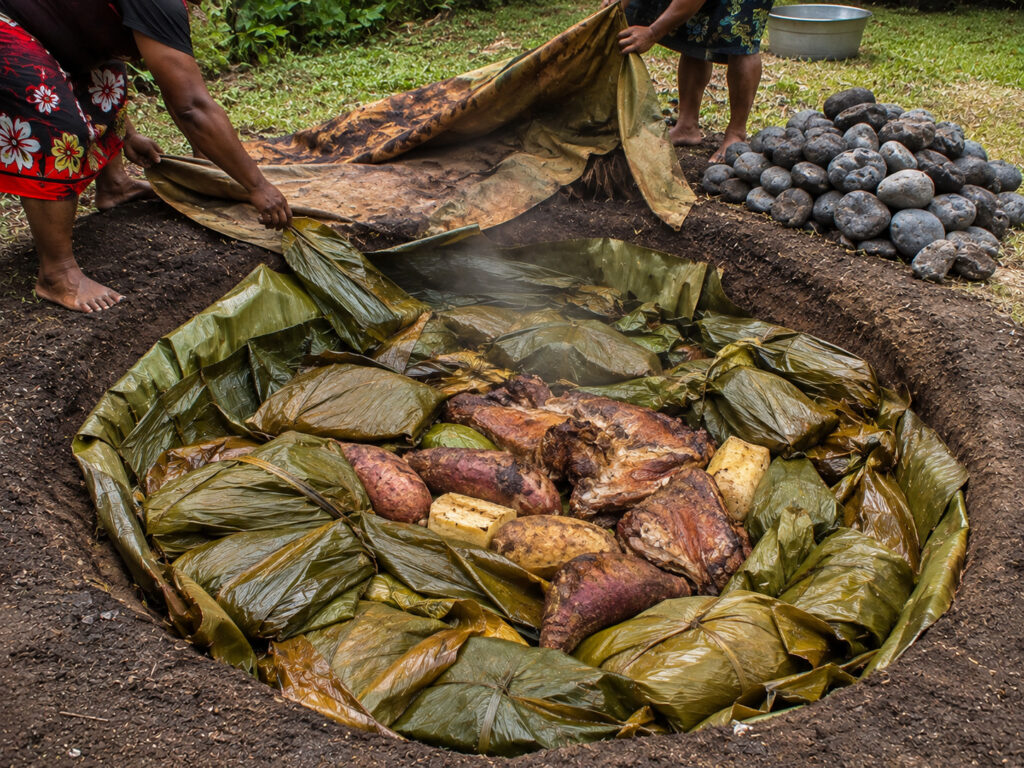
Umu is the traditional Samoan earth-oven cooking method in which food is cooked over heated stones placed in a shallow pit. The food is arranged over the hot stones, covered with leaves or other natural materials, and slowly cooked using the trapped heat and steam.
Umu is much more than just a cooking method. It is an important part of Samoan family life, village gatherings, celebrations, hospitality and communal food traditions. It is similar to Fiji’s lovo and the Māori hāngī, but umu has its own Samoan traditions and ways of preparing food.
15. Lu Sipi
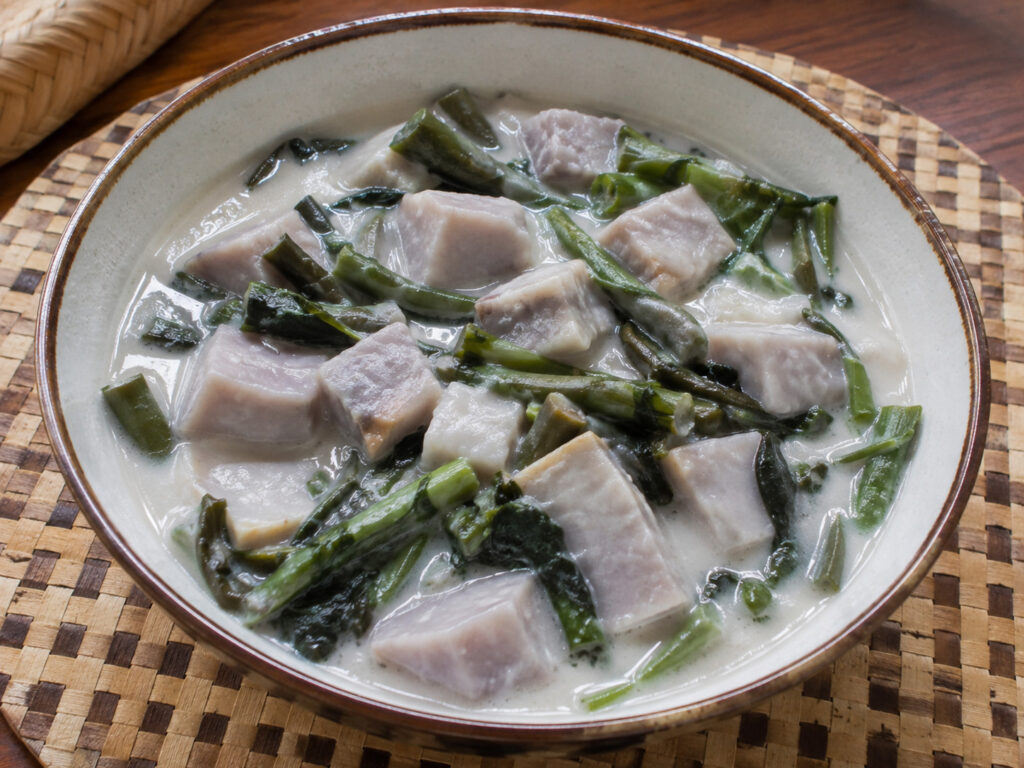
Lu Sipi is a traditional Tongan dish made with lamb wrapped in taro leaves and cooked with coconut cream. It is one of Tonga’s best-known dishes and is often prepared using an ʻumu, the Tongan earth-oven cooking method.
The dish is rich, tender and creamy, combining three important ingredients in Tongan cuisine: lamb, taro leaves and coconut cream. It is commonly prepared for family gatherings, celebrations, Sunday meals and other special occasions.
16. Ota ika
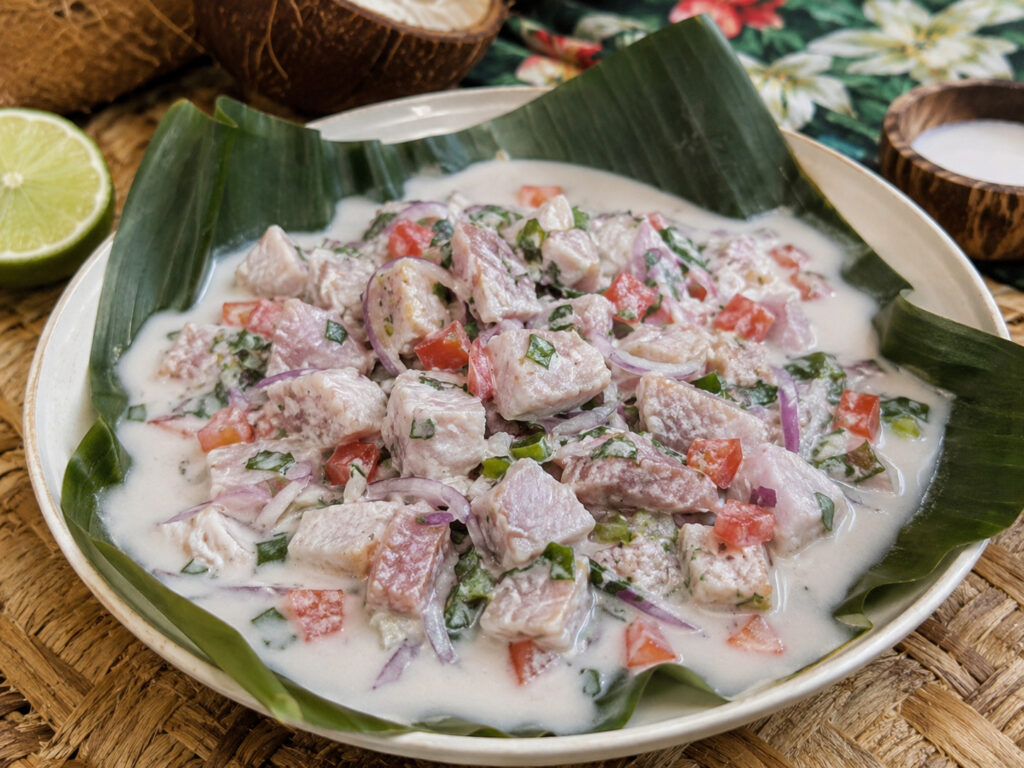
Ota ika is a traditional Tongan raw-fish dish made with fresh fish marinated in lime or lemon juice and mixed with coconut cream, onion, tomato, cucumber and other fresh ingredients.
It is one of Tonga’s best-known seafood dishes and is closely related to Samoan oka and Fijian kokoda. The dish is fresh, creamy, tangy and refreshing, making it a natural fit for Tonga’s tropical island climate and strong seafood traditions.
17. Laplap
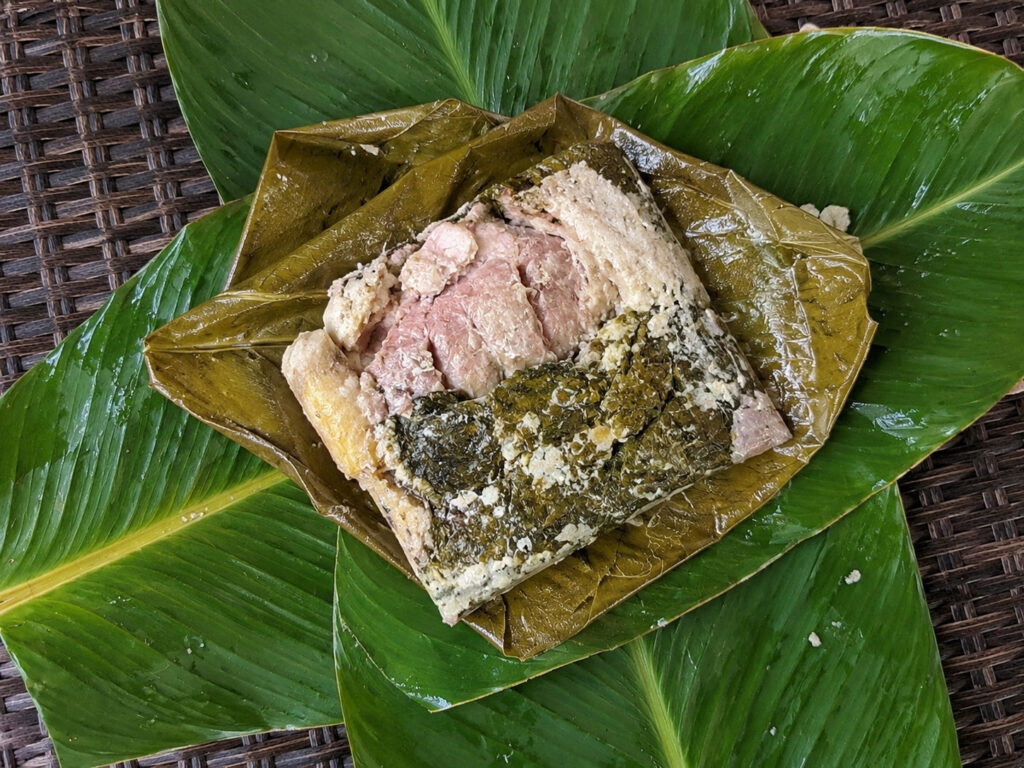
Laplap is a traditional Vanuatuan dish made from grated root vegetables or other starchy crops, mixed with coconut cream and often cooked with meat or fish in an earth oven.
It is one of the country’s best-known traditional foods and is closely connected to Ni-Vanuatu culture, communal meals and celebrations. At its heart, laplap is a simple combination of local crops, coconut and slow cooking, creating a filling and comforting dish that is an important part of Vanuatu’s food culture.
18. Mumu
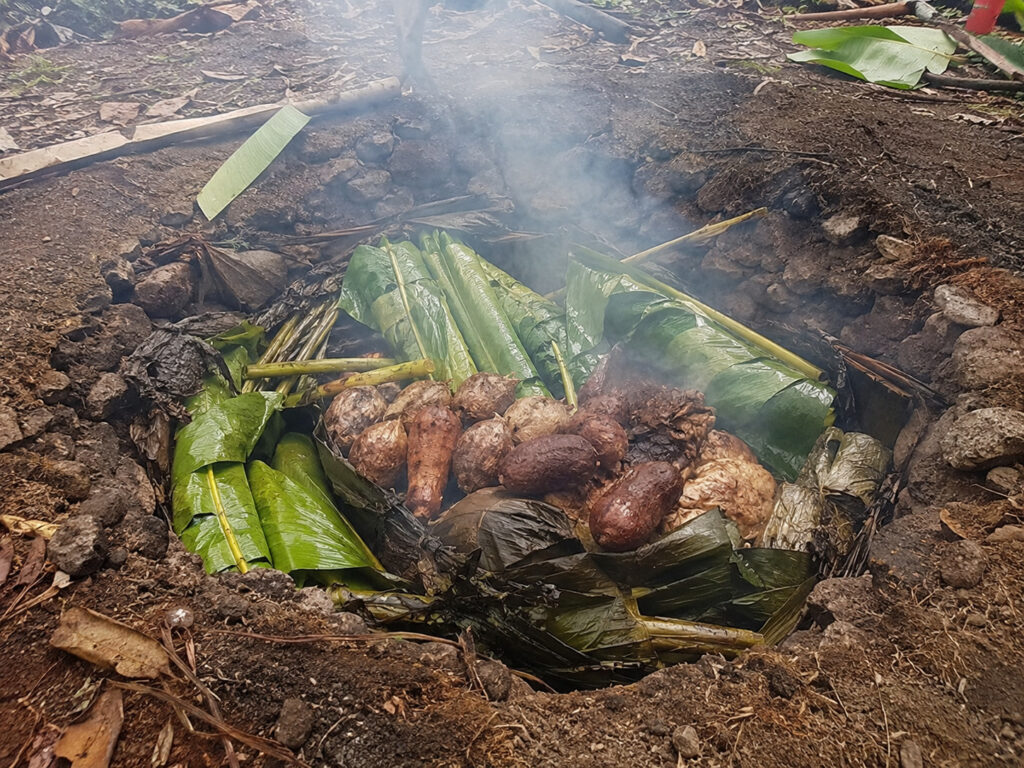
Mumu is a traditional earth-oven cooking method from Papua New Guinea (PNG). Foods such as pork, chicken, fish, sweet potatoes, taro, cassava, bananas and vegetables are cooked slowly over hot stones and covered with leaves.
Like Samoa’s umu, Fiji’s lovo and the Māori hāngī, mumu is more than just a cooking method—it is also an important part of communal food culture. It is especially associated with large gatherings, celebrations, feasts and community events, where people come together to prepare and share food.
19. Bougna
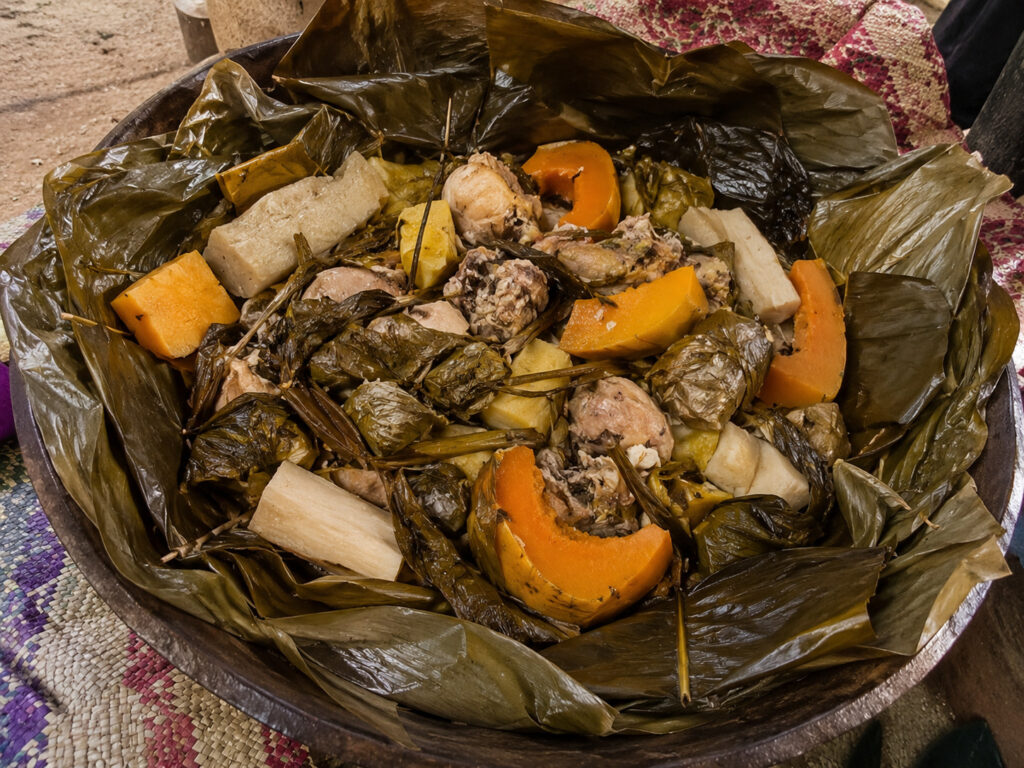
Bougna is a traditional dish from New Caledonia, strongly associated with the Kanak people. It is made by wrapping meat or fish, root vegetables, bananas and other ingredients in banana leaves, often with coconut milk or coconut cream, and traditionally cooking the parcel in an earth oven over hot stones.
It is one of New Caledonia’s best-known traditional foods and is closely connected to Kanak culture, communal meals, ceremonies and hospitality.
20. Poisson cru
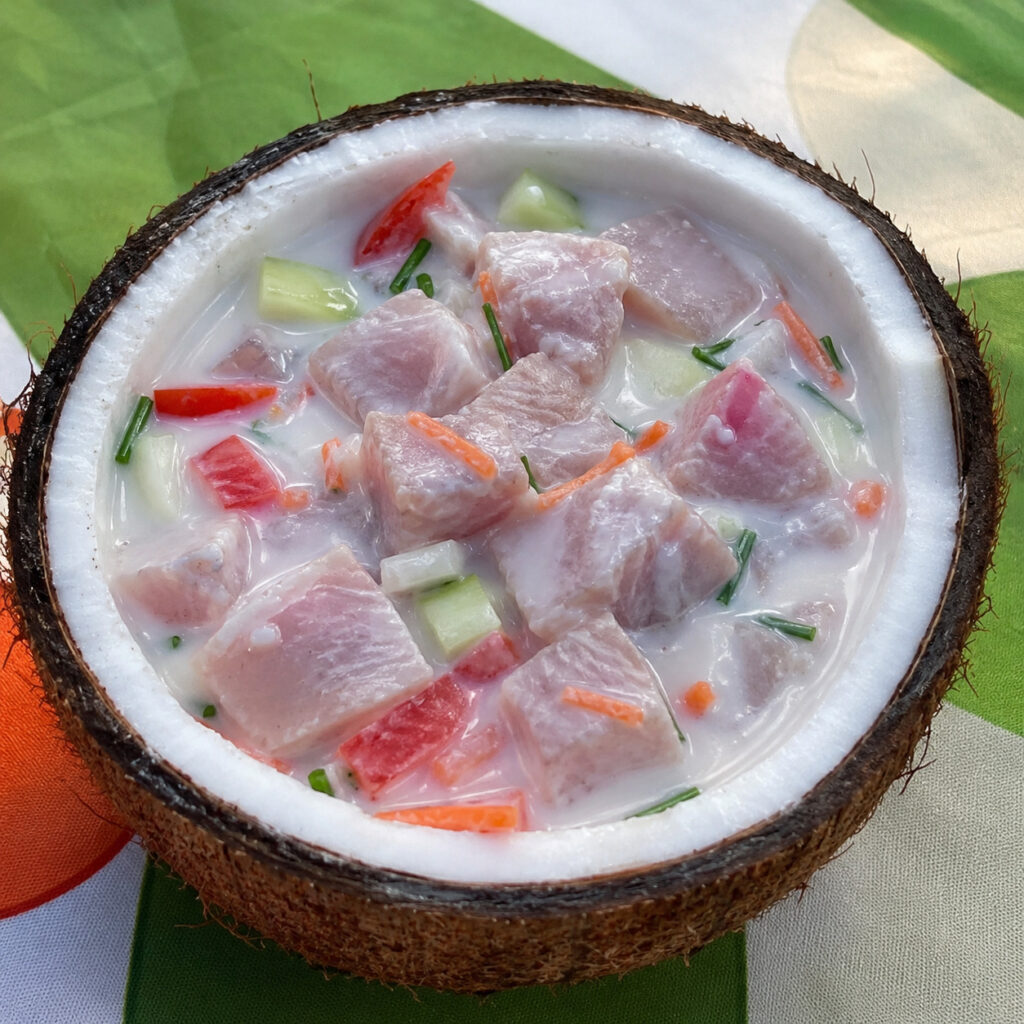
Poisson cru, also called poisson cru à la tahitienne, is one of the most famous traditional dishes of French Polynesia, especially Tahiti. It is made with fresh raw fish marinated in lime juice and mixed with coconut milk, usually with vegetables such as cucumber, tomato and onion.
The name literally means “raw fish” in French. Despite its simple ingredients, the mix of fresh fish, tangy citrus and creamy coconut gives it a fresh and delicious flavour that makes it one of the signature dishes of Tahitian cuisine.
Final Thoughts
The traditional foods of Oceania offer a fascinating look at Indigenous heritage, island life, tropical ingredients and traditional cooking methods. From the earth ovens of New Zealand, Fiji, Samoa and Papua New Guinea to the fresh seafood of the Pacific and Australia’s unique native ingredients, each food tradition reflects the environment and culture where it developed.
Whether you’re trying Fijian kokoda, Māori hāngī, Samoan palusami, Tongan ota ika or Australian bush foods, exploring Oceanian cuisine is a great way to discover the diverse cultures of this fascinating region. For travelers, food is more than just something to eat—it is a way to experience the people, history, landscapes and traditions of Oceania, one dish at a time.