Choosing the right accommodation is one of the most important parts of planning a vacation. Whether you’re travelling alone, enjoying a romantic getaway, spending time with family, or exploring a new country with friends, where you stay can have a big impact on your overall travel experience.
Two of the most popular accommodation options around the world are Airbnb and traditional hotels. Both provide places to stay, but they offer different experiences when it comes to pricing, privacy, amenities, convenience, flexibility, and services.
Airbnb has changed the way people travel by allowing homeowners and property managers to rent out apartments, houses, villas, private rooms, and even unique properties to travellers. Hotels, on the other hand, offer a more traditional experience, usually with professional staff, housekeeping, reception services, restaurants, and other facilities.
But which option gives you better value for money? Is Airbnb cheaper than staying in a hotel? Are hotels safer? And which is the better choice for families, couples, solo travellers, or people planning longer stays?
In this detailed guide, we’ll compare Airbnb and hotels across different categories, look at the pros and cons of each, and help you decide which accommodation option is right for your next trip.
1. What Is Airbnb?

Airbnb is an online accommodation platform that connects travellers with property owners and hosts who rent out places to stay.
Unlike traditional hotels, Airbnb offers a wide range of accommodation options, including:
- Entire apartments and houses.
- Private rooms in someone’s home.
- Luxury villas and beachfront properties.
- Cabins, cottages, and countryside retreats.
- Treehouses, tiny homes, and other unique stays.
- Shared rooms and budget-friendly accommodation.
Airbnb gives travellers the chance to stay in places that feel more like home rather than a typical hotel room.
For example, if you’re visiting Bali, you might book a private villa with a swimming pool. If you’re exploring Paris, you could rent a small apartment near the Eiffel Tower. Similarly, travellers visiting Japan can find traditional-style houses, while those heading to mountain destinations can stay in quiet wooden cabins.
A. How Does Airbnb Work?
Booking a place through Airbnb is fairly simple. First, visit the Airbnb website or open its mobile app. Enter your destination, travel dates, and number of guests to see available properties. You can then browse different listings, compare prices, and check photos, amenities, guest reviews, house rules, and cancellation policies before choosing a place that suits your needs.
Once you’ve found the right property, you can submit your booking request. Some listings offer instant booking, while others require approval from the host. After your reservation is confirmed, you can communicate with the host and follow the instructions for checking in.
Airbnb hosts usually manage their own properties, although some work with professional property management companies. As a result, the quality of accommodation, cleanliness, customer service, and available amenities can vary quite a bit from one listing to another.
2. What Are Hotels?

Hotels are professionally managed accommodation establishments that provide temporary stays for travellers, tourists, and business visitors.
Unlike most Airbnb properties, hotels are designed specifically for hosting guests and usually offer organized hospitality services.
Depending on the type and category of the hotel, facilities and services may include:
- Standard private rooms and luxury suites.
- Reception and front-desk assistance.
- Daily housekeeping and room cleaning.
- Restaurants, cafés, and breakfast services.
- Swimming pools, gyms, and spas.
- Laundry facilities and room service.
- Concierge services and luggage assistance.
- Business centres and conference facilities.
- Airport transfers and transportation services.
Hotels are available in almost every type of destination, from major cities and popular tourist attractions to beaches, mountains, and remote holiday destinations.
For example, visitors to Dubai can choose luxury hotels with spectacular views of the city’s skyscrapers, while travellers exploring London can find boutique hotels, business hotels, and budget-friendly accommodation.
Similarly, destinations such as Thailand, Switzerland, Japan, and the Maldives offer a wide range of hotels, from affordable places to stay to world-famous luxury resorts.
A. How Do Hotels Work?
Booking a hotel is usually straightforward. First, choose your destination and travel dates. Then, search for available hotels through booking websites or the hotel’s official website. Compare room prices, guest ratings, locations, and facilities before selecting a suitable option. Check the booking conditions, complete your reservation and payment according to the hotel’s terms, and you’re all set.
Once you arrive, head to the reception desk to complete the check-in process and receive your room key or access card.
Most hotels have reception staff who assist guests during check-in and throughout their stay. However, the level of service and availability of facilities can vary depending on the hotel’s category, size, and operating arrangements.
3. Airbnb vs Hotels: Price and Affordability

When planning a trip, accommodation is one of the biggest expenses travellers need to consider. Two of the most popular options are Airbnb and hotels. Both provide places to stay, but their pricing structures, additional fees, facilities, and overall costs can be quite different.
Airbnb is often associated with apartments, private homes, holiday rentals, and shared rooms, while hotels generally offer professionally managed rooms with standardised hospitality services.
But this raises an important question: Which is cheaper, Airbnb or a hotel?
The answer depends on several factors, including your destination, length of stay, number of travellers, type of property, travel season, and additional charges.
A. Airbnb Pricing
Airbnb is an online accommodation marketplace where property owners and hosts list their homes, apartments, private rooms, and holiday rentals for travellers.
Unlike traditional hotels, Airbnb properties are individually priced by their hosts. This means accommodation costs can vary considerably, even between properties in the same neighbourhood.
The total cost of an Airbnb booking can include several charges. The nightly rate is the basic amount charged for each night, while the cleaning fee is a one-time charge for cleaning the property. Guests may also pay a service fee charged by Airbnb, along with applicable local accommodation taxes and government charges. Some hosts also charge extra for additional guests when the number of people exceeds a specified limit.
For example, an Airbnb apartment might have an advertised nightly rate of $90. However, the final booking cost could be higher after adding cleaning fees, service fees, and applicable taxes.
This is why travellers should always check the total booking price rather than judging affordability based only on the nightly rate.
B. Hotel Pricing
Hotels generally have more standardised pricing structures. Their room rates depend on factors such as the hotel’s category, location, room type, available facilities, and demand.
Hotel accommodation costs can include several charges. The room rate is the basic nightly cost, while applicable government and local accommodation taxes may increase the final price. Some hotels also charge resort or destination fees for certain facilities and services. Other possible expenses include parking fees, breakfast charges when meals are not included, and additional guest charges.
Some hotels include services such as housekeeping, Wi-Fi, breakfast, and access to fitness facilities in their room rates, while others charge separately.
Unlike most Airbnb properties, hotels generally provide front-desk assistance, professional housekeeping, and established guest-service arrangements.
C. Average Price Comparison: Airbnb vs Hotels
Airbnb and hotel prices can vary significantly depending on the destination. For example, a private apartment in New York City may cost considerably more than a basic hotel room in a smaller American city.
The following table provides illustrative nightly price ranges for different types of Airbnb properties and hotels in USD.
| Accommodation type | Illustrative nightly price |
|---|---|
| Airbnb shared room | $30–$70 |
| Airbnb private room | $50–$110 |
| Airbnb entire apartment | $90–$200 |
| Airbnb entire house | $130–$300+ |
| Budget hotel | $60–$110 |
| Mid-range hotel | $110–$200 |
| Upscale hotel | $200–$350 |
| Luxury hotel | $350–$700+ |
Note: These are illustrative price ranges, not verified national averages or guaranteed market prices. Actual rates depend on the destination, travel dates, demand, property type, and booking conditions. Airbnb prices may also involve additional charges.
As the comparison suggests, shared Airbnb rooms and private rooms can be affordable alternatives to hotels. However, entire apartments and houses can become expensive, particularly in popular tourist destinations.
Similarly, budget hotels may offer better value than entire Airbnb properties when travellers only need a private room for one or two nights.
D. Airbnb vs Hotels: Which Is More Affordable for Different Travellers?
The most affordable accommodation option also depends on how many people are travelling together. A solo traveller has different accommodation needs from a family of five.
For solo travellers, budget hotels and Airbnb private rooms are often affordable choices. A budget hotel can provide a private room, front-desk assistance, and convenient services without requiring travellers to pay for an entire apartment.
For couples, both options can be economical. Hotels may be a better choice for short romantic getaways, while Airbnb properties can offer more space and kitchen facilities for longer holidays.
For families, Airbnb houses and apartments can offer better value because several family members can share one property instead of booking multiple hotel rooms.
For groups of friends, Airbnb can be an affordable option when several people share a large apartment or house and split the total accommodation cost among themselves.
For business travellers, hotels are often more convenient because they typically provide front-desk assistance, housekeeping, business facilities, and predictable services. In these situations, location and included amenities may matter more than finding the lowest price.
For families and larger groups, the cost difference can be substantial. One shared rental may cost less than booking two or three separate hotel rooms. However, travellers should always check occupancy limits and compare properties that can accommodate the same number of guests.
E. How to Find Cheaper Airbnb and Hotel Accommodation
Travellers can reduce their accommodation expenses by following a few simple strategies.
When looking for affordable Airbnb accommodation, compare the total booking price instead of focusing only on nightly rates. Look for properties offering weekly or monthly discounts, check cleaning fees before booking, and consider private rooms instead of entire apartments if you don’t need the extra space.
Properties with kitchen and laundry facilities can also help reduce food and laundry expenses during longer stays. Additionally, consider accommodation in nearby neighbourhoods instead of limiting your search to city centres. Always check cancellation policies and additional guest charges before confirming your reservation.
When looking for affordable hotels, compare budget, mid-range, and independent properties. Look for hotels offering complimentary breakfast and check whether parking and Wi-Fi are included in the room rate.
Compare prices on hotel websites and third-party booking platforms, and consider staying slightly outside major tourist areas if transportation is convenient. You can also look for loyalty programmes and promotional discounts. Most importantly, check the complete booking price, including applicable taxes and mandatory fees.
Another important expense to consider is the hotel resort fee. Some properties charge additional daily fees for facilities and services such as swimming pools, gyms, and Wi-Fi. According to NerdWallet’s research, these fees can range from around $15 to $50 per night, with an average of approximately $33 among the hotels in its analysis that charged them.
4. Space and Accommodation Options

One of the biggest differences between Airbnb and hotels is the amount of space they offer.
A. Airbnb: More Space and a Homely Feel
Airbnb properties often offer more space than standard hotel rooms, especially when you book an entire apartment or house.
Depending on the property, you may have access to separate bedrooms, living and dining areas, fully equipped kitchens, private balconies and terraces, gardens and outdoor spaces, private swimming pools, and laundry facilities.
This makes Airbnb particularly attractive for families, groups of friends, and travellers who prefer a more homely and spacious environment.
Imagine travelling with five friends. Instead of booking three separate hotel rooms, you could rent an entire three-bedroom apartment and share the living room, kitchen, and other common areas.
B. Hotels: Different Room Categories
Hotels generally offer smaller individual accommodation spaces, although luxury properties may provide spacious suites, serviced apartments, and connecting rooms.
Common hotel room categories include single rooms, double rooms, twin rooms, family rooms, executive rooms, junior suites, and presidential suites.
Although standard hotel rooms may offer less space than an entire Airbnb apartment, they are usually designed to provide essential comfort and convenience for guests.
Winner: Airbnb for more space and entire-property accommodation; hotels for travellers who only need a comfortable private room.
5. Privacy and Personal Space

Privacy is another important factor to consider when choosing accommodation. However, the level of privacy you get depends on the type of Airbnb property or hotel room you book.
A. Airbnb Privacy
Airbnb offers different types of accommodation, each with a different level of privacy.
If you book an entire property, you generally get private access to the booked space without having to share it with the host or other guests. This is ideal for couples, families, and groups who want to enjoy their holiday with more privacy and fewer interruptions.
However, if you book a private room or shared room, you may have to share common areas, such as the kitchen, living room, or bathroom, with the property owner or other guests, depending on the listing.
B. Hotel Privacy
Hotels generally provide private guest rooms with controlled access.
You can relax, sleep, work, and spend time in your room without sharing your personal accommodation space with other travellers. However, hotel staff may enter your room for housekeeping, maintenance, or other permitted services, depending on the hotel’s policies and your preferences.
Winner: Both Airbnb and hotels offer good privacy, but entire-property Airbnb rentals generally provide greater residential privacy and independence.
6. Safety and Security
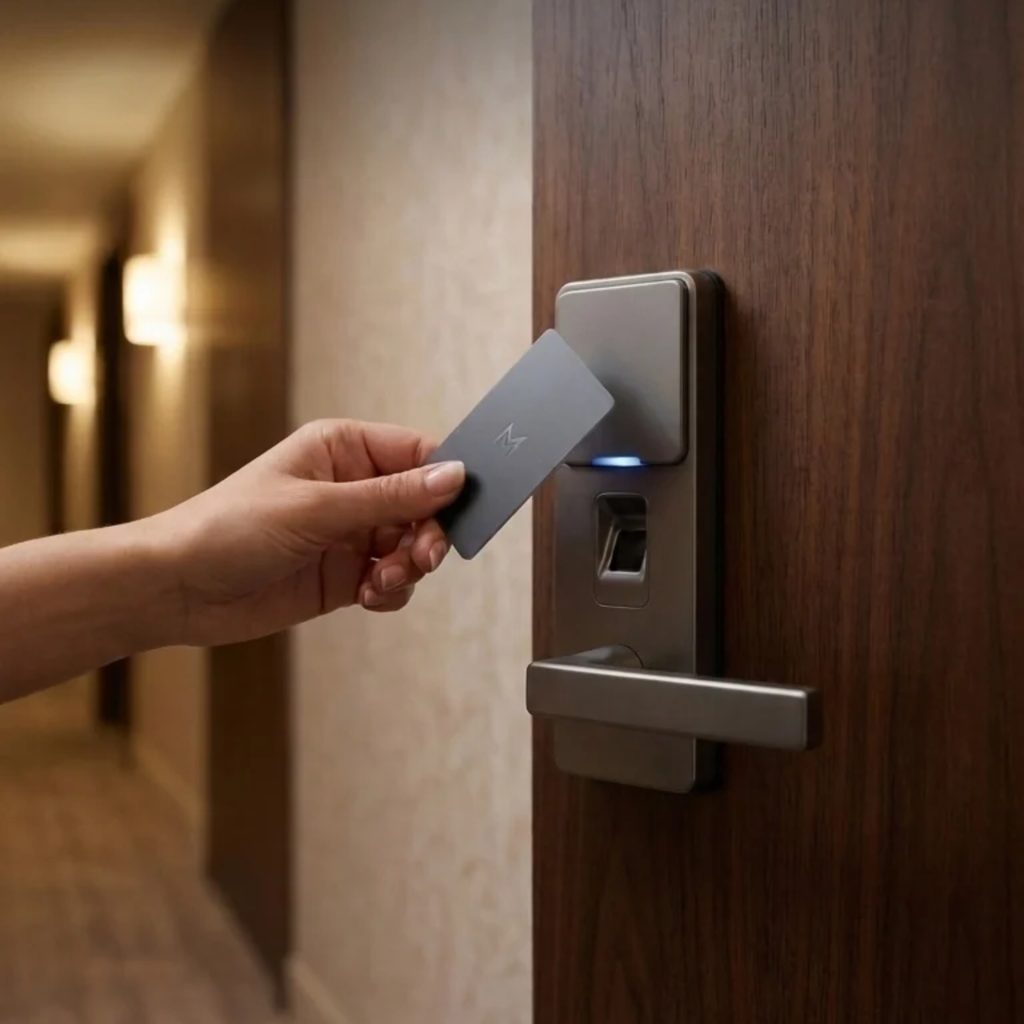
Safety should always be a priority when booking accommodation, especially when travelling internationally or visiting an unfamiliar destination. Both Airbnb and hotels can offer safe places to stay, but their security arrangements and safety measures can differ.
A. Airbnb Safety
Airbnb properties are individually managed, which means safety standards and security features can vary from one listing to another.
Before booking, it’s a good idea to check previous guest reviews, host ratings and profile information, the property’s location and surrounding neighbourhood, door and window locks, smoke and carbon monoxide alarms where applicable, emergency contact information, and the availability of essential safety equipment.
It’s also important to communicate with hosts through Airbnb’s official platform and avoid sending payments directly outside the booking system.
B. Hotel Safety
Hotels generally have more organized security arrangements, particularly established properties.
Depending on the hotel, security features and services may include reception and security personnel, electronic room access cards, CCTV in appropriate common areas, luggage storage facilities, emergency evacuation procedures, and on-site management and guest assistance.
However, not all hotels offer the same level of security. Budget properties may have fewer security features and more limited staff availability.
C. Which Is Safer: Airbnb or Hotels?
Hotels often have an advantage because they typically have staff and management available to assist guests when needed.
However, a well-reviewed Airbnb in a safe neighbourhood can also be an excellent accommodation choice.
The important thing is to research the property, check recent guest reviews, and understand the available security arrangements rather than assuming that every hotel or Airbnb is automatically safe.
Winner: Hotels generally have an advantage when it comes to on-site assistance, staff availability, and organized security arrangements.
7. Customer Service and Assistance
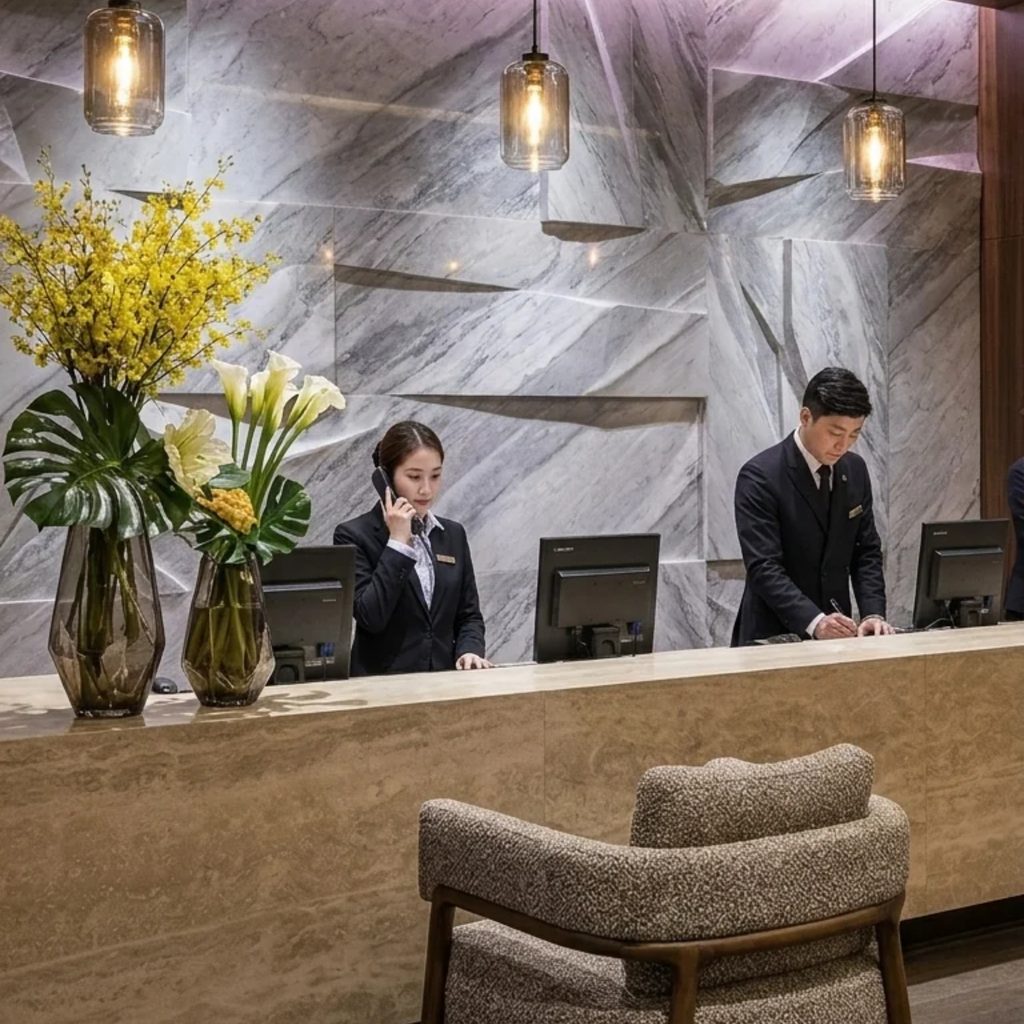
Customer service can make a big difference when something goes wrong during your holiday. For example, imagine arriving late at night only to discover that your room key isn’t working or there’s a problem with the water supply. How quickly can someone help you?
A. Airbnb Customer Service
Airbnb guests usually communicate directly with their hosts for property-related questions and assistance.
Hosts may help with check-in instructions, Wi-Fi problems, appliance issues, local recommendations, property-related complaints, and general accommodation questions.
However, response times and availability depend on the individual host. Some hosts respond quickly and are available when needed, while others may take longer to reply.
Airbnb also provides customer support through its platform to help with booking-related problems and eligible reservation issues.
B. Hotel Customer Service
Hotels generally offer a more structured customer service experience, with staff available to assist guests during their stay.
Depending on the property, you can contact reception or hotel staff for room-related problems, housekeeping requests, additional towels and toiletries, maintenance assistance, restaurant reservations, transportation arrangements, and luggage assistance.
Larger hotels may also have concierge services and dedicated guest-relations teams to help with special requests and other concerns.
Winner: Hotels, particularly full-service properties, because they generally have staff available on-site to handle guest requests and problems.
8. Housekeeping and Cleanliness
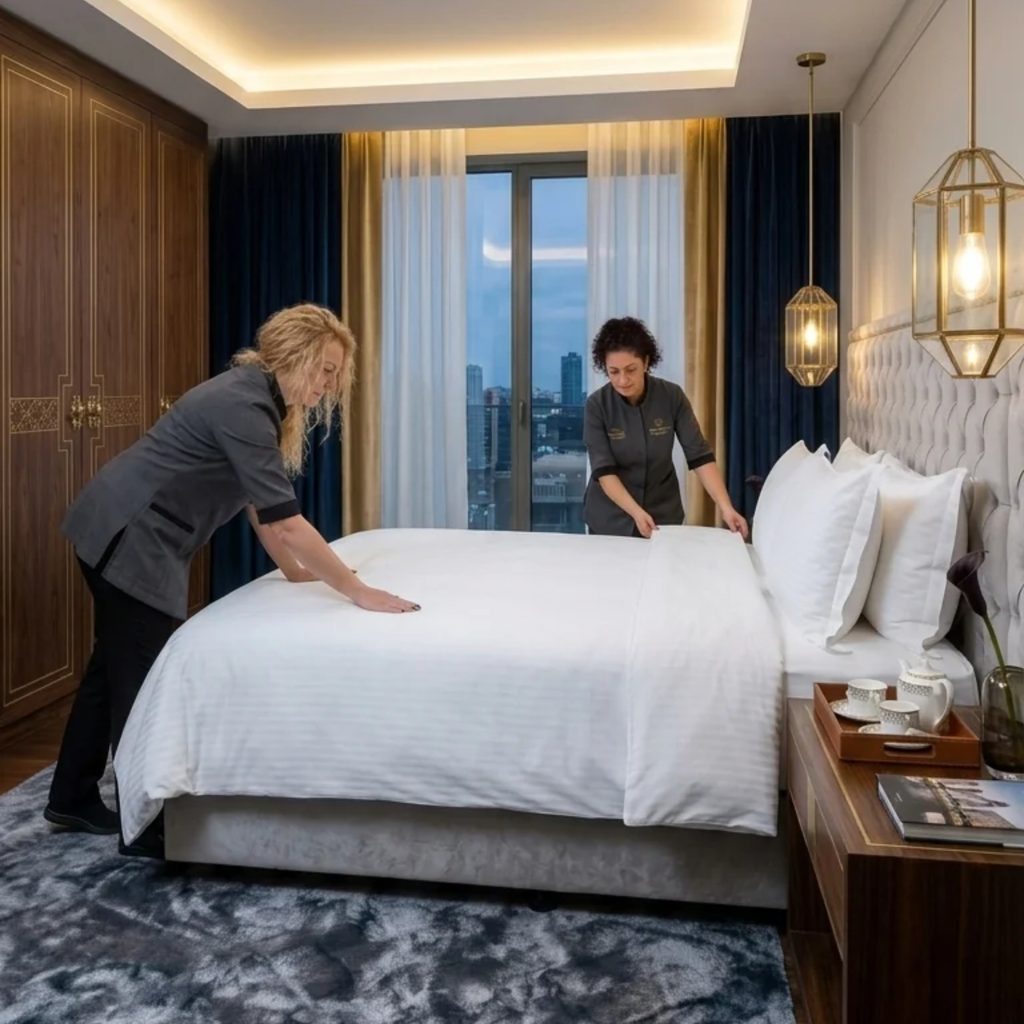
Cleanliness is essential for a comfortable stay. However, housekeeping services and cleaning arrangements can differ significantly between Airbnb and hotels.
A. Airbnb Housekeeping
Most Airbnb properties are cleaned before guests arrive. However, daily housekeeping is not automatically included with every reservation.
Depending on the property and the host’s rules, you may be expected to take care of some basic cleaning tasks during your stay, such as keeping the kitchen clean, washing used dishes, disposing of rubbish, maintaining shared areas, and following checkout cleaning instructions.
Some hosts also offer additional cleaning services for longer stays, sometimes for an extra charge.
B. Hotel Housekeeping
Hotels commonly provide regular housekeeping services to keep guest rooms clean and comfortable.
Depending on the property and its policies, these services may include making beds, replacing towels, cleaning bathrooms, emptying rubbish bins, replenishing toiletries, and general room maintenance.
The frequency of housekeeping can vary depending on the hotel, room category, and guest preferences. Some hotels may also require guests to request daily cleaning.
Winner: Hotels generally have an advantage when it comes to regular housekeeping and convenient cleaning services.
9. Amenities and Facilities

Amenities can make a big difference to the comfort and convenience of your stay. However, the facilities available can vary depending on whether you choose Airbnb or a hotel.
A. Airbnb Amenities
One of Airbnb’s biggest advantages is access to residential facilities that can make your stay feel more like home.
Depending on the property, available amenities may include fully equipped kitchens, refrigerators and cooking appliances, washing machines and dryers, private gardens, swimming pools, barbecue facilities, workspaces, free parking, and outdoor seating areas.
These facilities can be especially useful for families, groups of friends, and travellers planning longer stays. For example, having access to a kitchen allows you to prepare your own meals instead of eating out every day.
B. Hotel Amenities
Hotels often focus on hospitality and leisure facilities designed to make guests’ stays more comfortable and enjoyable.
Depending on the property, amenities may include restaurants and bars, swimming pools, fitness centres, spas and wellness facilities, breakfast services, room service, conference rooms, concierge services, and laundry services.
Luxury hotels may also offer premium facilities such as private beaches, rooftop restaurants, golf courses, and other exclusive experiences.
Winner: Airbnb for residential amenities such as kitchens and laundry facilities; hotels for organized hospitality services, dining, and leisure facilities.
10. Food and Dining Options

Food is another important factor to consider when choosing accommodation, especially if you’re planning to stay for several days or weeks.
A. Airbnb: Cook Your Own Meals
Many entire-home Airbnb properties offer kitchens where guests can prepare their own meals.
Depending on the property, you may have access to refrigerators, cooking utensils, microwaves, ovens, and other kitchen appliances.
This can be particularly useful for families travelling with children, people staying for several weeks, travellers who prefer homemade food, groups looking to reduce restaurant expenses, and guests with specific dietary preferences.
Having access to a kitchen also gives you more flexibility over what you eat and when you prepare your meals.
However, not every Airbnb property includes a kitchen. Some listings only offer basic kitchen facilities or shared cooking spaces, so always check the available amenities before booking.
B. Hotels: Restaurants and Room Service
Hotels often provide convenient dining options, allowing guests to enjoy meals without having to prepare them themselves.
Depending on the property, available options may include complimentary breakfast, buffet restaurants, à la carte dining, cafés and bars, in-room dining, and special dietary menus.
You don’t have to buy groceries, prepare meals, or wash cooking utensils. However, regularly eating at hotel restaurants or ordering room service can increase your overall travel expenses.
Winner: Airbnb for self-catering and saving money on meals; hotels for convenient dining options and room service.
11. Location and Accessibility
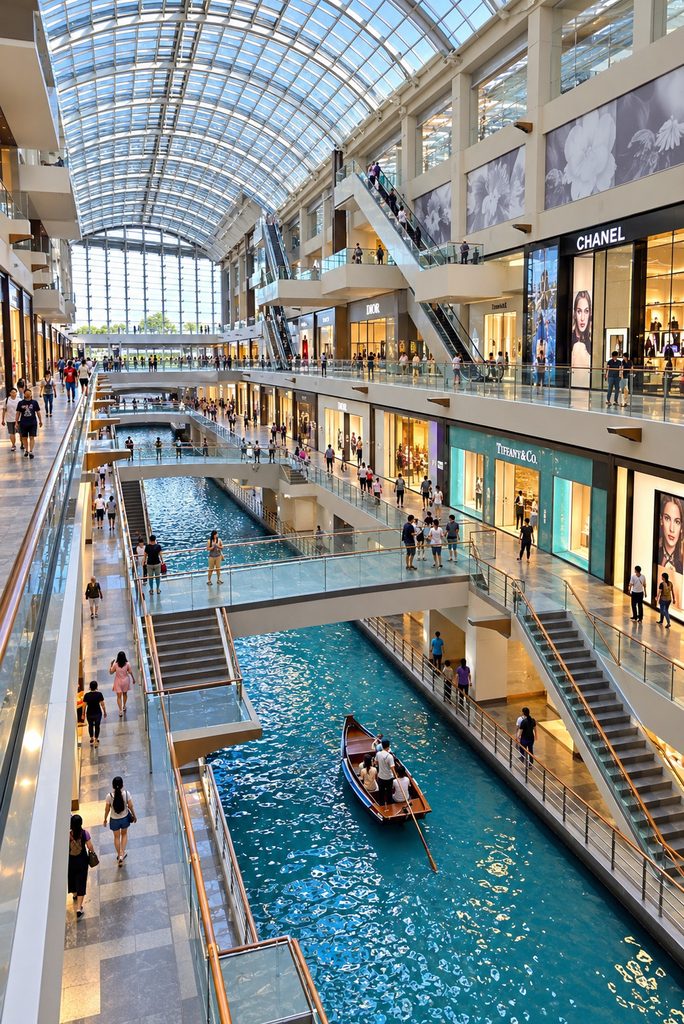
The location of your accommodation can have a big impact on transportation costs, sightseeing opportunities, and your overall travel experience.
A. Airbnb Locations
Airbnb offers properties in a wide range of locations, including residential neighbourhoods, city centres, countryside areas, coastal regions, and remote destinations. This gives travellers the opportunity to stay in places where traditional hotels may be limited or unavailable.
For example, you might rent a countryside cottage in Tuscany, a beachfront villa in Bali, or an apartment in a residential neighbourhood in Tokyo.
However, some Airbnb properties are located far from public transportation, restaurants, and major tourist attractions. This could mean spending more time and money travelling to popular places.
B. Hotel Locations
Hotels are commonly found in convenient locations near airports, railway stations, city centres, shopping districts, tourist attractions, business districts, and popular beaches and resort destinations.
These locations can make sightseeing, commuting, and accessing local services much easier. However, centrally located hotels can be expensive, particularly during major events, holidays, and peak tourist seasons.
Winner: Both have their advantages. Airbnb offers a wider variety of residential and unique locations, while hotels often provide convenient access to popular tourist areas and transportation hubs.
12. Booking Process and Check-In Experience

A. Airbnb Check-In
Airbnb properties commonly offer self-check-in options, allowing guests to access their accommodation without meeting the host in person.
Depending on the property, check-in methods may include key lockboxes, smart door locks, keypad entry systems, digital access instructions, or in-person meetings with hosts.
Self-check-in can be convenient because you don’t need to visit a reception desk or wait for someone to hand over your keys.
However, you must carefully follow the host’s instructions. If you arrive late and have trouble accessing the property, resolving the issue may take additional time, especially if the host is unavailable.
B. Hotel Check-In
Hotels generally offer a more traditional check-in experience.
When you arrive, you usually visit the reception desk, provide your booking details and identification, complete any required formalities, and receive your room key or access card.
Some hotels also offer mobile check-in and digital room keys, allowing guests to complete parts of the process using their smartphones. Hotels can be particularly convenient for travellers arriving late at night or those who prefer face-to-face assistance during check-in.
Winner: Hotels for traditional check-in and face-to-face assistance; Airbnb for flexible and independent self-check-in.
13. Cancellation Policies and Booking Flexibility

Travel plans can change unexpectedly due to flight cancellations, bad weather, personal emergencies, or other unforeseen circumstances. That’s why it’s important to check the cancellation policy before booking your accommodation.
A. Airbnb Cancellation Policies
Airbnb hosts choose from the cancellation policy options available for their listings. The exact terms depend on the property and booking conditions.
Depending on the listing, you may find flexible cancellation options, moderate cancellation options, firm or stricter cancellation conditions, and non-refundable booking options.
The amount you receive as a refund depends on the applicable cancellation policy and when you cancel your reservation.
Some Airbnb properties offer more flexible cancellation terms than others, so always read the conditions carefully before confirming your booking.
B. Hotel Cancellation Policies
Hotels also offer different cancellation options depending on their booking terms and room rates.
Common options include free cancellation before a specified deadline, partially refundable reservations, non-refundable discounted bookings, and flexible rates that allow cancellation closer to the check-in date.
Some established hotel chains offer relatively consistent cancellation policies across their properties. However, the terms can still vary depending on the individual hotel, booking platform, and room rate you select.
Winner: It depends on the booking conditions. Both Airbnb and hotels offer flexible and non-refundable options. Always compare the cancellation deadlines and refund terms before making a reservation.
14. Long-Term Stays: Airbnb vs Hotels

If you’re planning to stay somewhere for several weeks or months, your accommodation needs may be quite different from those of someone taking a weekend trip. You might need a kitchen, laundry facilities, a comfortable workspace, and enough room to live independently.
A. Why Airbnb Can Be Better for Long-Term Stays
Airbnb can be an attractive option for extended stays because many properties offer residential facilities that make everyday life more comfortable.
Depending on the listing, you may find fully furnished apartments, separate living and sleeping areas, kitchen facilities, washing machines, weekly or monthly discounts, and more flexibility when choosing residential neighbourhoods.
These features can make longer stays more comfortable and give you the freedom to follow your own daily routine.
However, always check the total monthly cost, utility charges, internet availability, and any additional booking conditions before making a reservation.
B. Why Hotels Can Be Better for Long-Term Stays
Hotels may be a better choice for travellers who prefer professional services and don’t want the responsibility of managing a property themselves.
Extended-stay hotels and serviced apartments often provide facilities such as kitchenettes, laundry facilities, regular housekeeping, reception assistance, fitness centres, and breakfast options.
Some properties also offer discounted rates for longer reservations, making them more affordable for extended stays.
Winner: Airbnb for independent residential living and flexibility; extended-stay hotels for convenient accommodation with professional services.
15. Which Is Better for Different Types of Travellers?
The best accommodation option depends on who you’re travelling with, your budget, and what you expect from your holiday.
Here’s how Airbnb and hotels compare for different types of travellers.
A. Solo Travellers

Solo travellers generally look for affordable, convenient, and well-located accommodation.
Airbnb private rooms can be an economical option, especially for those travelling on a limited budget. Hotels, on the other hand, offer private rooms, reception assistance, and convenient facilities.
Recommendation: Compare budget hotels with Airbnb private rooms. Hotels may be a better choice if safety arrangements, reception support, and convenience are your main priorities.
B. Couples

Couples may prefer accommodation that offers privacy, comfort, and a relaxing atmosphere.
Airbnb offers romantic villas, secluded cabins, apartments, and beachfront properties. Hotels, meanwhile, provide options such as luxury suites, romantic dining, spa treatments, and special packages for couples.
Recommendation: Choose Airbnb for private and unique experiences, or hotels for luxury services and romantic packages.
C. Families with Children

Families often need more space, separate bedrooms, kitchen facilities, and convenient access to everyday essentials. Airbnb can be an excellent choice because entire houses and apartments offer more space and a homely environment.
However, family-friendly hotels can also provide connecting rooms, children’s activities, swimming pools, and childcare services at selected properties.
Recommendation: Airbnb is a good option for larger families who need extra space and kitchen facilities, while hotels may suit families who prefer organized services and on-site facilities.
D. Groups of Friends

Travelling with friends can make accommodation costs easier to split. An entire Airbnb property may offer several bedrooms, shared living areas, and a kitchen, making it easier for everyone to stay together.
Hotels can also accommodate groups, but booking multiple rooms may increase the overall cost.
Recommendation: Airbnb is often a good choice for groups of friends, especially when several people can comfortably share one property.
E. Business Travellers

Business travellers generally prioritize reliable internet, convenient locations, comfortable workspaces, and dependable assistance. Hotels often provide business centres, meeting rooms, laundry services, and convenient access to transportation.
Airbnb can also be useful for extended business trips, particularly when a furnished apartment with a kitchen is more practical.
Recommendation: Hotels are often more convenient for short business trips, while Airbnb or serviced apartments can be better suited to longer assignments.
F. Digital Nomads and Remote Workers

Digital nomads often stay in one destination for several weeks or months while working remotely. Airbnb properties can offer dedicated workspaces, kitchens, and a comfortable residential environment, making longer stays more convenient.
However, it’s important to check internet speed, electricity reliability, and workspace quality before booking. Hotels can also be useful for remote workers who prefer regular housekeeping, guest assistance, and convenient on-site facilities.
Recommendation: Airbnb is often a good choice for longer independent stays, provided the property has a suitable workspace and reliable internet connection.
16. Advantages and Disadvantages of Airbnb
A. Advantages of Airbnb
- More accommodation choices: You can choose from apartments, houses, cabins, villas, and unique properties that offer different types of experiences.
- More living space: Entire properties often provide separate bedrooms, living rooms, and kitchens, giving you more room to relax.
- A homely atmosphere: Residential accommodation can make longer stays more comfortable and convenient.
- Suitable for groups: Several travellers can share one property and split the accommodation costs.
- Kitchen facilities: Preparing your own meals can help reduce food expenses, especially during longer stays.
- Unique experiences: You can stay in interesting places that traditional hotels may not offer.
- Flexible locations: Properties are available in residential neighbourhoods, countryside areas, and remote destinations.
- Potential savings on long stays: Some hosts offer weekly or monthly discounts, making extended bookings more affordable.
B. Disadvantages of Airbnb
- Variable property quality: The condition, cleanliness, and overall quality of accommodation can differ significantly between hosts.
- Limited on-site assistance: Many properties do not have reception staff or someone available to help in person.
- Limited housekeeping: Daily cleaning is not automatically included with every reservation.
- Additional charges: Cleaning fees, service fees, and applicable taxes can increase the final booking cost.
- Host communication: You may need to contact the host directly to resolve property-related problems or request assistance.
- Inconsistent amenities: Not every property offers the same facilities, so you need to check the listing carefully before booking.
- Cancellation restrictions: Some listings have strict cancellation and refund conditions.
- Local regulations: Short-term rental rules and availability vary by destination, which can affect where and how you can book an Airbnb.
17. Advantages and Disadvantages of Hotels
A. Advantages of Hotels
- Professional services: Hotel staff are available to assist guests with different needs and requests during their stay.
- Regular housekeeping: Many hotels provide scheduled room cleaning, fresh towels, and other housekeeping services.
- Reception facilities: Guests can usually contact the front desk for assistance, information, or help with problems.
- Convenient amenities: Hotels may offer restaurants, gyms, swimming pools, spas, and laundry facilities.
- Consistent standards: Established hotel chains often follow standardized operating procedures to maintain service and accommodation quality.
- Convenient locations: Many hotels are located near airports, tourist attractions, shopping areas, and public transportation.
- Easy check-in: Traditional reception services make the arrival and check-in process straightforward.
- Loyalty programmes: Hotel chains may reward returning guests with points, room upgrades, discounts, and other benefits.
B. Disadvantages of Hotels
- Limited space: Standard hotel rooms generally offer less space than entire apartments or houses.
- Higher costs for groups: Booking multiple rooms for families or groups of friends can become expensive.
- Limited cooking facilities: Most standard hotel rooms do not include fully equipped kitchens.
- Less residential comfort: Some travellers may find standard hotel rooms less suitable for longer stays.
- Additional charges: Parking, resort fees, meals, and other services can increase the overall accommodation cost.
- Less independence: Housekeeping schedules, hotel policies, and service arrangements may affect your daily routine.
- Busy common areas: Popular hotels can have crowded restaurants, elevators, swimming pools, and other shared facilities.
- Fewer unique experiences: Traditional hotel rooms may offer fewer unusual or distinctive accommodation experiences compared to Airbnb properties.
Conclusion
Airbnb and hotels have changed the way people find places to stay while travelling. Both offer different advantages, and neither is the perfect choice for every trip.
Airbnb offers flexibility, a homely atmosphere, and unique places to stay, while hotels provide professional hospitality, convenient services, and a more structured accommodation experience.
Instead of focusing only on price, think about the kind of holiday you want and what matters most to you.
Whether you choose a modern city hotel, a private beach villa, a mountain cabin, or a comfortable apartment, make sure your accommodation fits your travel plans, budget, and personal preferences.
After all, a great holiday isn’t just about the destinations you visit. It’s also about having a comfortable place to return to at the end of each day.