Traveling has never been more accessible, yet most travelers still flock to the same crowded destinations year after year. Cities like Paris, Bali, Dubai, and Bangkok continue to dominate bucket lists and social media feeds. While these places are undeniably beautiful, they often come with overcrowded streets, inflated prices, tourist traps, and long waiting lines.
These hidden travel gems offer something many famous destinations no longer can: authenticity, peaceful experiences, lower costs, untouched landscapes, and deeper cultural connections. Whether you’re looking for affordable countries to visit, less crowded tourist destinations, or unique countries to travel, underrated destinations can completely transform the way you experience the world.
Imagine hiking through untouched mountain villages without crowds, relaxing on tropical beaches where you’re one of only a few visitors, or eating incredible local food at prices that seem unreal compared to major tourist hubs.
In this guide, you’ll discover 15 underrated travel destinations from different parts of the world that deserve far more attention than they currently receive. From the mountains of Central Asia to the beaches of Africa and the hidden cultural treasures of Eastern Europe, these countries offer unforgettable adventures without the chaos of mass tourism.
If you’re tired of overcrowded tourist hotspots and want more meaningful experiences, these underrated countries should be at the top of your travel list.
If you love discovering hidden travel gems and breathtaking landscapes, you may also enjoy exploring our guide to Top 10 Dreamlike Places on Earth That Feel Too Surreal to Be Real, featuring some of the most magical destinations across the globe.
1. Albania – Europe’s Affordable Coastal Paradise
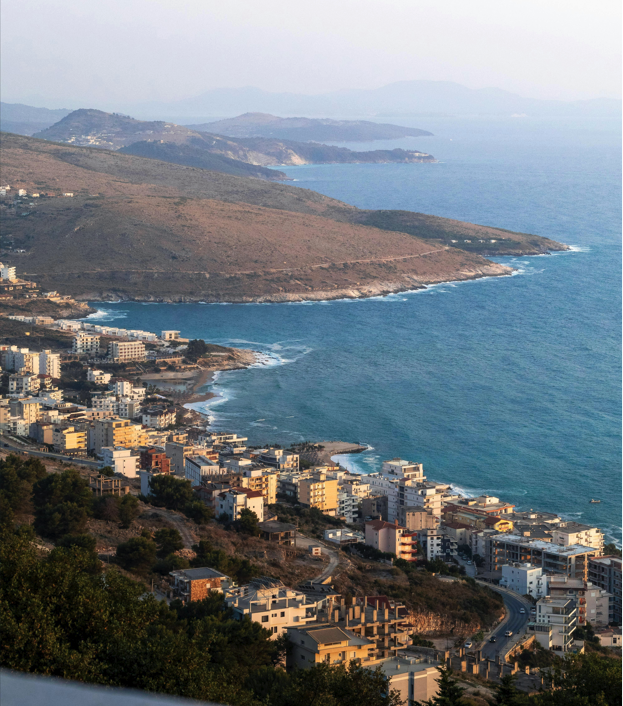
When people dream about Europe, they usually picture the white villages of Greece, the colorful coastlines of Italy, or the glamorous cafés of France. But somewhere quietly sitting along the Adriatic and Ionian Seas is a country that many travelers still overlook — Albania. And honestly, that’s part of its magic.
Albania feels like the version of Europe people are always searching for but rarely find anymore. It’s affordable, wildly beautiful, welcoming, and surprisingly uncrowded. You can spend your morning swimming in turquoise water that looks straight out of the Maldives, your afternoon hiking through dramatic mountain villages, and your evening eating fresh seafood for the price of a coffee in Rome.
For travelers tired of overpriced tourist traps and crowded selfie spots, Albania offers something refreshing: authenticity. This Albania travel guide will show you exactly why this hidden Balkan gem deserves a spot on your bucket list — especially before the rest of the world catches on.
A. Why Albania Is One of the Most Underrated Countries in Europe
There’s a strange reason Albania remains under the radar: for decades, it was isolated from much of the world under a strict communist regime. While neighboring countries built massive tourism industries, Albania stayed relatively untouched. That isolation unintentionally preserved something special.
Unlike many famous European destinations that now feel commercialized, Albania still has a raw and genuine atmosphere. Villages remain traditional. Beaches aren’t packed with luxury resorts. Locals still greet travelers with real curiosity and warmth instead of rehearsed tourist smiles. And despite being one of the best cheap European travel destinations, Albania offers scenery that rivals places costing three times more.
B. Best Places to Visit in Albania
a. The Albanian Riviera: Europe’s Secret Coastline
If there’s one place that completely changes people’s perception of Albania, it’s the Albanian Riviera.
Stretching along the Ionian Sea, this coastline is filled with crystal-clear water, hidden beaches, mountain roads, and small coastal villages that feel frozen in time.
b. Ksamil – The Maldives of Europe
Ksamil is probably Albania’s most famous beach destination — and once you see the water, you’ll understand why. The sea here glows in shades of turquoise and blue so vibrant they almost look edited. Tiny islands sit just offshore, and small boats drift across calm water while beach cafés play soft music in the background.
What surprises many travelers is the price. A beachside seafood lunch in Ksamil can cost less than a basic fast-food meal in Western Europe. Hotels and apartments are also dramatically cheaper compared to nearby Greek islands.
Travel Tip: Visit Ksamil in June or September if you want warm weather without the peak summer crowds.
c. Sarandë – Albania’s Relaxed Coastal Hub
Just north of Ksamil lies Sarandë, a laid-back seaside city popular among backpackers and digital nomads. Sarandë has the kind of atmosphere that makes you slow down naturally. People spend hours drinking coffee by the sea, watching ferries arrive from Greece, and enjoying long sunset dinners.
Unlike overcrowded Mediterranean destinations where everything feels rushed, Sarandë still feels relaxed and local. It’s also a perfect base for exploring southern Albania.
d. Berat – The City of a Thousand Windows
One of the best places to visit in Albania isn’t on the coast at all. Berat is a UNESCO-listed city famous for its white Ottoman houses stacked along the hillside. At sunset, the windows reflect golden light, giving the city an almost magical appearance.
Walking through Berat feels like stepping into another century. Narrow stone streets wind through old neighborhoods, locals sit outside chatting for hours, and traditional architecture dominates the landscape. One of the highlights is Berat Castle, where people still live inside the ancient fortress walls.
Travel Tip: Stay overnight instead of taking a day trip. Berat becomes incredibly peaceful after tourists leave.
e. Gjirokastër – Albania’s Stone City
Another UNESCO treasure, Gjirokastër, is often called “The Stone City” because of its unique slate-roofed houses and fortress-like architecture.
The city climbs dramatically up a hillside beneath a huge castle overlooking the valley below. Walking through its cobbled streets feels cinematic — especially during rainy evenings when the stone streets glisten under warm lights.
Gjirokastër is also one of the best places to experience Albanian culture and traditional food.
C. Albania’s Mountains Are Just as Stunning as Its Beaches
Most people associate Albania with beaches, but the mountains may actually be the country’s biggest surprise.
The Accursed Mountains
Northern Albania is home to the dramatic Albanian Alps, also known as the Accursed Mountains. The scenery here feels almost unreal — jagged peaks, green valleys, waterfalls, and remote villages untouched by mass tourism.
The hike between Theth and Valbonë is considered one of the most beautiful trekking routes in Europe. And unlike hiking destinations in Switzerland or Austria, you won’t encounter endless crowds. One of the most memorable parts of northern Albania is the hospitality. Guesthouse owners often treat travelers like family, serving homemade meals and sharing stories late into the evening.
D. Albanian Food Deserves More Attention
One of the biggest surprises for first-time visitors is how good Albanian food is. Albanian cuisine combines influences from the Mediterranean, Balkans, and Ottoman traditions. The result is flavorful, comforting, and incredibly fresh food.
Some dishes you absolutely need to try include:
- Byrek – flaky pastry filled with cheese, spinach, or meat
- Tavë Kosi – baked lamb with yogurt sauce
- Fërgesë – a rich dish made with peppers, tomatoes, and cheese
- Fresh grilled seafood along the Riviera
- Local olive oil and mountain herbs
And then there’s the coffee culture. Albanians take coffee seriously. Cafés are everywhere, and sitting for hours over espresso is part of daily life.
Travel Tip: Don’t skip family-run restaurants. Some of the best meals in Albania come from tiny local spots with handwritten menus.
E. Albania Is Perfect for Budget Travelers
One reason Albania is becoming increasingly popular among travelers is affordability. Compared to destinations like Greece, Italy, or Croatia, Albania feels shockingly inexpensive.
You can often find:
- Beachfront hotels for budget prices
- Cheap intercity buses
- Affordable seafood dinners
- Low-cost apartment rentals
- Coffee for under a euro in many places
For backpackers, digital nomads, and long-term travelers, Albania offers incredible value without sacrificing beauty or experience. It’s one of the few remaining places in Europe where you can genuinely travel comfortably on a modest budget.
F. Hidden Gems Most Tourists Miss
a. Himarë
Himarë offers a quieter alternative to the more famous Riviera destinations. The beaches are stunning, but the atmosphere is slower and more authentic. It’s the kind of place where you accidentally spend four days instead of one.
b. Blue Eye Spring
Blue Eye is a natural spring with unbelievably clear blue water that looks almost surreal in person. Surrounded by forest, the spring feels peaceful and mysterious — like a hidden fantasy location.
c. Lake Koman Ferry
The ferry ride across Lake Koman is one of the most underrated experiences in the Balkans. Massive mountains rise directly from emerald water, creating scenery many travelers compare to Norwegian fjords. And yet, surprisingly few international tourists know about it.
G. Best Time to Visit Albania
The ideal time to visit Albania depends on what kind of trip you want.
a. Summer (June–August)
Perfect for beaches and coastal towns. July and August are hottest and busiest.
b. Spring (April–May)
Excellent for sightseeing, hiking, and fewer crowds.
c. Autumn (September–October)
Arguably the best overall time. Warm sea, pleasant weather, and more relaxed atmosphere.
d. Winter
Great for mountain scenery and local experiences, though many beach towns become quieter. For most travelers, September is the sweet spot.
H. Transportation and Getting Around
Albania’s transportation system isn’t luxurious, but it’s improving quickly. The country is accessible through Tirana International Airport Nënë Tereza near the capital city of Tirana.
Buses and minibuses called furgons connect most towns and cities affordably, though schedules can feel unpredictable. Renting a car is one of the best ways to explore Albania freely, especially along the Riviera and mountain regions. The roads along the coast offer some of the most scenic drives in Europe.
I. Is Albania Safe for Tourists?
This is one of the most common questions travelers ask before visiting Albania. The short answer: yes, Albania is generally very safe for tourists. In fact, many travelers say they felt safer in Albania than in some major Western European cities.
Locals are famously hospitable, especially toward foreign visitors. Crime rates affecting tourists are relatively low, though normal travel precautions still apply. The biggest challenge is usually transportation infrastructure rather than safety itself.
Travel Tip:
- Carry cash in smaller towns
- Use official taxis when possible
- Drive carefully if renting a car because mountain roads can be narrow
J. What Makes Albania Feel Different
The thing many travelers remember most about Albania isn’t just the scenery. It’s the feeling. There’s still a sense of discovery here that has disappeared from many parts of Europe. You’ll find beaches without giant resort chains, mountain villages where traditions still matter, and locals genuinely excited to meet visitors. In places like Italy or Greece, tourism often feels industrialized. Albania still feels personal.
You notice it when restaurant owners bring extra food “just because.” You notice it when strangers help you navigate bus stations without expecting anything in return. You notice it when you find yourself alone at a sunset viewpoint that would be packed elsewhere in Europe. Albania reminds travelers what travel used to feel like.
2. Georgia – Europe and Asia’s Mountain Wonderland
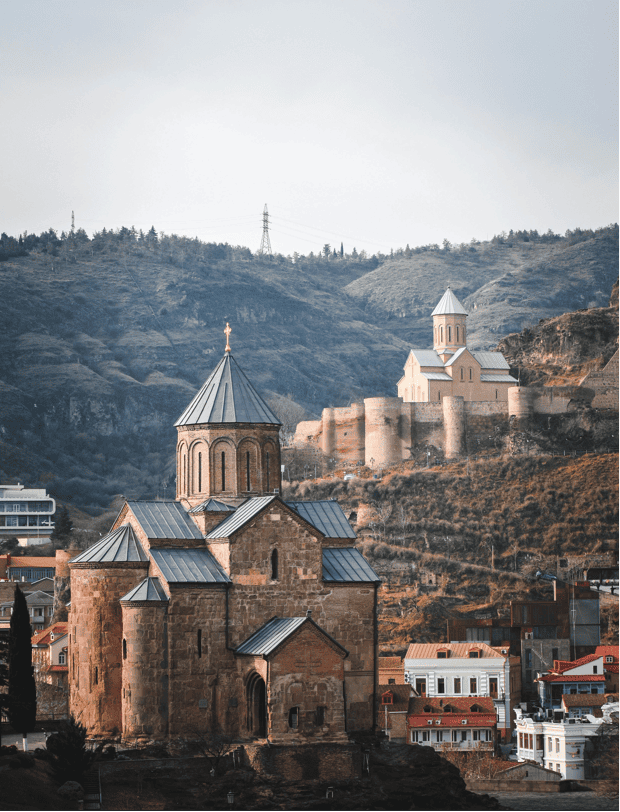
There are some places that instantly surprise you the moment you arrive. Georgia is one of them.
Most travelers know the name, but very few actually understand how incredible this country is until they experience it themselves. Tucked between Europe and Asia in the Caucasus region, Georgia feels like several destinations blended into one — towering snow-covered mountains, ancient monasteries, vibrant cities, dramatic landscapes, rich history, and some of the warmest hospitality you’ll ever encounter. And somehow, despite all of that, Georgia still flies under the radar compared to famous European destinations.
While tourists crowd the streets of Italy, Greece, or France every summer, Georgia remains refreshingly authentic. You can wander through centuries-old mountain villages, drink world-famous wine made using ancient traditions, eat unforgettable food, and explore breathtaking landscapes without spending a fortune.
For travelers looking for adventure, culture, affordability, and genuine experiences, Georgia may be one of the best underrated countries in Europe and Asia combined. Once you visit, it becomes very easy to understand why so many people end up falling in love with it.
A. Tbilisi: One of Europe’s Most Underrated Capital Cities
The heart of Georgia is Tbilisi — a city that somehow manages to feel ancient and modern at the same time.
At first glance, Tbilisi looks chaotic. Narrow streets twist through old neighborhoods, colorful balconies lean over cobblestone alleys, street art covers hidden corners, and centuries-old churches stand beside trendy cafés and wine bars. But that’s exactly what makes the city unforgettable. Tbilisi has personality.
Unlike heavily polished European capitals that can sometimes feel predictable, Tbilisi feels alive and full of surprises. One minute you’re exploring a medieval district, and the next you’re sitting in a modern café listening to jazz while drinking locally produced wine. The city is especially magical in the evening when the warm lights reflect across the hills and the smell of fresh bread drifts through the streets.
Travel Tip: Stay in the Old Town area if you want easy access to restaurants, historic sites, and nightlife.
B. The Caucasus Mountains Are Absolutely Breathtaking
If Georgia has a superpower, it’s the mountains. The Caucasus Mountains create some of the most dramatic scenery in the world, yet many travelers still overlook them in favor of the Alps. That’s a huge mistake. Georgia’s mountains feel raw, wild, and untouched in ways that many famous European mountain destinations no longer do.
a. Kazbegi: Georgia’s Most Iconic Mountain Destination
Stepantsminda, often called Kazbegi, is one of the most beautiful places in the country. The journey there alone is unforgettable. The Georgian Military Highway winds through valleys, rivers, and dramatic mountain landscapes that constantly make you want to stop for photos. But the real highlight is the famous Gergeti Trinity Church sitting beneath massive snow-covered peaks.
Seeing the church emerge through clouds with Mount Kazbek towering behind it feels almost unreal. And unlike tourist-heavy destinations in Switzerland, you can still enjoy peaceful moments here without fighting huge crowds.
b. Svaneti: Georgia’s Hidden Mountain Wonderland
For travelers looking for something even more remote, Svaneti is pure magic. This mountainous region is famous for its medieval stone towers, isolated villages, and jaw-dropping scenery. Villages like Ushguli feel frozen in time.
Roads become rougher here, internet signals weaker, and life slower. And honestly, that’s part of the charm. The mountains in Svaneti don’t just look beautiful — they make you feel small in the best possible way.
C. Georgian Food Might Be Europe’s Most Underrated Cuisine
One thing almost every traveler says after visiting Georgia:
“Why is Georgian food not famous everywhere?”
Georgian cuisine is rich, comforting, flavorful, and incredibly addictive. It combines influences from Eastern Europe, the Middle East, Central Asia, and the Mediterranean — creating dishes that feel both unique and familiar.
Some must-try dishes include:
- Khachapuri – Georgia’s iconic cheese-filled bread
- Khinkali – juicy dumplings filled with meat or vegetables
- Badrijani – eggplant rolls with walnut paste
- Mtsvadi – traditional grilled meat skewers
- Fresh local bread baked in clay ovens
Food in Georgia isn’t rushed. Meals are long, social, and deeply connected to hospitality and tradition. Locals often insist guests eat more, drink more wine, and stay longer at the table.
And speaking of wine…
D. Georgia Is the Birthplace of Wine
Many people don’t realize that Georgia is considered one of the oldest wine-producing regions on Earth. Winemaking traditions here date back over 8,000 years. In regions like Kakheti, families still make wine using ancient clay vessels called qvevri, buried underground for fermentation.
Wine tasting in Georgia feels very different from commercial wine tourism in Western Europe. It’s often personal and family-oriented. You’re not just tasting wine. You’re hearing stories, sharing meals, and experiencing traditions passed down for generations.
Travel Tip: Even if you’re not a wine expert, visit a small family winery instead of only large commercial ones.
E. Georgia Is Surprisingly Affordable
One of the biggest reasons travelers fall in love with Georgia is value for money. Compared to Western Europe, Georgia is extremely budget-friendly.
You can enjoy:
- Beautiful boutique hotels at affordable prices
- Delicious restaurant meals for very little
- Cheap transportation
- Budget-friendly mountain guesthouses
- Affordable tours and activities
For digital nomads, backpackers, and long-term travelers, Georgia offers one of the best quality-to-cost ratios anywhere in the world. It’s one of the few places where you can genuinely experience luxury scenery and culture without draining your savings.
F. Best Places to Visit in Georgia
a. Batumi: Georgia’s Black Sea Escape
Batumi feels completely different from the mountain regions. Located along the Black Sea coast, Batumi mixes beaches, modern architecture, nightlife, and palm-lined promenades.
Some travelers compare it to a smaller version of Dubai mixed with Eastern Europe. It’s especially popular during summer when locals and tourists come for the beaches and warm weather.
b. Mtskheta: Georgia’s Spiritual Heart
Just outside Tbilisi lies Mtskheta, one of the oldest cities in the country and an important religious center. Ancient churches, monasteries, and peaceful landscapes make it a perfect day trip from the capital. The atmosphere here feels calm and deeply historical.
c. Vardzia: The Cave Monastery
One of Georgia’s most unique hidden gems is Vardzia — a massive cave monastery carved directly into a cliffside. Walking through its tunnels, rooms, staircases, and ancient chambers feels like exploring a fantasy movie set. Surprisingly, many international travelers still don’t know it exists.
G. Best Time to Visit Georgia
Georgia is beautiful year-round, but the ideal time depends on your travel style.
a. Spring (April–June)
Perfect for green landscapes, sightseeing, and mild temperatures.
b. Summer (July–August)
Best for mountains and Black Sea beaches, though Tbilisi can become very hot.
c. Autumn (September–October)
One of the best times overall, especially during wine harvest season.
d. Winter
Excellent for skiing in regions like Gudauri and mountain scenery. September is often considered the perfect balance of pleasant weather, fewer crowds, and beautiful landscapes.
H. Is Georgia Safe for Tourists?
Yes — Georgia is generally considered very safe for travelers.
Many visitors are surprised by how comfortable and welcoming the country feels. Violent crime against tourists is relatively uncommon, and locals are often incredibly helpful toward foreigners. The biggest challenge for travelers is usually language barriers outside tourist areas, but younger Georgians increasingly speak English.
Travel Tip:
- Download offline maps before mountain trips
- Carry some cash for rural areas
- Dress warmly in mountain regions even during summer evenings
If you’re searching for underrated countries in Europe, cheap European travel destinations, or simply a place that feels adventurous and unforgettable, Georgia deserves a spot near the top of your list. Because once you experience Georgia, it’s hard not to wonder why the rest of the world took so long to notice it.
3. Kyrgyzstan – Central Asia’s Adventure Paradise
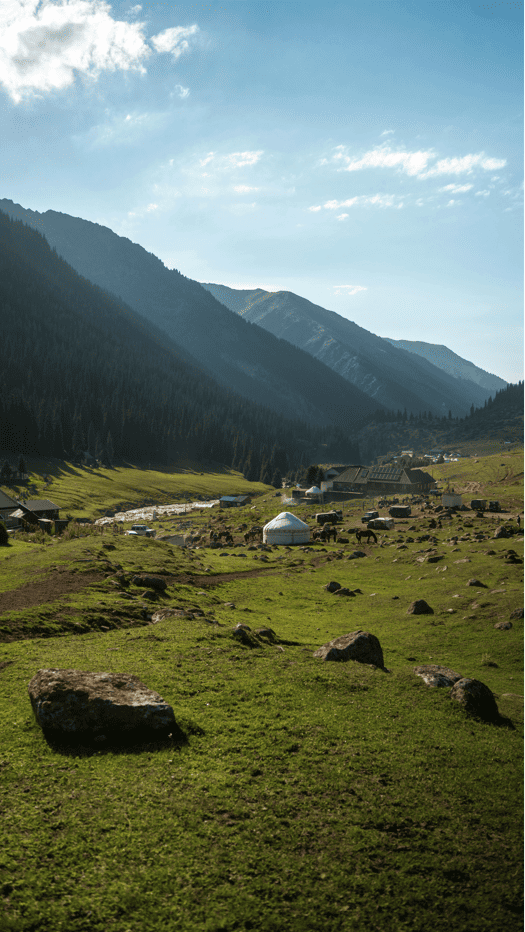
Some countries impress you with famous landmarks. Others stay with you because of how they make you feel. Kyrgyzstan belongs to the second category.
This is the kind of place where endless mountain ranges stretch beyond the horizon, horses run freely across green valleys, and travelers sleep in traditional yurts under skies filled with stars. It’s raw, adventurous, peaceful, and unlike almost anywhere else on Earth. And yet, despite its breathtaking landscapes and rich nomadic culture, Kyrgyzstan remains one of the most underrated countries in the world.
While tourists crowd famous European capitals or Southeast Asian beaches, Kyrgyzstan quietly offers experiences that feel far more authentic and unforgettable. You won’t find massive tourist crowds here. You won’t see endless souvenir shops or overpriced attractions. Instead, you’ll find untouched nature, warm hospitality, ancient traditions, and a sense of freedom that’s becoming increasingly rare in modern travel.
For travelers searching for adventure, mountains, culture, and affordable experiences, Kyrgyzstan may be one of the best hidden gems in Central Asia.
A. Why Kyrgyzstan Is One of the Most Underrated Countries to Visit
Most people know very little about Kyrgyzstan. Some travelers can’t even point to it on a map.
Located in Central Asia and surrounded by dramatic mountain ranges, Kyrgyzstan often gets overshadowed by more famous destinations nearby. But those who actually visit usually leave saying the same thing:
“This was one of the best trips of my life.”
The reason is simple. Kyrgyzstan feels untouched.
Modern tourism hasn’t transformed the country into a polished attraction built for visitors. Life still moves according to old traditions. Nomadic culture remains deeply connected to daily life. Remote villages sit beneath giant mountains exactly as they have for generations. And for travelers craving real adventure instead of carefully packaged tourism, that’s incredibly special.
B. The Mountains of Kyrgyzstan Are Absolutely Unreal
Over 90% of Kyrgyzstan is covered by mountains. That alone tells you what kind of destination this is.
The country is part of the massive Tian Shan mountain system, often called the “Celestial Mountains.” Snow-covered peaks rise dramatically above valleys filled with wildflowers, rivers, alpine lakes, and grazing horses.
Honestly, the landscapes here feel almost too beautiful to be real. And unlike famous mountain destinations in Switzerland or Austria, you can still explore huge areas without crowds.
C. One of the Best Cheap Travel Destinations for Adventure Lovers
Kyrgyzstan is also incredibly affordable. Compared to Europe or North America, travel costs here are surprisingly low.
Budget travelers can enjoy:
- Cheap guesthouses
- Affordable transportation
- Inexpensive local meals
- Budget-friendly trekking experiences
- Low-cost yurt stays
And despite the lower prices, the experiences often feel far more unique than expensive mainstream vacations. For adventure travelers, backpackers, photographers, and nature lovers, Kyrgyzstan offers extraordinary value.
D. Best Places to Visit in Kyrgyzstan
a. Karakol: Gateway to Adventure
Karakol is one of the country’s top adventure hubs.
Located near Issyk-Kul Lake, Karakol attracts hikers, trekkers, and outdoor lovers from around the world. The surrounding landscapes include alpine lakes, forests, valleys, and snowy peaks that look straight out of a fantasy film.
It’s also a great place to experience local guesthouses and mountain culture.
b. Ala-Kul Lake: One of Central Asia’s Most Beautiful Hikes
For hikers, reaching Ala-Kul is almost a rite of passage. The trek is challenging, but the reward is extraordinary — a glowing alpine lake surrounded by rugged mountain peaks.
The colors of the water constantly shift depending on sunlight and weather, ranging from deep blue to bright turquoise. And because tourism is still relatively limited, the trail often feels peaceful compared to famous hiking routes elsewhere in the world.
c. Jeti-Ögüz Valley
Jeti-Ögüz is famous for its dramatic red rock formations and beautiful green valleys. The contrast between the red cliffs and surrounding forests creates some of the most photogenic scenery in the country.
It’s especially stunning during sunrise and sunset.
E. Best Time to Visit Kyrgyzstan
The best time to visit Kyrgyzstan depends mostly on outdoor activities.
a. Summer (June–September)
The ideal season for trekking, lakes, and mountain travel. Yurt camps are fully active during this time.
b. Spring (April–May)
Beautiful green landscapes and fewer tourists, though some mountain routes remain snowy.
c. Autumn (September–October)
Excellent for photography and peaceful scenery with cooler temperatures.
d. Winter
Perfect for snow-covered landscapes and skiing near Karakol Ski Base.
For most travelers, July and August offer the best overall conditions.
F. Is Kyrgyzstan Safe for Tourists?
Yes — Kyrgyzstan is generally considered safe for travelers, especially those exploring popular tourist regions. Violent crime against tourists is relatively uncommon, and locals are usually welcoming and helpful toward visitors.
However, because much of the country is mountainous and remote, preparation is important for outdoor adventures.
Safety Tips:
- Avoid hiking alone in isolated regions
- Check weather conditions before mountain trips
- Use experienced guides for difficult treks
- Bring warm clothing even during summer
Mountain weather changes quickly. One moment can feel sunny and peaceful, and the next cold winds and rain can roll across the landscape.
G. Is Kyrgyzstan Safe for Tourists?
Yes — Kyrgyzstan is generally considered safe for travelers, especially those exploring popular tourist regions. Violent crime against tourists is relatively uncommon, and locals are usually welcoming and helpful toward visitors.
However, because much of the country is mountainous and remote, preparation is important for outdoor adventures.
Safety Tips:
- Avoid hiking alone in isolated regions
- Check weather conditions before mountain trips
- Use experienced guides for difficult treks
- Bring warm clothing even during summer
Mountain weather changes quickly. One moment can feel sunny and peaceful, and the next cold winds and rain can roll across the landscape.
For travelers searching for underrated countries, hidden gems, cheap adventure destinations, or unique experiences far from the crowds, Kyrgyzstan deserves serious attention. Because once more travelers discover places like Song-Kul, Ala-Kul, and the endless valleys of the Tian Shan mountains, this quiet Central Asian paradise may not stay undiscovered for long.
4. Slovenia – Europe’s Fairytale Hidden Gem
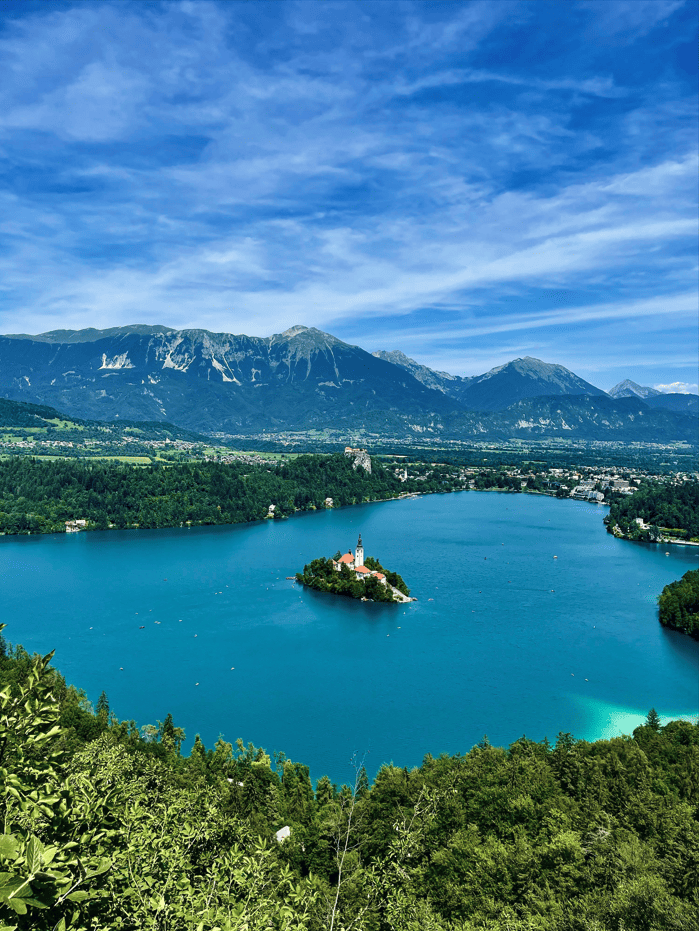
Picture emerald-green lakes surrounded by mountains, charming old towns with red rooftops, winding rivers cutting through peaceful valleys, and forests so beautiful they barely seem real. Then add castles perched on cliffs, hidden alpine villages, underground caves, and one of the cleanest capitals in Europe. That’s Slovenia. And somehow, despite all this beauty, many travelers still skip it while rushing toward Italy, Austria, or Croatia. Honestly, that’s hard to understand once you’ve been there.
Slovenia offers nearly everything people love about Europe — stunning nature, incredible scenery, outdoor adventure, rich culture, and excellent food — but without the overwhelming crowds that dominate many famous destinations.
It’s calm. It’s clean. It’s incredibly scenic. And it feels like a secret version of Europe that somehow escaped mass tourism. For travelers searching for underrated countries in Europe, Slovenia might quietly be one of the best choices of all.
A. Why Slovenia Is One of Europe’s Most Underrated Countries
One reason Slovenia remains overlooked is its size. It’s a relatively small country tucked between Italy, Austria, Croatia, and Hungary, so many travelers simply pass through it without realizing how much it offers. But what makes Slovenia special is how much variety fits into such a compact country.
In just a few hours, you can go from alpine lakes and snowy mountains to vineyards, caves, and Mediterranean-style coastal towns. And unlike many overcrowded European destinations, Slovenia still feels peaceful and manageable. You won’t spend your entire trip standing in endless lines or fighting massive tourist crowds for photos. Instead, Slovenia invites you to slow down and actually enjoy where you are.
B. Slovenia’s Nature Is Its Biggest Strength
One thing becomes clear very quickly while traveling through Slovenia: Nature is everywhere. Forests cover much of the country, rivers glow with surreal turquoise colors, and mountains dominate the landscape in every direction. For outdoor lovers, Slovenia is paradise.
a. Triglav National Park
Triglav National Park is one of Europe’s most beautiful national parks. Named after Mount Triglav, the country’s highest peak, the park is filled with alpine lakes, waterfalls, rivers, and hiking trails.
The landscapes here often remind travelers of Switzerland — except with fewer crowds and lower prices. Whether you enjoy hiking, cycling, rafting, or photography, this region offers endless adventure opportunities.
b. The Soča River
One of Slovenia’s most stunning natural wonders is the Soča River. The water is so clear and brightly turquoise that it almost looks artificial. The Soča Valley is famous for kayaking, rafting, hiking, and scenic drives through dramatic mountain landscapes.
Even people who normally don’t care much about rivers end up stopping constantly just to admire the color of the water. It’s genuinely that beautiful.
c. Piran: Slovenia’s Tiny Coastal Treasure
Most people don’t realize Slovenia even has a coastline. But the small seaside town of Piran is one of the country’s hidden gems.
With Venetian-style architecture, narrow alleys, seafood restaurants, and Adriatic Sea views, Piran feels almost like a miniature version of coastal Italy — but quieter and more relaxed. Watching sunset from the town walls is one of the most peaceful experiences in Slovenia.
d. Postojna Cave and Škocjan Caves
Slovenia is famous for its underground cave systems. Postojna Cave and Škocjan Caves are both extraordinary natural wonders filled with massive chambers, underground rivers, and surreal rock formations.
Exploring them feels like entering another world beneath the surface.
C. Slovenia’s Food Scene Deserves More Attention
Slovenian food doesn’t get as much international recognition as Italian or French cuisine, but it absolutely deserves more appreciation. Because Slovenia sits at the crossroads of several cultures, its food combines influences from Central Europe, the Balkans, the Mediterranean, and neighboring Italy and Austria.
Some dishes worth trying include:
- Kranjska klobasa – traditional Slovenian sausage
- Štruklji – rolled dumplings with various fillings
- Fresh trout from alpine rivers
- Local cheeses and cured meats
- Cream cake from Lake Bled
Slovenia also produces excellent wine, especially in regions like Brda, often compared to Tuscany — but with far fewer tourists.
Travel Tip: Small countryside restaurants often serve some of the best and most authentic meals.
D. Slovenia Is Surprisingly Affordable Compared to Western Europe
One reason Slovenia is becoming increasingly popular among travelers is value for money. Compared to nearby Italy, Austria, or Switzerland, Slovenia feels far more affordable while offering equally stunning scenery.
You can enjoy:
- Boutique hotels at reasonable prices
- Affordable public transportation
- Excellent food without huge restaurant bills
- Budget-friendly outdoor activities
- Beautiful accommodations near lakes and mountains
For travelers wanting a European experience without extreme costs, Slovenia is an excellent alternative.
E. Best Time to Visit Slovenia
Slovenia is beautiful year-round, but each season offers a different experience.
a. Spring (April–June)
Perfect for green landscapes, flowers, hiking, and mild weather.
b. Summer (July–August)
Ideal for lakes, mountains, rivers, and outdoor activities.
c. Autumn (September–October)
Beautiful fall colors, wine season, and fewer tourists.
d. Winter
Excellent for snowy alpine scenery and winter sports. For most travelers, late spring and early autumn provide the best balance of pleasant weather and smaller crowds.
More travelers are slowly discovering its lakes, mountains, rivers, caves, and charming cities every year. And once people experience how beautiful and peaceful the country is, they almost always want to return. Because once you experience Slovenia’s quiet beauty for yourself, it becomes very difficult to understand why it took the world so long to notice it.
5. Laos – Southeast Asia’s Relaxed Escape
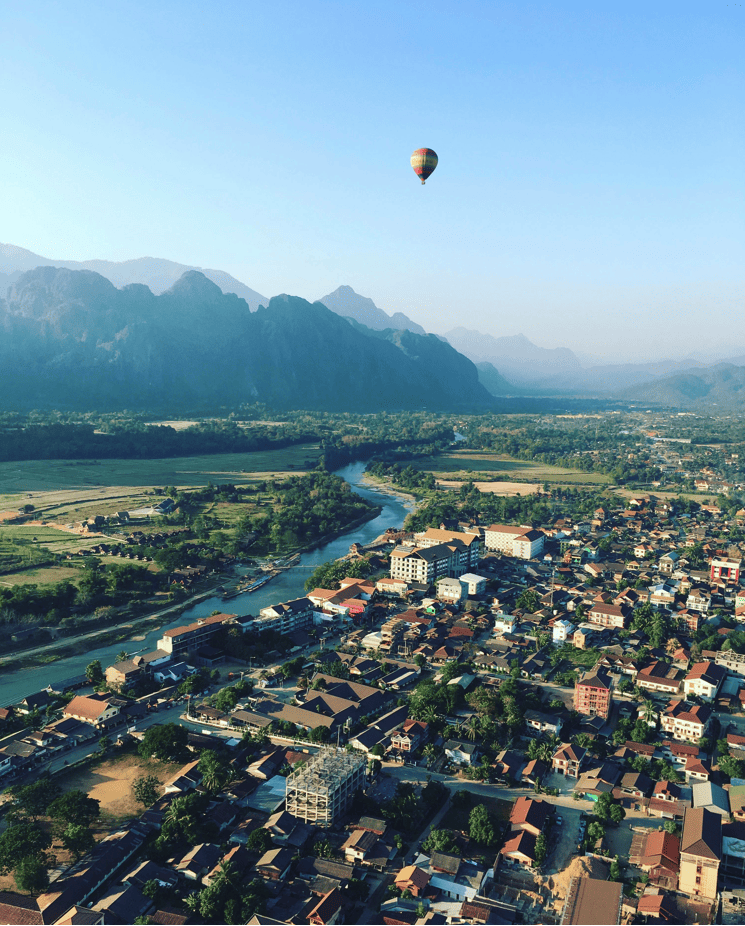
In a region where places like Thailand and Vietnam attract massive crowds every year, Laos remains calm, gentle, and surprisingly untouched. Life moves slower here. Rivers flow quietly past sleepy towns, monks walk silently through misty streets at sunrise, and mountains rise above villages where traditions still shape everyday life. Traveling through Laos doesn’t feel rushed. It feels peaceful. And honestly, that’s exactly why so many travelers end up falling in love with it.
Laos may not have the flashy nightlife of Thailand or the fast-paced energy of Vietnam, but what it offers instead is something many travelers are secretly searching for: authenticity, simplicity, and space to breathe.
A. Laos Is Perfect for Slow Travel
One thing travelers notice immediately in Laos is the pace of life. Everything moves slower here. And strangely enough, that becomes one of the country’s greatest strengths.
People sit longer in cafés. Conversations feel more relaxed. Bus journeys take time. Meals aren’t rushed. Sunsets become events instead of quick photo opportunities. Laos forces you to slow down in the best possible way. For travelers exhausted by crowded itineraries and fast-moving tourism, this country feels refreshing.
You stop trying to “check off attractions” and start actually experiencing where you are.
B. Hidden Gems in Laos
a. Nong Khiaw: Laos at Its Most Peaceful
Nong Khiaw is one of those places travelers hesitate to tell others about because they want it to stay quiet. Surrounded by dramatic limestone mountains and divided by a peaceful river, Nong Khiaw feels wonderfully untouched.
Life here is simple:
- Sunrise mountain hikes
- Hammocks overlooking rivers
- Small cafés
- Boat rides
- Quiet evenings under the stars
It’s one of the best places in Laos to completely disconnect from busy modern life.
b. Luang Prabang: One of Southeast Asia’s Most Beautiful Towns
If there’s one place that captures the soul of Laos perfectly, it’s Luang Prabang. This UNESCO-listed town sits between rivers and mountains, filled with golden temples, French colonial architecture, cafés, night markets, and peaceful streets shaded by palm trees. The atmosphere here feels almost timeless.
At sunrise, monks dressed in bright orange robes walk silently through the streets collecting alms from locals. In the evenings, lanterns glow softly above the night market while the smell of grilled street food fills the air. Unlike overcrowded tourist cities elsewhere in Southeast Asia, Luang Prabang still feels relaxed and deeply connected to its traditions. It’s the kind of place where travelers plan to stay for two days and accidentally stay for a week.
Travel Tip: Wake up early at least once to witness the morning alms-giving ceremony respectfully and quietly.
c. Kuang Si Falls: The Waterfall That Looks Too Beautiful to Be Real
Just outside Luang Prabang lies Kuang Si Falls — one of the most stunning waterfalls in Southeast Asia. The water here is an unreal shade of turquoise-blue, flowing through multiple jungle pools surrounded by lush forest. Photos genuinely don’t do it justice.
You can swim in many of the lower pools, relax beside the water, or hike nearby trails through the forest. Early morning visits are especially magical before larger tour groups arrive. The peaceful sound of flowing water mixed with jungle surroundings creates one of those rare travel moments where everything feels calm and perfect.
d. Vang Vieng: From Backpacker Party Town to Adventure Paradise
Years ago, Vang Vieng was mostly known for backpacker parties and tubing culture. Today, it has transformed into one of the most beautiful outdoor destinations in Laos.
Massive limestone mountains surround the town, creating landscapes that almost resemble scenes from a fantasy movie. Rivers cut through green valleys, caves hide beneath cliffs, and hot air balloons drift across the sky during sunset.
Adventure lovers can enjoy:
- Kayaking
- Hiking
- Rock climbing
- Cave exploration
- Lagoon swimming
- Motorcycle rides through the countryside
Despite becoming more popular in recent years, Vang Vieng still feels far less crowded than many tourist hotspots in Thailand or Bali.
e. The 4000 Islands
In southern Laos, the Si Phan Don region — also known as the 4000 Islands — offers another side of the country. Here, tiny river islands sit along the Mekong River, creating a slow and peaceful atmosphere where travelers spend days cycling, watching sunsets, and relaxing in hammocks.
It’s one of Southeast Asia’s best destinations for doing almost nothing — and loving every second of it.
C. The Food in Laos Deserves More Attention
Laotian cuisine is often overshadowed by Thai or Vietnamese food, but it deserves far more recognition. The flavors are fresh, herbal, spicy, and deeply satisfying.
Some must-try dishes include:
- Laap – a flavorful minced meat salad considered the national dish
- Khao Soi – noodle soup popular in northern Laos
- Sticky rice served with almost every meal
- Fresh river fish
- Grilled meats and street food
- Papaya salad with intense local flavors
Food in Laos often feels homemade and authentic rather than commercialized for tourists. Night markets are especially great places to try local dishes at affordable prices.
Travel Tip: Don’t be afraid to eat at busy local street stalls — they often serve the best food.
D. Laos Is One of the Cheapest Travel Destinations in Asia
For budget travelers, Laos is incredibly appealing. Compared to many major tourist destinations, costs remain relatively low.
You can often find:
- Affordable guesthouses
- Cheap local meals
- Budget-friendly transportation
- Inexpensive adventure activities
- Low-cost cafés and markets
And despite the lower prices, the experiences feel incredibly rich and memorable. Laos proves that meaningful travel doesn’t have to be expensive.
E. Best Time to Visit Laos
The best time to visit Laos depends on weather and travel style.
a. November to February
This is generally considered the best season, with cooler temperatures and pleasant weather.
b. March to May
Very hot in many areas, though mountain regions remain more comfortable.
c. June to October
Rainy season brings lush green landscapes and fewer tourists, though transportation can become slower. For most travelers, December and January offer the ideal balance of weather and comfort.
F. What Makes Laos Truly Special
The beauty of Laos isn’t dramatic in an obvious way. It’s softer.
It’s the golden glow of temples at sunset. The quiet smiles of monks passing through morning streets. The sound of rain falling over jungle mountains. The slow rhythm of boats moving along the Mekong River.
Traveling here feels calming. Laos reminds people that travel doesn’t always need to be fast, loud, or packed with endless activities to be meaningful. Sometimes the best experiences come from slowing down enough to truly notice where you are.
6. Montenegro – The Balkans’ Coastal Secret
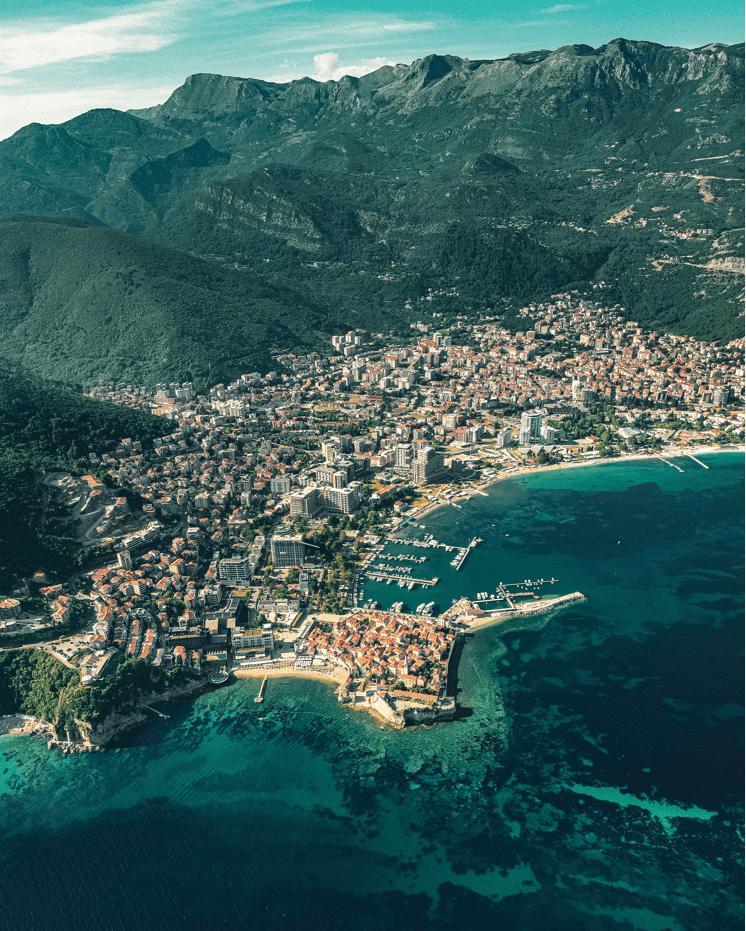
Tucked along the Adriatic coast between Croatia and Albania, Montenegro combines dramatic mountains, medieval towns, crystal-clear water, scenic coastal roads, and peaceful national parks into one surprisingly small country. And somehow, despite looking like a mix of Norway, Croatia, and Italy blended together, Montenegro still gets overlooked by many travelers. That’s exactly what makes it special.
While nearby destinations like Croatia’s Dubrovnik or Italy’s Amalfi Coast struggle with overtourism during summer, Montenegro still offers moments of quiet beauty and authenticity. You can explore ancient stone towns without massive crowds, swim in turquoise bays surrounded by mountains, and enjoy incredible scenery without spending a fortune.
For travelers searching for underrated countries in Europe, Montenegro might be one of the continent’s best hidden gems. And once you see the landscapes for yourself, it becomes difficult to understand why more people aren’t talking about it already.
A. Hidden Gems in Montenegro
a. Lake Skadar
Lake Skadar is one of the Balkans’ most underrated natural areas. Shared with Albania, the lake is filled with wetlands, birds, small fishing villages, and peaceful boat routes. Sunset boat rides here feel incredibly calm and romantic.
b. Lovćen National Park
Lovćen National Park offers panoramic mountain views and winding roads that many travelers consider among the most scenic drives in Europe. The viewpoints overlooking the Bay of Kotor are absolutely breathtaking.
B. Montenegro’s Beaches Are Shockingly Beautiful
Most people don’t realize Montenegro has some of the most beautiful beaches in the Balkans. And unlike heavily crowded Mediterranean destinations, many beaches here still feel relatively relaxed.
a. Budva: Montenegro’s Coastal Hotspot
Budva is Montenegro’s most famous beach destination. The town combines nightlife, beaches, historic streets, and seaside restaurants into one lively coastal hub.
During summer, Budva becomes energetic and vibrant, attracting travelers from across Europe. But beyond the nightlife, Budva’s Old Town is genuinely charming — filled with narrow alleys, stone walls, and beautiful Adriatic views.
b. Sveti Stefan: Montenegro’s Most Iconic View
One of the country’s most photographed spots is Sveti Stefan. This tiny island village connected to the mainland by a narrow strip of land looks almost unreal from a distance.
Even travelers who don’t stay at the luxury resort nearby often stop simply to admire the scenery and take photos from the coastal viewpoints above. At sunset, the entire area glows golden against the blue Adriatic Sea.
C. Montenegro’s Mountains Are Just as Incredible as the Coast
While the coastline gets most of the attention, Montenegro’s mountains may actually be the country’s greatest hidden treasure.
a. Durmitor National Park
Durmitor National Park is one of the most beautiful natural areas in the Balkans. The landscape here feels completely different from the coast — rugged peaks, glacial lakes, pine forests, deep canyons, and peaceful mountain villages. For hikers and outdoor lovers, it’s paradise.
The famous Black Lake is especially beautiful early in the morning when the surrounding mountains reflect perfectly on the water. And then there’s the Tara River Canyon.
b. Tara River Canyon: Europe’s Hidden Natural Wonder
Tara River Canyon is one of the deepest canyons in Europe. The turquoise river cuts dramatically through towering cliffs, creating scenery that feels almost untouched.
Rafting here is one of the most exciting experiences in Montenegro. Even travelers who usually avoid adventure sports often end up loving it because the scenery alone is unforgettable.
D. Best Time to Visit Montenegro
Montenegro changes beautifully throughout the year.
a. Summer (June–August)
Best for beaches and coastal towns, though July and August can become busier.
b. Spring (April–May)
Perfect for sightseeing, road trips, and pleasant weather.
c. Autumn (September–October)
Arguably the best overall season with warm temperatures and fewer crowds.
d. Winter
Excellent for mountain scenery and winter sports in northern regions. September is often considered the ideal month to visit.
E. Local Food and Balkan Hospitality
Montenegrin cuisine combines Mediterranean flavors with Balkan traditions. Along the coast, seafood dominates menus — grilled fish, octopus, mussels, and fresh local ingredients are everywhere. In the mountains, meals become heartier with grilled meats, cheeses, smoked ham, and homemade bread.
Some dishes worth trying include:
- Fresh Adriatic seafood
- Njeguški pršut (local smoked ham)
- Balkan grilled meats
- Burek pastries
- Local wines and rakija
And just like much of the Balkans, hospitality is deeply important in Montenegro. Locals are often welcoming, relaxed, and surprisingly eager to help visitors discover their country.
Montenegro doesn’t try too hard to impress travelers with giant attractions or flashy tourism. Instead, it quietly surprises people through atmosphere, scenery, and simplicity.
It’s the slow sunsets over the Bay of Kotor. The sound of church bells echoing through stone streets. The mountain air in Durmitor. The calm feeling of watching fishing boats drift across the Adriatic. Those moments stay with people long after the trip ends.
7. Madagascar – Africa’s Unique Island Adventure
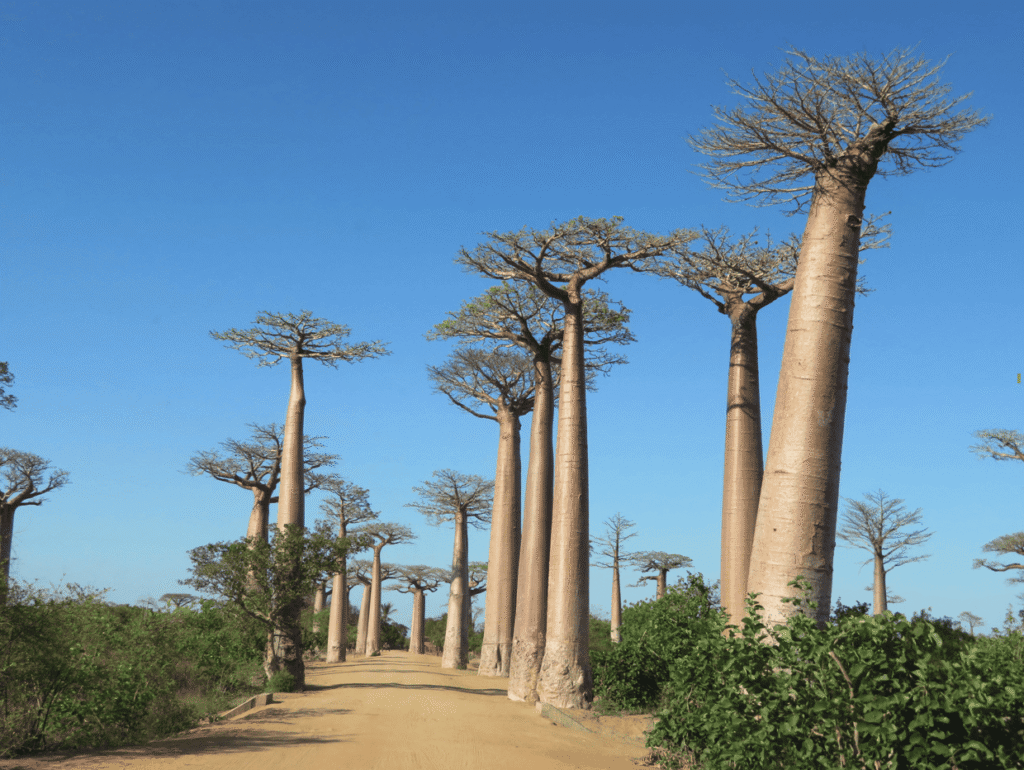
Located off the southeastern coast of Africa, Madagascar is one of the most unique places on Earth — a country filled with giant baobab trees, surreal rock formations, rainforest-covered mountains, empty beaches, rare wildlife, and landscapes that seem almost prehistoric.
Traveling through Madagascar doesn’t feel like visiting a normal destination. It feels like stepping into another world. And despite being one of the most biodiverse countries on the planet, Madagascar still remains surprisingly overlooked by mainstream tourism. While travelers crowd safari parks or famous tropical islands, Madagascar quietly offers experiences that feel far more raw, adventurous, and unforgettable.
This is the only place in the world where you can watch wild lemurs leap through ancient forests in the morning, drive past massive baobab trees at sunset, and relax on untouched beaches without crowds by evening. For travelers searching for underrated countries, hidden natural wonders, and once-in-a-lifetime adventures, Madagascar may be one of the most extraordinary destinations on Earth.
A. Madagascar Is an Adventure Destination, Not a Luxury One
Traveling through Madagascar is not always easy. Roads can be rough. Transportation takes time. Infrastructure in remote regions can be limited. But honestly, that’s part of what makes the experience feel real.
Madagascar rewards travelers who enjoy adventure, unpredictability, and exploration. This is not the kind of destination where everything is perfectly polished for tourism. Instead, it feels wild and authentic. For many travelers, that becomes the most memorable part of the journey.
B. Best Places to Visit in Madagascar
a. Nosy Be: Madagascar’s Tropical Island Paradise
While Madagascar is famous for wildlife, it also has stunning beaches. Nosy Be is one of the country’s most popular island destinations, known for turquoise water, palm trees, coral reefs, and relaxed tropical atmosphere. Compared to overcrowded beach destinations elsewhere in the world, Nosy Be still feels peaceful and authentic.
Activities here include:
- Snorkeling
- Diving
- Whale watching
- Island hopping
- Sunset boat trips
The surrounding smaller islands often feel almost untouched. And because tourism remains relatively limited, beaches rarely feel overly crowded.
b. Tsingy de Bemaraha: Madagascar’s Most Surreal Landscape
One of the most extraordinary places in the country is Tsingy de Bemaraha. This UNESCO-listed national park contains massive limestone rock formations that rise sharply from the ground like giant stone forests. The landscape looks almost alien.
Sharp gray pinnacles stretch across the horizon while suspension bridges and narrow paths allow travelers to explore the formations carefully. It’s one of those rare destinations where photos genuinely struggle to capture how strange and dramatic the scenery feels in person.
c. Andasibe-Mantadia National Park
Andasibe-Mantadia National Park is one of the easiest places to experience Madagascar’s rainforest wildlife. The park is famous for the indri — the largest living lemur species, known for its haunting calls echoing through the forest. Walking through these rainforests feels immersive and alive in every direction.
d. Île Sainte-Marie
Île Sainte-Marie is a peaceful tropical island off Madagascar’s east coast. The island is especially famous for whale watching during migration season, when humpback whales pass nearby. It’s also perfect for travelers looking for quiet beaches without large resorts or heavy tourism.
e. Ranomafana National Park
Ranomafana National Park offers lush rainforest landscapes, waterfalls, hot springs, and rare wildlife. The atmosphere here feels incredibly wild and untouched.
C. Best Time to Visit Madagascar
The ideal time depends on what you want to experience.
a. April to October
Generally considered the best season with drier weather and easier travel conditions.
b. July to September
Excellent for whale watching near Île Sainte-Marie.
c. November to March
Rainy season, with cyclones possible in some regions. For most travelers, May through October offers the best balance of weather and wildlife experiences.
D. Malagasy Culture and Local Life
Madagascar’s culture is shaped by a fascinating mix of African and Asian influences. The Malagasy people are known for being warm, welcoming, and deeply connected to tradition.
Local markets, villages, and festivals offer glimpses into daily life that feel far removed from modern tourism. Rice is central to most meals, often served with meat, seafood, vegetables, or flavorful sauces.
Some foods worth trying include:
- Fresh seafood along the coast
- Malagasy-style rice dishes
- Coconut-based curries
- Tropical fruits
- Street snacks from local markets
Travel Tip: Learning a few simple French phrases can help a lot since French is widely spoken.
Madagascar remains one of the most unique and underrated countries on Earth. It offers breathtaking wildlife, surreal landscapes, rich culture, beautiful beaches, and unforgettable adventures far from mainstream tourism. But like many hidden gems around the world, Madagascar is slowly changing as more travelers begin to discover it.
8. Bosnia and Herzegovina – Europe’s Cultural Treasure
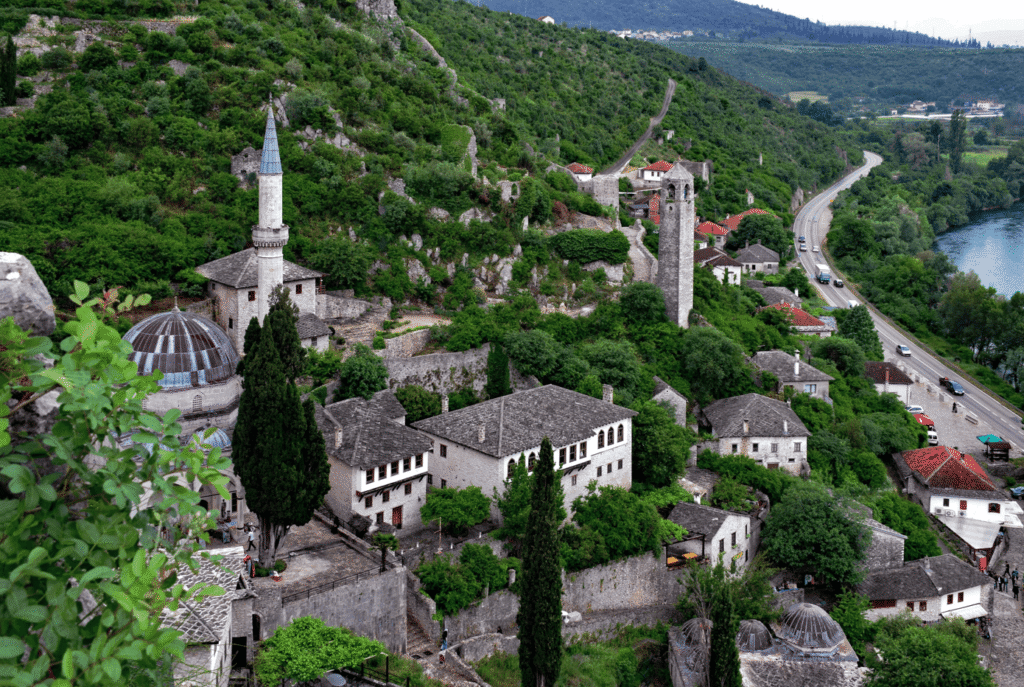
Most travelers visiting the Balkans rush toward Croatia’s coastline or Greece’s islands, while Bosnia and Herzegovina often gets overlooked in between. But those who actually visit usually leave wondering why this country isn’t far more popular.
This is a country where Ottoman-era towns sit beside turquoise rivers, waterfalls crash through forests, mountains stretch endlessly across the landscape, and cafés stay full for hours because people genuinely enjoy slowing down and talking. It’s beautiful, emotional, affordable, and deeply layered with history.
Traveling through Bosnia and Herzegovina doesn’t feel polished or commercialized. It feels real. And that authenticity is exactly what makes it unforgettable. For travelers searching for underrated countries in Europe, hidden gems, meaningful cultural experiences, and stunning natural scenery without overwhelming crowds, Bosnia and Herzegovina may be one of Europe’s greatest surprises.
A. Hidden Gems in Bosnia and Herzegovina
a. Sarajevo: One of Europe’s Most Fascinating Capitals
The capital city of Sarajevo is unlike anywhere else in Europe. Walking through Sarajevo feels like moving between different worlds within a few streets. One moment you’re standing beside Ottoman-style bazaars filled with copper shops and cafés serving strong Bosnian coffee. A few minutes later, you’re surrounded by Austro-Hungarian buildings that feel more Central European.
This mix gives Sarajevo an atmosphere that feels deeply unique. But beyond its architecture, Sarajevo carries emotional weight. The city has survived wars, sieges, and immense hardship, yet somehow still feels warm, welcoming, and alive. Locals are often incredibly open and eager to share stories about their city and culture. And then there’s the café culture. People in Sarajevo genuinely know how to slow down. Coffee isn’t rushed here. Conversations last hours. Life moves at a gentler pace.
Travel Tip: Spend time simply wandering the old town area called Baščaršija without a strict plan. That’s when Sarajevo feels most magical.
b. Mostar: Bosnia’s Most Iconic Destination
If there’s one image most associated with Bosnia and Herzegovina, it’s probably Mostar. The city is famous for the stunning Stari Most — a historic stone bridge arching gracefully above the emerald-green Neretva River. Seeing it in person feels even more beautiful than the photos.
The bridge connects the old sections of the city while symbolizing resilience and recovery after war. Around it, stone streets wind through markets, cafés, and riverside restaurants with incredible views. During summer, local divers leap dramatically from the bridge into the cold river below — a tradition that attracts crowds from around the world. But Mostar is more than just the bridge.
The atmosphere at sunset is unforgettable. Warm golden light reflects off the stone buildings while the call to prayer echoes softly across the river. It’s one of the most atmospheric places in the Balkans.
c. Blagaj Tekke
Blagaj Tekke is one of the most peaceful places in the country. This historic Dervish monastery sits dramatically beside a turquoise spring flowing directly from a cliff cave. The scenery feels calm, spiritual, and almost dreamlike.
d. Jajce
Jajce is one of Bosnia’s most underrated towns. Unlike many cities, Jajce has a waterfall right in the center of town, creating an incredibly unique atmosphere. The surrounding area also contains lakes, old fortresses, and peaceful countryside scenery.
e. Trebinje
Located near the border with Croatia, Trebinje feels warm, Mediterranean, and wonderfully relaxed. Stone bridges, riverside cafés, and old-town streets make it one of the Balkans’ hidden gems.
B. Bosnia Is One of Europe’s Most Affordable Destinations
One of Bosnia and Herzegovina’s biggest advantages is affordability. Compared to Western Europe, travel costs here remain surprisingly low.
You can enjoy:
- Affordable hotels and guesthouses
- Cheap and delicious local food
- Budget-friendly transportation
- Inexpensive cafés
- Scenic experiences without high tourist prices
For backpackers, digital nomads, and budget-conscious travelers, Bosnia offers incredible value. And unlike some cheap travel destinations that lack atmosphere, Bosnia feels rich in culture, history, and beauty.
C. Best Time to Visit Bosnia and Herzegovina
Bosnia is beautiful throughout the year, but different seasons offer different experiences.
a. Spring (April–June)
Perfect for waterfalls, green landscapes, and comfortable temperatures.
b. Summer (July–August)
Best for festivals, rivers, and mountain adventures.
c. Autumn (September–October)
Beautiful fall colors and fewer tourists.
d. Winter
Excellent for snowy mountain scenery and skiing near Sarajevo. For most travelers, late spring and early autumn are ideal.
D. Bosnian Food Is Comforting and Unforgettable
Food in Bosnia and Herzegovina is deeply comforting and heavily influenced by Ottoman and Balkan traditions. Meals here are flavorful, hearty, and often made slowly using traditional recipes.
Some must-try dishes include:
- Ćevapi – grilled minced meat served with flatbread
- Burek – flaky pastry filled with meat or cheese
- Begova Čorba – traditional Bosnian soup
- Bosnian coffee served in traditional copper sets
- Fresh grilled meats and homemade breads
One of the best parts about Bosnian food culture is the atmosphere surrounding meals. People take their time eating. Restaurants feel social and relaxed rather than rushed.
Travel Tip: Try local family-run restaurants instead of only tourist spots. The food often tastes far more authentic.
E. Bosnia’s Nature Is Wildly Underrated
Many travelers visit Bosnia for its cities and history, then leave shocked by how beautiful the landscapes are. Mountains, rivers, forests, and waterfalls cover huge parts of the country. And unlike famous alpine destinations elsewhere in Europe, much of Bosnia’s nature still feels untouched.
a. Kravica Waterfalls: Bosnia’s Hidden Paradise
Kravica Waterfalls is one of the country’s most beautiful natural attractions. The waterfalls spill into a large emerald pool surrounded by green forest, creating scenery that feels almost tropical during summer.
Visitors can swim beneath the falls, relax by the water, or simply enjoy the peaceful atmosphere. Compared to famous waterfall destinations elsewhere in Europe, Kravica still feels relatively uncrowded and relaxed.
b. Sutjeska National Park
For outdoor lovers, Sutjeska National Park is one of the Balkans’ hidden treasures. The park contains ancient forests, dramatic mountains, hiking trails, and remote landscapes that feel completely untouched.
It’s also home to Perućica, one of the last remaining primeval forests in Europe. Traveling through these landscapes feels adventurous and peaceful at the same time.
F. What Makes Bosnia and Herzegovina Truly Special
Bosnia’s beauty isn’t only visual. It’s emotional.
This is a country shaped by resilience, history, culture, and human connection. The landscapes are beautiful, but it’s the atmosphere that truly affects people. You notice it while hearing church bells and the call to prayer echo together across Sarajevo. You notice it while drinking coffee beside rivers in Mostar. You notice it in conversations with locals who speak honestly about both hardship and hope.
Bosnia and Herzegovina feels deeply alive. And in many ways, that makes it one of the most memorable countries in Europe.
9. Nicaragua – Central America’s Budget Gem
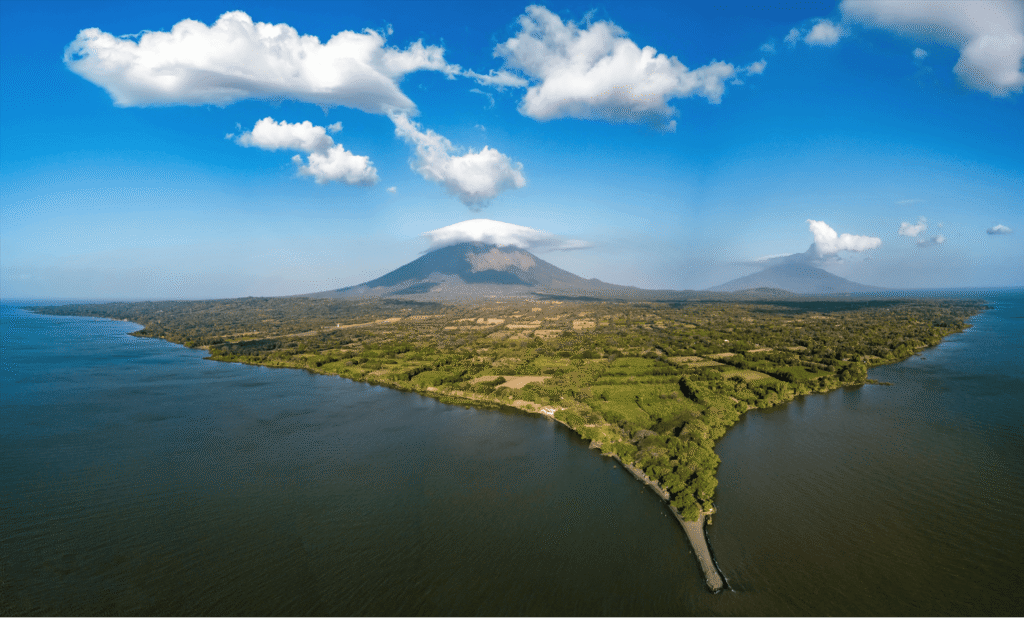
Nicaragua is filled with volcanoes, colonial cities, jungle landscapes, surf beaches, massive lakes, colorful markets, and dramatic scenery that often feels surprisingly untouched. It’s raw, vibrant, affordable, and far less commercialized than many famous destinations nearby. And that’s exactly what makes it unforgettable.
Traveling through Nicaragua feels like discovering a version of Central America that still hasn’t been completely shaped around tourism. You’ll find local life everywhere, breathtaking nature without massive crowds, and experiences that feel adventurous instead of carefully packaged.
A. Hidden Gems in Nicaragua
a. Granada: Nicaragua’s Colorful Colonial Gem
One of the best places to visit in Nicaragua is Granada. Located beside massive Lake Nicaragua, Granada is one of the oldest colonial cities in the Americas. Brightly colored buildings line cobblestone streets while horse-drawn carriages pass historic churches and lively plazas.
The atmosphere feels warm, vibrant, and relaxed. During the day, travelers wander through local markets, rooftop cafés, and colonial streets glowing beneath tropical sunlight. At night, music drifts through open-air restaurants while locals gather in plazas eating street food and talking for hours. Granada feels alive in a very natural way. It’s tourist-friendly without losing its authenticity.
Travel Tip: Climb the bell tower at Iglesia de la Merced for one of the best sunset views in the city.
b. Volcano Adventures in Nicaragua Feel Unreal
Nicaragua is often called the “Land of Lakes and Volcanoes,” and once you arrive, you quickly understand why. Volcanoes dominate the landscape across much of the country. Some are active. Some can be hiked. Some even allow activities you can barely do anywhere else in the world.
c. Ometepe Island: A Hidden Paradise in the Middle of a Lake
Perhaps Nicaragua’s most magical destination is Ometepe. This island sits inside Lake Nicaragua and is formed by two giant volcanoes rising dramatically above the water. The scenery feels almost mythical.
Life on Ometepe moves slowly. Dirt roads wind through forests, farms, and villages where horses roam freely and sunsets light up the lake beneath volcanic silhouettes.
Travelers come here for:
- Volcano hikes
- Waterfalls
- Kayaking
- Wildlife
- Yoga retreats
- Quiet lakeside stays
But honestly, many people fall in love with Ometepe simply because of the atmosphere. It feels peaceful in a way that’s increasingly difficult to find.
d. León: Nicaragua’s Creative and Historic Soul
León feels more artistic, youthful, and energetic than Granada. Filled with murals, churches, galleries, and student culture, León has a lively atmosphere balanced by deep history.
The massive León Cathedral is especially impressive, with rooftop views that look stunning during sunset. León is also one of the best bases for volcano adventures.
e. Laguna de Apoyo
Laguna de Apoyo is a beautiful volcanic crater lake surrounded by forest. The water is warm, calm, and perfect for swimming or kayaking.
Compared to crowded resort destinations, the atmosphere here feels wonderfully peaceful.
f. Corn Islands
For Caribbean-style beaches far from mass tourism, the Corn Islands are incredible. Crystal-clear water, palm trees, snorkeling, and laid-back island life create a completely different atmosphere from mainland Nicaragua.
Little Corn Island, in particular, feels wonderfully disconnected from modern stress.
B. Nicaragua Is One of the Best Cheap Travel Destinations
One of Nicaragua’s biggest advantages is affordability. Compared to Costa Rica or many Caribbean destinations, travel costs here remain surprisingly low.
You can enjoy:
- Budget-friendly hotels and hostels
- Cheap local meals
- Affordable adventure tours
- Inexpensive transportation
- Beautiful nature experiences without high entry costs
For backpackers, long-term travelers, and digital nomads, Nicaragua offers incredible value. And unlike some budget destinations that lack atmosphere, Nicaragua feels rich in culture, scenery, and adventure.
C. Best Time to Visit Nicaragua
Nicaragua has tropical weather, so timing matters depending on your travel style.
a. November to April
Dry season and the best overall time to visit for beaches, volcanoes, and outdoor activities.
b. May to October
Rainy season brings greener landscapes and fewer tourists, though heavy rain can affect travel plans. For most travelers, December through March offers ideal conditions.
D. Local Food and Nicaraguan Culture
Nicaraguan food is simple, hearty, and deeply connected to local traditions. Meals often revolve around rice, beans, grilled meats, fresh cheese, tortillas, and tropical fruits.
Some must-try foods include:
- Gallo Pinto – rice and beans considered a national staple
- Fresh seafood along the coast
- Fried plantains
- Local street snacks
- Tropical fruit juices
One thing travelers often remember most is the warmth of local people. Nicaraguans are generally friendly, welcoming, and proud of their country. Outside major tourist areas, interactions still feel genuine rather than commercialized.
E. What Makes Nicaragua Truly Special
The beauty of Nicaragua isn’t only in its landscapes. It’s in the feeling of freedom the country gives travelers.
You notice it while driving past volcanoes beneath dramatic skies. You notice it during quiet evenings beside Lake Nicaragua. You notice it while watching surfers disappear into orange sunsets on the Pacific coast.
Travel here feels adventurous without being overwhelming. There’s still unpredictability, spontaneity, and authenticity — things many popular destinations gradually lose as tourism grows. Nicaragua reminds travelers what exploration is supposed to feel like.
10. Uzbekistan – Silk Road History Comes Alive
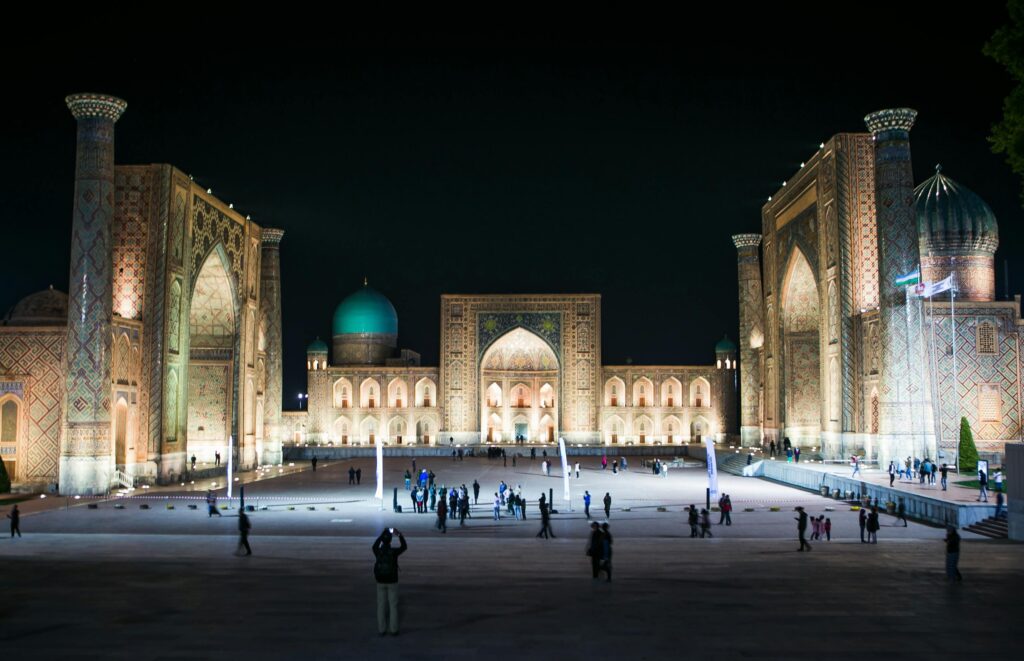
Uzbekistan amazes travelers with history so grand and architecture so beautiful that it almost feels unreal.
This is the heart of the ancient Silk Road — a country filled with dazzling blue-tiled mosques, massive madrasas, desert fortresses, bustling bazaars, and cities that once connected civilizations across Asia, the Middle East, and Europe. And somehow, despite being home to some of the most breathtaking historical sites on Earth, Uzbekistan still remains one of the most underrated travel destinations in the world.
While tourists crowd famous European capitals or Middle Eastern hotspots, Uzbekistan quietly offers something far more unique: the feeling of stepping directly into history. Walking through its ancient cities doesn’t feel like visiting museums. It feels like entering another era.
For travelers searching for underrated countries, rich culture, stunning architecture, affordable travel, and authentic experiences far from mass tourism, Uzbekistan may be one of the most unforgettable destinations you can visit.
A. Hidden Gems in Uzbekistan
a. Samarkand: One of the Most Beautiful Cities on Earth
If there’s one place that defines Uzbekistan, it’s Samarkand. This legendary Silk Road city feels almost mythical when you first see it.
Massive blue domes rise above ancient streets while intricate mosaics cover buildings in patterns so detailed they barely seem possible. The scale of the architecture feels overwhelming in the best way. At the center of it all is Registan — one of the most stunning public squares in the world.
Surrounded by three enormous madrasas decorated with dazzling turquoise tiles and geometric artwork, the Registan looks especially magical at sunset when golden light reflects across the mosaics. Photos don’t fully prepare you for the feeling of standing there in person. The place genuinely feels timeless.
Travel Tip: Visit the Registan both during the day and again at night when the buildings are illuminated. The atmosphere completely changes.
b. Bukhara: The Ancient City That Feels Frozen in Time
While Samarkand impresses visitors with grandeur, Bukhara wins people over through atmosphere. Bukhara feels ancient in the most beautiful way possible. Its historic center is filled with narrow alleyways, old mosques, caravanserais, domes, and quiet courtyards that seem untouched by time. Walking through the city early in the morning before crowds arrive feels almost surreal.
Unlike many historical cities modernized heavily around tourism, Bukhara still feels deeply authentic. People still live, work, and gather around centuries-old buildings as part of everyday life. At night, warm lights illuminate the old stone streets while cafés fill with travelers drinking tea beneath ancient architecture. It’s one of the most atmospheric places in Central Asia.
c. Khiva: The Desert Fairytale City
If Samarkand feels majestic and Bukhara feels atmospheric, Khiva feels like a fantasy movie set. Surrounded by thick desert walls, Khiva’s old city looks almost perfectly preserved from another century.
Minarets, palaces, mosques, and tiled courtyards create a compact city that travelers can explore entirely on foot. The architecture here is extraordinary — especially the deep turquoise and blue tilework glowing beneath desert sunlight. Walking through Khiva at sunrise or after dark when the streets become quiet feels magical. It’s one of those rare places where modern life fades away completely for a while.
B. Uzbekistan’s Architecture Is Absolutely Unreal
One of the biggest surprises for first-time visitors is the sheer beauty of Uzbek architecture. The craftsmanship feels astonishing.
Buildings are covered in:
- Intricate mosaics
- Geometric tilework
- Arabic calligraphy
- Giant turquoise domes
- Massive wooden doors
- Ornamental courtyards
And unlike some heavily visited historical destinations, you can still experience many places without overwhelming crowds. Travelers often describe Uzbekistan as one of the most photogenic countries they’ve ever visited. Honestly, it’s difficult to disagree.
C. Uzbekistan Is Surprisingly Affordable
One of Uzbekistan’s biggest advantages is affordability. Compared to many famous historical destinations around the world, travel costs here remain relatively low.
You can often enjoy:
- Beautiful boutique hotels at affordable prices
- Cheap train travel between cities
- Budget-friendly restaurants
- Inexpensive guided tours
- Historic accommodations inside ancient cities
For travelers interested in culture and history, Uzbekistan offers incredible value.
D. Uzbek Food Is Rich, Comforting, and Deeply Cultural
Uzbek cuisine reflects the country’s Silk Road history and Central Asian traditions. Meals are hearty, flavorful, and designed around hospitality and sharing.
Some must-try dishes include:
- Plov – Uzbekistan’s famous rice dish cooked with meat, carrots, and spices
- Samsa – baked pastries filled with meat or vegetables
- Freshly baked bread called non
- Lagman noodles
- Grilled kebabs
- Green tea served throughout the day
Food portions are usually generous, and meals often become long social experiences rather than rushed dinners.
Travel Tip: Try traditional plov at local restaurants instead of only tourist spots for the most authentic experience.
E. Best Time to Visit Uzbekistan
Uzbekistan experiences hot summers and cooler winters, so timing matters.
a. Spring (April–May)
One of the best seasons with pleasant weather and blooming landscapes.
b. Autumn (September–October)
Ideal temperatures for sightseeing and exploring cities comfortably.
c. Summer
Very hot, especially in desert regions.
d. Winter
Quieter and atmospheric, though colder in many areas. For most travelers, spring and autumn offer the best overall experience.
F. Tashkent: Uzbekistan’s Modern Side
The capital city of Tashkent often surprises travelers because it feels much more modern and spacious than expected. Wide boulevards, parks, metro stations decorated with elaborate designs, markets, and modern cafés create a different atmosphere from the older Silk Road cities.
Tashkent works best as a gateway into the country before travelers head toward Samarkand and Bukhara. Still, the city has its own charm — especially the local markets and food scene.
11. Namibia – Africa’s Most Underrated Safari Destination
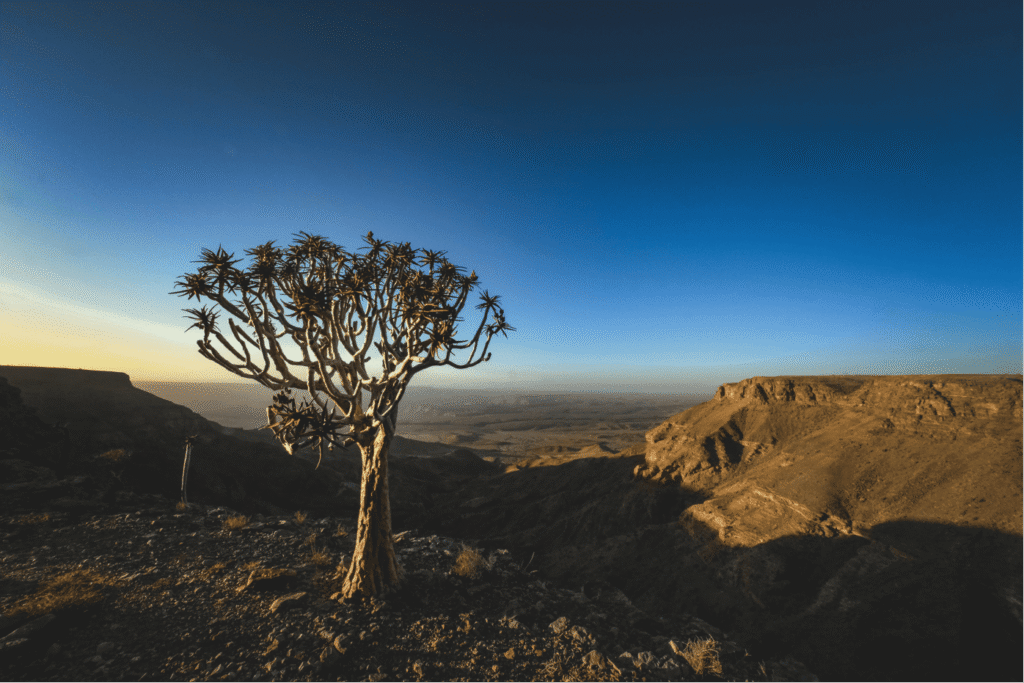
This is a land of endless deserts, giant red sand dunes, dramatic coastlines, abandoned ghost towns, star-filled skies, and wildlife roaming across landscapes so vast they make you feel incredibly small. Traveling through Namibia often feels less like visiting a country and more like exploring another planet.
And despite offering some of the most breathtaking scenery in Africa, Namibia still remains surprisingly underrated compared to destinations like South Africa, Kenya, or Tanzania. That’s part of what makes it so special.
You can drive for hours through silent desert landscapes without seeing another car. You can watch elephants crossing dry riverbeds beneath giant orange dunes. You can stand beneath some of the clearest night skies on Earth and feel completely disconnected from the modern world.
For travelers searching for underrated countries, epic road trips, incredible wildlife, and unforgettable natural beauty far from mass tourism, Namibia may be one of the greatest adventures on the planet.
A. Sossusvlei: The Desert Landscape That Looks Like Another Planet
If there’s one place that defines Namibia’s beauty, it’s Sossusvlei. Located in the Namib Desert, this region is famous for its gigantic red sand dunes rising dramatically beneath endless blue skies.
Seeing them in person feels surreal. The dunes here are among the tallest in the world, and their colors constantly shift depending on the sunlight — glowing deep orange, red, and gold throughout the day. One of the most iconic spots is Deadvlei.
This white clay pan filled with ancient dead trees surrounded by giant dunes creates one of the most hauntingly beautiful landscapes on Earth. The silence there feels almost unreal.
Travel Tip: Arrive before sunrise if possible. Early morning light transforms the dunes completely and temperatures stay much more comfortable.
B. Namibia’s Wildlife Experience Feels Wild and Untamed
Namibia offers incredible wildlife viewing, but the experience feels very different from traditional safaris elsewhere in Africa. The landscapes are harsher, more dramatic, and more remote.
Animals survive in deserts, dry riverbeds, and rugged terrain — creating scenes that feel almost cinematic.
C. The Skeleton Coast: One of the Most Mysterious Places in Africa
Few places in the world feel as haunting and atmospheric as Skeleton Coast.
This remote coastline is famous for:
- Shipwrecks
- Fog-covered beaches
- Harsh Atlantic waves
- Desert landscapes meeting the ocean
- Vast emptiness stretching endlessly in every direction
The name itself sounds dramatic — and honestly, the landscape lives up to it. The Skeleton Coast feels wild in a way few places still do. Traveling here gives you the strange feeling that nature completely dominates everything.
D. Swakopmund: Namibia’s Adventure Capital
After endless desert landscapes, the coastal town of Swakopmund feels surprisingly different. German colonial architecture, seaside cafés, and cool Atlantic air give the town an unusual atmosphere blending Africa and Europe together. Swakopmund is also Namibia’s adventure hub.
Travelers come here for:
- Sandboarding
- Quad biking
- Skydiving
- Desert tours
- Dolphin cruises
Despite becoming more popular over the years, the town still feels relaxed and uncrowded compared to major tourist destinations.
E. Best Time to Visit Namibia
The ideal time depends on what kind of experience you want.
a. May to October
Dry season and the best time for wildlife viewing and cooler temperatures.
b. November to April
Warmer months with occasional rain and greener landscapes.
c. June to August
Especially popular for safaris because animals gather around water sources. For most travelers, July through September offers the best balance of weather and wildlife viewing.
F. Namibian Culture and Local Experiences
Namibia’s culture is shaped by a mix of African traditions, indigenous communities, and colonial influences. One of the most fascinating cultural experiences is learning about the Himba people in northern Namibia, known for their distinctive red ochre body paint and semi-nomadic traditions. Visitors should always approach cultural experiences respectfully and responsibly rather than treating communities like tourist attractions.
Namibian food often includes:
- Grilled meats
- Game dishes
- German-inspired pastries
- Fresh seafood along the coast
- Traditional African stews
Travel Tip: Namibia’s distances are enormous, so always plan routes carefully and keep extra water during road trips.
12. Moldova – Europe’s Least Visited Country
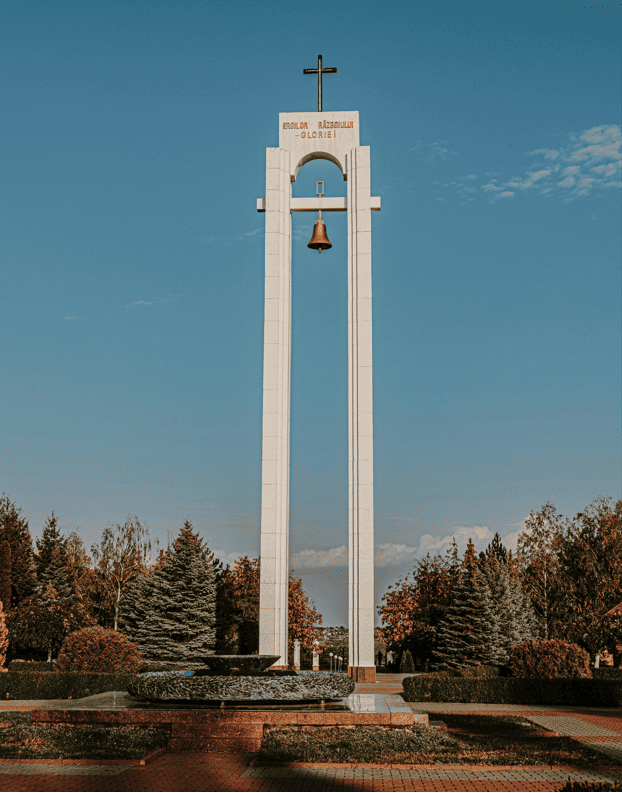
Tucked quietly between Romania and Ukraine, Moldova is one of Europe’s least-visited countries — and honestly, that’s exactly what makes it fascinating. Most travelers barely know anything about it.
But those who do visit often discover something refreshing: peaceful countryside, endless vineyards, Soviet history, cozy villages, authentic local culture, and a version of Europe that still feels wonderfully untouched by mass tourism. Traveling through Moldova doesn’t feel flashy or overly polished. Instead, it feels genuine.
This is the kind of place where locals still seem genuinely curious about visitors, where wine cellars stretch for miles underground, and where daily life moves at a slower, calmer pace than much of modern Europe.
For travelers searching for underrated countries in Europe, affordable destinations, authentic cultural experiences, and hidden gems far from tourist crowds, Moldova may quietly be one of Europe’s biggest surprises.
A. Chișinău: Europe’s Calm and Surprisingly Green Capital
The capital city of Chișinău often surprises visitors. Instead of a busy tourist capital packed with famous monuments, Chișinău feels relaxed, leafy, and quietly charming.
Wide boulevards lined with trees, Soviet-era buildings, cozy cafés, local markets, and peaceful parks create an atmosphere that feels completely different from Europe’s crowded capitals. At first glance, Chișinău may seem simple. But that simplicity becomes part of its charm.
Life here moves slowly. Cafés stay busy for hours because people genuinely enjoy conversation and coffee. Parks fill with locals walking, reading, or relaxing beneath trees. Travelers who enjoy slower, more observational travel often end up appreciating Chișinău far more than expected.
Travel Tip: Spend time walking through local neighborhoods instead of only visiting tourist spots. Moldova feels most interesting when experienced casually.
B. Moldova Is a Paradise for Wine Lovers
One of Moldova’s biggest hidden treasures is its wine culture. Many people don’t realize Moldova is one of Europe’s oldest wine-producing regions. In fact, wine is deeply connected to the country’s identity and history. And unlike famous wine destinations in Western Europe, Moldova’s wineries remain relatively affordable and uncrowded.
a. Cricova Winery: The Underground Wine City
Perhaps the country’s most famous attraction is Cricova Winery. Calling it a winery almost feels inaccurate.
It’s more like an underground city. Cricova contains enormous tunnels stretching for over 100 kilometers beneath the ground, filled with wine collections, tasting rooms, and storage areas carved into limestone.
Visitors travel through the tunnels by car while exploring one of the largest wine cellars in the world. The atmosphere feels surprisingly grand and unique.
b. Mileștii Mici: Home to One of the World’s Largest Wine Collections
Another incredible wine destination is Mileștii Mici. This enormous underground cellar holds millions of wine bottles and is recognized for having one of the world’s largest wine collections. For wine lovers, Moldova genuinely feels like one of Europe’s best-kept secrets. And because tourism remains relatively limited, tastings and tours often feel personal rather than commercialized.
C. Moldova’s Countryside Feels Peaceful and Timeless
Outside the cities, Moldova becomes wonderfully rural. Rolling hills, vineyards, sunflower fields, orchards, and quiet villages stretch across much of the country. The countryside feels calm in a way many parts of Europe no longer do. Small villages still maintain traditional lifestyles, and local hospitality often feels incredibly genuine. Traveling through Moldova’s rural areas gives you a glimpse of slower European life that’s increasingly difficult to find elsewhere.
D. Best Time to Visit Moldova
Moldova experiences four distinct seasons, each offering a different atmosphere.
a. Spring (April–June)
Beautiful countryside landscapes and pleasant temperatures.
b. Summer (July–August)
Warm weather, festivals, and vineyard tours.
c. Autumn (September–October)
Arguably the best season, especially during grape harvest and wine season.
d. Winter
Quiet, snowy, and atmospheric, especially in rural villages. For many travelers, September is the ideal time to visit.
E. Moldovan Food Is Comforting and Homemade
Moldovan cuisine is hearty, comforting, and heavily influenced by Romanian, Slavic, and Eastern European traditions. Meals often feel homemade rather than commercialized.
Some traditional foods worth trying include:
- Mămăligă – cornmeal dish often served with cheese and sour cream
- Stuffed cabbage rolls
- Homemade soups and stews
- Fresh bread and pastries
- Local wines and fruit brandies
One thing many travelers notice is how generous local hospitality can be, especially in smaller towns and villages. Meals often feel deeply connected to family traditions and local culture.
13. Timor-Leste – Southeast Asia’s Hidden Frontier
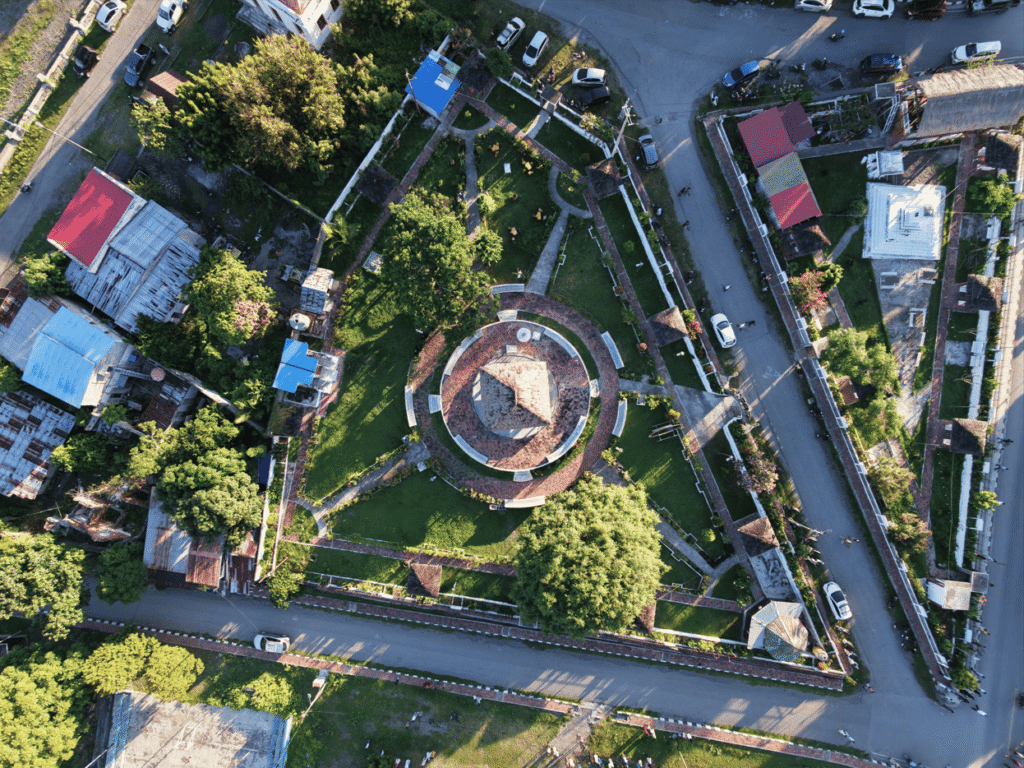
Timor-Leste — also known as East Timor — feels almost forgotten by mainstream tourism altogether. And honestly, that’s exactly what makes it extraordinary.
Located between Indonesia and Australia, Timor-Leste is one of the youngest countries in the world, gaining independence in 2002 after decades of struggle. Today, it remains one of Asia’s least-visited nations, attracting only a tiny fraction of the tourists who flood nearby Southeast Asian destinations. But travelers who do make the journey often discover something increasingly rare:
A destination that still feels genuinely untouched. Timor-Leste offers crystal-clear diving waters, rugged mountains, quiet beaches, colorful coral reefs, traditional villages, dramatic coastlines, and warm local hospitality — all without mass tourism. There are no giant resort zones, no endless tourist crowds, and very little commercialization. Travel here feels raw, peaceful, and authentic.
For travelers searching for underrated countries, hidden tropical destinations, off-the-beaten-path adventures, and meaningful cultural experiences, Timor-Leste may be one of the last truly undiscovered gems in Asia.
A. Beautiful Places in Timor-Leste
a. Atauro Island: Timor-Leste’s Tropical Paradise
Just north of Dili lies Atauro Island — one of the country’s most beautiful destinations. This island feels wonderfully remote and peaceful. Simple beach bungalows, fishing villages, coral reefs, and crystal-clear water create an atmosphere perfect for travelers wanting to disconnect from modern stress.
The snorkeling and diving around Atauro Island are exceptional, with some marine scientists considering these waters among the most biodiverse in the world. And because tourism remains limited, beaches often feel empty. It’s the kind of place where silence becomes part of the experience.
b. Timor-Leste’s Mountains Are Wildly Beautiful
Most travelers expect tropical beaches. Very few realize Timor-Leste also has stunning mountain landscapes. The country’s interior is filled with rugged peaks, winding roads, green valleys, and remote villages where traditional lifestyles still shape everyday life.
Driving through the mountains feels adventurous and incredibly scenic. The changing landscapes — from coastline to forested hills to mountain villages — make the country feel far more diverse than people expect.
Travel Tip: Road conditions in rural areas can be rough, so allow extra travel time when exploring outside Dili.
c. Dili: A Relaxed Capital Beside the Sea
The capital city of Dili sits quietly along the northern coastline, surrounded by mountains and ocean views. Dili isn’t a flashy capital filled with giant skyscrapers or crowded tourist attractions. Instead, it feels calm and personal. Life moves slowly here. Fishing boats drift along the coast while locals gather at seaside cafés and markets during sunset. The atmosphere feels peaceful rather than hectic.
One of the most famous landmarks is the towering Cristo Rei of Dili statue overlooking the ocean. The walk up to the viewpoint is especially beautiful during sunrise or sunset, offering panoramic coastal views that stretch far into the distance.
Travel Tip: Dili works best when explored slowly. Don’t rush through it. Spend time enjoying the relaxed atmosphere and talking with locals.
B. Local Culture and Hospitality
Timorese culture is shaped by Portuguese colonial history, Southeast Asian influences, and strong local traditions. One thing many travelers remember most is the warmth of local people. Because tourism is still relatively uncommon, visitors often attract genuine curiosity and kindness.
Coffee culture is also important here. Timor-Leste produces excellent organic coffee grown in mountain regions, and trying local coffee is almost essential while visiting.
Meals often include:
- Fresh seafood
- Rice dishes
- Tropical fruits
- Grilled meats
- Portuguese-inspired flavors
Travel Tip: Learning a few Portuguese or Tetum phrases can create meaningful connections with locals.
C. Best Time to Visit Timor-Leste
The dry season is generally the best time to visit.
a. May to November
Ideal weather for diving, beaches, and road trips.
b. December to April
Rainy season with more difficult road conditions in some areas. For most travelers, June through September offers the best overall conditions.
D. What Makes Timor-Leste Truly Special
Timor-Leste feels emotionally different from many destinations. Partly because of its history. Partly because of its isolation. And partly because the country still feels so untouched by global tourism. You notice it while driving along empty coastal roads beside turquoise water. You notice it during quiet evenings in fishing villages. You notice it while snorkeling in coral reefs with hardly another person nearby.
Travel here feels calm, raw, and deeply human. Timor-Leste reminds travelers what exploration used to feel like before social media and mass tourism transformed so much of the world.And honestly, that feeling is becoming incredibly rare.
14. Suriname – South America’s Hidden Jungle Country
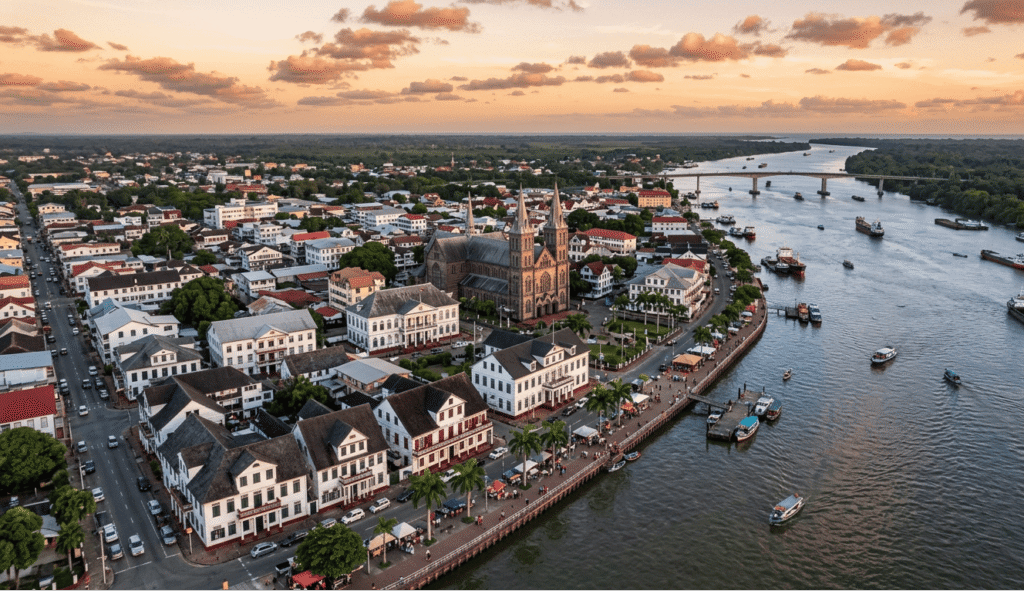
Tucked quietly on the northeastern coast of South America between Guyana and French Guiana, Suriname is one of the least-visited countries on the continent — yet it offers dense rainforests, fascinating cultural diversity, colonial architecture, incredible wildlife, river villages, and authentic adventures that feel completely untouched by mass tourism.
Most travelers exploring South America head straight toward places like Brazil, Peru, or Colombia while Suriname remains largely ignored. And honestly, that’s exactly what makes it special. Traveling through Suriname feels like discovering a secret corner of the world that tourism hasn’t fully reached yet. Life moves slowly here. Nature dominates the landscape. Cultures from across the globe blend together in ways unlike anywhere else in South America.
For travelers searching for underrated countries, rainforest adventures, unique cultural experiences, and destinations far beyond the usual tourist trail, Suriname may quietly be one of the most fascinating places on Earth.
A. Beautiful Places in Suriname
a. Paramaribo: A Capital Unlike Any Other in South America
The capital city of Paramaribo immediately surprises first-time visitors. Unlike the towering skyscrapers or chaotic energy of many South American capitals, Paramaribo feels relaxed, colorful, and deeply multicultural. Dutch colonial wooden buildings line the streets while mosques, synagogues, churches, and temples stand remarkably close to one another — reflecting the country’s incredible cultural diversity.
One of the most fascinating things about Suriname is how peacefully different cultures coexist. You can eat Indian curry for lunch, Javanese noodles for dinner, and hear Dutch spoken alongside multiple local languages throughout the day. The atmosphere feels calm and welcoming rather than rushed.
Travel Tip: Spend evenings walking along the riverside promenade called Waterkant where locals gather to relax, eat street food, and watch the sunset.
b. Suriname Is Covered by Rainforest
One thing becomes obvious quickly while traveling through Suriname: Nature dominates everything. Around 90% of the country is covered by tropical rainforest. And unlike heavily developed eco-tourism destinations elsewhere, much of Suriname’s jungle still feels incredibly wild and untouched.
Travel here isn’t about giant luxury resorts hidden inside nature. It’s about genuine rainforest exploration.
You’ll encounter:
- Dense Amazon jungle
- River villages
- Exotic birds
- Monkeys
- Waterfalls
- Remote lodges
- Endless greenery stretching beyond the horizon
For nature lovers, Suriname feels like paradise.
c. River Travel Is Part of the Adventure
In Suriname, rivers aren’t just scenery. They’re essential to daily life. Many remote communities and rainforest lodges are accessible mainly by boat, making river journeys a major part of the travel experience.
Long wooden boats glide through jungle waterways surrounded by dense rainforest and endless bird sounds. And honestly, some of the best moments in Suriname happen during these quiet journeys. Watching mist rise over jungle rivers at sunrise feels incredibly peaceful.
B. Suriname’s Cultural Diversity Is Remarkable
One of the country’s most unique features is its multicultural identity.
Suriname’s population includes descendants of:
- Indigenous peoples
- Africans
- Indonesians
- Chinese communities
- Europeans
- Indians
As a result, the country’s food, festivals, religions, and traditions blend together in fascinating ways. This diversity creates one of the most culturally unique atmospheres in South America. Travelers often find themselves surprised by how different Suriname feels from nearby countries.
C. Surinamese Food Is One of the Country’s Hidden Treasures
Because of its multicultural history, Suriname’s food scene is incredibly diverse. Meals here combine Caribbean, Indonesian, African, Dutch and Indian influences into something completely unique.
Some must-try dishes include:
- Javanese noodle dishes
- Fresh tropical seafood
- Pom (a traditional Surinamese casserole)
- Satay skewers
- Tropical fruit juices
- Curry
Food markets and small local restaurants often provide the best experiences. And unlike many heavily touristy destinations, meals still feel made for locals first.
D. Suriname Is Perfect for Travelers Who Want Real Adventure
Suriname isn’t a luxury tourism destination. Infrastructure can feel basic in remote areas, transportation takes time, and travel requires patience and flexibility. But that’s exactly why the country feels rewarding.
This is a destination for travelers who genuinely enjoy exploration, nature, and authenticity. You won’t find massive tourist crowds or perfectly polished attractions. Instead, you’ll find experiences that feel real.
15. North Macedonia – Europe’s Affordable Lake Escape
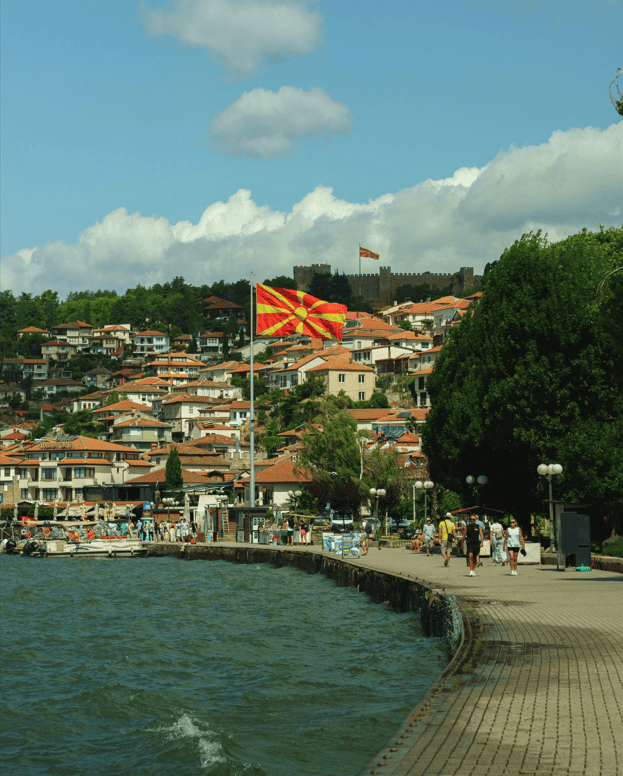
Tucked in the heart of the Balkans between Greece, Albania, Serbia, and Bulgaria, North Macedonia is one of Europe’s most underrated travel destinations — a country filled with beautiful lakes, mountain scenery, Ottoman-era towns, ancient history, warm hospitality, and surprisingly affordable travel. And despite offering landscapes and cultural experiences that rival many famous European destinations, North Macedonia still remains largely overlooked by international tourism. That’s exactly what makes it special.
Traveling through North Macedonia feels refreshingly authentic. Streets still belong mostly to locals rather than endless crowds of tourists. Lakeside towns feel peaceful instead of commercialized. Mountain villages move at a slower pace untouched by modern travel trends.
For travelers searching for underrated countries in Europe, hidden Balkan gems, affordable adventures, and authentic cultural experiences, North Macedonia may quietly become one of your favorite places on the continent.
A. Beautiful Places in North Macedonia
a. Ohrid
If there’s one place that defines North Macedonia’s beauty, it’s Ohrid. Located beside the breathtaking Lake Ohrid, this historic town feels almost magical. Stone churches sit above crystal-clear water while narrow old-town streets wind through hillside neighborhoods filled with cafés, flowers, and traditional houses.
The atmosphere here is peaceful in a way many European lakeside destinations no longer are. Lake Ohrid itself is one of Europe’s oldest and deepest lakes, shared between North Macedonia and Albania. The water is remarkably clear, and the surrounding mountains create stunning scenery from almost every angle.
Sunsets here feel unforgettable. As the sky turns orange above the lake and church bells echo through the old town, Ohrid becomes one of those places travelers never really want to leave.
Travel Tip: Visit early in the morning or late evening when the old town becomes especially quiet and atmospheric.
b. Church of St. John at Kaneo
Perhaps the country’s most iconic image is Church of St. John at Kaneo. This small historic church sits dramatically on a cliff above Lake Ohrid, overlooking calm blue water and distant mountains.
The view feels almost unreal. It’s one of those rare places where people naturally stop talking for a moment just to absorb the scenery. Sunset is especially breathtaking here.
c. Skopje
The capital city of Skopje surprises many visitors because it feels unlike almost any other European capital.
The city blends:
- Ottoman bazaars
- Modern buildings
- Soviet influences
- Giant statues
- Historic bridges
- Contemporary cafés
The result feels strange, fascinating, and uniquely Balkan. One moment you’re walking through the old Ottoman-style Old Bazaar filled with tea shops and stone alleys. A few minutes later, you’re surrounded by enormous neoclassical-style buildings and monuments.
Skopje may not be Europe’s prettiest capital, but it’s definitely memorable. And beneath the unusual architecture lies a genuinely lively café culture and welcoming atmosphere.
B. North Macedonia’s Mountains Are Wildly Underrated
Many travelers focus only on the lakes and cities, but North Macedonia’s mountain landscapes are equally impressive. The country is filled with rugged peaks, national parks, forests, and hiking trails that remain surprisingly uncrowded.
a. Mavrovo National Park
Mavrovo National Park is one of the country’s best destinations for outdoor lovers.
The park offers:
- Mountain scenery
- Hiking trails
- Ski resorts
- Dense forests
- Lakes
- Traditional villages
It feels peaceful and wonderfully untouched compared to many famous alpine destinations in Europe. During autumn, the forests become especially beautiful with deep orange and golden colors covering the mountains.
b. Matka Canyon
Just outside Skopje lies Matka Canyon — one of the country’s most scenic natural areas. Steep cliffs surround emerald-green water while caves, monasteries, and hiking trails create a calm and adventurous atmosphere. Kayaking through the canyon feels especially peaceful. Despite being close to the capital, the area still feels surprisingly quiet.
C. Macedonian Food Is Rich, Comforting, and Full of Flavor
Food in North Macedonia reflects a blend of Balkan, Ottoman, and Mediterranean influences. Meals are hearty, flavorful, and deeply connected to local traditions.
Some must-try dishes include:
- Tavče Gravče – traditional baked bean dish
- Grilled meats and kebabs
- Fresh salads with local cheese
- Burek pastries
- Ajvar pepper spread
- Local wines and rakija
One of the best parts about dining in North Macedonia is how relaxed the atmosphere feels. People genuinely take their time eating, drinking coffee, and socializing.
D. Best Time to Visit North Macedonia
North Macedonia changes beautifully throughout the year.
a. Spring (April–June)
Excellent weather for sightseeing and hiking.
b. Summer (July–August)
Best for enjoying Lake Ohrid and outdoor festivals.
c. Autumn (September–October)
Arguably the most beautiful season with cooler temperatures and colorful landscapes.
d. Winter
Ideal for skiing and snowy mountain scenery. For many travelers, September offers the perfect balance of weather and fewer crowds.
E. What Makes North Macedonia Truly Special
North Macedonia doesn’t overwhelm travelers with giant attractions or flashy tourism. Its beauty feels quieter than that. You notice it while drinking coffee beside Lake Ohrid at sunset. You notice it while hearing church bells echo through mountain towns. You notice it during long conversations with locals who genuinely seem happy visitors came to their country.
Traveling here feels personal. The country still carries a sense of discovery that many famous European destinations lost years ago. And honestly, that feeling is incredibly refreshing.
Conclusion
The world is filled with extraordinary places beyond the typical tourist trail. While famous destinations continue attracting massive crowds, the real magic often lies in the lesser-known corners of the globe.
These Underrated Countries You Should Visit offer unforgettable experiences, authentic cultural connections, incredible landscapes, and affordable adventures that many mainstream destinations simply cannot match anymore.
From the mountains of Kyrgyzstan to the beaches of Albania and the deserts of Namibia, these hidden travel gems prove that the best journeys often happen in places most travelers overlook.
So instead of following the crowds on your next trip, consider exploring one of these underrated travel destinations. You’ll not only save money and avoid overtourism, but you’ll also discover unique countries to travel that leave lasting memories long after the journey ends.
Frequently Asked Questions (FAQs)
1. What are the best underrated countries to visit?
Some of the best underrated countries include Albania, Georgia, Kyrgyzstan, Slovenia, Laos, and Namibia.
2. Are underrated travel destinations safe?
Most underrated countries are very safe for tourists when basic travel precautions are followed.
3. Which underrated countries are the cheapest?
Laos, Kyrgyzstan, Nicaragua, and Moldova are among the most affordable countries to visit.
4. Why are underrated countries becoming popular?
Travelers want fewer crowds, lower costs, and more authentic experiences.
5. What is the best underrated country in Europe?
Albania and Slovenia are excellent underrated European destinations.
6. Are underrated destinations good for solo travelers?
Yes. Many are ideal for solo travel due to friendly locals and affordable costs.
7. Which underrated countries have the best nature?
Namibia, Kyrgyzstan, Madagascar, and Slovenia offer incredible landscapes.
8. What’s the best time to visit underrated countries?
It depends on the region, but shoulder seasons often provide the best weather and fewer tourists.
9. Are hidden travel gems harder to access?
Some require extra effort, but that’s often what makes them special.
10. How can I travel cheaply in underrated countries?
Use public transportation, stay in guesthouses, eat local food, and travel during off-peak seasons.
11. Which underrated countries are best for food lovers?
Georgia, Bosnia, Uzbekistan, and Laos offer amazing local cuisine.
12. Are underrated countries suitable for families?
Yes, many offer family-friendly environments and budget-friendly travel.