Indonesia is more than just Bali. Sure, beaches, cafes, and sunsets in Bali are beautiful. But what if I told you the real magic of Indonesia lies far beyond the crowded hotspots?
Imagine empty beaches. Villages untouched by tourism. Waterfalls where you’re the only person there. That’s the side of Indonesia most travelers never see. In this guide, you’ll discover hidden gems in Indonesia that are perfect for budget travelers, solo explorers, and adventure seekers looking for something different.
Why Explore Hidden Gems in Indonesia
Most tourists stick to places like Bali, Jakarta, and Yogyakarta.
But here’s the truth:
- These places are crowded
- Prices are higher
- Experiences feel less authentic
When you explore underrated places in Indonesia, you get:
- Lower costs
- Fewer crowds
- Unique experiences
Now let’s dive into the real gems.
1. Ora Beach – The Maldives of Indonesia
A. Introduction
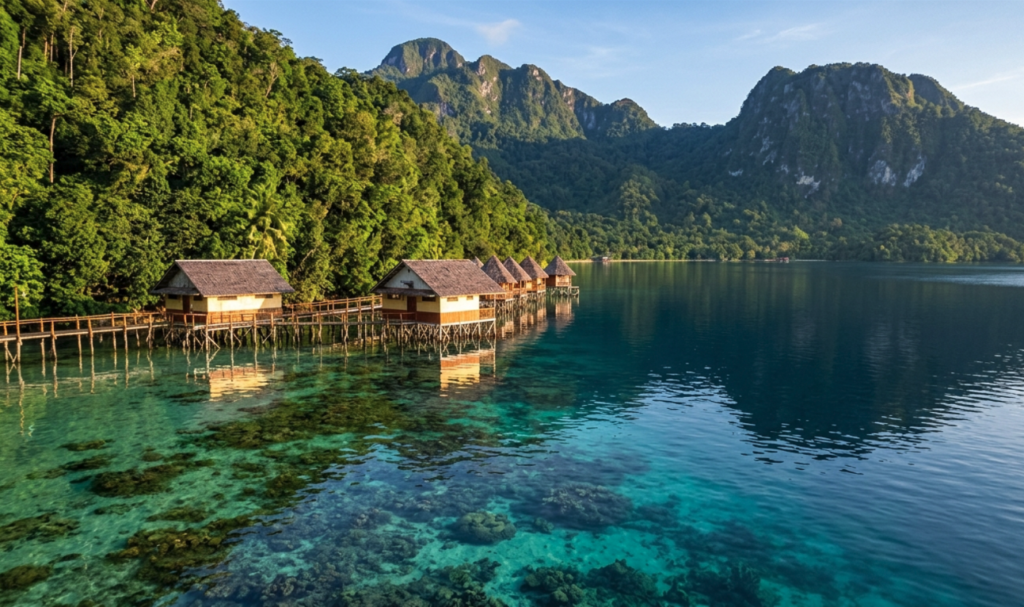
Imagine waking up in a wooden bungalow floating above turquoise water. No traffic. No crowds. Just the sound of gentle waves and birds in the distance.
Welcome to Ora Beach, located on Seram Island in the Maluku region of Indonesia is one of the most breathtaking hidden gems in Indonesia that still flies under the radar. Often compared to the Maldives (but without the luxury price tag), Ora Beach offers raw, untouched beauty. It’s the kind of place where time slows down. Perfect for solo travelers, budget explorers, and anyone craving peace away from Bali’s busy streets.
If you’re searching for underrated Indonesia beaches, this is exactly what you’re looking for.
B. Best Time to Visit Ora Beach
Timing matters here.
a. Best months:
- October to April
During this period, the sea is calm, skies are clear, and visibility for snorkeling is excellent.
b. Avoid:
- May to September (rainy season + rough seas)
If you want that perfect “crystal-clear water” experience you see in photos, don’t risk the off-season.
C. Things to Do at Ora Beach
Ora Beach is not about rushing—it’s about slowing down.
a. Snorkeling in Crystal Waters
You don’t even need a boat. Just step outside your bungalow and dive in.
- Vibrant coral reefs
- Colorful fish
- Crystal-clear visibility
Tip: Bring your own snorkeling gear to save money.
b. Kayaking Along the Coast
Paddle across calm waters while surrounded by jungle-covered mountains.
It feels like you’re exploring a hidden world.
c. Relax and Disconnect
No WiFi. Limited signal.
And honestly? That’s the best part.
Read a book, journal, or just lie back and watch the sunset.
d. Visit Saleman Village
Take a short boat ride to experience local life.
- Friendly locals
- Simple food
- Authentic culture
e. Sunset Watching
Every evening feels magical.
The sky turns orange, pink, and purple over the mountains—something you won’t forget.
D. Accommodation (Budget to Mid-Range)
Ora Beach is not packed with hotels—which keeps it peaceful.
a. Budget Options:
- Homestays in Saleman Village
- Price: $10–$25 per night
- Basic but authentic
- Great for solo travelers
b. Mid-Range:
- Ora Beach Resort
- Price: $50–$150 per night
- Overwater bungalows
- Includes meals (important since food options are limited)
E. Travel Tips (Hidden Tips Tourists Don’t Know)
Here’s what most travel blogs won’t tell you:
a. Bring Cash
No ATMs nearby. No card payments.
Carry enough Indonesian Rupiah for your entire stay.
b. Food is Limited
Most accommodations include meals.
If you’re picky, bring:
- Snacks
- Instant noodles
- Energy bars
c. No Strong Internet
Perfect for a digital detox—but plan ahead.
d. Pack Smart
Essentials:
- Sunscreen (expensive locally)
- Power bank
- Snorkeling gear
- Light clothes
e. Book in Advance
There are very few rooms available. Last-minute travel can leave you stranded.
F. Why Ora Beach is Still Underrated
Despite its beauty, Ora Beach hasn’t gone viral like Bali or Lombok.
Here’s why:
- Remote location (hard to reach)
- Limited infrastructure
- No luxury nightlife or big resorts
- Minimal marketing
And honestly, that’s a good thing.
Right now, Ora Beach remains one of the most peaceful underrated Indonesia beaches—a rare escape in today’s crowded travel world.
2. Togean Islands
A. Introduction
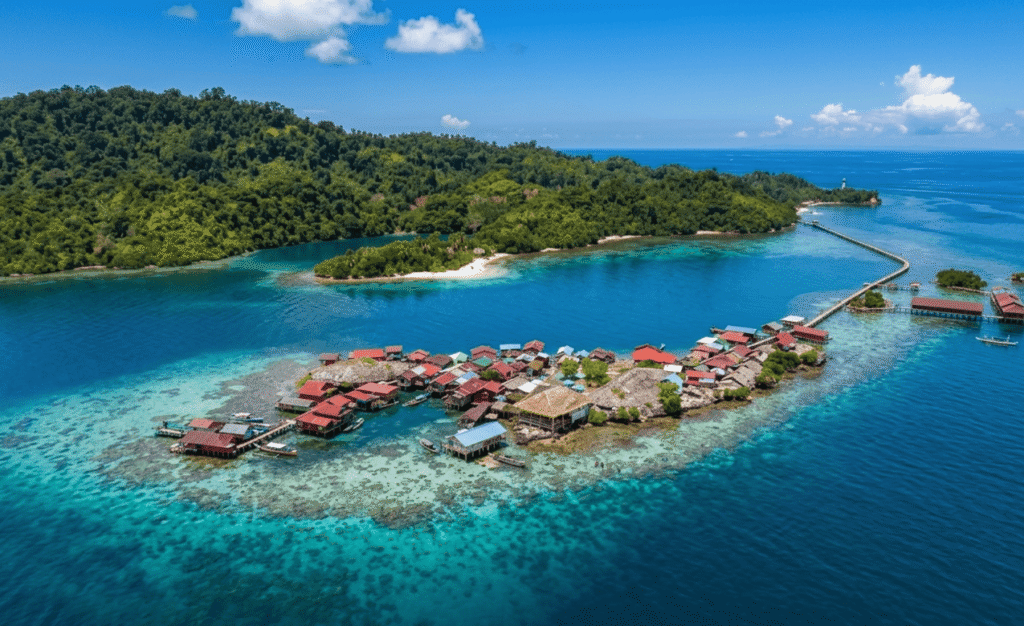
Picture this: you’re lying in a hammock between two palm trees. The sea is calm, crystal clear, and stretches endlessly into the horizon. No loud music. No crowds. Just silence, broken only by waves.
Welcome to the Togean Islands located in the Gulf of Tomini, in Central Sulawesi—one of the most untouched hidden gems in Indonesia.
Located far from mainstream tourist routes, the Togeans are a dream for budget travelers, solo explorers, and adventure seekers who want raw nature over luxury. If Ora Beach felt remote, this is even more off-the-grid. And that’s exactly what makes it special.
B. Best Time to Visit Togean Islands
Ideal months:
- March to November
Expect:
- Calm seas
- Sunny weather
- Perfect diving conditions
C. Things to Do in Togean Islands
The Togeans are all about nature, water, and slow travel.
a. World-Class Snorkeling & Diving
This is where the Togeans truly shine.
- Pristine coral reefs
- Rare marine species
- Minimal human impact
Popular spots include:
- Una Una Island (volcanic island with rich marine life)
- House reefs near your stay
Even beginners can enjoy snorkeling right from the beach.
b. Island Hopping Adventures
Explore small, uninhabited islands.
- White sand beaches
- Zero crowds
- Pure solitude
It feels like having your own private island.
c. Kayaking & Paddleboarding
Glide over calm, glass-like water.
Perfect for:
- Sunrise exploration
- Peaceful solo moments
d. Sunset & Stargazing
With almost no light pollution, nights here are magical.
- Bright stars
- Milky Way visible on clear nights
e. Visit Bajau Villages (Sea Nomads)
Meet the Bajau people, often called “sea gypsies.”
- Houses built over water
- Unique lifestyle
- Rich cultural experience
D. Accommodation
The Togeans focus on eco-stays and simplicity.
a. Budget Stays:
- Beach bungalows / homestays
- Price: $8–$25 per night (often includes 3 meals)
Basic but beautiful.
b. Mid-Range Eco Resorts:
- Price: $30–$80 per night
- Beachfront bungalows
- Meals included
- Snorkeling access
E. Travel Tips
Here’s where most travelers mess up—don’t be one of them.
a. Bring Enough Cash
- No ATMs on most islands.
- Carry all your expenses in cash before arriving.
b. Electricity is Limited
Some places only have power at night.
Bring:
- Power bank
- Flashlight
c. Meals Are Fixed
- Most stays serve set meals at fixed times.
- No restaurants, no food delivery—plan accordingly.
d. Internet is Almost Non-Existent
Perfect for disconnecting—but inform family before going offline.
e. Book Transport in Advance
- Boat schedules change often.
- Confirm everything at least a day before travel.
F. Why Togean Islands Are Still Underrated
The Togeans remain one of the least explored hidden gems in Indonesia for a few reasons:
- Remote and time-consuming to reach
- Limited infrastructure
- No luxury tourism scene
- Lack of promotion compared to Bali or Komodo
But that’s exactly why it’s paradise. No crowds. No commercialization. Just nature in its purest form.
For travelers who value experience over comfort, this is one of the best underrated Indonesia beaches you’ll ever visit.
3. Belitung Island
A. Introduction
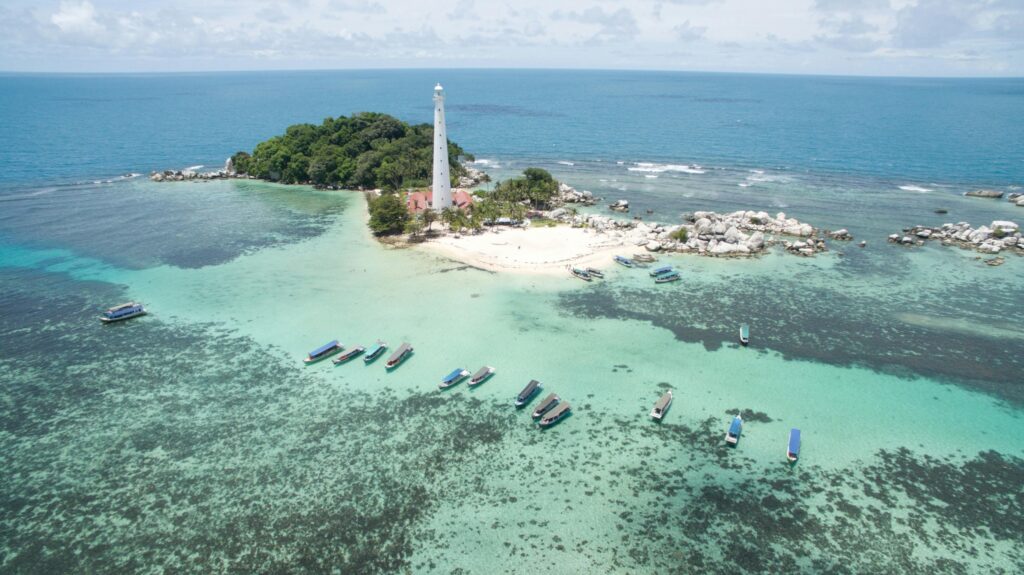
Imagine walking on powdery white sand, surrounded by giant granite rocks that look like they were dropped from the sky.
The water? Crystal clear. Calm. Almost unreal.
Welcome to Belitung Island located off the east coast of Sumatra, between Sumatra and Borneo—one of the most visually unique hidden gems in Indonesia.
While Bali gets all the attention, Belitung quietly offers something different: dramatic rock formations, peaceful beaches, and affordable travel. It’s perfect for solo travelers, budget explorers, and anyone looking for underrated Indonesia beaches without the crowds.
B. Best Time to Visit Belitung Island
Ideal months:
- April to October
Expect:
- Sunny weather
- Calm seas
- Perfect island hopping conditions
C. Things to Do in Belitung Island
Belitung is all about exploring—both land and sea.
a. Island Hopping Adventure
This is the highlight of Belitung.
Visit small islands like:
- Lengkuas Island (famous lighthouse views)
- Kepayang Island
- Pasir Island (tiny sandbank that appears at low tide)
b. Relax at Tanjung Tinggi Beach
One of the most iconic beaches on the island.
- Massive granite boulders
- Clear blue water
- Soft white sand
Fun fact: This beach was featured in the Indonesian movie Laskar Pelangi.
c. Snorkeling in Clear Waters
While not as rich as Raja Ampat, it’s still beautiful and beginner-friendly.
- Calm currents
- Decent coral reefs
- Easy access
d. Visit Lengkuas Lighthouse
Climb to the top for panoramic views of the ocean and islands.
Worth every step.
e. Sunset at Tanjung Kelayang Beach
A peaceful spot to end your day.
- Golden skies
- Quiet surroundings
- Perfect for photos
D. Accommodation
Belitung offers more variety compared to other underrated Indonesia beaches.
a. Budget Options:
- Guesthouses / homestays
- Price: $10–$30 per night
- Clean, simple, and comfortable
b. Mid-Range Hotels:
- Price: $35–$80 per night
- Air conditioning, WiFi, breakfast included
E. Travel Tips
a. Rent a Scooter
The island is best explored on your own.
- Cheap
- Flexible
- Perfect for solo travelers
b. Book Island Tours Early
Boat trips can fill up quickly, especially during weekends.
c. Bring Cash
Small shops and local operators may not accept cards.
d. Pack Smart
Essentials:
- Sunscreen
- Sunglasses
- Waterproof bag
- Flip-flops
e. Start Early
Visit beaches in the morning to avoid heat and get the best photos.
4. Wae Rebo Village
A. Introduction
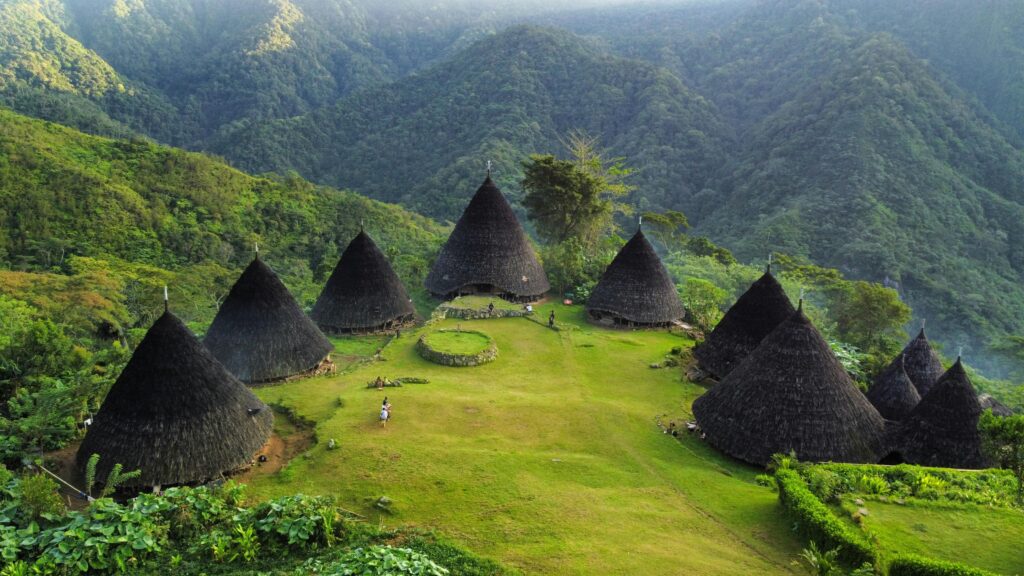
Imagine hiking through misty mountains for hours… and suddenly, a hidden village appears in the clouds. Cone-shaped houses. Cool mountain air. Silence, broken only by nature.
Welcome to Wae Rebo Village located in the mountains of Flores Island, in East Nusa Tenggara—one of the most unique hidden gems in Indonesia.
Unlike beaches like Ora or Belitung, Wae Rebo offers something deeper: culture, tradition, and a connection to a simpler way of life. It’s perfect for adventure seekers, solo travelers, and those who want more than just a typical tourist experience. If you’re exploring beyond underrated Indonesia beaches, this is where your journey gets truly unforgettable.
B. Best Time to Visit Wae Rebo Village
Ideal months:
- April to November
Expect:
- Clear skies
- Cooler weather
- Easier trekking conditions
C. Things to Do in Wae Rebo Village
Wae Rebo is not about activities—it’s about experience.
a. Stay in Traditional Mbaru Niang Houses
These iconic cone-shaped houses are the heart of Wae Rebo.
- Shared sleeping space
- Warm community vibe
- Authentic cultural experience
b. Enjoy the “Village Above the Clouds” View
Early morning is magical.
Clouds float below the village, creating a surreal atmosphere.
c. Trek Through Lush Forests
The journey itself is unforgettable.
- Dense jungle
- Mountain paths
- Scenic viewpoints
d. Experience Local Culture
Interact with villagers and learn about:
- Traditional lifestyle
- Coffee making
- Daily routines
e. Drink Local Flores Coffee
Fresh, strong, and made traditionally. A simple moment—but memorable.
D. Accommodation
There are no hotels here—and that’s the beauty of it.
Village Stay (All-inclusive):
- Price: $25–$40 per night
- Includes:
- Sleeping space in traditional house
- Meals (simple local food)
- Cultural experience
E. Travel Tips
a. Pack Light but Smart
You’ll be trekking for hours.
Carry:
- Comfortable shoes
- Light backpack
- Rain jacket
b. Bring Cash
No ATMs, no digital payments.
c. Respect Local Customs
Wae Rebo is not just a tourist spot—it’s a living village.
- Dress modestly
- Follow local rules
- Ask before taking photos
d. Prepare for Basic Conditions
- No WiFi
- Limited electricity
- Simple toilets
e. Start Trek Early
Avoid midday heat and reach before sunset.
5. Banda Islands
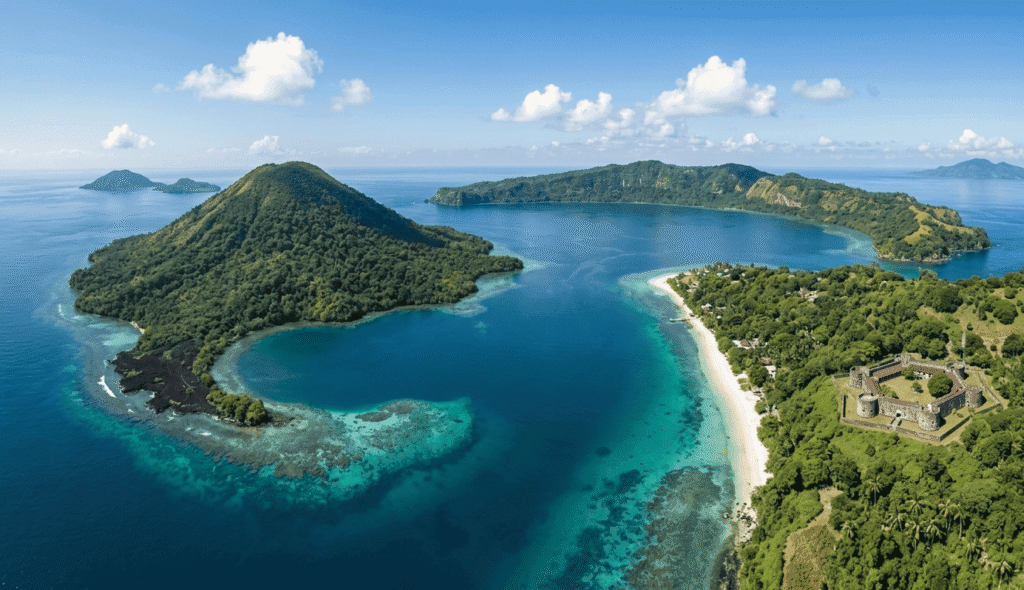
A. Introduction
Imagine standing on a quiet beach where history once changed the course of the world.
Centuries ago, the Banda Islands were the only place on Earth where nutmeg grew. Empires fought for control here. Today? Almost no one talks about them.
That’s what makes the Banda Islands one of the most fascinating hidden gems in Indonesia.
You’ll find crystal-clear waters, untouched reefs, volcanic landscapes, and deep history—all without the crowds. For solo travelers, budget explorers, and adventure seekers, this place offers something truly rare: beauty with a story.
B. Best Time to Visit Banda Islands
Ideal months:
- September to November
This is the absolute best time because:
- Seas are calm
- Visibility for diving is perfect
- Weather is stable
C. Things to Do in Banda Islands
The Banda Islands offer a mix of history, adventure, and marine beauty.
a. World-Class Diving & Snorkeling
This is one of Indonesia’s best-kept secrets for diving.
- Healthy coral reefs
- Massive schools of fish
- Lava flow dive sites (from past volcanic eruptions)
Even snorkeling is incredible right from the shore.
b. Hike Gunung Api Volcano
Yes, you can climb an active volcano.
- Early morning hike
- Panoramic sunrise views
- Stunning island scenery
It’s challenging—but unforgettable.
c. Explore Banda Neira
The main island is full of history.
- Old colonial buildings
- Forts from the spice trade era
- Quiet streets and local life
d. Relax on Untouched Beaches
- Soft sand, clear water, and almost no tourists.
- Some beaches feel completely private.
e. Visit Nutmeg Plantations
Learn about the spice that made these islands famous.
- See how nutmeg grows
- Taste local products
- Understand the island’s history
D. Accommodation
The Banda Islands are simple but comfortable.
a. Budget Guesthouses:
- Price: $10–$25 per night
- Basic rooms, fan, local vibe
b. Mid-Range Stays:
- Price: $30–$70 per night
- Air conditioning, sea views, meals included
E. Travel Tips
a. Plan Around Ferry Schedules
Ferries don’t run daily.
Missing one can delay your trip by days.
b. Bring Enough Cash
- No reliable ATMs.
- Carry all expenses in advance.
c. Book Flights Early
Small planes fill up quickly due to limited seats.
d. Pack for Island Life
Bring:
- Reef-safe sunscreen
- Light clothing
- Motion sickness tablets (for boats)
e. Respect Local Culture
- The islands are traditional and quiet.
- Dress modestly and be respectful.
6. Derawan Islands
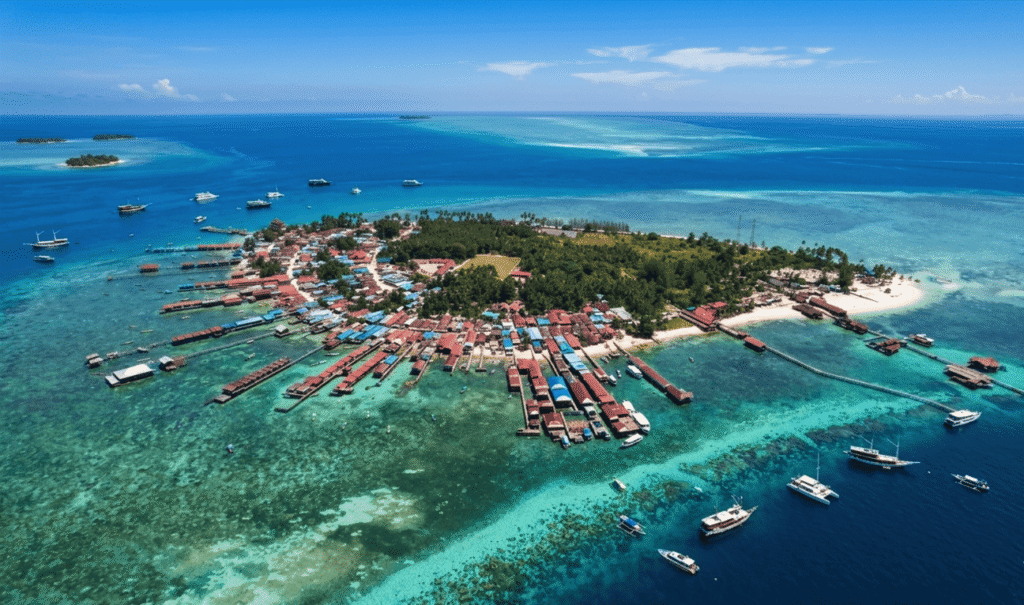
A. Introduction
Imagine swimming beside giant sea turtles in crystal-clear water while tiny tropical islands stretch across the horizon.
No beach clubs. No heavy traffic. No massive tourist crowds.
Welcome to the Derawan Islands—one of the most breathtaking hidden gems in Indonesia. Located off the coast of East Kalimantan, this island chain is famous for its rich marine life, peaceful atmosphere, and untouched beauty. For budget travelers, solo adventurers, and ocean lovers, Derawan feels like discovering a secret paradise before the rest of the world catches on.
B. Best Time to Visit Derawan Islands
Ideal months:
- March to October
During this season:
- Seas are calm
- Visibility is excellent for snorkeling/diving
- Weather is sunny and pleasant
C. Things to Do in Derawan Islands
Derawan is all about ocean adventures and relaxing island life.
a. Swim with Sea Turtles
This is the signature experience.
Sea turtles are incredibly common here, and you can often spot them:
- Near the shore
- While snorkeling
- Even beneath overwater cottages
It’s magical seeing them glide through the water.
b. Snorkeling & Diving
The underwater world here is stunning.
Expect:
- Vibrant coral reefs
- Colorful tropical fish
- Crystal-clear water
Popular spots include:
- Sangalaki Island
- Kakaban Island
- Maratua Island
c. Swim in Kakaban’s Jellyfish Lake
One of the most unique experiences in Indonesia.
This lake contains stingless jellyfish, allowing you to swim safely among them. It feels surreal.
d. Island Hopping
Explore nearby tropical islands by boat.
Each island has its own personality:
- Quiet beaches
- Diving spots
- Hidden lagoons
e. Relax in an Overwater Cottage
Watching sunsets from a wooden bungalow above turquoise water is unforgettable.
Especially at night, when the stars reflect on the ocean.
D. Accommodation
Derawan offers affordable island stays compared to many tropical destinations.
a. Budget Guesthouses:
- Price: $10–$25 per night
- Basic but comfortable
- Often family-run
b. Mid-Range Overwater Stays:
- Price: $40–$100 per night
- Ocean views
- Direct sea access
E. Travel Tips
a. Bring Cash
ATMs are very limited or unavailable on smaller islands.
b. Pack Reef-Safe Sunscreen
Protect the coral reefs while snorkeling.
c. Internet is Slow
- Expect weak or unstable connections.
- Perfect for disconnecting from social media.
d. Book Boat Tours Locally
Local operators often offer cheaper prices than online agencies.
e. Bring Motion Sickness Medicine
Boat rides can get rough depending on weather conditions.
7. Sumbawa Island
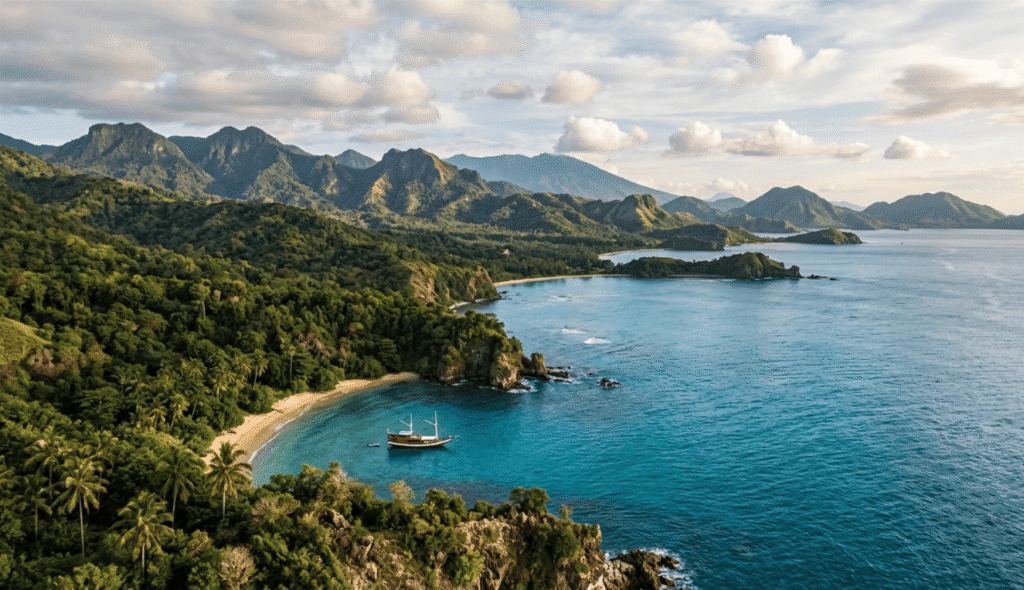
A. Introduction
Most travelers visit Bali or Lombok and stop there.
But just east of Lombok lies Sumbawa Island—a rugged, adventurous paradise that many tourists completely overlook.
Here, you’ll find:
- Empty beaches
- Massive waves
- Hidden waterfalls
- Volcanoes
- Traditional villages
And unlike Bali, you won’t be fighting crowds for the perfect view. For budget travelers, solo explorers, and adventure seekers, Sumbawa is one of the most exciting hidden gems in Indonesia.
B. Best Time to Visit Sumbawa Island
Ideal months:
- May to October
This dry season offers:
- Sunny weather
- Great surfing conditions
- Easier trekking and road trips
C. Things to Do in Sumbawa Island
Sumbawa is all about adventure and exploration.
a. Surf World-Class Waves
Sumbawa is famous among surfers—but still relatively unknown to mainstream tourists.
Popular surf spots:
- Lakey Peak
- Scar Reef
- Yo-Yos
Even if you don’t surf, watching the waves is incredible.
b. Relax on Empty Beaches
Some beaches here feel completely untouched.
- Soft white sand
- Clear blue water
- Hardly any people
Perfect for travelers escaping crowded destinations.
c. Trek Mount Tambora
Yes—the volcano responsible for the largest eruption in recorded history.
The trek offers:
- Epic crater views
- Mountain scenery
- Adventure far from tourist crowds
d. Discover Hidden Waterfalls
Sumbawa’s interior is filled with natural beauty.
Some waterfalls require jungle trekking, making them even more rewarding.
e. Visit Traditional Villages
Experience local culture and the slower pace of island life.
You’ll find:
- Friendly locals
- Traditional houses
- Authentic food
D. Accommodation
Sumbawa remains very affordable compared to Bali.
a. Budget Guesthouses:
- Price: $8–$20 per night
- Great for backpackers and solo travelers
b. Mid-Range Beach Resorts:
- Price: $30–$80 per night
- Surf camps and beachfront stays available
E. Travel Tips
a. Transportation is Essential
Public transport is limited.
Rent:
- Scooter
- Private driver for longer routes
b. Roads Can Be Rough
Some areas are remote with poor road conditions.
Drive carefully, especially during rainy season.
c. Bring Cash
ATMs are not available everywhere outside major towns.
d. Pack for Adventure
Bring:
- Hiking shoes
- Sunscreen
- Dry bag
- First aid basics
e. Respect Local Culture
Sumbawa is more conservative than Bali.
Dress respectfully, especially in villages.
8. Nusa Penida
A. Introduction
Just when you think Bali has shown you everything, a rugged island appears across the sea with towering cliffs, hidden beaches, and unbelievably blue water.
Welcome to Nusa Penida—one of the most breathtaking hidden gems in Indonesia.
Although it’s becoming more popular, Nusa Penida still feels raw and adventurous compared to Bali’s crowded tourist spots. The island is famous for its dramatic landscapes, crystal-clear water, and unforgettable viewpoints.
B. Best Time to Visit Nusa Penida
Ideal months:
- April to October
Expect:
- Sunny skies
- Clear ocean views
- Better road conditions
C. Things to Do in Nusa Penida
Nusa Penida is packed with dramatic natural attractions.
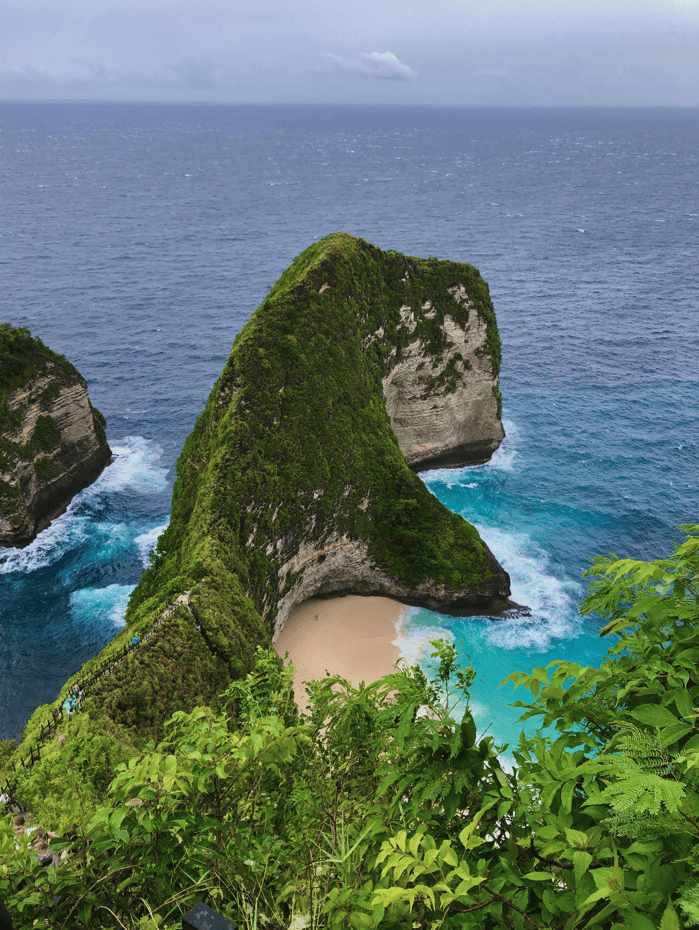
a. Visit Kelingking Beach
The island’s most famous viewpoint.
The cliff resembles a dinosaur shape, creating one of the most iconic views in Indonesia.
The hike down is steep and challenging—wear proper shoes.
b. Snorkel with Manta Rays
One of the top reasons travelers visit.
Popular snorkeling spots:
- Manta Point
- Crystal Bay
- Gamat Bay
Swimming beside giant manta rays feels unreal.
c. Relax at Crystal Bay
Perfect for:
- Sunset watching
- Swimming
- Beginner snorkeling
Compared to other spots, it’s easier to access.
d. Explore Broken Beach & Angel’s Billabong
These natural formations are stunning.
- Broken Beach: Circular cliff arch over the ocean
- Angel’s Billabong: Natural infinity pool
Be careful near the edges—waves can be dangerous.
e. Road Trip Around the Island
Driving through Nusa Penida feels adventurous.
You’ll pass:
- Coastal cliffs
- Small villages
- Hidden beaches
D. Accommodation
Nusa Penida offers affordable stays for every traveler type.
a. Budget Guesthouses:
- Price: $10–$25 per night
- Clean rooms with basic facilities
b. Mid-Range Resorts:
- Price: $35–$100 per night
- Infinity pools and ocean views available
E. Travel Tips
a. Roads Are Rough
- Some roads are steep, narrow, and damaged.
- Drive carefully if renting a scooter.
b. Start Early
- Popular spots become crowded by midday.
- Visit famous viewpoints before 8 AM.
c. Don’t Underestimate the Heat
Bring:
- Water bottle
- Sunscreen
- Hat
The island gets very hot during the day.
d. Stay Overnight
- Many tourists do day trips from Bali.
- Staying overnight lets you experience quieter mornings and sunsets.
e. Be Careful While Swimming
- Some beaches have strong currents and large waves.
- Always check local safety advice.
9. Bukit Lawang
A. Introduction
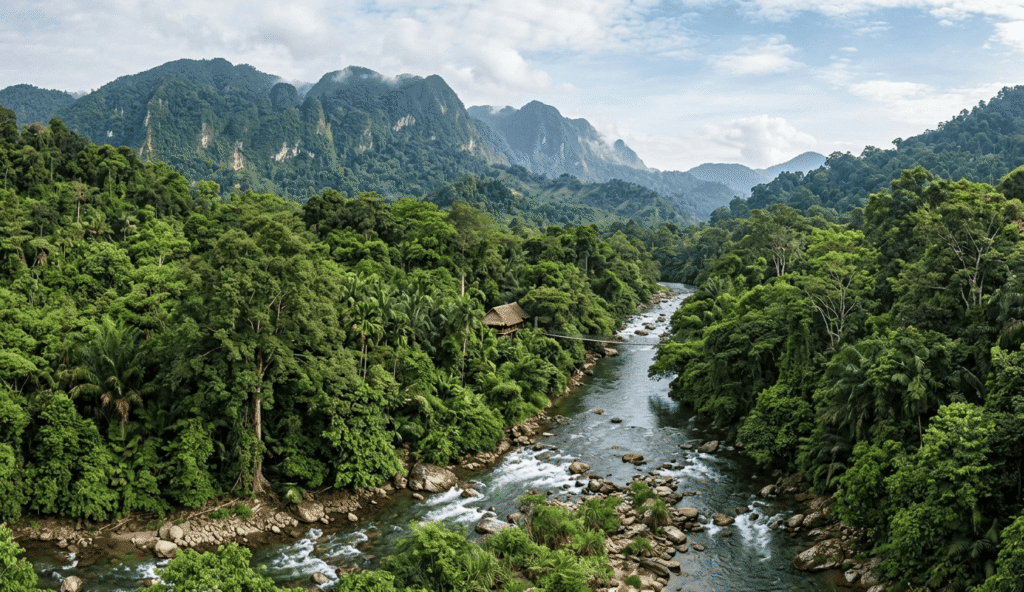
Imagine waking up to the sound of birds, rushing rivers, and monkeys swinging through the trees. No skyscrapers. No traffic. Just dense rainforest stretching endlessly into the wild.
Welcome to Bukit Lawang—one of the most adventurous hidden gems in Indonesia.
Located on the edge of the famous Gunung Leuser National Park in Sumatra, Bukit Lawang is best known for its incredible jungle trekking and rare wildlife encounters. For solo travelers, budget backpackers, and nature lovers, this small riverside village offers an experience that feels straight out of a documentary.
B. Best Time to Visit Bukit Lawang
Ideal months:
- May to September
Expect:
- Less rain
- Better trekking conditions
- More chances to spot wildlife
C. Things to Do in Bukit Lawang
Bukit Lawang is all about wildlife, jungle adventures, and nature.
a. Jungle Trekking to See Orangutans
This is the main reason travelers come here.
Gunung Leuser National Park is home to:
- Wild orangutans
- Monkeys
- Exotic birds
- Dense tropical rainforest
Seeing an orangutan swinging freely through the jungle is unforgettable.
Choose ethical tours that respect wildlife and avoid feeding animals.
b. River Tubing Adventure
After trekking, many tours end with a fun river tubing ride back to the village.
It’s relaxing, refreshing, and surprisingly exciting.
c. Explore Gunung Leuser National Park
This UNESCO-listed rainforest is one of the oldest rainforests in the world.
Perfect for:
- Nature photography
- Wildlife spotting
- Multi-day jungle treks
d. Relax at Riverside Cafés
Bukit Lawang has a peaceful backpacker vibe.
Spend evenings:
- Listening to the river
- Drinking local coffee
- Meeting travelers from around the world
e. Enjoy the Slow Jungle Atmosphere
Sometimes the best thing to do here is… nothing.
Just relax and enjoy the sounds of nature.
D. Accommodation
Bukit Lawang is very budget-friendly.
Budget Guesthouses:
- Price: $5–$15 per night
- Riverside stays available
- Great for backpackers
Mid-Range Eco Lodges:
- Price: $20–$50 per night
- Jungle views
- Better comfort and private bathrooms
E. Travel Tips
a. Pack Light for Treks
Bring:
- Lightweight clothes
- Hiking sandals or shoes
- Insect repellent
The jungle gets hot and humid quickly.
b. Don’t Touch Wildlife
- Orangutans are wild animals.
- Keep distance and follow your guide’s instructions.
c. Waterproof Your Electronics
Rain can appear suddenly in the rainforest.
Carry:
- Dry bags
- Waterproof phone cover
d. Bring Cash
ATMs are limited and sometimes unreliable.
e. Book Ethical Trekking Tours
Avoid operators that:
- Feed orangutans
- Force close interactions
- Disturb wildlife
Responsible tourism matters here.
10. Morotai Island
A. Introduction
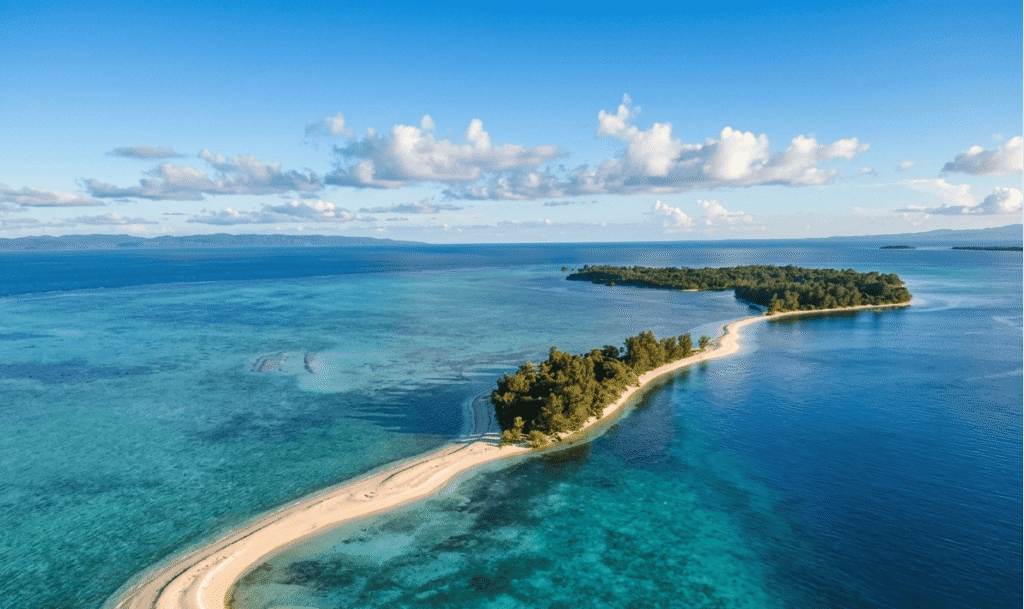
Imagine an island where beaches are empty, the water is crystal clear, and sunsets feel completely untouched by tourism. That’s Morotai Island.
Located in the far north of Indonesia, Morotai is one of the country’s most overlooked destinations. While travelers rush to Bali or Lombok, this remote island quietly offers some of the most peaceful beaches and underwater adventures in the country.
B. Best Time to Visit Morotai Island
Ideal months:
- October to April
Expect:
- Calm ocean conditions
- Sunny days
- Better visibility for snorkeling and diving
C. Things to Do in Morotai Island
Morotai combines tropical beauty with fascinating history.
a. Snorkeling & Diving in Crystal Waters
The marine life here is stunning and still relatively untouched.
Expect:
- Coral reefs
- Tropical fish
- Excellent visibility
Some diving spots even include WWII wrecks underwater.
b. Explore Empty White-Sand Beaches
This is where Morotai truly shines.
Many beaches feel completely private.
Perfect for:
- Relaxing
- Photography
- Watching sunsets
c. Discover WWII History
Morotai played an important role during World War II.
You can explore:
- Old military sites
- Wreckage remains
- Historical landmarks
It adds a unique layer to the island experience.
d. Island Hopping Adventures
Visit nearby small islands with:
- Clear lagoons
- Palm-fringed beaches
- Quiet snorkeling spots
e. Enjoy Peaceful Sunsets
Without crowds or loud nightlife, sunsets here feel calm and personal.
Sometimes, it’s just you and the ocean.
D. Accommodation
Tourism is still developing, so options are simple but affordable.
a. Budget Guesthouses:
- Price: $10–$25 per night
- Basic but comfortable
b. Mid-Range Resorts:
- Price: $35–$80 per night
- Beachfront views
- Air conditioning and tours available
E. Travel Tips
a. Bring Enough Cash
ATMs are limited and may not always work.
b. Internet Can Be Weak
Expect slow or unstable connections in some areas.
c. Pack Snorkeling Gear
Rental options are limited outside tourist spots.
d. Plan Transport Carefully
Flights and ferries can change due to weather.
Always keep extra buffer days in your schedule.
e. Respect Local Communities
- Morotai remains traditional and less commercialized.
- Friendly behavior goes a long way.
11. Alor Island
A. Introduction
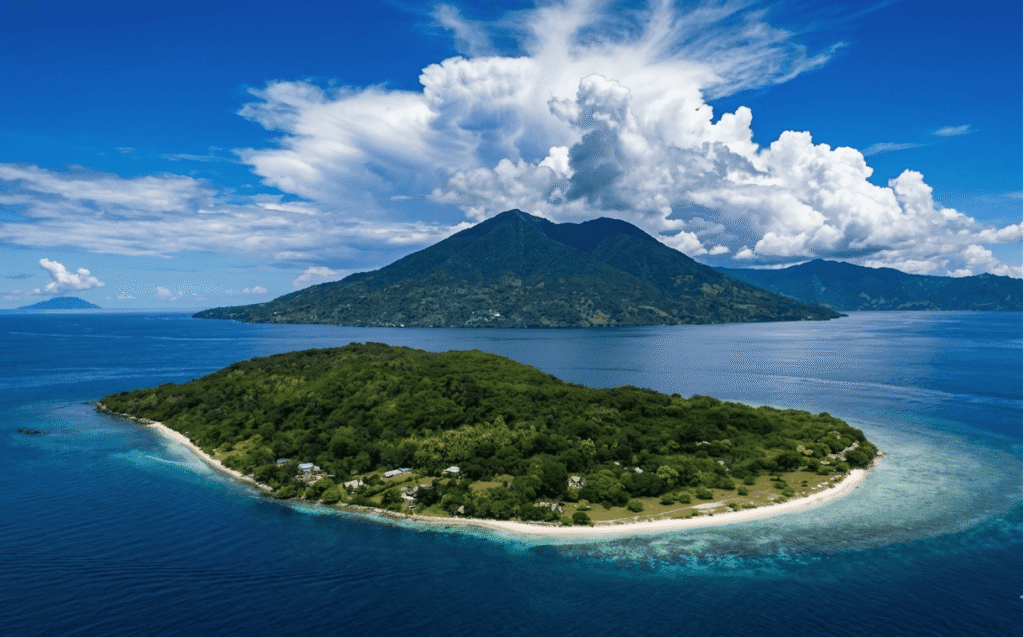
Imagine an island where coral reefs remain untouched, villages still follow ancient traditions, and tourists are almost nowhere to be seen. That’s Alor Island.
Hidden away in eastern Indonesia, Alor is one of the country’s most overlooked destinations. While places like Bali and Komodo attract millions of visitors, Alor quietly offers raw beauty, authentic culture, and some of the clearest waters in Indonesia.
B. Best Time to Visit Alor Island
Ideal months:
- April to November
This season offers:
- Sunny weather
- Calm seas
- Excellent diving visibility
C. Things to Do in Alor Island
Alor is all about adventure, marine life, and cultural experiences.
a. Dive in World-Class Coral Reefs
Alor is famous among divers—but still unknown to mainstream tourists.
The underwater world includes:
- Colorful coral walls
- Rare marine species
- Crystal-clear visibility
Popular dive spots:
- Pura Island
- Kalabahi Bay
Even snorkeling near the shore can be incredible.
b. Relax on Empty Beaches
Many beaches here feel untouched.
You’ll find:
- Black volcanic beaches
- White sand coves
- Calm turquoise water
Without crowds or beach clubs.
c. Visit Traditional Villages
One of Alor’s highlights is its rich local culture.
Explore villages where people still practice:
- Traditional weaving
- Ancient customs
- Tribal ceremonies
d. Island Hopping Adventures
Nearby small islands offer:
- Quiet snorkeling spots
- Fishing villages
- Scenic coastal views
e. Watch Incredible Sunsets
Sunsets in Alor feel peaceful and cinematic.
Especially when viewed from hilltops overlooking the ocean.
D. Accommodation
Tourism in Alor remains small-scale and affordable.
a. Budget Guesthouses:
- Price: $10–$25 per night
- Simple but comfortable
- Family-run accommodations common
b. Mid-Range Eco Resorts:
- Price: $40–$100 per night
- Ocean views
- Diving packages available
E. Travel Tips
a. Internet is Limited
- Expect slow or unstable connections outside towns.
- Perfect for disconnecting from social media.
b. Bring Cash
- Many places don’t accept cards.
- ATMs can also be unreliable.
c. Pack Reef Shoes
Some beaches are rocky or volcanic.
d. Respect Local Culture
- Alor is more traditional than Bali.
- Dress modestly in villages and ask before taking photos.
e. Transportation Takes Time
- Roads can be winding and mountainous.
- Avoid rushing your itinerary.
12. Sawarna Village
A. Introduction
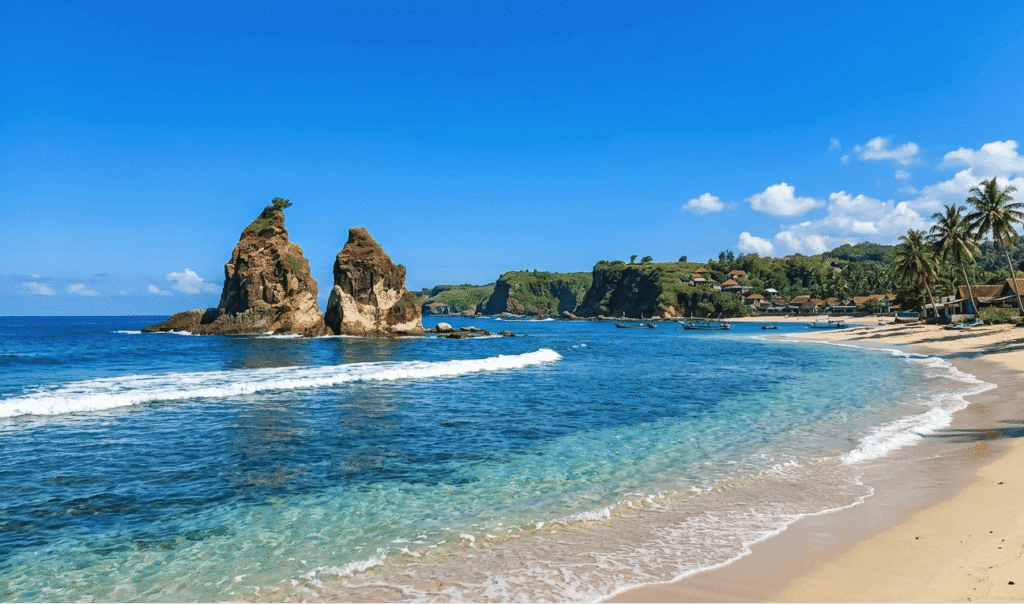
Just a few hours from the busy streets of Jakarta lies a peaceful coastal village that many tourists have never even heard of.
Unlike Bali’s crowded beaches and nightlife, Sawarna offers something simpler and more authentic:
- Empty beaches
- Dramatic cliffs
- Hidden caves
- Local village life
B. Best Time to Visit Sawarna Village
Ideal months:
- April to October
Expect:
- Sunny weather
- Better beach conditions
- Ideal surfing waves
C. Things to Do in Sawarna Village
Sawarna combines beaches, caves, and laid-back village charm.
a. Relax at Sawarna Beach
The main beach is peaceful and scenic.
You’ll find:
- Long stretches of sand
- Strong ocean waves
- Very few crowds
Perfect for relaxing walks and sunset views.
b. Surf the Southern Waves
Sawarna is becoming popular among surfers because of its consistent waves.
Even if you don’t surf, watching experienced surfers ride massive waves is exciting.
c. Explore Tanjung Layar
One of Sawarna’s most famous landmarks.
These giant rock formations rise dramatically from the ocean and are especially beautiful at sunset.
d. Visit Goa Lalay Cave
This cave is one of the village’s hidden attractions.
Inside you’ll find:
- Rock formations
- Cool underground atmosphere
- Thousands of bats at certain times
e. Enjoy Quiet Sunsets Without Crowds
- One of Sawarna’s best features is how peaceful it feels.
- No loud beach clubs. No massive tourist crowds.
D. Accommodation
Sawarna is very affordable for travelers.
a. Budget Homestays:
- Price: $8–$20 per night
- Family-run and simple
- Great for backpackers
b. Mid-Range Beach Stays:
- Price: $25–$60 per night
- Better comfort and ocean views
E. Travel Tips
a. Bring Cash
Small businesses usually don’t accept cards.
b. Mobile Signal Can Be Weak
Internet is available but not always reliable.
c. Swim Carefully
- Waves can be strong on some beaches.
- Always pay attention to local warnings.
d. Rent a Scooter
It’s the best way to explore nearby beaches and caves.
e. Visit on Weekdays
- Weekends can attract domestic tourists from Jakarta.
- Weekdays feel much quieter.
Budget & Travel Tips
Budget Tips
- Stay in homestays ($5–$15/night)
- Eat local food (very cheap)
- Use ferries instead of flights
Safety Tips
- Avoid isolated travel at night
- Keep copies of documents
- Respect local laws
Cultural Tips
- Dress modestly in villages
- Learn basic Indonesian phrases
- Respect traditions
Frequently Asked Questions (FAQs)
1. What are the best hidden gems in Indonesia?
Ora Beach, Togean Islands, and Wae Rebo Village are top picks.
2. Is Indonesia cheap for travel?
Yes, especially if you avoid tourist hotspots.
3. Are hidden places safe?
Generally yes, but always take precautions.
4. Do I need a visa?
Depends on your country—many get visa on arrival.
5. Best time to visit Indonesia?
April to October (dry season).
6. Is English spoken?
Basic English is spoken in tourist areas.
7. How to travel between islands?
Flights, ferries, and boats.
8. Are these places good for solo travelers?
Yes, especially for adventure seekers.
9. Internet availability?
Limited in remote areas.
10. What to pack?
Light clothes, cash, and essentials.
Conclusion
Indonesia is full of surprises. While most travelers rush to Bali, the real beauty lies in its hidden corners—places where nature feels untouched and experiences feel real. Because sometimes, the best destinations… are the ones no one talks about.
Ready for more adventure? Discover these dreamlike places on Earth that look too surreal to be real.