Italy is a country full of incredible places, from the historic streets of Rome and the romantic canals of Venice to the stunning architecture of Florence and the beautiful Amalfi Coast. These famous destinations attract millions of visitors every year, but there is so much more to explore beyond Italy’s well-known tourist attractions.
Scattered across the country are charming medieval villages, colorful coastal towns, ancient cave settlements, beautiful countryside, and historic cities that offer a closer look at Italy’s rich culture and heritage.
Imagine strolling through a medieval village perched on the edge of an eroding cliff, exploring ancient homes carved into limestone caves, admiring traditional stone houses with unique cone-shaped roofs, or spending a peaceful afternoon overlooking the Mediterranean Sea. These places offer unforgettable experiences and show just how diverse Italy can be beyond its famous landmarks.
Whether you love history, architecture, nature, photography, local food, or relaxing seaside escapes, these destinations have something special to offer every traveler.
And while you’re discovering Italy, don’t miss its delicious cuisine! Check out our guide to Traditional Italian Dishes You Can’t Miss (Ultimate Food Guide) for a closer look at the country’s must-try foods and regional specialties.
If you’re looking to explore a different side of the country and discover places beyond the usual tourist routes, here are 10 underrated places in Italy you need to visit.
1. Civita di Bagnoregio
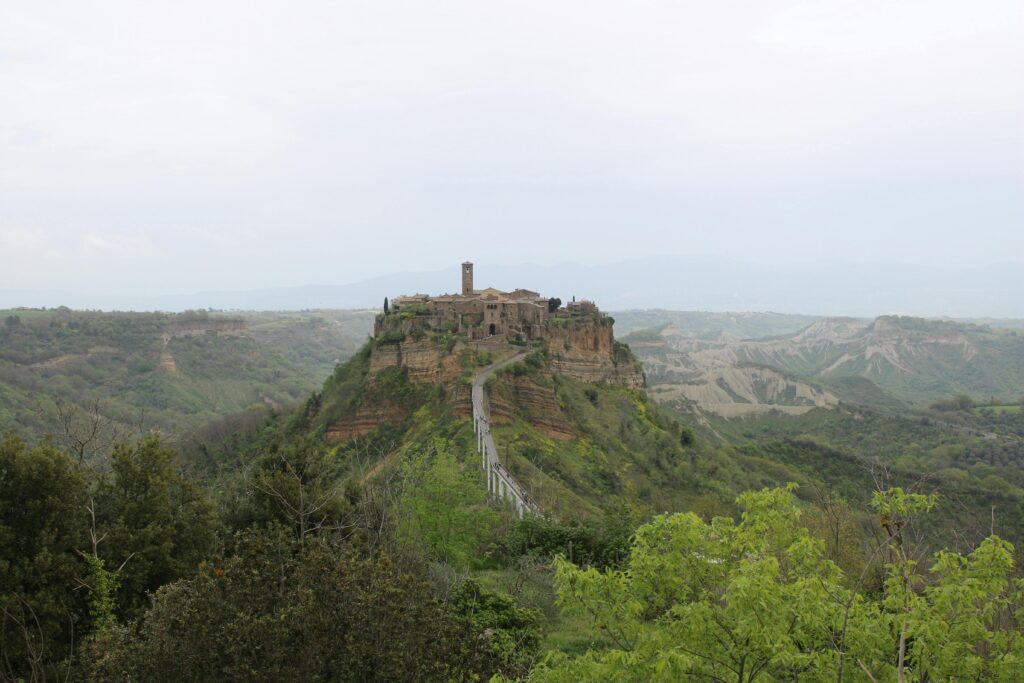
Civita di Bagnoregio is one of the most extraordinary medieval villages in Italy. Located in the province of Viterbo, in the Lazio region, this small settlement sits dramatically on top of a steep hill made of volcanic tuff, surrounded by a stunning landscape of eroded clay hills and deep ravines.
Often called the “Dying City” (La Città che Muore), Civita di Bagnoregio gets its unusual nickname from the continuous erosion affecting the cliffs beneath it. Over the centuries, landslides, wind, and rain have gradually worn away the surrounding landscape, making the village a fascinating example of how nature can shape and threaten human settlements.
Despite its fragile location, Civita di Bagnoregio remains one of Italy’s most beautiful and fascinating destinations.
A. What Makes Civita di Bagnoregio Special?
One of the most striking features of Civita di Bagnoregio is its dramatic entrance. The village is connected to the nearby town of Bagnoregio by a long pedestrian bridge that stretches across a deep valley.
Walking across the bridge offers spectacular views of the surrounding cliffs and the isolated medieval settlement. As you approach the village, its stone buildings, narrow streets, ancient walls, and terracotta rooftops create the feeling of stepping back in time.
Once inside, visitors can wander through peaceful lanes, explore small squares, admire historic buildings, and discover traditional Italian stone architecture.
The atmosphere is very different from what you might experience in Italy’s larger cities. Instead of busy roads and modern buildings, you’ll find quiet corners, flower-covered balconies, cozy restaurants, and beautiful viewpoints overlooking the surrounding countryside.
B. Top Attractions in Civita di Bagnoregio
- Porta Santa Maria: The historic gateway to the village, marked by an ancient stone entrance that welcomes visitors into its medieval streets.
- Piazza San Donato: The main square and heart of the village, surrounded by historic buildings and the beautiful Church of San Donato.
- Church of San Donato: A historic church that reflects the village’s religious heritage and traditional architecture.
- Valle dei Calanchi: A dramatic landscape of clay hills, deep gullies, and eroded rock formations that gives Civita di Bagnoregio its distinctive appearance.
- Geological and Landslide Museum: An interesting place to learn about the area’s geology, the erosion process, and the natural challenges threatening the village.
C. Things to Experience in Civita di Bagnoregio
Walking across the pedestrian bridge is an essential part of visiting Civita di Bagnoregio. Take your time to enjoy the scenery, admire the cliffs, and capture photographs of the village from different angles.
Once inside, explore the narrow medieval streets, enjoy traditional Italian food at a local restaurant, and discover the small courtyards, historic corners, and scenic viewpoints.
If you enjoy photography, early morning and late afternoon are particularly beautiful times to visit. The softer sunlight creates lovely views of the medieval buildings and the surrounding cliffs.
D. Why Visit Civita di Bagnoregio?
Civita di Bagnoregio is an ideal destination for travelers who love unusual landscapes, medieval architecture, and places with fascinating histories. Its combination of natural beauty, historic charm, and dramatic location makes it one of the most memorable hidden gems in central Italy.
It’s also a wonderful place to discover how natural forces have influenced the development, preservation, and survival of historic settlements. If you’re looking for a destination that offers something different from Italy’s famous tourist cities, Civita di Bagnoregio is definitely worth adding to your travel list.
2. Alberobello
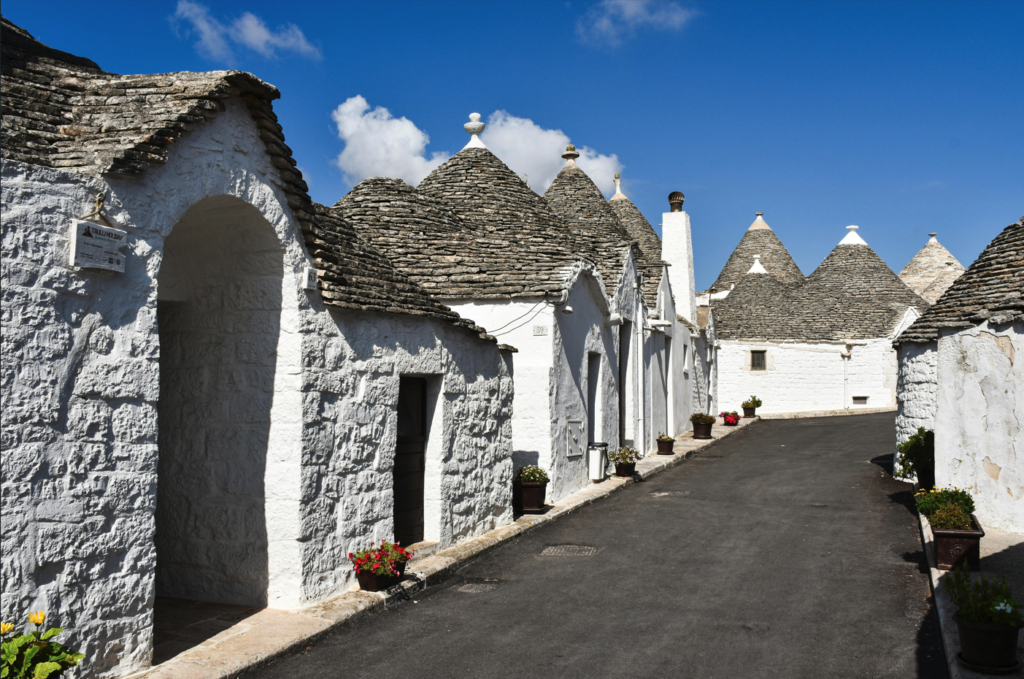
Alberobello is one of the most visually unique destinations in southern Italy. Located in the beautiful Itria Valley in the Puglia region, this charming town is famous for its traditional stone houses known as trulli.
These unusual buildings feature whitewashed walls and distinctive cone-shaped roofs made from local limestone. Their fairytale-like appearance gives Alberobello a look that is unlike almost anywhere else in Italy.
While many historic Italian towns showcase a mix of architectural styles from different periods, Alberobello stands out for its remarkable collection of traditional trulli houses. Its historic districts were recognized as a UNESCO World Heritage Site in 1996, making the town an important destination for anyone interested in architecture and cultural heritage.
A. What Makes Alberobello Special?
The trulli are what make Alberobello so special. Traditionally built using dry-stone construction techniques, these unique houses feature thick stone walls and conical roofs made without mortar.
Some of the roofs are decorated with painted symbols, including religious, decorative, and traditional designs. These symbols have different origins and meanings, adding another fascinating detail to the town’s architectural character.
Walking through Alberobello feels like exploring an open-air museum. Narrow streets wind between clusters of white stone houses, while flower-covered balconies, charming cafés, and traditional shops add to the town’s welcoming atmosphere.
Beyond its unusual architecture, Alberobello is also a wonderful place to experience the culture, countryside, and traditional cuisine of Puglia.
C. Top Attractions in Alberobello
- Rione Monti: The town’s most famous trulli district, featuring hundreds of traditional stone houses lined along picturesque streets.
- Aia Piccola: A quieter historic neighborhood where visitors can experience a more traditional side of Alberobello and see trulli that are still used as homes.
- Trullo Sovrano: A remarkable two-story trullo that offers a closer look at traditional construction techniques and everyday life in these unusual houses.
- Church of Sant’Antonio: A distinctive church built in the shape and architectural style of a traditional trullo.
- Trullo Siamese: An unusual double-roofed trullo associated with local stories and legends.
D. Things to Experience in Alberobello
Exploring the Rione Monti and Aia Piccola districts on foot is one of the best ways to experience Alberobello. Take your time wandering through the narrow streets, visiting traditional trulli houses, and learning about the construction techniques behind these fascinating buildings.
You can also stop by local artisan shops to find handmade souvenirs, ceramics, and traditional products that reflect the region’s culture.
Food lovers shouldn’t miss the chance to try some of Puglia’s regional specialties, including orecchiette pasta, focaccia barese, creamy burrata cheese, and locally produced olive oil.
If you have more time, explore the surrounding Itria Valley. Its beautiful countryside is filled with olive groves, vineyards, winding country roads, and other charming towns worth discovering.
E. Why Visit Alberobello?
Alberobello is an excellent destination for travelers who love architecture, cultural heritage, and unusual places. Its traditional trulli houses create a landscape that is truly different from anywhere else in Italy.
The town is especially appealing to photographers, history enthusiasts, and travelers interested in discovering the traditional building styles and rural heritage of southern Italy. If you’re looking for a destination that combines fascinating architecture, local culture, and beautiful surroundings, Alberobello deserves a place on your Italian travel itinerary.
3. Matera
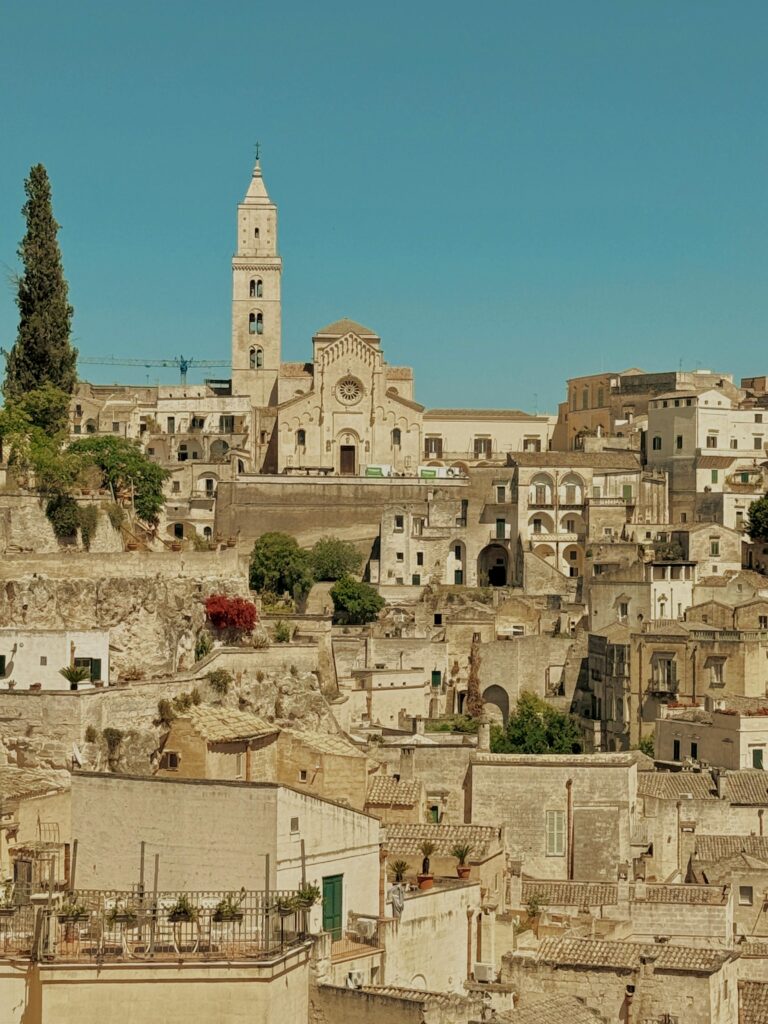
Matera is one of the oldest continuously inhabited settlements in the world and one of the most fascinating historic destinations in Italy. Located in the Basilicata region of southern Italy, Matera is internationally famous for its extraordinary ancient cave settlements, known as the Sassi di Matera.
These historic neighborhoods are built into the rocky landscape, with houses, churches, stairways, and other structures carved directly into the limestone. The result is a remarkable cityscape where buildings seem to blend naturally into the surrounding rock formations, creating a view unlike anywhere else in Italy.
A. What Makes Matera Special?
The Sassi districts, known as Sasso Caveoso and Sasso Barisano, form the historic heart of Matera. For thousands of years, people adapted the natural caves and rocky surroundings to create homes, storage spaces, places of worship, and other essential facilities.
Many of these cave dwellings were occupied by generations of families. However, by the twentieth century, overcrowding and poor living conditions had become serious problems. During the 1950s, the Italian government organized the relocation of many residents from the Sassi districts.
Over the following decades, restoration and preservation projects helped transform Matera into an important cultural and tourism destination. Today, many former cave dwellings have been carefully restored and converted into museums, boutique hotels, restaurants, and cultural spaces.
Matera’s historic Sassi districts and the nearby rock churches were designated a UNESCO World Heritage Site in 1993, recognizing their outstanding historical and cultural importance.
B. Top Attractions in Matera
- Sasso Caveoso: One of Matera’s most atmospheric historic districts, featuring ancient cave dwellings and dramatic views across the rocky landscape.
- Sasso Barisano: A fascinating neighborhood filled with restored cave houses, traditional stone streets, small shops, and restaurants.
- Matera Cathedral: A beautiful Romanesque cathedral located on the highest point of the Civita district, offering impressive views of the surrounding city.
- Church of San Pietro Caveoso: A historic church overlooking the spectacular Gravina ravine, surrounded by Matera’s ancient cave settlements.
- Casa Grotta: A recreated traditional cave home that gives visitors an idea of how local families once lived, including their furniture, household items, and everyday belongings.
- Palombaro Lungo: An impressive underground water cistern beneath Piazza Vittorio Veneto, showcasing how the city historically collected and stored water.
C. Things to Experience in Matera
One of the best ways to discover Matera is by exploring its historic districts on foot.
Wander through winding stairways, ancient stone passages, cave churches, and panoramic viewpoints. Visiting a traditional cave house is particularly worthwhile, as it offers an interesting glimpse into the everyday lives of earlier generations.
You can also explore the surrounding Murgia Materana landscape, where ancient rock churches, dramatic limestone formations, and rugged natural scenery create an extraordinary mix of history and nature.
For a memorable experience, consider staying in a restored cave hotel. These unique accommodations allow you to experience Matera’s historic architecture firsthand and enjoy the peaceful atmosphere of the city after sunset.
D. Why Visit Matera?
Matera is an exceptional destination for travelers interested in ancient civilizations, architecture, human history, and traditional ways of life.
Its remarkable cave neighborhoods offer a glimpse into thousands of years of human adaptation, making it much more than just another beautiful Italian city.
It’s also an excellent choice for travelers looking for something different from the usual European city experience. With its ancient cave dwellings, fascinating history, and extraordinary landscapes, Matera is undoubtedly one of the most memorable hidden gems in southern Italy.
4. Procida
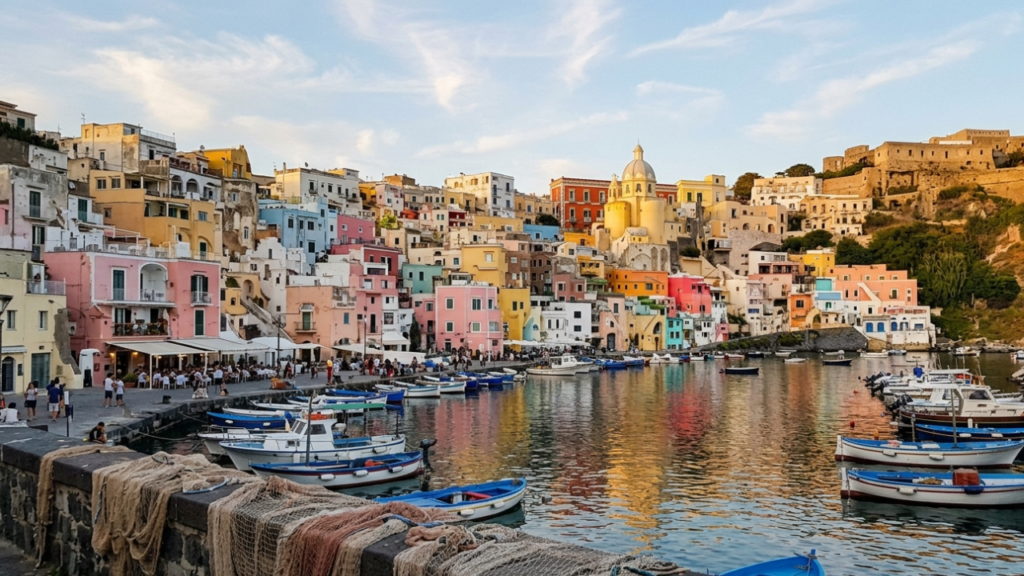
Procida is a small and beautiful island located in the Bay of Naples, off the coast of southern Italy. While its neighboring islands, Capri and Ischia, are internationally famous tourist destinations, Procida offers a quieter and more traditional atmosphere.
The island is particularly known for its colorful houses, fishing traditions, narrow streets, scenic harbors, and beautiful Mediterranean views. Its relaxed character makes it an excellent destination for travelers looking to experience a quieter and more traditional side of coastal Italy.
A. What Makes Procida Special?
One of the first things visitors notice about Procida is its colorful architecture. Buildings painted in shades of pink, yellow, orange, blue, and white create a beautiful contrast against the deep blue waters of the Mediterranean Sea.
The island’s most recognizable spot is Marina Corricella, a picturesque fishing harbor surrounded by closely packed pastel-colored houses. It’s one of the most photographed places on the island and a wonderful spot to enjoy the traditional coastal atmosphere.
Procida’s fishing heritage also remains an important part of its identity. Fishing boats, small waterfront restaurants, and quiet streets give the island a local character that feels different from many of Italy’s busier coastal destinations.
The island also gained international attention when it was named Italy’s Capital of Culture for 2022, highlighting its artistic, historical, and cultural importance.
B. Top Attractions in Procida
- Marina Corricella: The island’s most famous harbor, known for its colorful houses, traditional fishing boats, and waterfront restaurants.
- Terra Murata: A historic fortified settlement located at the island’s highest point, offering spectacular views of the surrounding coastline and sea.
- Palazzo d’Avalos: A historic complex in Terra Murata with an important architectural and cultural past, once used as a royal palace and later as a prison.
- Marina Grande: The island’s main port and one of the first places visitors see when arriving in Procida. It’s surrounded by shops, cafés, and colorful buildings.
- Chiaiolella: A beautiful coastal area known for its beach, marina, waterfront restaurants, and relaxed atmosphere.
- Vivara: A small protected nature reserve connected to Procida by a pedestrian bridge, offering beautiful natural scenery and a chance to discover the island’s wildlife and vegetation.
C. Things to Experience in Procida
Walking through Marina Corricella is one of the best ways to experience Procida. Take your time photographing the colorful buildings, watching the fishing boats, and enjoying a relaxing meal at one of the waterfront restaurants.
Explore Terra Murata to discover the island’s history, wander through its narrow streets, and admire the panoramic views from the hilltop. You can also spend a relaxing afternoon at one of the island’s beaches, take a boat excursion around the coastline, or simply enjoy a coffee at a traditional local café.
And don’t leave without trying lingua di bue, a famous local pastry traditionally filled with lemon cream. Its crispy, elongated shape and sweet citrus filling make it one of Procida’s most recognizable treats.
D. Why Visit Procida?
Procida is an ideal destination for travelers who love colorful coastal scenery, traditional fishing culture, and a relaxed island atmosphere.
It offers the beauty and charm of southern Italy without attracting the same level of international attention as some of its more famous neighboring islands.
Whether you want to explore picturesque harbors, enjoy delicious local food, discover historic neighborhoods, or simply relax by the Mediterranean Sea, Procida is a wonderful place to experience a different side of Italy.
5. Val d’Orcia
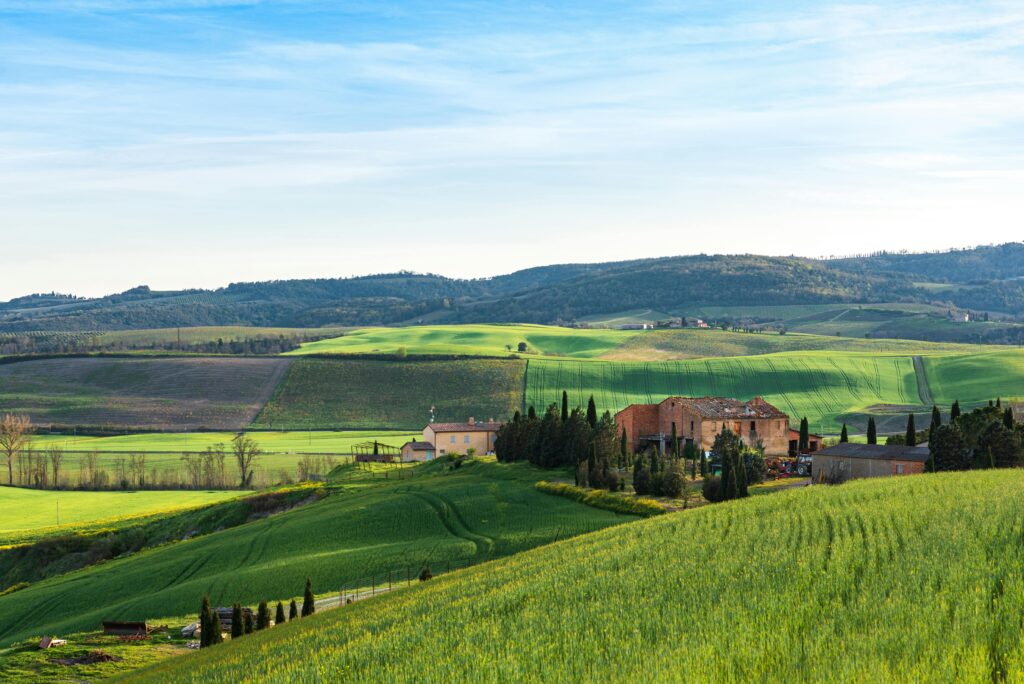
Val d’Orcia is one of the most beautiful countryside destinations in Italy.
Located in southern Tuscany, in the province of Siena, this extraordinary region is famous for its rolling hills, winding country roads, vineyards, historic farmhouses, medieval villages, and rows of elegant cypress trees.
Unlike a single town or village, Val d’Orcia is an entire cultural landscape made up of historic settlements, agricultural land, and picturesque countryside. Its breathtaking scenery and historical importance earned it recognition as a UNESCO World Heritage Site in 2004.
A. What Makes Val d’Orcia Special?
Val d’Orcia is a wonderful example of how nature and human activity can come together to create an extraordinary landscape. During the Renaissance, the region’s countryside was carefully shaped through agricultural development and ideas about harmonious landscape design.
Today, much of its traditional rural character remains beautifully preserved. Golden fields, green rolling hills, isolated farmhouses, vineyards, and medieval villages create scenery that looks almost like a painting.
The landscape also changes throughout the year, giving visitors a different experience in every season. Spring brings fresh greenery and colorful vegetation, while summer transforms the countryside into beautiful golden fields. Autumn is particularly attractive for its vineyard scenery, harvest season, and changing colors.
B. Top Attractions in Val d’Orcia
- Pienza: A beautiful Renaissance town known for its historic architecture, elegant streets, panoramic views, and traditional pecorino cheese.
- Montalcino: A historic hilltop town famous for its medieval fortress, charming streets, and world-renowned Brunello di Montalcino wine.
- San Quirico d’Orcia: A charming medieval town surrounded by beautiful countryside, historic churches, and traditional Italian gardens.
- Bagno Vignoni: A small historic village famous for its large thermal water basin located in the center of its main square.
- Chapel of Madonna di Vitaleta: A picturesque chapel surrounded by open fields and cypress trees, making it one of the most photographed spots in the Tuscan countryside.
- Castiglione d’Orcia: A historic hilltop village offering spectacular views of the surrounding countryside and the rolling hills of Val d’Orcia.
C. Things to Experience in Val d’Orcia
Driving through Val d’Orcia is one of the best ways to appreciate its natural beauty. Take your time exploring the winding country roads, stopping at scenic viewpoints, visiting traditional villages, and discovering local farms along the way.
Food and wine are also an important part of the experience. Try Pienza’s famous pecorino cheese, traditional Tuscan pasta, locally produced olive oil, and regional wines.
If you’re looking for relaxation, visit the thermal springs around Bagno Vignoni or Bagni San Filippo, where you can enjoy the region’s natural hot springs.
Photography enthusiasts shouldn’t miss the famous cypress-lined roads, isolated farmhouses, and beautiful viewpoints overlooking the rolling hills. Early mornings and late afternoons are particularly lovely times to capture the countryside.
D. Why Visit Val d’Orcia?
Val d’Orcia is an ideal destination for travelers who want to experience the natural beauty, traditional culture, and rural heritage of Italy.
It offers a slower and more peaceful travel experience compared with major Italian cities, allowing visitors to discover traditional food, historic villages, agricultural landscapes, and beautiful countryside.
For anyone dreaming of experiencing the classic Tuscan landscape, Val d’Orcia is a destination that deserves a place on their Italian travel itinerary.
6. Trieste
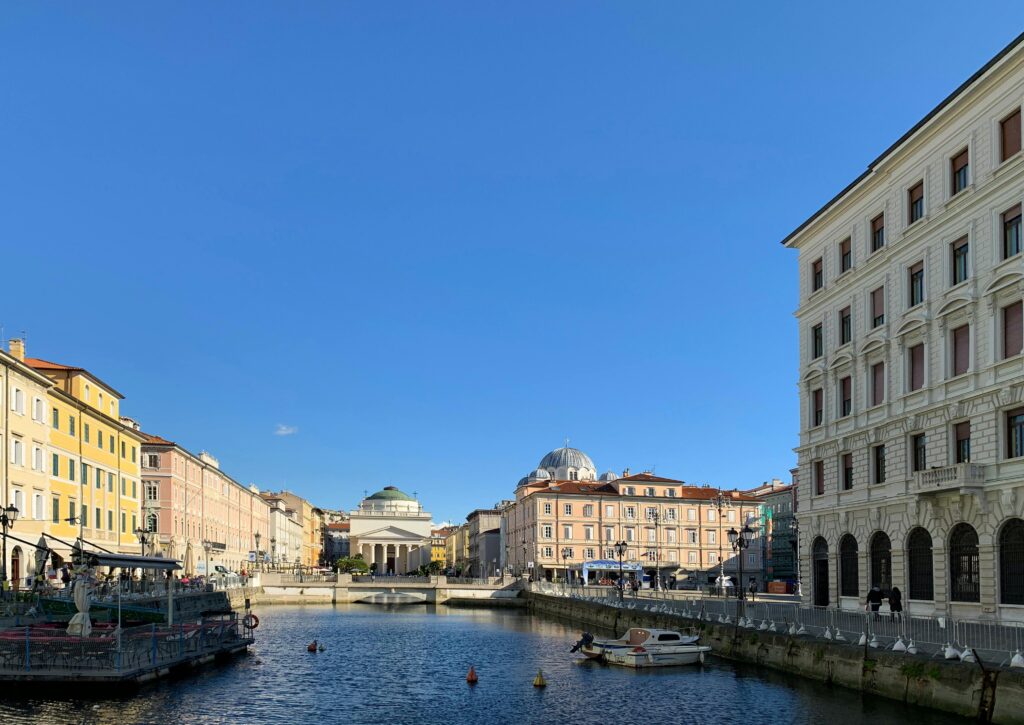
Located in northeastern Italy, near the border with Slovenia, Trieste is a fascinating city with a cultural identity shaped by several European influences.
Unlike the typical image of Italy, often associated with Roman ruins, Mediterranean villages, and Renaissance architecture, Trieste has a distinctive Central European atmosphere.
Its history as an important port of the Austro-Hungarian Empire played a major role in shaping its architecture, cuisine, literature, and cultural traditions.
Today, the city offers an interesting mix of Italian character, Habsburg heritage, and influences from neighboring Central European and Balkan regions.
A. What Makes Trieste Special?
Trieste’s location and history make it one of the most culturally distinctive cities in Italy. For centuries, it served as an important trading port and commercial center, connecting different parts of Europe through maritime trade.
The city is particularly famous for its grand squares, historic buildings, elegant cafés, and beautiful waterfront overlooking the Adriatic Sea.
Its literary heritage is another important part of its identity. Several well-known writers, including James Joyce, lived and worked in Trieste, leaving a lasting connection between the city and European literature.
Trieste’s coffee culture is equally fascinating. Coffee has played an important role in the city’s commercial and social history, and its traditional cafés remain an essential part of local life.
B. Top Attractions in Trieste
- Piazza Unità d’Italia: One of Europe’s largest squares directly overlooking the sea, surrounded by impressive historic buildings and elegant architecture.
- Miramare Castle: A beautiful nineteenth-century castle built on a rocky promontory overlooking the Adriatic Sea, surrounded by picturesque gardens.
- Canal Grande: A charming canal in the heart of the city, lined with historic buildings, cafés, and beautiful bridges.
- San Giusto Castle: A historic fortress located on a hilltop, offering panoramic views of Trieste, its harbor, and the surrounding landscape.
- San Giusto Cathedral: An important religious landmark featuring a fascinating blend of architectural styles and centuries of history.
- Grotta Gigante: A spectacular underground cave near Trieste, famous for its enormous natural chamber and impressive limestone formations.
C. Things to Experience in Trieste
Spend some time exploring Piazza Unità d’Italia, enjoy a traditional Italian coffee in one of the city’s historic cafés, and take a relaxing walk along the waterfront.
Visit Miramare Castle to admire its architecture, explore its beautiful gardens, and enjoy breathtaking views of the Adriatic Sea. You can also discover Trieste’s literary heritage by exploring places connected to famous writers and experiencing the city’s long-standing coffee culture.
Food lovers should try local dishes that reflect Trieste’s multicultural background. Some regional specialties include jota, a traditional soup made with beans, sauerkraut, and potatoes, along with local pastries, seafood, and other Central European-inspired dishes.
D. Why Visit Trieste?
Trieste is an excellent destination for travelers who enjoy history, architecture, literature, and cultural diversity.
Its unique combination of Italian traditions, Austrian heritage, and influences from neighboring regions makes it quite different from many other Italian destinations.
It’s also a wonderful place for anyone interested in discovering the historical and cultural connections between Italy, Central Europe, and the Balkans. If you’re looking for a city that offers a different perspective on Italian culture, Trieste is definitely worth exploring.
7. Sperlonga
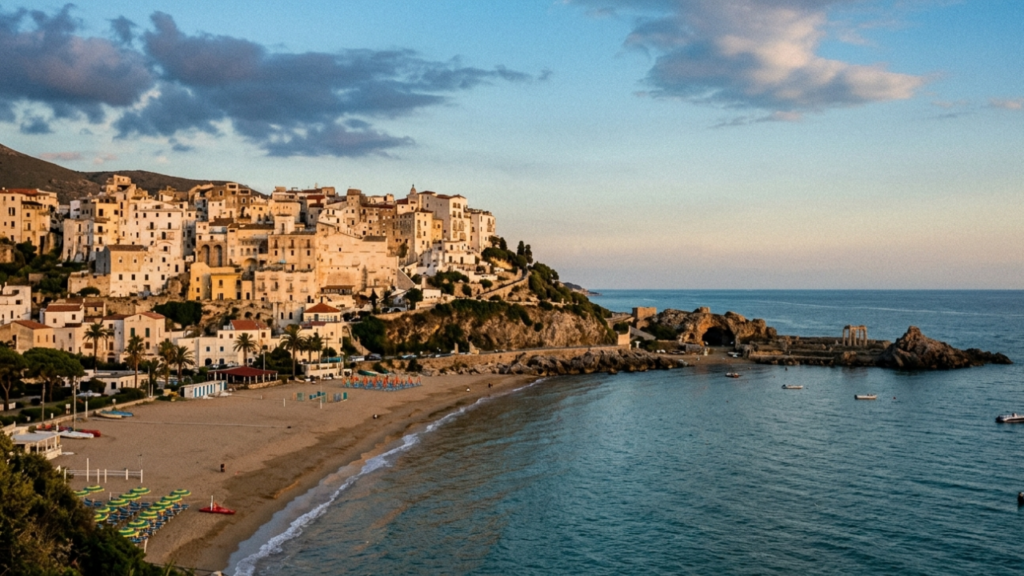
Sperlonga is a picturesque seaside town located along the Tyrrhenian coast in the Lazio region, between Rome and Naples.
Known for its whitewashed buildings, narrow streets, beautiful beaches, and crystal-clear waters, Sperlonga is one of the most attractive coastal destinations in central Italy.
Despite its beautiful scenery and rich history, the town often receives less international attention than some of Italy’s more famous coastal destinations.
Its combination of traditional architecture, archaeological treasures, and a relaxing beach atmosphere makes Sperlonga an excellent destination for a summer getaway.
A. What Makes Sperlonga Special?
The historic center of Sperlonga sits on a rocky promontory overlooking the Tyrrhenian Sea. Its whitewashed buildings, narrow stairways, charming squares, and flower-covered balconies give the town a beautiful Mediterranean character.
Sperlonga’s history dates back to ancient times, and the surrounding coastline was once home to Roman villas and luxurious residences belonging to wealthy Romans.
One of the area’s most important archaeological discoveries is the remains of the Villa of Emperor Tiberius, an ancient seaside residence associated with remarkable sculptural groups inspired by Greek mythology.
The town’s beaches are another major attraction, offering long stretches of golden sand, clear waters, and beautiful views of the Mediterranean coastline.
B. Top Attractions in Sperlonga
- Historic Old Town: Wander through whitewashed streets, admire traditional houses, explore charming squares, and enjoy scenic viewpoints overlooking the sea.
- Torre Truglia: A historic coastal watchtower overlooking the harbor, originally built to help protect the coastline from attacks and pirate raids coming from the sea.
- Villa of Tiberius: Explore the archaeological remains of an ancient Roman seaside villa associated with Emperor Tiberius and its fascinating collection of sculptures.
- National Archaeological Museum of Sperlonga: Discover remarkable ancient sculptures found at the Villa of Tiberius, including dramatic works depicting scenes from Greek mythology.
- Spiaggia di Levante: A popular beach known for its beautiful coastal scenery, soft sand, and clear Mediterranean waters.
- Spiaggia di Ponente: Another attractive stretch of coastline, offering a relaxing setting for swimming, sunbathing, and enjoying the seaside atmosphere.
C. Things to Experience in Sperlonga
Spend your morning exploring the historic town before heading to one of its beautiful beaches for a relaxing afternoon. Walk through the narrow streets, browse traditional shops, discover charming little squares, and enjoy panoramic views from different corners of the old town.
History enthusiasts should visit the archaeological museum to learn more about the area’s Roman heritage and see the extraordinary sculptures discovered at the Villa of Tiberius.
For food lovers, fresh seafood is one of the highlights of Sperlonga. Enjoy locally prepared fish dishes, traditional pasta, and Mediterranean specialties at a restaurant overlooking the sea.
You can also take a relaxing coastal walk, enjoy a swim in the clear waters, or simply spend some time watching the sunset along the shoreline.
D. Why Visit Sperlonga?
Sperlonga is an ideal destination for travelers looking for a combination of history, beautiful coastal scenery, and relaxation. It offers the charm of a traditional Mediterranean village while providing access to stunning beaches, fascinating archaeological sites, and delicious local cuisine.
If you’re looking for a peaceful seaside escape away from some of Italy’s busier tourist destinations, Sperlonga is definitely worth adding to your travel itinerary.
8. Orvieto
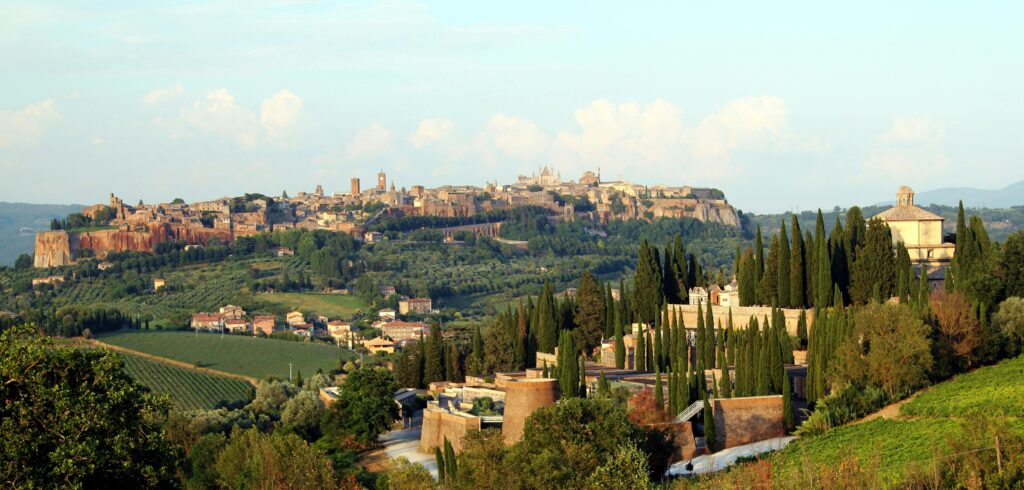
Orvieto is a remarkable historic city located in the Umbria region of central Italy.
Perched dramatically on a massive volcanic tuff plateau, the city is famous for its magnificent cathedral, medieval streets, historic architecture, and fascinating underground network.
Its elevated position offers beautiful views of the surrounding countryside, while its historic center preserves centuries of Italian art, culture, and architectural heritage.
Orvieto is particularly appealing to travelers who enjoy exploring historic cities surrounded by beautiful natural landscapes.
A. What Makes Orvieto Special?
Orvieto has ancient Etruscan origins and developed into an important settlement over several historical periods. Its location on a volcanic plateau made it naturally defensible and played an important role in shaping the city’s development.
One of its most impressive landmarks is Orvieto Cathedral, also known as the Duomo di Orvieto.
This magnificent Gothic cathedral features an elaborate façade decorated with intricate sculptures, colorful mosaics, and beautiful architectural details, making it one of the most impressive religious buildings in Italy.
Another fascinating feature of Orvieto is its underground city. Beneath its streets lies a network of caves, tunnels, wells, and ancient spaces that reveal how generations of residents adapted to life on the rocky plateau.
B. Top Attractions in Orvieto
- Orvieto Cathedral: A spectacular Gothic cathedral famous for its elaborate façade, colorful mosaics, intricate sculptures, and impressive artistic details.
- Pozzo di San Patrizio: A remarkable sixteenth-century well designed with two spiral staircases that allowed people and animals to travel up and down without crossing paths.
- Orvieto Underground: An extensive network of caves, tunnels, and underground spaces that offers a fascinating look into different periods of the city’s history.
- Torre del Moro: A historic tower offering panoramic views across Orvieto’s rooftops and the surrounding Umbrian countryside.
- Piazza della Repubblica: A historic square surrounded by important buildings, traditional architecture, and charming streets.
- Etruscan Necropolis of Crocifisso del Tufo: An archaeological site containing ancient Etruscan tombs that provide insight into the burial traditions and history of the region’s early inhabitants.
C. Things to Experience in Orvieto
Start your visit by exploring the historic center and admiring the magnificent Orvieto Cathedral. Take your time wandering through the medieval streets, discovering small squares, historic buildings, and charming local shops.
A guided tour of Orvieto Underground is another experience worth adding to your itinerary. It allows you to explore hidden caves, ancient tunnels, and underground structures that reveal how people lived and worked beneath the city.
Visit Pozzo di San Patrizio to see its unusual double-helix staircase, and climb Torre del Moro for beautiful views of the city and surrounding countryside.
Food lovers should also explore Orvieto’s traditional restaurants and discover the flavors of Umbrian cuisine.
Popular regional specialties include handmade pasta, truffles, local cheeses, cured meats, and Orvieto’s famous white wine.
D. Why Visit Orvieto?
Orvieto is an excellent destination for travelers interested in medieval architecture, ancient civilizations, history, and unusual underground attractions.
Its combination of dramatic natural surroundings, impressive historic monuments, and traditional Italian culture makes it one of the most rewarding destinations to explore in central Italy.
If you’re looking for a historic Italian city with fascinating architecture, hidden underground attractions, and beautiful countryside views, Orvieto is definitely worth visiting.
9. San Gimignano
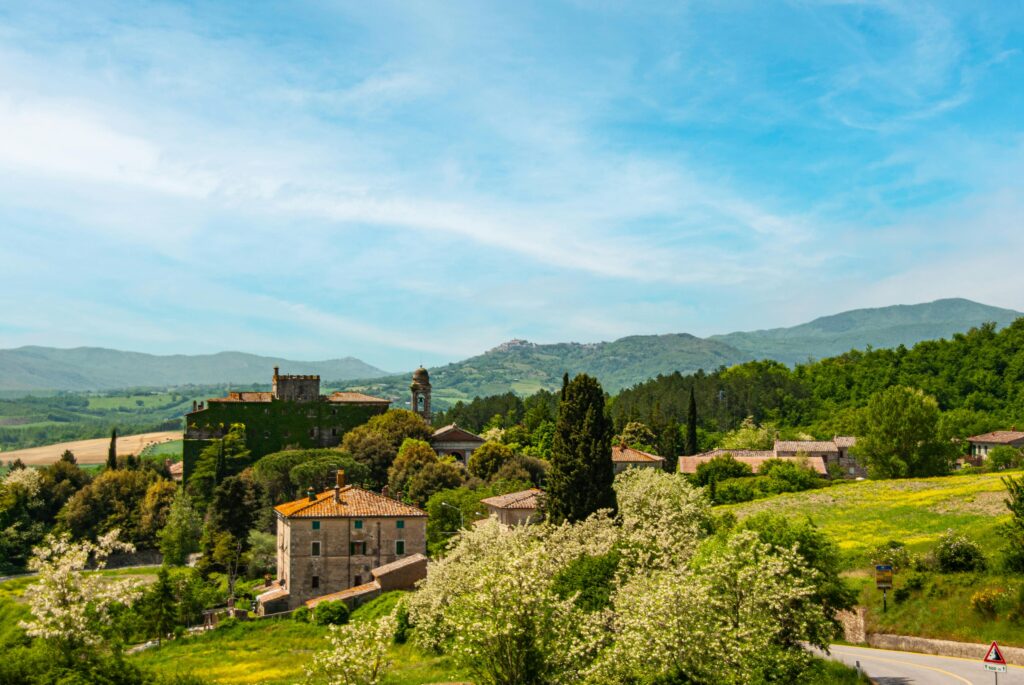
San Gimignano is a beautiful medieval hilltop town in the province of Siena, Tuscany.
Often called the “Town of Fine Towers,” it is famous for its historic skyline, where medieval stone towers rise above the surrounding countryside.
During the Middle Ages, wealthy families built towers as symbols of their power, wealth, and social status. Although many of the original towers have disappeared over the centuries, San Gimignano still preserves a remarkable collection of them.
Today, its historic center is a UNESCO World Heritage Site, recognized in 1990 for its outstanding medieval architecture and well-preserved urban landscape.
A. What Makes San Gimignano Special?
The most distinctive feature of San Gimignano is its impressive medieval skyline. As you approach the town, its stone towers come into view above the surrounding vineyards, olive groves, and rolling Tuscan hills.
Walking through the historic center feels like stepping back into medieval Italy. Narrow streets, historic squares, stone buildings, and traditional shops give the town a charming atmosphere and preserve much of its historic character.
San Gimignano is also known for its local agricultural products, particularly Vernaccia di San Gimignano, a well-known white wine produced in the surrounding area.
C. Top Attractions in San Gimignano
- Piazza della Cisterna: A beautiful triangular medieval square surrounded by historic buildings and traditional architecture. It’s one of the town’s most recognizable gathering places.
- Piazza del Duomo: The town’s main historic square, home to important religious and civic buildings.
- Collegiate Church of Santa Maria Assunta: A remarkable church famous for its medieval frescoes and impressive religious artwork.
- Torre Grossa: The tallest surviving tower in San Gimignano, offering panoramic views of the town and surrounding Tuscan countryside.
- Palazzo Comunale: A historic civic building that houses the town’s civic museum and important works of art.
- Rocca di Montestaffoli: The remains of a historic fortress offering beautiful views over the surrounding countryside.
D. Things to Experience
- Wander through the medieval streets and admire the town’s famous stone towers.
- Visit the Collegiate Church to see its historic frescoes, then climb Torre Grossa for spectacular views of Tuscany.
- Spend some time in Piazza della Cisterna, enjoy a traditional Italian meal, and browse local shops selling regional products.
- Try Vernaccia di San Gimignano wine, Tuscan cheeses, local cured meats, and traditional Italian gelato.
- Explore the surrounding countryside, especially if you enjoy vineyard visits, scenic drives, and peaceful rural landscapes.
E. Why Visit San Gimignano?
San Gimignano is an excellent destination for travelers interested in medieval European history, traditional Tuscan architecture, and beautiful countryside views.
Its remarkable collection of surviving medieval towers makes it one of Italy’s most recognizable historic towns. Combined with its charming streets, local food, and peaceful countryside setting, San Gimignano offers a memorable glimpse into the history and beauty of Tuscany.
10. Lecce – The Baroque Beauty
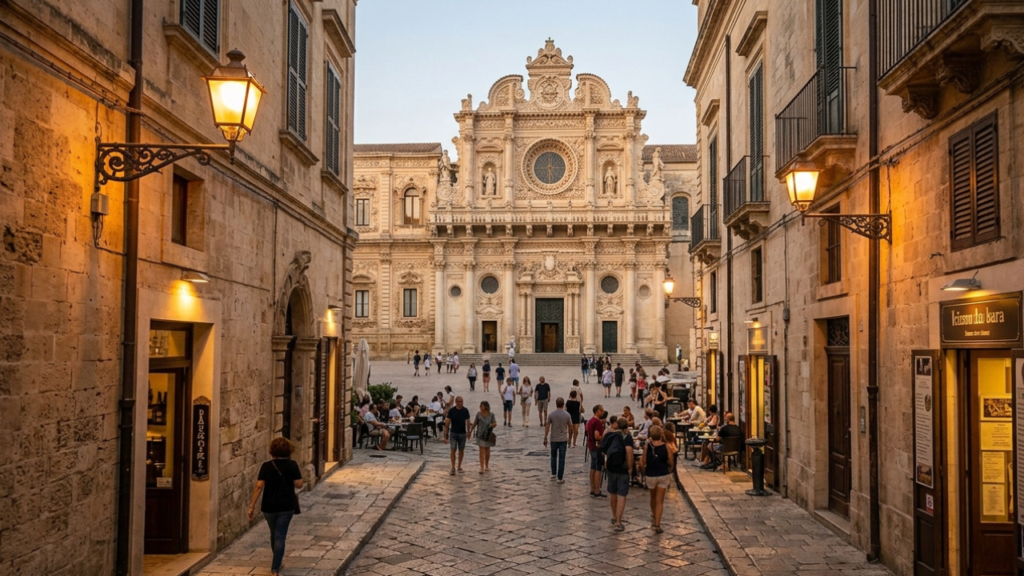
Lecce is one of the most beautiful historic cities in southern Italy.
Located in the Salento area of Puglia, Lecce is famous for its extraordinary Baroque architecture, elegant churches, historic palaces, and distinctive golden-colored limestone buildings.
Often called the “Florence of the South,” the city has earned a reputation for its artistic heritage and remarkable architectural beauty.
Compared with some of Italy’s busier cultural destinations, Lecce offers a more relaxed atmosphere, allowing visitors to explore its historic streets, admire its architecture, and experience the charm of southern Italian life.
A. What Makes Lecce Special?
Lecce’s identity is closely connected to a distinctive architectural style known as Lecce Baroque.
During the seventeenth and eighteenth centuries, local architects and craftsmen transformed the city with elaborate churches, grand palaces, and richly decorated building façades.
One of the main reasons behind this unique architectural style is the local limestone known as pietra leccese.
This soft, golden-colored stone is relatively easy to carve, allowing skilled artisans to create detailed sculptures, floral decorations, mythical figures, and intricate architectural patterns.
As a result, many buildings feature extraordinary decorative details, making Lecce feel like an open-air museum.
B. Top Attractions in Lecce
- Basilica di Santa Croce: One of the finest examples of Lecce Baroque architecture, famous for its richly decorated façade and intricate stone carvings.
- Piazza del Duomo: A beautiful historic square surrounded by important religious buildings, including Lecce Cathedral and its impressive bell tower.
- Lecce Cathedral: A magnificent cathedral known for its elaborate architecture, beautiful interior, and striking bell tower.
- Roman Amphitheatre: An ancient Roman structure in Piazza Sant’Oronzo that offers a glimpse into the city’s Roman past.
- Piazza Sant’Oronzo: One of Lecce’s main squares, surrounded by historic landmarks, cafés, and lively streets.
- Castle of Charles V: A historic fortress that once played an important role in the city’s defense and now hosts cultural exhibitions and events.
C. Things to Experience
- Walk through Lecce’s historic center and admire its detailed Baroque architecture and golden limestone buildings.
- Visit the Basilica di Santa Croce, explore Piazza del Duomo, and discover the remains of the ancient Roman amphitheatre.
- Try pasticciotto, a famous local pastry traditionally filled with custard cream. You can also enjoy regional specialties such as orecchiette pasta, rustico leccese, and fresh seafood dishes.
- Explore the surrounding Salento region, known for its beautiful beaches, ancient olive groves, coastal villages, and traditional towns.
D. Why Visit Lecce?
Lecce is an excellent destination for travelers who appreciate architecture, history, art, and traditional southern Italian culture.
Its magnificent Baroque buildings, ancient Roman landmarks, charming historic streets, and distinctive local cuisine make it a rewarding destination for anyone exploring Puglia. Whether you’re interested in architectural beauty or simply want to experience a different side of Italy, Lecce is well worth a visit.
Best Time to Visit These Underrated Places in Italy
Italy is a wonderful destination throughout the year, but the best time to visit depends on the region, weather, and experiences you’re looking for.
In general, spring and autumn are among the best seasons for exploring Italy’s smaller towns, historic villages, and beautiful countryside. During these months, temperatures are often more comfortable, and many destinations are less crowded than during the peak summer season.
A. Spring (March to May)
Spring brings pleasant weather, blooming landscapes, and beautiful countryside views. It’s an excellent time to explore destinations such as Val d’Orcia, San Gimignano, and Civita di Bagnoregio.
The countryside becomes greener, making it a particularly lovely season for walking, sightseeing, and photography.
B. Summer (June to August)
Summer is a great time to visit coastal destinations such as Procida and Sperlonga, especially if you enjoy beaches, swimming, and outdoor activities.
However, temperatures can become quite high, particularly in southern Italy, and popular destinations may attract larger crowds. Booking accommodation in advance is a good idea during this period.
C. Autumn (September to November)
Autumn is another excellent season for exploring Tuscany, Umbria, and southern Italy.
The countryside takes on beautiful seasonal colors, temperatures gradually become cooler, and local food and wine experiences become especially appealing. September and October are particularly good months for sightseeing and exploring rural landscapes.
D. Winter (December to February)
Winter offers a quieter atmosphere in many of Italy’s inland towns and historic destinations. It’s a good time to explore architecture, museums, churches, and cultural attractions without the larger crowds of summer.
However, temperatures can be cold, especially in northern and inland areas. Some coastal attractions, seasonal businesses, and tourist services may also operate on reduced schedules.
Final Thoughts
Italy is much more than Rome, Venice, Florence, and the Amalfi Coast. Across its many regions, the country is filled with remarkable destinations that showcase its rich history, architectural diversity, natural beauty, and cultural traditions.
From the dramatic hilltop setting of Civita di Bagnoregio and the ancient cave dwellings of Matera to the colorful harbor of Procida and the rolling countryside of Val d’Orcia, each destination offers something different.
Alberobello introduces visitors to its unique trulli architecture, Trieste reveals Italy’s cultural connections with Central Europe, and Lecce showcases some of the finest examples of Baroque architecture in the south.
Whether you enjoy historic villages, peaceful countryside, coastal escapes, or fascinating cultural landmarks, these underrated places in Italy deserve a spot on your travel itinerary.
So, the next time you plan a trip to Italy, consider looking beyond its most famous tourist attractions. You might discover that some of the country’s most memorable experiences are waiting in places you never expected to find.