Have you ever wondered if it’s actually illegal to chew gum, wear high heels at ancient landmarks, or feed pigeons? Believe it or not, many countries have unusual laws that still exist today. Some were introduced centuries ago and are rarely enforced, while others are still in place to protect public safety, preserve historic landmarks, or safeguard the environment.
Whether you’re a curious traveler or just love bizarre facts, these strange laws from around the world might surprise you and make you realize how different life can be across the globe.
Let’s explore some of the world’s weirdest laws!
1. Chewing Gum Is Highly Restricted
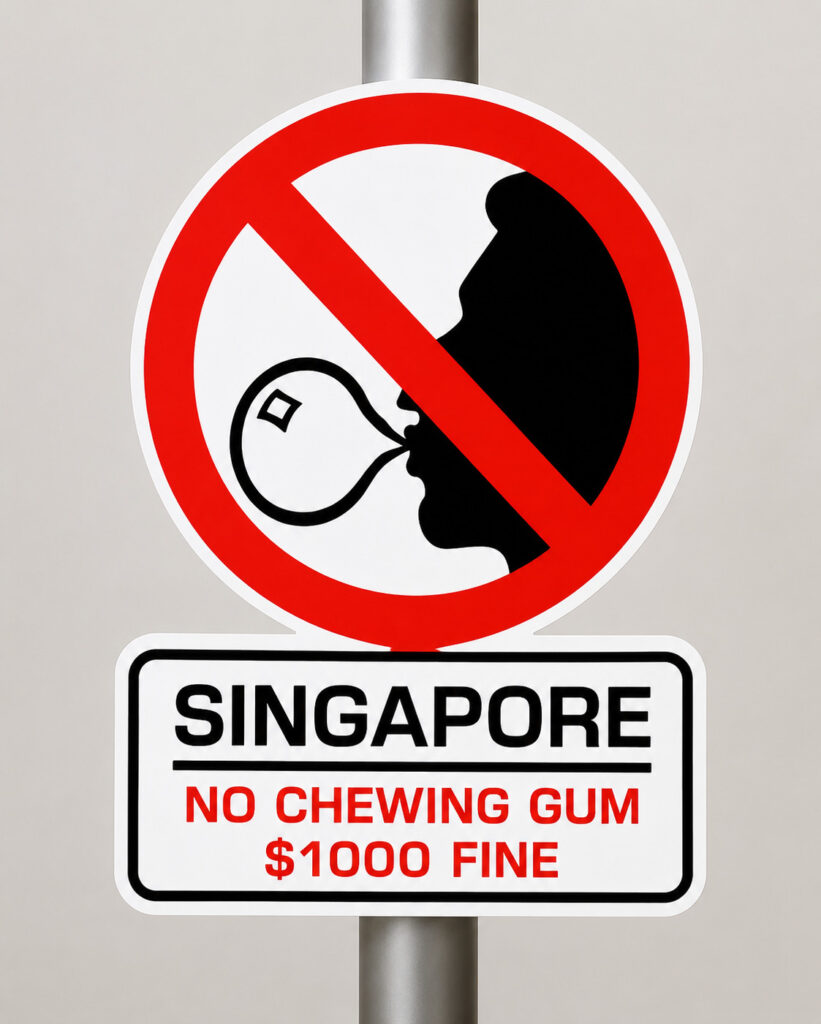
When people talk about strange laws around the world, Singapore’s chewing gum restrictions almost always make the list. However, there’s one common misconception: chewing gum is not completely illegal in Singapore. Instead, its sale and import are heavily restricted, while chewing gum for personal use is generally not a crime.
Singapore introduced the chewing gum restriction in 1992, and it remains in effect today. The main goal was to keep public spaces clean and protect public infrastructure from damage.
Why Was the Restriction Introduced?
Before 1992, discarded chewing gum had become a major problem across Singapore. People frequently stuck used gum on elevator buttons, sidewalks, bus seats, public benches, mailboxes, building walls, and even school furniture. Removing it cost both the government and businesses significant amounts of money every year.
The problem became even more serious when people started sticking chewing gum on the doors and sensors of Singapore’s newly built Mass Rapid Transit (MRT) trains. The gum interfered with the door sensors, causing delays, service disruptions, and expensive repairs. To address the issue, the government decided to restrict the sale and import of chewing gum.
What Does the Law Actually Say?
Many people think chewing gum is completely banned in Singapore, but that’s actually a common misconception. The law doesn’t make it illegal to chew gum. Instead, it mainly restricts the import, sale, and distribution of chewing gum without authorization.
If you’re visiting Singapore and bring a small amount of chewing gum for your own personal use, you generally won’t have any issues. The restrictions are aimed at commercial sales and unauthorized imports, not everyday visitors chewing gum.
Medical Exceptions
In Singapore relaxed its chewing gum rules in 2004 after signing a trade agreement with the United States. Since then, certain types of therapeutic chewing gum have been allowed, including nicotine gum to help people quit smoking and dental or medicinal chewing gum recommended by healthcare professionals.
These products aren’t available in regular stores. Instead, they can only be purchased from licensed pharmacies, and in some cases, customers may need to provide identification or speak with a pharmacist before buying them.
Can Tourists Bring Chewing Gum?
Yes. Visitors are generally allowed to bring a small quantity of chewing gum for personal use. However, bringing large amounts intended for resale or distribution may violate Singapore’s regulations.
What Happens If Someone Breaks the Law?
The penalties for breaking Singapore’s chewing gum laws depend on the offense. People caught illegally importing, selling, or distributing chewing gum may face fines, have the gum confiscated, or face legal action, especially if they’re involved in unauthorized commercial activities.
In reality, the authorities focus on businesses and individuals who illegally import or sell chewing gum, not tourists or residents simply chewing it. So, if you’re visiting Singapore and carrying a small pack of gum for your own personal use, you’re very unlikely to run into any problems.
2. Don’t Feed the Pigeons
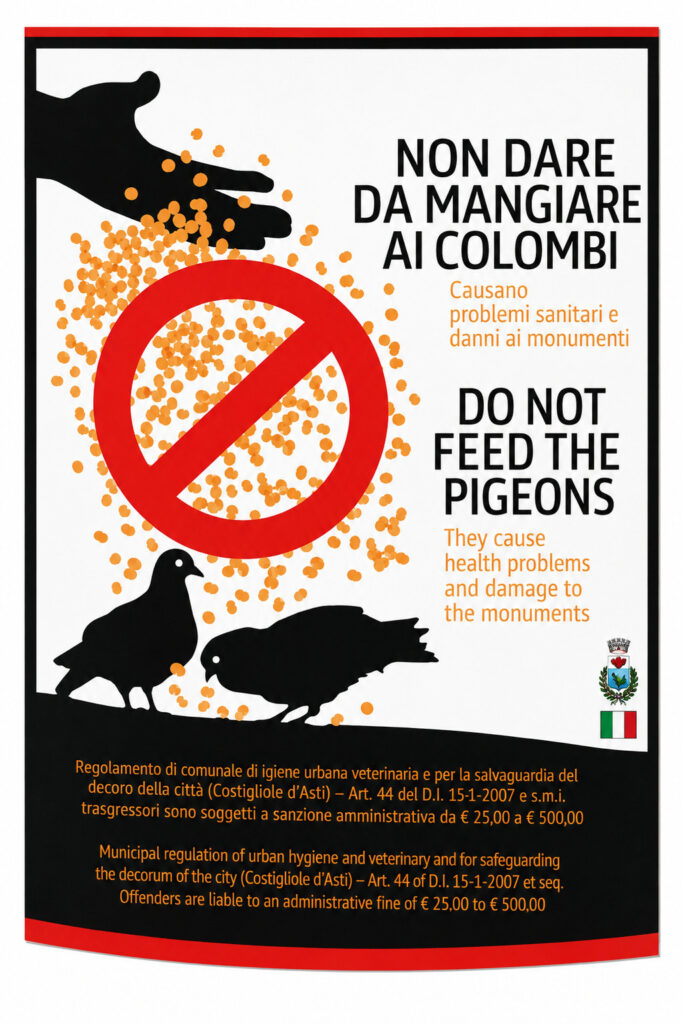
Feeding pigeons may seem like a harmless tourist activity, but in Venice, Italy, doing so in certain public areas—especially St. Mark’s Square (Piazza San Marco)—is prohibited. The restriction was introduced to protect the city’s historic landmarks, reduce maintenance costs, and improve public hygiene.
The ban was introduced in 2008 and remains in effect today. Its primary purpose is to protect Venice’s historic monuments and keep public spaces cleaner.
Why Was the Ban Introduced?
For decades, tourists visiting St. Mark’s Square bought birdseed from street vendors to feed thousands of pigeons. While it became a popular photo opportunity, it also created several serious problems.
Large numbers of pigeons caused significant damage to centuries-old buildings and statues. Their acidic droppings gradually eroded marble and stone, leading to costly cleaning and restoration work. The growing pigeon population also raised hygiene concerns in one of Venice’s busiest tourist areas and became increasingly difficult to manage.
To help preserve the city’s cultural heritage, local authorities decided to ban pigeon feeding in key public spaces.
What Does the Law Actually Say?
The regulation mainly prohibits people from intentionally feeding pigeons in designated public areas, especially St. Mark’s Square. You can be fined if you scatter birdseed, deliberately attract large flocks of pigeons with food, or ignore warnings from local authorities.
The rule isn’t about being near pigeons or taking photos of them. It’s specifically aimed at preventing people from feeding the birds, which helps protect historic buildings and keeps public spaces cleaner.
What Are the Penalties?
If you’re caught feeding pigeons in areas where it’s prohibited, you could face a fine, receive a warning from local authorities, or, in some cases, be asked to leave the area.
The exact amount of the fine can vary depending on local municipal regulations and how strictly the rule is enforced. While many visitors receive a warning for a first offense, it’s always best to avoid feeding the birds and follow the posted signs.
Does the Rule Apply Everywhere in Venice?
Not necessarily. The restriction is mainly enforced in sensitive historic areas, especially St. Mark’s Square, where pigeon populations once reached extremely high numbers. Other parts of Venice may have different local regulations, but visitors should avoid feeding pigeons anywhere in the city unless it is clearly permitted.
Although it may seem like an unusual rule, it’s an important measure to help protect one of the world’s most famous historic cities for future generations.
3. High Heels Are Banned at Ancient Sites
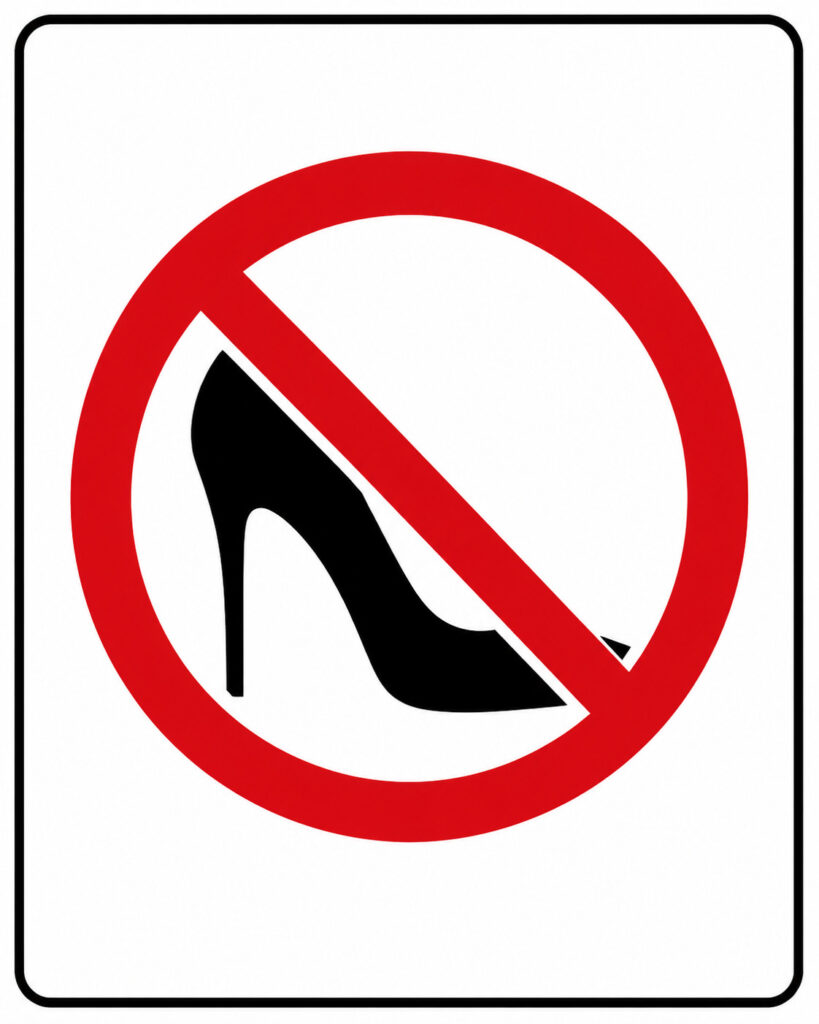
Many visitors are surprised to learn that wearing high heels is prohibited at several ancient archaeological sites in Greece, including the famous Acropolis of Athens. The rule was introduced to help protect these fragile monuments from damage caused by narrow, pointed heels.
The restriction was introduced in 2009 and remains in effect today. Its main purpose is to protect ancient monuments and archaeological sites from unnecessary wear and damage.
Why Was the Ban Introduced?
Greece is home to some of the world’s most important archaeological treasures, many of which are thousands of years old. Conservation experts found that high heels—especially stilettos—can concentrate a person’s weight onto a tiny point, increasing the risk of damage to delicate stone surfaces.
Pointed heels can chip or scratch ancient marble, and with millions of visitors walking through these sites every year, even small amounts of damage can add up over time. To help preserve these irreplaceable landmarks for future generations, Greece introduced restrictions on footwear that could harm these historic surfaces.
What Does the Law Actually Say?
The rule prohibits visitors from wearing footwear that could damage ancient monuments, especially shoes with sharp or narrow heels. The goal is to protect these historic sites from unnecessary wear and tear.
The ban applies to several archaeological sites across Greece, including the Acropolis of Athens, ancient theaters, historic temples, and other protected monuments managed by Greek authorities.
Fortunately, it’s an easy rule to follow. Most visitors simply wear comfortable sneakers, walking shoes, flat sandals, or hiking shoes, which are much better suited for exploring these historic sites anyway.
What Happens If Someone Wears High Heels?
If you arrive at an archaeological site wearing high heels, staff may refuse you entry or ask you to change into more suitable footwear before entering. They may also explain the conservation rules, and in cases where someone deliberately ignores them, further action can be taken.
The purpose of the rule isn’t to punish tourists—it’s to protect Greece’s priceless historical monuments from unnecessary damage. Wearing comfortable sneakers, walking shoes, or flat sandals is the easiest way to explore these incredible sites while helping preserve them for future generations.
4. No Running Out of Fuel on German Highways

Germany’s Autobahn is famous for its high-speed sections with no general speed limit, but one lesser-known rule often surprises visitors: running out of fuel on the Autobahn can result in a fine.
Contrary to popular belief, it’s not the empty fuel tank itself that’s illegal. The issue is stopping unnecessarily on the motorway because you failed to plan ahead.
Why Is Running Out of Fuel a Problem?
Running out of fuel on the Autobahn isn’t just inconvenient—it can also be dangerous. The Autobahn is built for high-speed travel, and on unrestricted sections, many vehicles legally travel well above 80 mph (130 km/h). A car that comes to a stop because it has run out of fuel can create a serious safety hazard.
It can increase the risk of accidents, block emergency vehicles, disrupt the flow of traffic, and put both the driver and passengers in danger. That’s why German authorities expect drivers to check their fuel level and make sure they have enough fuel before entering the motorway.
What Does the Law Actually Say?
A common myth is that “running out of fuel is illegal in Germany.” In reality, the rule is more specific.
German traffic laws generally prohibit unnecessary stops on the Autobahn. Running out of fuel is considered an avoidable and preventable situation. If your vehicle comes to a stop because you neglected to refuel, authorities may treat it as an unnecessary stop, which can lead to a fine.
Is It Illegal to Stop on the Autobahn?
Yes—but only unnecessary stops are prohibited. Drivers are allowed to stop on the Autobahn in genuine emergencies, such as a mechanical breakdown, a medical emergency, a traffic accident, or any other unavoidable situation where stopping is necessary for safety.
Running out of fuel, however, is generally not considered a genuine emergency because it’s something drivers are expected to prevent by planning ahead. That’s why stopping on the Autobahn due to an empty fuel tank can result in a fine, even though stopping for a real emergency is perfectly legal.rgency because it can usually be prevented with proper planning.
What Are the Penalties?
If your vehicle comes to a stop on the Autobahn because you’ve run out of fuel, you could face a traffic fine. If your car needs to be removed, you’ll also have to pay towing charges, along with any additional costs for emergency or recovery services.
The exact penalty depends on the situation and the applicable traffic regulations. The good news is that it’s easy to avoid—just check your fuel level before entering the Autobahn and refill your tank well before it gets too low. A little planning can save you from an expensive and potentially dangerous mistake.
5. Don’t Wear Camouflage Clothing
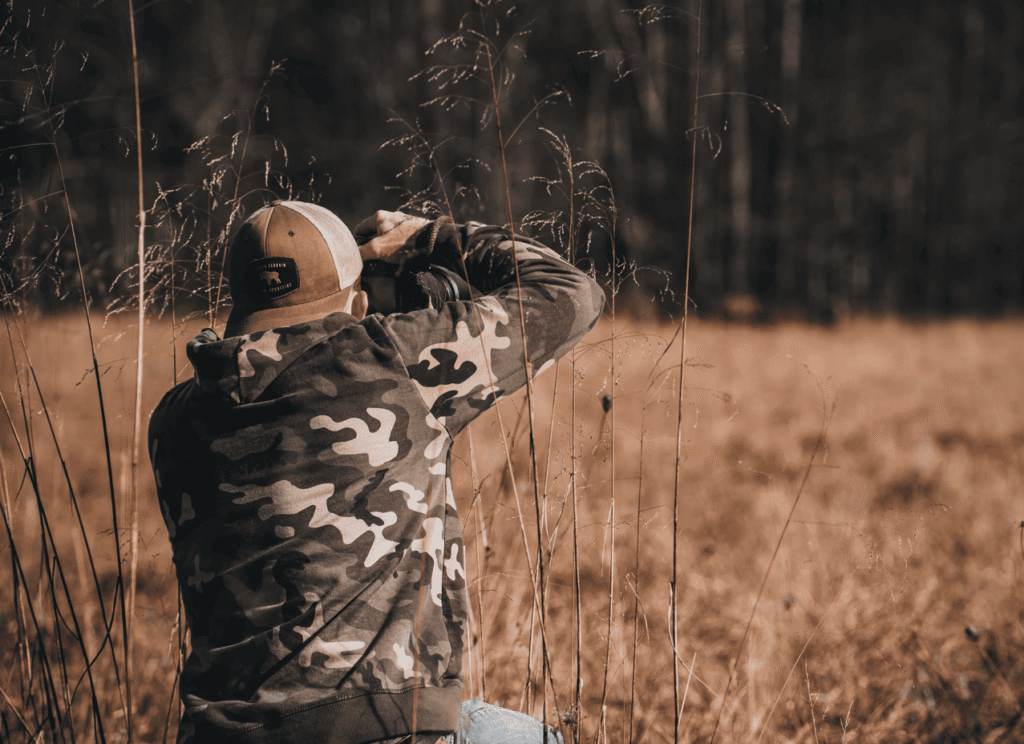
Many travelers are surprised to learn that wearing camouflage clothing is illegal or heavily restricted in several Caribbean countries. While camouflage is a popular fashion pattern in many parts of the world, some nations reserve it exclusively for military personnel to prevent confusion, protect national security, and discourage impersonation.
If you’re planning a trip to the Caribbean, it’s best to leave your camouflage clothing at home.
Why Is Camouflage Restricted?
In many Caribbean countries, camouflage clothing is reserved exclusively for members of the military. The restriction helps prevent civilians from being mistaken for military personnel, reduces the risk of military impersonation, supports national security, and makes it easier for authorities to identify genuine service members.
While the exact rules vary from country to country, many governments treat military-style camouflage as official military attire rather than everyday fashion. So, even if you’re just wearing camouflage as a style choice, it could still get you into trouble in certain destinations.
Which Countries Have Camouflage Restrictions?
Several Caribbean countries have restrictions on civilians wearing camouflage clothing, including Barbados, Jamaica, Saint Lucia, Antigua and Barbuda, Trinidad and Tobago, The Bahamas, Grenada, Saint Vincent and the Grenadines, and Dominica. Similar restrictions also exist in some African countries, such as Zimbabwe, Uganda, Nigeria, and Ghana.
That said, the rules aren’t the same everywhere. Some countries only prohibit military-style uniforms, while others ban most camouflage-patterned clothing for civilians. If you’re planning to visit one of these destinations, it’s a good idea to check the local regulations before packing camouflage clothing.niforms, while others ban most camouflage-patterned clothing for civilians.
What Does the Law Actually Say?
In many of these countries, civilians are not allowed to wear military-style camouflage clothing, and the rules often apply to both locals and tourists. In some places, the restrictions also extend to importing or selling camouflage apparel.
Depending on the country, the ban may cover camouflage shirts, pants, jackets, hats, backpacks, and other accessories with military-style camouflage patterns. Since the regulations vary from one destination to another, it’s always a good idea to check the local customs or tourism guidelines before you travel. That way, you can avoid any unexpected issues at the airport or during your trip.
What Are the Penalties?
The consequences of wearing camouflage clothing depend on the country’s laws. Possible penalties include having the clothing confiscated, receiving a fine, being asked to change into different clothes, or facing delays during customs inspections. In more serious cases, legal action may also be taken.
In many situations, especially if it’s a first-time or unintentional violation, authorities simply ask visitors to change their clothing. Even so, it’s best to follow the local rules before you travel. Leaving camouflage items at home can save you from unnecessary hassle and help ensure a smooth, stress-free trip.y asked to change their clothing if the violation is minor. However, following the local rules can help you avoid unnecessary inconvenience and ensure a smooth trip.
6. It’s Illegal to Flush After 10 PM

One of the internet’s most popular “strange laws” claims that it’s illegal to flush a toilet after 10:00 PM in Switzerland. While this story is widely shared, it’s mostly a myth.
There is no nationwide Swiss law that makes flushing your toilet after 10:00 PM illegal. However, some apartment buildings ask residents to keep noise to a minimum during designated quiet hours, which has likely given rise to this misconception.
Where Did This Myth Come From?
The myth likely comes from Switzerland’s strong culture of respecting neighbors and keeping residential areas quiet. Many apartment buildings observe quiet hours, usually starting around 10:00 PM and lasting until the next morning. During this time, residents are expected to avoid making unnecessary noise.
That typically means keeping loud music down, avoiding vacuuming, drilling or hammering, running noisy appliances, or hosting loud parties late at night. Over the years, these common courtesy rules were exaggerated, leading to the widespread—but false—claim that flushing a toilet after 10:00 PM is illegal in Switzerland.
What Does the Law Actually Say?
Despite what you’ve probably heard online, there is no Swiss federal law that makes it illegal to flush a toilet at night.
Some apartment buildings may have house rules that encourage residents to keep noise to a minimum during quiet hours, and local municipalities may enforce general regulations against excessive nighttime noise. However, everyday activities like using the bathroom and flushing the toilet are considered completely normal and acceptable.
In short, you don’t have to worry about avoiding the toilet after 10:00 PM. The idea that flushing is illegal is simply a myth that grew out of Switzerland’s strong culture of being considerate toward neighbors.
Could Someone Get in Trouble?
Using your toilet normally at night is not a crime. However, if someone repeatedly creates excessive noise or deliberately disturbs their neighbors late at night, they could receive complaints under local noise regulations or tenancy rules.
Any issues would relate to excessive noise, not to flushing the toilet itself.
So, despite what you may have seen online, you can flush your toilet after 10:00 PM in Switzerland without breaking the law.
7. Don’t Take Sand Home
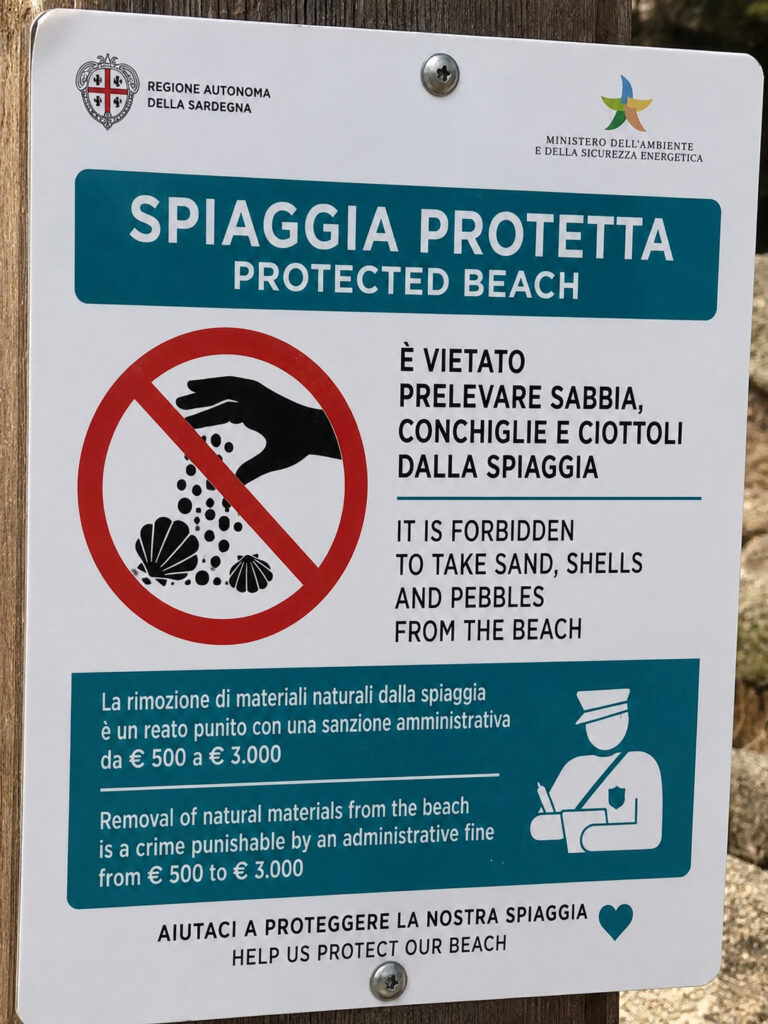
Many visitors are tempted to take home a small bottle of sand as a souvenir, but in Sardinia, Italy, doing so can be illegal. The island has strict regulations to protect its famous beaches, and removing sand, pebbles, shells, or stones from certain beaches can result in substantial fines.
The rule exists to help preserve Sardinia’s unique coastline for future generations.
Why Was the Rule Introduced?
Sardinia is famous for its crystal-clear waters and beautiful white-sand beaches, making it one of Italy’s most popular holiday destinations. For many years, visitors would take home small souvenirs like sand, seashells, pebbles, and small rocks.
While a handful of sand or a few shells might not seem like a big deal, the combined effect of millions of tourists doing the same thing every year resulted in the gradual loss of large amounts of natural beach material. To help protect these fragile coastal ecosystems, local authorities introduced strict rules that prohibit removing sand, shells, pebbles, and other natural materials from protected beaches.
What Does the Law Actually Say?
On many of Sardinia’s protected beaches, visitors are not allowed to take natural materials with them. This includes sand, pebbles, seashells, rocks, and even coral fragments.
The rule applies no matter how much you take or how you carry it—whether it’s in a bottle, a bag, or any other container. During the busy tourist season, authorities regularly inspect luggage at airports and ferry terminals, and any protected beach materials they find may be confiscated.
What Are the Penalties?
If you’re caught taking sand, shells, pebbles, or other protected beach materials from Sardinia, you could face a hefty fine ranging from €500 to €3,000. The collected items may also be confiscated, and in more serious cases, legal action is possible.
The exact penalty depends on factors such as how much material was taken and the circumstances of the violation. A handful of sand might seem like an innocent souvenir, but if every visitor did the same, these beautiful beaches would gradually disappear. Leaving everything exactly as you found it helps preserve Sardinia’s stunning coastline for future generations.
8. You Can’t Name a Pig “Napoleon”

One of the internet’s most popular “strange laws” claims is that it’s illegal to name a pig “Napoleon” in France. It’s a fun story—but it’s also a myth.
There is no French law that specifically bans people from naming a pig “Napoleon.” The rumor most likely stems from Napoleon Bonaparte’s importance in French history, along with confusion caused by fictional works and repeated online claims that were never backed by any official legislation.
Where Did This Myth Come From?
Napoleon Bonaparte is one of France’s most famous historical figures, so it’s easy to see how the rumor started. Over the years, some people believed that mocking or insulting Napoleon was illegal, but no law was ever passed that prohibited naming a pig after him.
The myth also gained traction because of George Orwell’s famous novel Animal Farm, in which the main pig is named Napoleon. Some readers mistakenly assumed France objected to the character because of the shared name, but the novel has no connection to any French law about naming animals.
As the story spread across blogs, trivia websites, and social media—often without citing any official legal source—it gradually became accepted as fact, even though it isn’t.
What Does the Law Actually Say?
In reality, there is no French national law that prohibits naming a pig “Napoleon.” France does not have a law restricting pet or farm animal names in this way, and there are no legal penalties for giving a pig that name.
Like in many other countries, people in France are generally free to name their animals whatever they like, as long as doing so doesn’t violate any other laws.
Can You Really Name a Pig “Napoleon”?
Yes, you can. There is no legal restriction preventing someone from naming a pig—or any other animal—”Napoleon.” Some people might find the name amusing or even disrespectful, but it isn’t against the law. So, despite what many “weird laws” lists claim, this one is simply another internet myth.
9. Public Kissing Restrictions
Many travelers have heard that kissing in public is illegal in the United Arab Emirates (UAE). While that statement is a bit of an oversimplification, it’s based on real laws and local cultural expectations. The UAE has strict public decency rules, and public displays of affection (PDA)—especially kissing, passionate hugging, and other intimate behavior—can sometimes lead to legal consequences. Holding hands is generally tolerated for couples, but more intimate displays of affection are best kept private.
What Does the Law Actually Say?
The UAE encourages both residents and visitors to keep public displays of affection to a minimum. Holding hands is generally acceptable for couples, and brief, non-intimate gestures may be tolerated depending on the setting. However, kissing, passionate hugging, and intimate touching in public are discouraged and, in some cases, can attract police attention or lead to legal action.
Where Do the Rules Apply?
These expectations apply in public places throughout the UAE, including shopping malls, parks, beaches, streets, public transportation, and tourist attractions. While hotels and private residences generally have more relaxed expectations, visitors should still behave respectfully in public areas within hotels.
What Are the Penalties?
The consequences depend on the circumstances and the seriousness of the behavior. Authorities may issue a warning, impose a fine, or, in more serious or repeated cases, make an arrest. In some situations involving public indecency, foreign visitors may also face deportation.
The best approach is to respect local customs and avoid intimate public displays of affection. Being mindful of local traditions will help ensure a smooth and enjoyable visit to the UAE.
10. Don’t Honk Without Reason
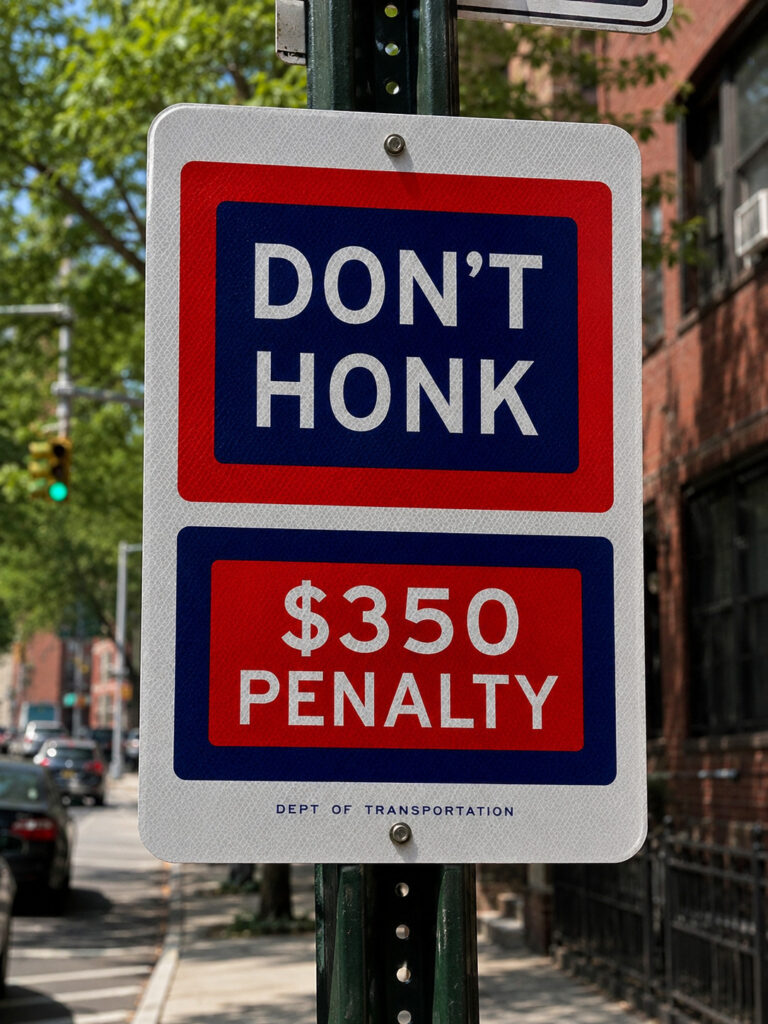
Many people think honking is just a normal part of driving, but in New York City, unnecessary horn use is actually against the law. Drivers are only allowed to use their horn when it’s reasonably necessary to warn others of danger. Honking out of frustration, impatience, or simply to greet someone can result in a fine.
The rule is designed to reduce noise pollution and make the city a more pleasant place for both residents and visitors.
What Does the Law Actually Say?
In New York City, drivers should use their horn only when it’s necessary to warn another road user of an immediate danger.
Appropriate situations include preventing a collision, alerting a pedestrian who hasn’t noticed your vehicle, or warning another driver about an immediate hazard. On the other hand, using the horn because traffic is moving slowly, expressing anger or frustration, greeting a friend, or pressuring another driver to move faster is considered unnecessary and can violate local noise regulations.
What Are the Penalties?
Drivers who use their horn without a valid safety reason may receive a traffic citation and be required to pay a fine. The exact penalty depends on the circumstances and how the rule is enforced.
Does This Rule Apply Everywhere in the U.S.?
No. Traffic laws vary from state to state and city to city. Many states restrict horn use to safety-related situations, but New York City is especially well known for enforcing rules against unnecessary honking due to its dense population and ongoing efforts to reduce noise pollution.
11. No Selfies with Buddha Statues

Many travelers have heard that taking selfies with Buddha statues is illegal in Sri Lanka. While there’s some truth behind the claim, it’s not the selfie itself that’s the problem—it’s showing disrespect toward Buddha images.
In Sri Lanka, Buddha statues are considered deeply sacred. Posing with your back turned to a Buddha statue, climbing on a statue, or behaving in a disrespectful way can lead to serious consequences, including fines, arrest, deportation, or even being denied entry into the country in certain cases.
What Does the Law Actually Say?
There is no nationwide law that specifically bans taking selfies with Buddha statues. However, authorities may take action if someone turns their back on a Buddha statue for a photo, climbs on or touches a statue, poses in a disrespectful manner, disrupts religious ceremonies, or damages religious monuments.
Respectful photography is generally allowed in places where photography is permitted, as long as visitors follow the site’s rules.
Can Tourists Take Photos?
Yes. Visitors can usually take photos at many Buddhist temples and heritage sites, provided they behave respectfully. This means facing the statue rather than turning your back on it, following temple guidelines, removing your shoes where required, dressing modestly, and avoiding flash photography in places where it’s prohibited.
Some temples may not allow photography at all, so it’s always a good idea to check the posted signs or ask a member of staff before taking pictures.
What Are the Penalties?
The consequences depend on the situation and the level of disrespect shown. Authorities may issue a warning, impose a fine, ask visitors to leave the site, or, in more serious cases involving deliberate disrespect, arrest or deport foreign nationals.
The safest approach is simple: treat religious sites with respect, follow local customs, and always ask if you’re unsure whether photography is allowed.
12. No Swearing in Public
Many travelers are surprised to learn that using offensive or abusive language in public can be an offense in parts of Australia. While swearing isn’t banned nationwide, several Australian states and territories have laws that prohibit offensive, obscene, or abusive language in public places—especially when it causes harassment, alarm, or public disturbance.
What Does the Law Actually Say?
Australia does not have a single national law that bans swearing. Instead, many states and territories have laws that make it an offense to use offensive, abusive, obscene, or insulting language in public when the behavior is likely to offend, intimidate, harass, or disturb others.
Whether someone has committed an offense depends on the words used, the situation, and the laws of the particular state or territory.
Does This Mean You Can Never Swear?
Not at all. Casual swearing among friends is common in Australia and is often part of everyday conversation. Problems usually arise when someone swears aggressively at strangers, uses abusive language toward police or other public officials, causes a public disturbance, or uses offensive language in crowded public places.
In most cases, authorities consider the context rather than focusing on a particular word alone.
What Are the Penalties?
The penalties vary depending on the state or territory and the circumstances of the incident. Possible consequences include a warning, an infringement notice (fine), a court summons, or higher penalties for repeated or more serious offenses.
The best approach is to use common sense and be respectful in public. What might be acceptable among friends may not be appropriate in a public setting, especially if it causes offense or disturbs others.
13. No Alcohol on Many Public Beaches
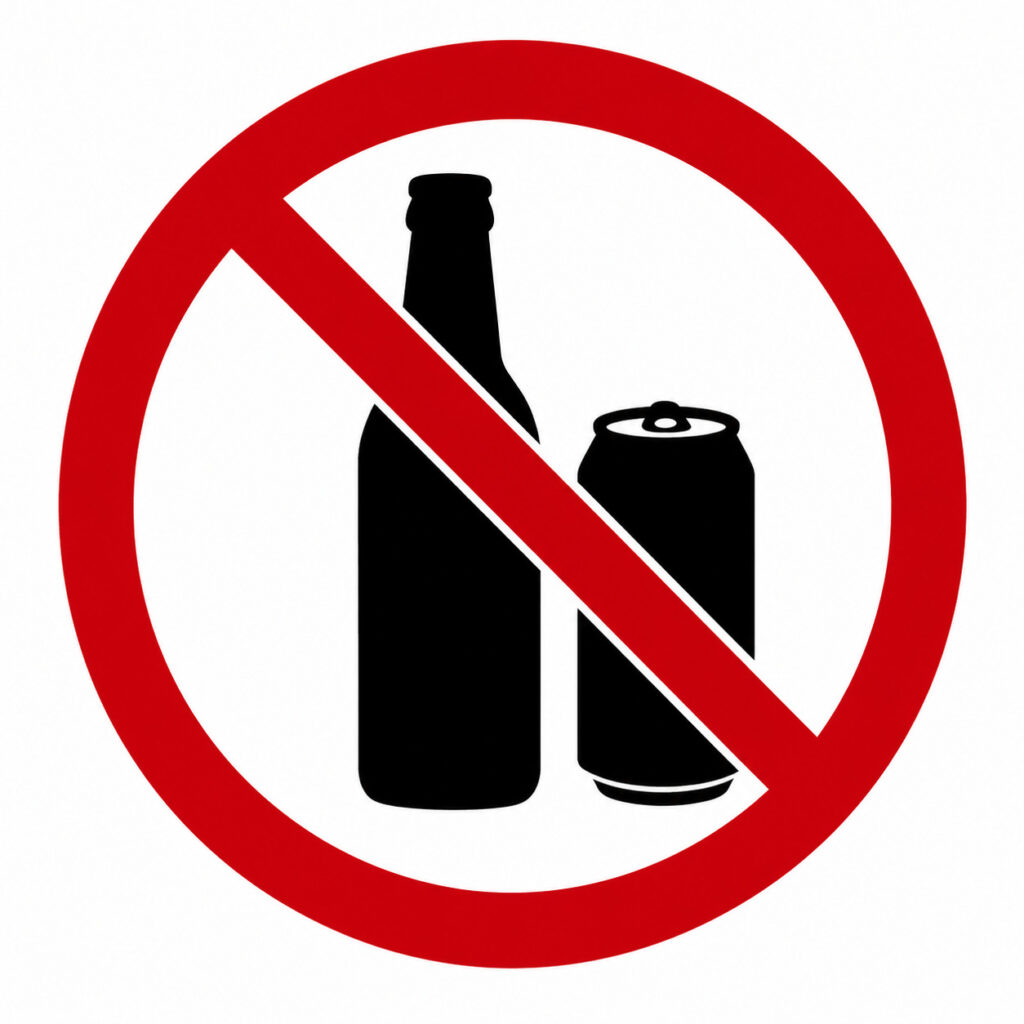
Many travelers are surprised to learn that drinking alcohol on public beaches is prohibited in many parts of Spain. Although Spain is famous for its lively nightlife and beach culture, there isn’t a nationwide ban. Instead, many cities and municipalities have local regulations that restrict or prohibit drinking alcohol on public beaches to reduce noise, littering, and anti-social behavior.
What Does the Law Actually Say?
Spain does not have a single national law banning alcohol on all beaches. Instead, many municipalities have local rules that prohibit drinking alcohol on public beaches, organizing public drinking parties (botellón), bringing large quantities of alcohol for public consumption, and leaving bottles, cans, or other litter behind.
The exact regulations vary depending on the city or region, so it’s always worth checking the local rules before visiting.
Which Beaches Have Restrictions?
Many popular tourist destinations enforce local restrictions, including beaches in Barcelona, Palma de Mallorca, Benidorm, Málaga, Valencia, and several other municipalities along Spain’s Mediterranean and Atlantic coasts.
Some areas enforce these rules more strictly than others, especially during the busy summer tourist season.
What Are the Penalties?
If you break local beach alcohol regulations, you could receive a warning, have your alcoholic beverages confiscated, be fined, or, in more serious cases, be asked to leave the beach.
Fines commonly range from €100 to €3,000, depending on the municipality and the nature of the violation. The safest approach is to check the local rules before opening a drink on the beach and follow any posted signs.
14. Don’t Collect Coral
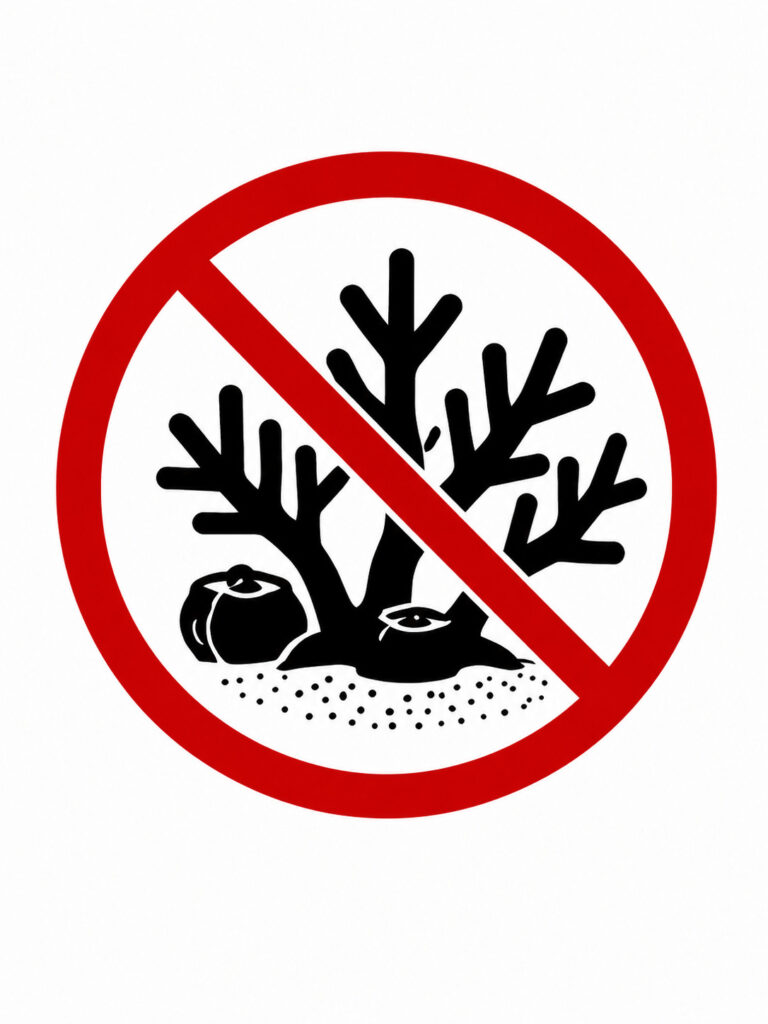
Many visitors are tempted to take home a piece of coral as a souvenir, but in Hawaii, collecting coral is strictly regulated. Removing coral—especially live coral—from Hawaii’s reefs is illegal, and even taking dead coral from certain protected areas may violate state or federal regulations.
These rules are in place to protect Hawaii’s fragile marine ecosystems and preserve them for future generations.
What Does the Law Actually Say?
In Hawaii, removing live coral from reefs is illegal. Collecting coral from marine protected areas is also prohibited, and even dead coral may not be taken from certain beaches, state parks, or protected coastal areas.
The exact rules vary depending on the location, but the safest approach is to leave all coral where you find it unless local authorities clearly state that collecting it is allowed.
What Are the Penalties?
The penalties depend on the nature of the violation. Authorities may issue monetary fines, confiscate illegally collected coral, or impose civil or criminal penalties for more serious offenses. Additional penalties may also apply if protected marine habitats are damaged.
The severity of the punishment generally depends on how much coral was taken, where it was collected, and whether any environmental damage was caused. To help protect Hawaii’s unique reefs, it’s always best to admire the coral where it belongs—in the ocean.
15. Jaywalking Can Be Costly
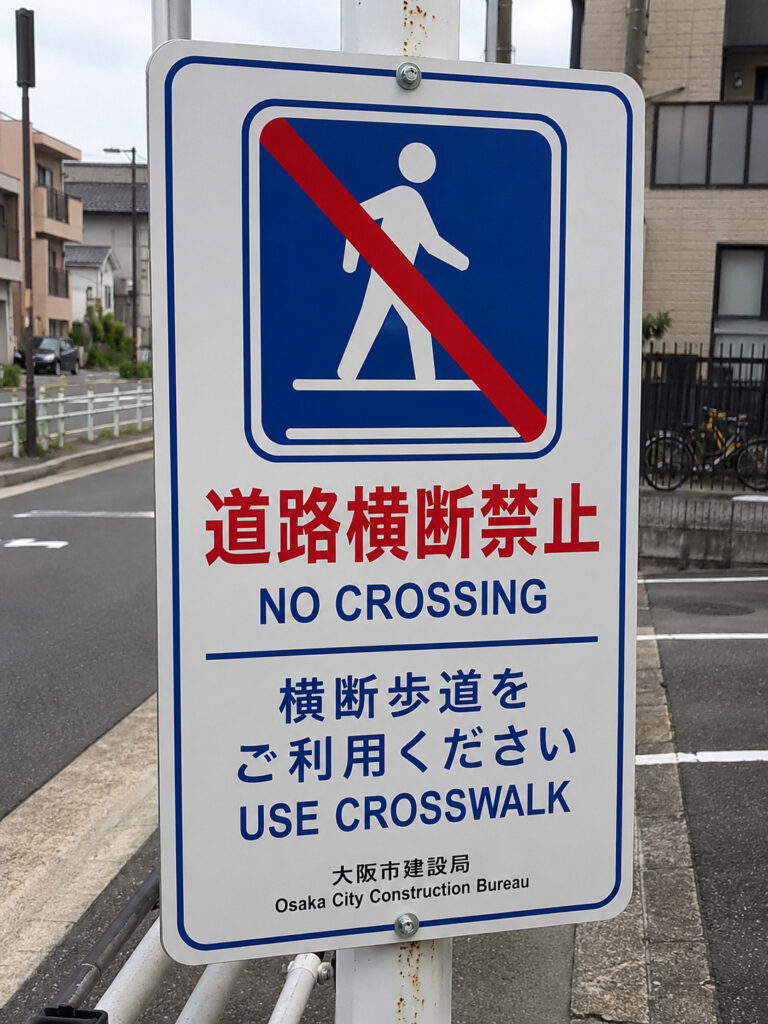
Many visitors are surprised to learn that jaywalking can lead to penalties in Japan. While crossing the street outside a designated crosswalk or against a pedestrian signal isn’t always strictly enforced, Japanese traffic laws require pedestrians to obey traffic signals and use crosswalks whenever one is available. Breaking these rules can result in fines or other legal consequences, although enforcement is generally focused on safety rather than punishment.
What Does the Law Actually Say?
Under Japan’s traffic laws, pedestrians are expected to use designated crosswalks when one is nearby and obey pedestrian traffic signals. Crossing against a red light or crossing outside a crosswalk when one is available may be considered a traffic violation.
These rules apply to both residents and visitors, so tourists are expected to follow the same traffic laws as everyone else.
What Are the Penalties?
Depending on the circumstances, authorities may issue a warning, impose a fine for a traffic violation, or take further action if the behavior creates a safety risk or contributes to an accident.
In practice, Japanese police often prioritize education and public safety over punishment. Even so, it’s best to wait for the green signal and use the nearest crosswalk—not only to avoid potential penalties but also to stay safe.
16. Don’t Take Photos of Government Buildings
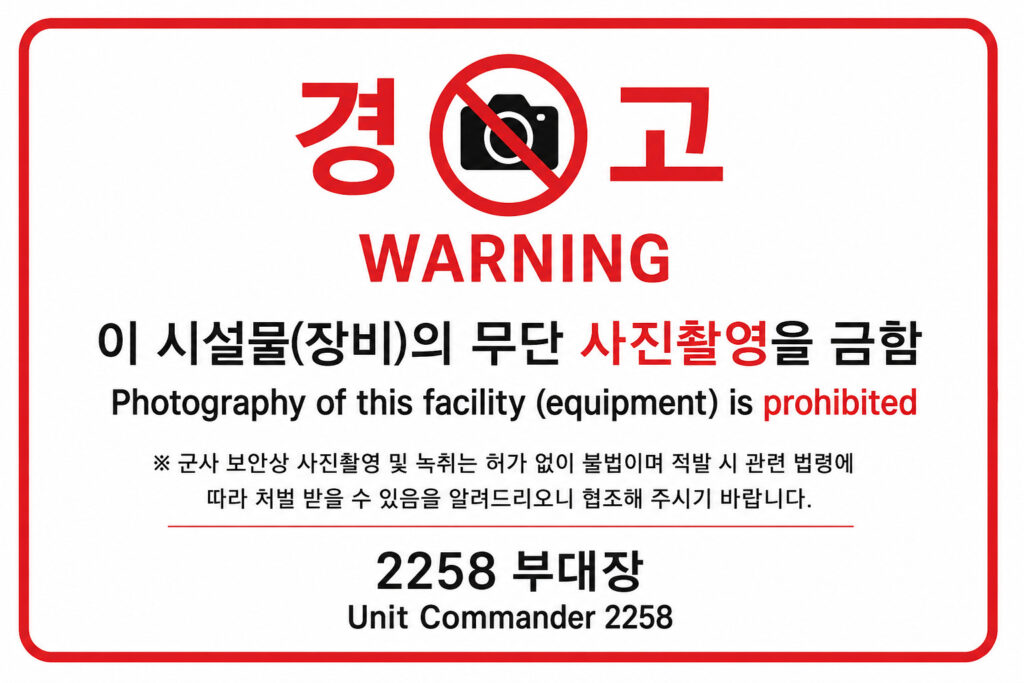
Many travelers are surprised to learn that photographing government buildings, military facilities, or other sensitive locations is heavily restricted in North Korea. The country has some of the world’s strictest photography rules, and visitors are expected to follow the instructions of their official tour guides at all times.
Unlike in many other countries, where government buildings can often be photographed freely, taking unauthorized photos of sensitive sites in North Korea can lead to serious consequences.
What Does the Law Actually Say?
Visitors are generally prohibited from photographing restricted government buildings, military bases and personnel, security checkpoints, sensitive infrastructure, or any location where photography is specifically forbidden.
Even at popular tourist attractions, guides may tell visitors when and where photography is allowed. Ignoring these instructions can lead to problems, so it’s important to follow them carefully.
What Are the Penalties?
The consequences depend on the seriousness of the violation. Authorities may require visitors to delete photographs, inspect or temporarily confiscate cameras and other recording devices, question those involved, or, in more serious cases, detain individuals or take other legal action.
Because enforcement can be very strict, the safest approach is to avoid photographing anything that appears sensitive and always follow the guidance of your official tour guide.
17. No Durian Fruit on Public Transport
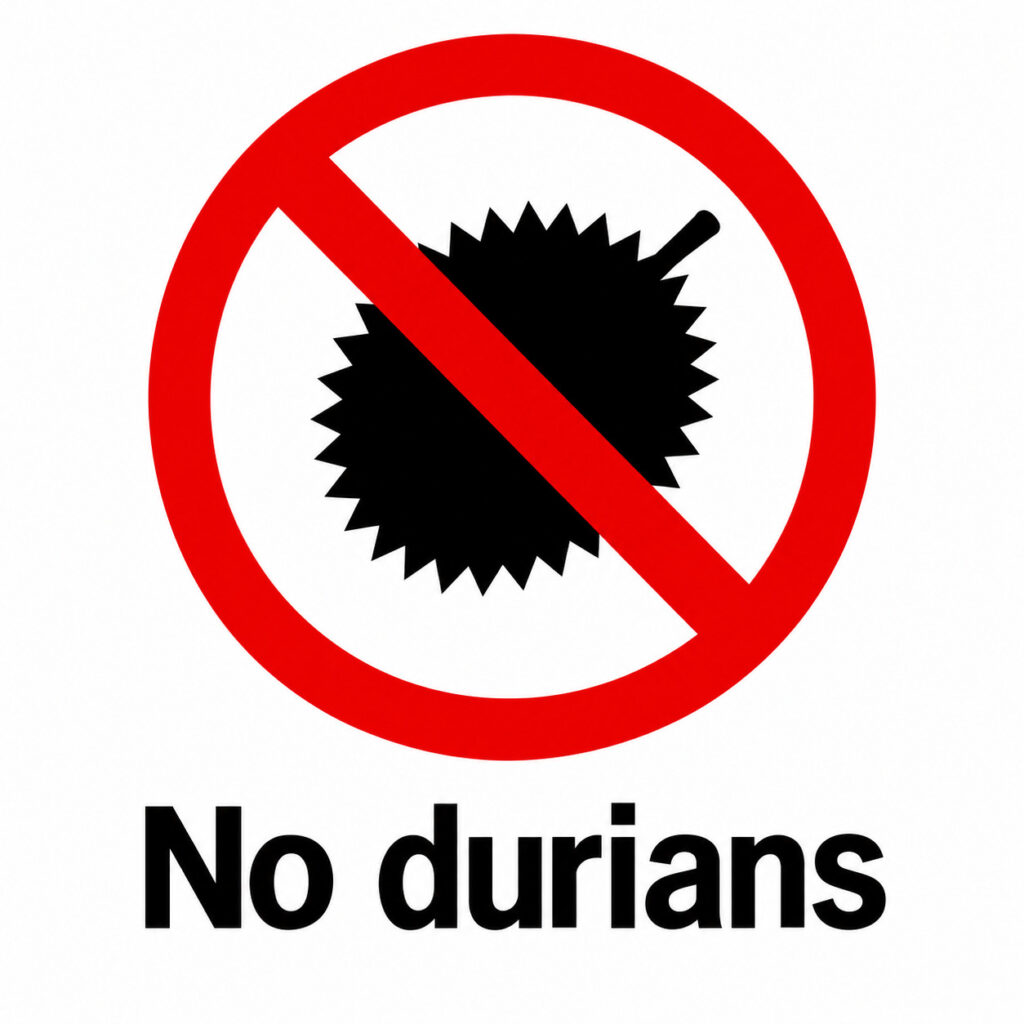
If you’ve ever visited Singapore, you may have noticed the famous “No Durians” signs on buses and MRT (Mass Rapid Transit) trains. While this is often described as a “strange law,” it’s actually a public transport rule rather than a criminal law. The restriction exists because durian—often called the “King of Fruits”—has an extremely strong smell that many people find unpleasant in enclosed spaces.
What Does the Rule Actually Say?
Singapore’s public transport operators prohibit passengers from bringing durians onto MRT trains and buses. The rule is part of the transport system’s regulations aimed at preventing inconvenience to other passengers.
Other prohibited items include dangerous goods, flammable materials, and other hazardous objects. Durian isn’t banned because it’s dangerous—it’s simply the fruit’s powerful odor that makes it unsuitable for public transport.
What Are the Penalties?
If you try to bring a durian onto Singapore’s public transport, staff may ask you not to board or request that you remove or dispose of the fruit before entering the station or vehicle. In some cases, passengers who refuse to comply may face a fine under public transport regulations.
The goal of the rule isn’t to punish people—it’s to keep buses and trains clean, comfortable, and pleasant for everyone on board.
18. No Wearing Masks During Demonstrations
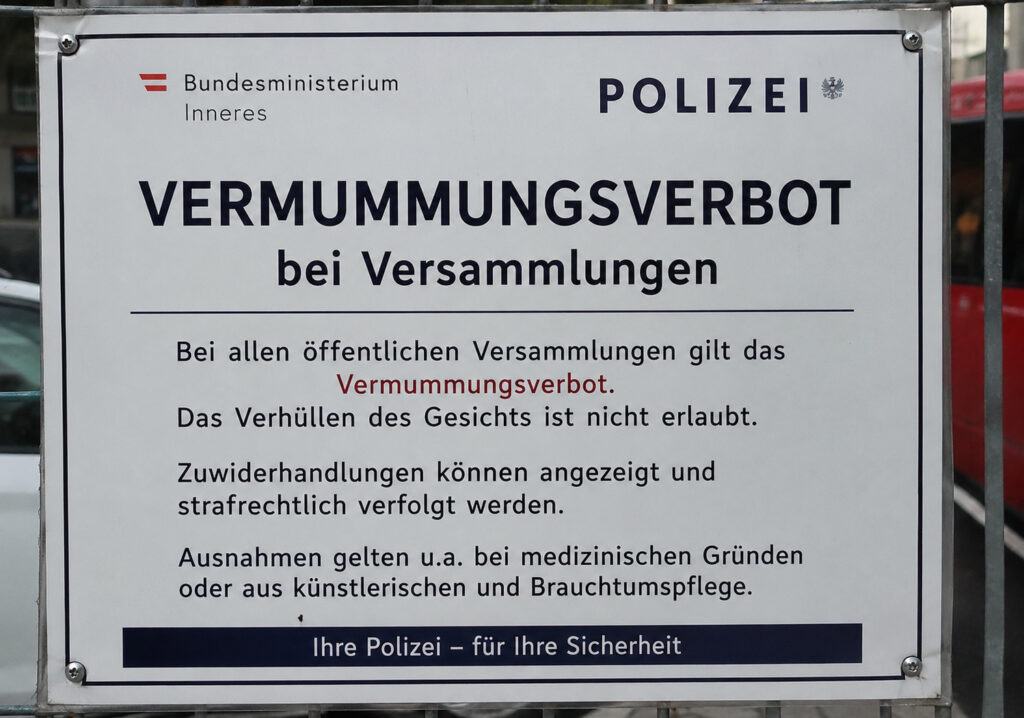
Many countries allow people to wear face coverings in public, but Austria has restrictions on wearing masks during certain public demonstrations. These rules are intended to prevent people from hiding their identity while taking part in protests, making it easier for authorities to identify individuals if crimes or acts of violence occur.
It’s important to note that these restrictions do not apply to medical masks worn for health reasons or face coverings required for religious or occupational purposes.
What Does the Law Actually Say?
During certain public demonstrations in Austria, participants are generally not allowed to intentionally conceal their identity by covering their faces. Wearing a mask or other face covering to avoid being identified can violate the law, and police may order individuals to remove prohibited face coverings.
However, there are several exceptions. Face coverings are generally permitted when worn for medical or health reasons, religious beliefs, protective equipment required for specific jobs, or other legitimate circumstances allowed under Austrian law.
What Are the Penalties?
The consequences depend on the circumstances and the applicable laws. Authorities may issue a warning, impose a fine, ask a participant to leave the demonstration, or take further legal action if other offenses have been committed.
The purpose of these rules isn’t to ban face coverings altogether—it’s to balance the right to protest with public safety and accountability during demonstrations.
19. Don’t Climb Historical Monuments
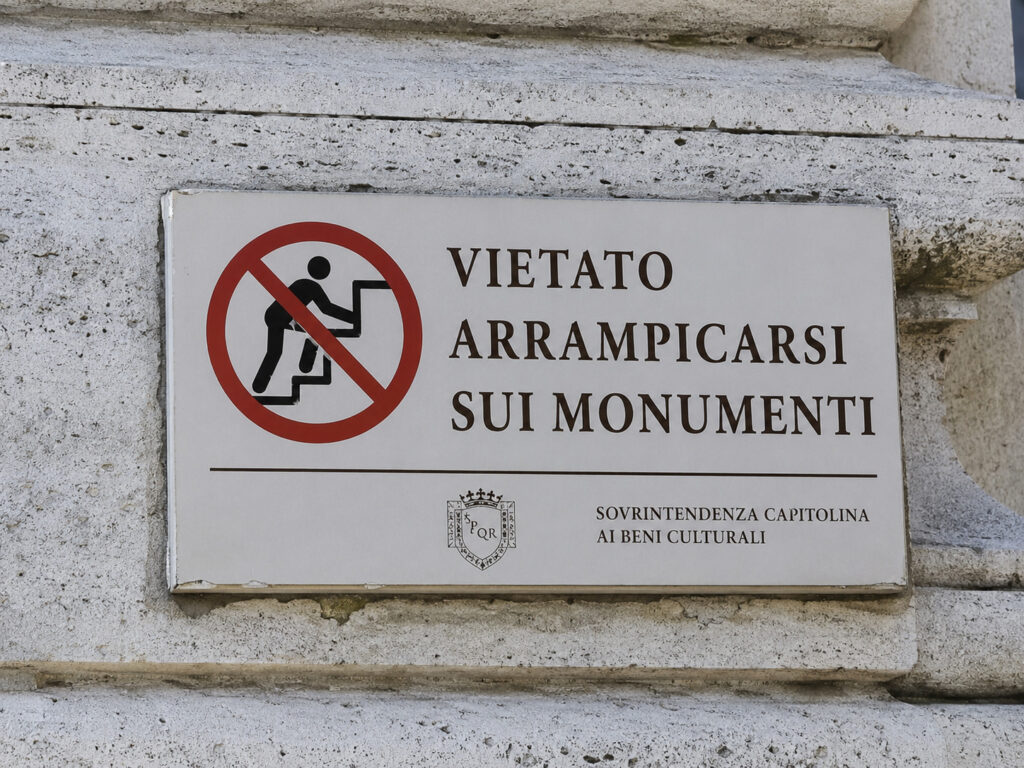
Many travelers have seen headlines claiming that it’s illegal to climb historical monuments in Italy. While there’s some truth to the statement, the reality is a bit more nuanced.
Italy doesn’t have a single nationwide law called “Don’t Climb Historical Monuments.” Instead, climbing, sitting on, or damaging protected monuments is prohibited under a combination of national cultural heritage laws, local municipal regulations, and site-specific rules. Famous landmarks such as the Colosseum, Trevi Fountain, the Leaning Tower of Pisa, and countless historic statues and monuments are all protected.
What Happens If Someone Breaks the Rules?
The consequences depend on the location and the seriousness of the violation. Authorities may issue an on-the-spot fine, remove visitors from the site, ban repeat offenders, seek compensation for restoration costs, or, in cases involving intentional damage, bring criminal charges.
In serious cases, especially when cultural heritage is damaged, fines can reach thousands of euros. These rules are designed to protect Italy’s priceless historical landmarks so they can be enjoyed by future generations.
Does This Apply Only to Italy?
No. Many countries have similar laws protecting their historic landmarks and cultural heritage sites. For example, France prohibits climbing protected monuments and the exterior of structures such as the Eiffel Tower. Greece forbids climbing ancient ruins outside designated visitor areas, Egypt prohibits climbing the pyramids without authorization, India bans climbing or damaging monuments protected by the Archaeological Survey of India, and Peru restricts access to protected areas of Machu Picchu.
Although the exact rules vary from country to country—and even from one monument to another—the message is the same: respect historical sites, stay within designated visitor areas, and avoid climbing on protected structures unless it is clearly permitted.
20. No Flying Drones Without Permission
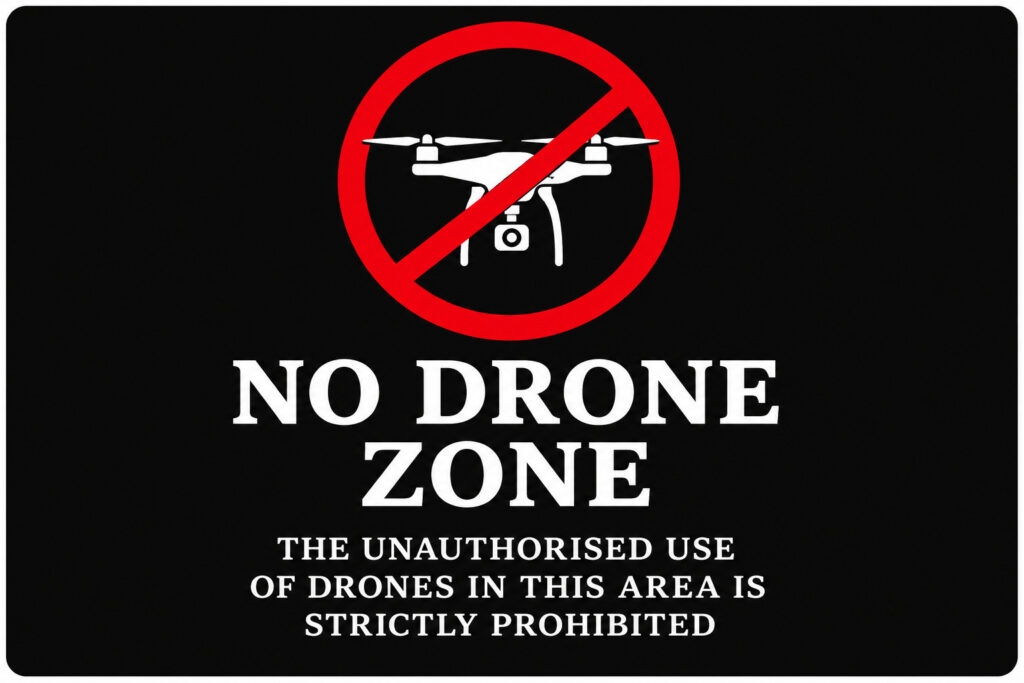
Many people assume you can fly a drone anywhere as long as you’re careful, but that’s not the case. Most countries regulate drone use, and in many situations you’ll need to register your drone, obtain authorization, or get a permit before taking off. The exact requirements depend on factors such as the drone’s weight, where you’re flying, whether the flight is recreational or commercial, and if you’re operating in restricted airspace.
Why Were These Rules Introduced?
Drone regulations are designed to keep people and airspace safe. They help prevent collisions with aircraft, protect people on the ground from falling drones, safeguard personal privacy, and protect critical infrastructure such as airports, military sites, and power plants. As drones became more affordable and widely used, governments introduced these rules to reduce accidents and prevent misuse.
Can Tourists Fly Drones?
Sometimes—but not always. Every country has its own drone regulations for visitors. Some allow tourists to fly after registering their drone, while others require permits before arrival. A few countries may temporarily hold drones at customs or restrict recreational drone flights in certain areas altogether.
Before traveling, it’s always a good idea to check the rules issued by your destination’s civil aviation authority. Doing so can save you from fines, delays, or having your drone confiscated.
Common Drone Rules Around the World
Although the details vary from country to country, many places—including the United States, the European Union, and India—share similar basic rules. Pilots are generally expected to fly only during permitted times, keep the drone within their visual line of sight, stay below the maximum altitude limit, avoid flying over uninvolved people, respect no-fly zones, and always give way to manned aircraft.
What Happens If You Break the Rules?
The penalties depend on the country’s laws and the seriousness of the violation. Possible consequences include monetary fines, confiscation of the drone, suspension or cancellation of permits, and, in more serious cases, criminal prosecution—especially if the flight endangers public safety or national security.
The safest approach is simple: check the local drone regulations before you fly. A few minutes of research can help you avoid legal trouble and ensure a safe, enjoyable flight.
21. Don’t Walk Around Shirtless
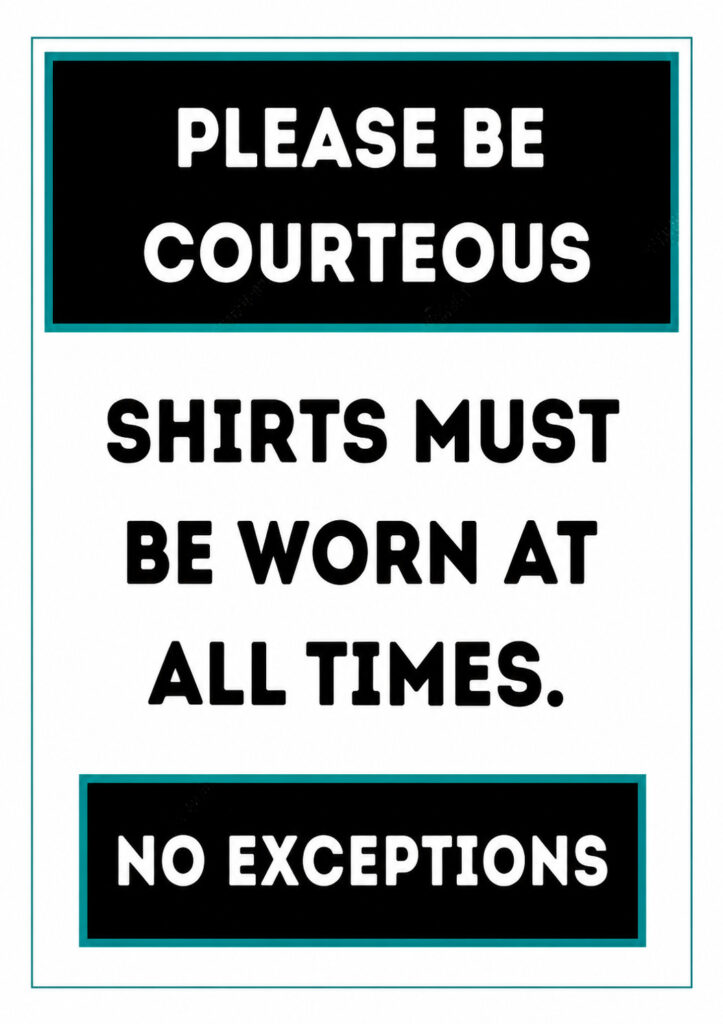
Many people assume it’s perfectly acceptable to walk around shirtless in tourist destinations, but that’s not always the case. While most countries don’t have a nationwide law banning people from being shirtless in public, many cities—especially popular tourist destinations in countries like Spain, Italy, and Croatia—have local bylaws that prohibit walking shirtless or wearing only swimwear away from beaches, pools, or other designated recreational areas.
What Do These Rules Actually Say?
In many tourist cities, local regulations prohibit people from walking shirtless in city streets, wearing only bikinis or swimwear away from the beach, or entering shops, restaurants, museums, public buildings, or public transportation without appropriate clothing.
These rules aren’t meant to stop people from enjoying the beach. Instead, they’re designed to maintain public decorum, respect local customs, and ensure that beachwear stays where it belongs—at the beach or pool.
What Happens If You Break the Rules?
If you ignore these local regulations, authorities may issue an on-the-spot fine, ask you to put on a shirt or cover up, refuse you entry to businesses or public buildings, or, in some cases, remove repeat offenders from certain public areas.
The exact penalties vary by city, but avoiding them is easy—simply put on a shirt or other appropriate clothing before leaving the beach or pool area. It’s a small gesture that shows respect for local customs and helps you avoid an unnecessary fine.
22. No Smoking in Many Public Places
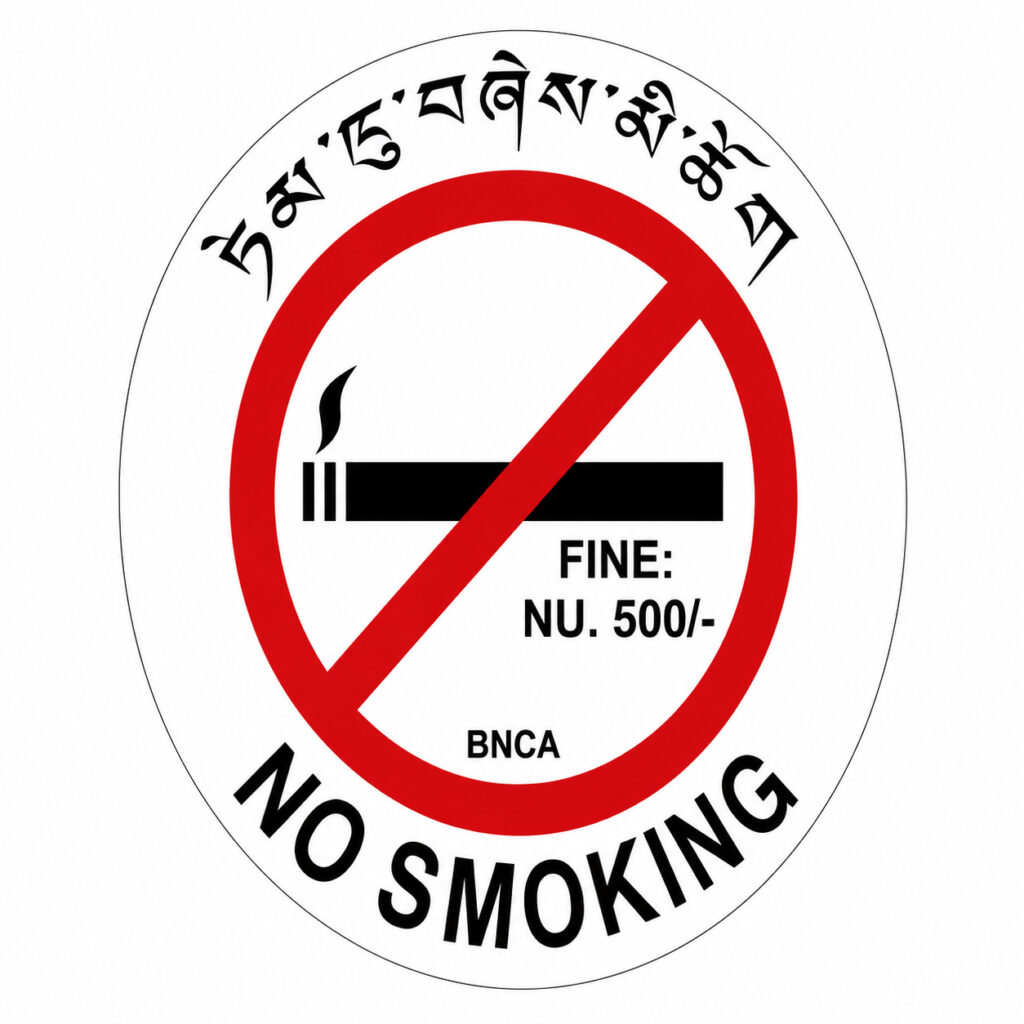
Many people believe smoking tobacco is completely illegal in Bhutan, but that’s a common misconception. While the country has some of the world’s strictest tobacco-control laws, smoking itself is not banned. Instead, the sale, advertising, import, and use of tobacco products are heavily regulated, and smoking is prohibited in many public places.
What Does the Law Actually Say?
Bhutan’s Tobacco Control Act, along with later amendments, regulates the manufacture, sale, import, advertising, and use of tobacco products. Smoking is prohibited in many public places, including government offices, hospitals and healthcare facilities, schools and educational institutions, public transportation, restaurants and cafés where smoking is not permitted, many indoor public spaces, and anywhere “No Smoking” signs are displayed.
Local authorities may also designate additional smoke-free areas, so visitors should always pay attention to posted signs.
What Happens If Someone Smokes in a Prohibited Area?
If someone smokes in a place where it’s prohibited, authorities may issue a monetary fine, require the person to stop smoking immediately, or take further enforcement action for repeated or more serious violations.
Businesses that fail to enforce smoke-free regulations may also face penalties. To avoid any problems, it’s always best to smoke only in designated smoking areas and follow local regulations.
23. Don’t Remove Historical Artifacts
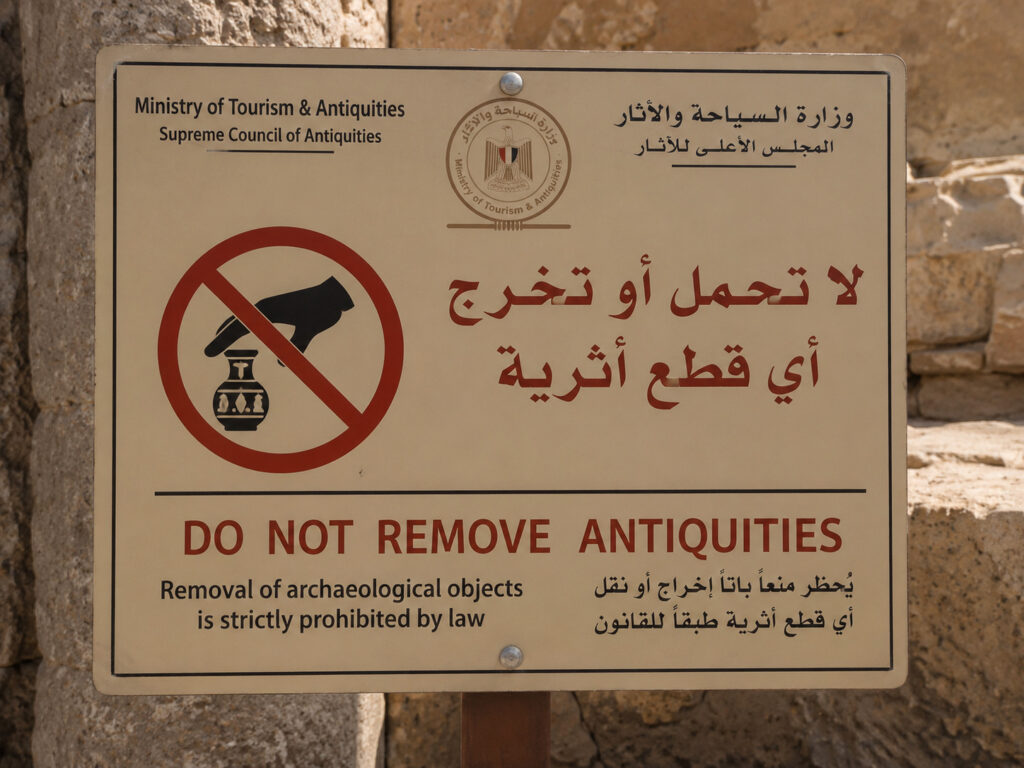
Egypt has some of the world’s strictest laws protecting its archaeological and cultural heritage. It is illegal to remove, steal, damage, or illegally possess artifacts from archaeological sites, museums, or protected historical monuments. Even objects that may seem insignificant—such as pottery fragments, ancient stones, or carved pieces—can be legally protected.
What Does the Law Actually Say?
Egypt’s Law on the Protection of Antiquities (Law No. 117 of 1983, as amended) safeguards registered antiquities and archaeological sites across the country. Under this law, it is illegal to remove artifacts from archaeological sites, steal or illegally possess antiquities, damage or deface historical monuments, carry out unauthorized excavations, or trade or export protected antiquities without official authorization.
These laws apply to everyone, including Egyptian citizens, foreign residents, and tourists.
Can Tourists Buy Ancient Artifacts?
Yes—but only if they are legally sold replicas or other items that can be exported lawfully. Many souvenir shops offer replica statues, reproduction papyrus paintings, decorative scarabs, and handmade crafts inspired by ancient Egypt.
Authentic antiquities generally cannot be legally exported without official permission. If you’re buying an expensive item, it’s always a good idea to ask for a receipt and any available authenticity documentation.
What Happens If Someone Removes an Artifact?
The penalties depend on the nature of the offense, but Egypt takes crimes involving antiquities very seriously. Authorities may confiscate the item, impose substantial fines, arrest the offender, file criminal charges, or, in serious cases involving theft, smuggling, or intentional damage, impose prison sentences.
The safest approach is simple: admire Egypt’s incredible historical treasures where they are and purchase only legally sold replicas from reputable shops.
Final Thoughts
Every country has its own customs, traditions, and laws, and that’s part of what makes traveling so fascinating. While some of the rules in this guide may seem unusual—or even a little funny—most were created for practical reasons, whether it’s protecting historic landmarks, preserving the environment, maintaining public safety, or respecting local culture.
Before you travel abroad, it’s always worth taking a few minutes to learn about the local laws and customs. A little research can help you avoid unexpected fines, awkward situations, or legal trouble, while also showing respect for the people and places you’re visiting.
At the end of the day, being a responsible traveler isn’t just about seeing new places—it’s about understanding them. Travel with curiosity, follow the local rules, and you’ll enjoy a smoother, safer, and more memorable journey wherever you go.