Mexico is a country where food is much more than just something people eat to satisfy their hunger. It is an important part of everyday life, family traditions, celebrations, history, and cultural identity. From colourful street-food stalls serving freshly made tacos to family kitchens filled with the rich aroma of slow-cooked mole, Mexican cuisine reflects centuries of culinary traditions and regional influences.
Famous around the world for its bold flavours, vibrant colours, aromatic spices, and fresh ingredients, Mexican food offers an incredible variety of dishes. Corn, beans, chillies, tomatoes, avocados, and chocolate are the foundations of many traditional recipes. Cooking methods and recipes passed down through generations also continue to shape Mexico’s unique food culture.
Mexican cuisine has deep roots in the country’s history. Indigenous civilizations, particularly the Maya and Aztecs, developed advanced farming and cooking traditions long before the arrival of the Spanish. Following Spanish colonization in the 16th century, European ingredients and cooking techniques gradually blended with Indigenous food traditions, creating the rich and diverse cuisine Mexico is known for today.
Recognizing its cultural importance, UNESCO added traditional Mexican cuisine to its Representative List of the Intangible Cultural Heritage of Humanity in 2010. This recognition highlights how food connects Mexican communities with their history, traditions, and cultural identity.
Whether you’re exploring the busy food markets of Mexico City, enjoying fresh seafood along the Pacific coast, or discovering traditional recipes in Oaxaca and Puebla, Mexican cuisine offers something special in every region.
The History and Origins of Mexican Cuisine
Mexican cuisine has a history that goes back thousands of years, long before Europeans arrived in the Americas. Its roots lie in the food traditions of ancient Indigenous civilizations, particularly the Maya and Aztecs, as well as many other communities that developed their own farming methods and cooking techniques.
Corn, beans, chillies, squash, tomatoes, and avocados were among the most important ingredients in traditional diets. These foods provided essential nutrition and also played an important role in Indigenous culture, traditions, and beliefs.
A. Ancient Indigenous Food Traditions
One of the most important contributions of ancient Mexican civilizations was the development of an agricultural system known as the milpa.
The milpa is a traditional farming system that commonly combines the cultivation of corn, beans, and squash. These crops grow well together and support one another in different ways. Corn provides a structure for climbing beans, beans help add nitrogen to the soil, and squash spreads across the ground, helping retain moisture and limit weed growth. Together, they provide a variety of essential nutrients.
Corn became especially important in everyday life because it could be used to prepare many staple foods, including tortillas, tamales, and other traditional dishes.
Another major contribution was nixtamalisation, an ancient process in which dried corn is cooked and soaked in an alkaline solution, traditionally made with lime. This process softens the corn, makes it easier to grind, and improves the body’s ability to absorb certain nutrients, particularly niacin.
The resulting corn dough, known as masa, is still a key ingredient in Mexican cuisine today. It is used to prepare popular foods such as tortillas, tamales, and many other traditional dishes.
B. Spanish Influence on Mexican Cuisine
The arrival of Spanish colonisers in the 16th century brought new ingredients, livestock, and cooking techniques that gradually changed Mexico’s food culture.
Ingredients such as wheat, rice, dairy products, pork, beef, chicken, onions, garlic, and various spices became part of the country’s evolving culinary traditions.
Over time, Indigenous ingredients and cooking methods blended with European influences, creating new dishes and regional variations that helped shape modern Mexican cuisine.
For example, pork became an important ingredient in dishes such as carnitas, while the introduction of wheat contributed to the development of bread and flour tortillas, which became especially popular in northern Mexico.
C. Mexican Cuisine in the Modern World
Over the centuries, Mexican cuisine has continued to evolve through regional traditions, migration, trade, and cultural exchange. Today, it includes everything from traditional home-cooked meals and affordable street food to creative dishes served in modern restaurants.
Despite these changes, many ancient ingredients, recipes, and cooking techniques remain an important part of everyday Mexican life.
In 2010, UNESCO recognised traditional Mexican cuisine as an Intangible Cultural Heritage of Humanity. This recognition celebrated more than just individual dishes and recipes. It highlighted the traditional knowledge, agricultural practices, cooking methods, and community traditions that have been passed down through generations and continue to keep Mexican food culture alive.
Let’s explore 10 traditional Mexican dishes that showcase the country’s incredible food culture, unique ingredients, bold flavours, and rich culinary heritage.
1. Tacos – Mexico’s Most Beloved Street Food
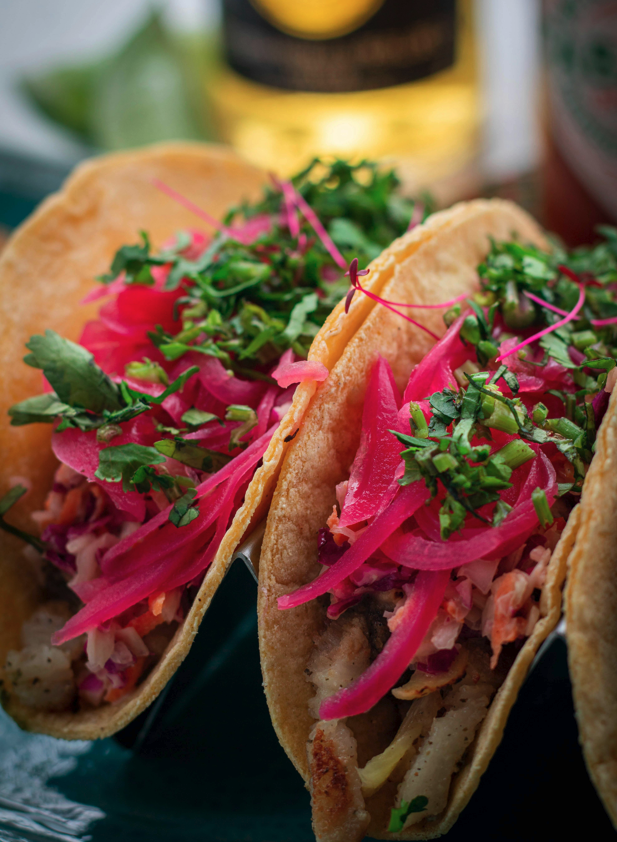
Few dishes represent Mexican cuisine as well as tacos. Simple, affordable, and incredibly versatile, tacos are among the most popular everyday foods in Mexico. From busy street-food stalls to family kitchens and restaurants, they are enjoyed across the country.
A traditional Mexican taco consists of a soft corn tortilla filled with a variety of ingredients, such as grilled meat, slow-cooked pork, seafood, vegetables, or beans. It is usually topped with chopped onions, fresh coriander, salsa, and a squeeze of lime juice. Some varieties also include sliced radishes and other fresh toppings.
Unlike many international versions, traditional Mexican tacos generally use small, soft tortillas rather than large, crispy shells. Their simple preparation allows the flavours of the fillings, toppings, and tortillas to stand out.
A. Popular Types of Mexican Tacos
Mexico has countless regional taco varieties, each offering its own combination of ingredients, flavours, and cooking techniques. Here are five popular types worth knowing:
- Tacos al Pastor: One of Mexico’s most famous taco varieties, made with marinated pork cooked on a vertical spit. The meat is thinly sliced and commonly served with pineapple, chopped onions, fresh coriander, and salsa.
- Tacos de Carnitas: Prepared with pork slowly cooked in its own fat until tender and flavourful. The meat is usually served in corn tortillas with salsa, chopped onions, and coriander.
- Tacos de Barbacoa: Traditionally made with meat that is slowly cooked until tender, often lamb, goat, or beef, depending on the region. It is commonly served with onions, coriander, salsa, and lime.
- Tacos de Pescado: Popular in Mexico’s coastal regions, these fish tacos are usually made with grilled or fried fish and topped with cabbage, salsa, and creamy sauces.
- Tacos de Birria: Filled with richly seasoned, slow-cooked meat, traditionally goat or beef in many popular versions. They are often served with a flavourful broth called consomé, which is used for dipping.
B. Ingredients and Flavours
Corn tortillas are the foundation of many traditional Mexican tacos. Their slightly earthy flavour pairs perfectly with different fillings, while fresh lime, onions, coriander, and chilli-based salsas add freshness, acidity, and heat.
The combination of ingredients creates a balance of flavours and textures in every bite. Some tacos are spicy and smoky, while others are savoury, tangy, or mildly sweet.
One of the most interesting things about Mexican tacos is their regional diversity. Ingredients, cooking styles, and toppings can vary considerably depending on the part of Mexico where they are prepared. This variety makes tacos an important part of the country’s rich food culture.
Cultural Significance: Tacos are much more than a popular Mexican street food. They represent everyday culinary traditions, local agricultural ingredients, and the creativity of generations of cooks. Enjoyed throughout the day, from breakfast to late-night meals, tacos remain a favourite across Mexican communities.
2. Tamales – A Traditional Mexican Corn-Based Delicacy
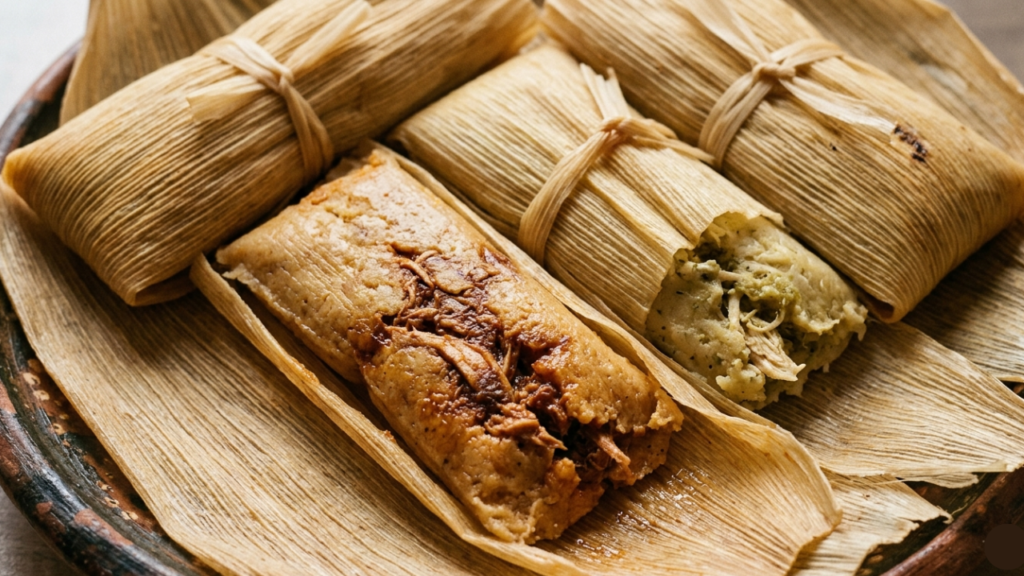
Tamales are among the oldest and most traditional foods in Mexican cuisine. Their origins go back to ancient Mesoamerican civilizations, where corn-based foods played an important role in everyday life, celebrations, and cultural traditions.
A traditional tamal is made from masa, a dough prepared from specially treated corn. It is filled with savoury or sweet ingredients, wrapped in corn husks or banana leaves, and steamed until fully cooked.
The wrapping helps hold the shape of the tamal, retain moisture, and allow the masa and filling to cook together. Depending on the ingredients and preparation method, tamales can have a variety of flavours and textures.
A. Different Types of Mexican Tamales
Tamales come in countless varieties across Mexico, with different regions having their own recipes, ingredients, and preparation traditions. Some popular varieties include:
- Tamales Verdes: Filled with chicken or pork and covered in a tangy green salsa made with tomatillos and green chillies.
- Tamales Rojos: Prepared with meat, usually pork or chicken, and a rich red chilli sauce that gives them their distinctive colour and flavour.
- Tamales de Rajas: Filled with strips of poblano peppers and cheese, sometimes accompanied by tomatoes or other ingredients.
- Tamales Dulces: Sweet tamales made with sugar and sometimes flavoured with cinnamon, fruit, raisins, or other sweet ingredients. They are often recognisable by their colourful appearance.
- Tamales Oaxaqueños: A traditional variety from Oaxaca, usually wrapped in banana leaves and commonly filled with mole and chicken.
B. Ingredients and Preparation
The main ingredient in tamales is masa, which can be freshly prepared from nixtamalised corn or made using masa harina, a specially prepared corn flour. Depending on the recipe, the dough may contain lard, vegetable fat, or other ingredients that give it a soft and tender texture.
Tamale fillings vary widely. Popular savoury options include chicken, pork, beans, cheese, and chilli sauces, while sweet versions may contain fruits, chocolate, cinnamon, or sweetened fillings.
Once assembled, tamales are placed in a steamer and cooked until the masa becomes firm and separates easily from the wrapping. The cooking time depends on their size, filling, and preparation method.
Cultural Significance: Tamales hold a special place in Mexican food culture and are closely associated with family gatherings, festivals, religious celebrations, and other special occasions. They are often prepared in large batches, with several family members helping to make the masa, prepare the fillings, and wrap each tamal. This shared cooking tradition brings families together and helps preserve recipes and culinary customs passed down through generations.
3. Mole Poblano – The Soul of Mexico
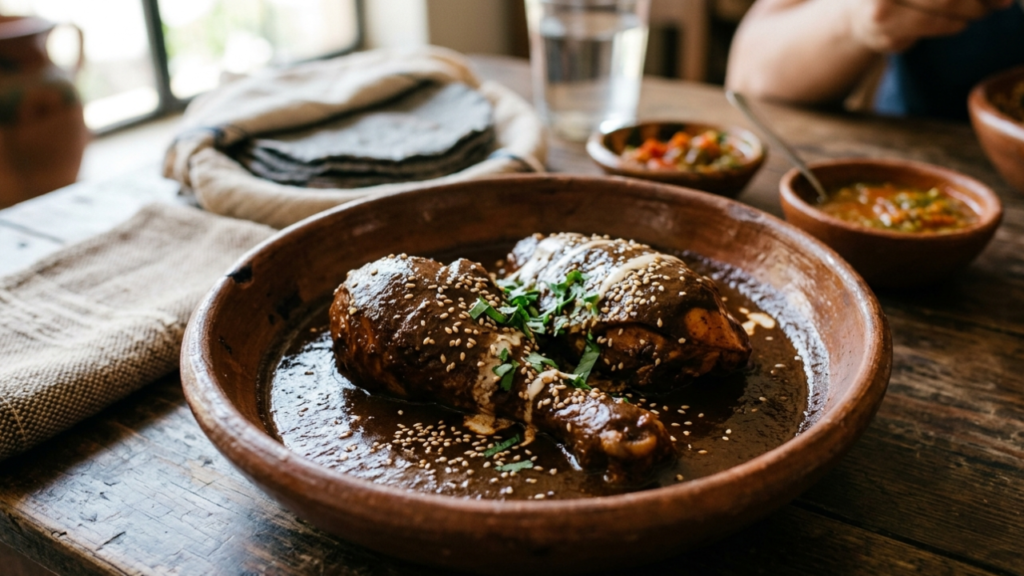
Mole Poblano is one of the most famous and celebrated dishes in Mexican cuisine. Originating in Puebla, this traditional dish is known for its rich texture, deep flavours, and unusual combination of ingredients.
Unlike an ordinary chilli sauce, Mole Poblano is made by combining several ingredients, including dried chillies, nuts, seeds, spices, tomatoes, herbs, and Mexican chocolate. Each ingredient adds something different to the final dish.
The result is a thick, aromatic sauce with a unique balance of sweet, smoky, earthy, slightly bitter, and mildly spicy flavours.
A. What Makes Mole Poblano Special?
What makes Mole Poblano stand out is the combination of ingredients that come together to create its distinctive flavour. Depending on the recipe, the sauce may include:
- Dried chillies: Ancho and mulato chillies provide depth, colour, and a mild smoky flavour.
- Nuts and seeds: Sesame seeds, almonds, peanuts, and pumpkin seeds help give the sauce its rich texture.
- Vegetables: Tomatoes and onions add flavour and balance.
- Aromatics: Garlic and herbs bring additional depth to the sauce.
- Spices: Cinnamon, cloves, and other spices create its distinctive aroma.
- Mexican chocolate: Adds depth and a subtle bitterness rather than making the sauce overly sweet.
The ingredients are carefully toasted, fried, ground, and slowly combined to create a smooth, richly flavoured sauce. Traditional preparation can take several hours, and many families have their own recipes that have been passed down through generations.
B. How Is Mole Poblano Served?
Mole Poblano is most commonly served over cooked chicken or turkey, with rice and warm tortillas on the side. Sesame seeds are often sprinkled over the sauce as a final garnish.
Its dark, thick appearance makes it instantly recognisable, while the combination of different ingredients creates a flavour that is difficult to compare with other sauces.
Cultural Significance: Mole Poblano is closely associated with celebrations, weddings, festivals, and family gatherings. The city of Puebla is particularly famous for this dish, which reflects the history, creativity, and richness of Mexican culinary traditions. It remains one of the most recognised examples of Mexico’s diverse food culture.
4. Pozole – A Traditional Mexican Hominy Soup
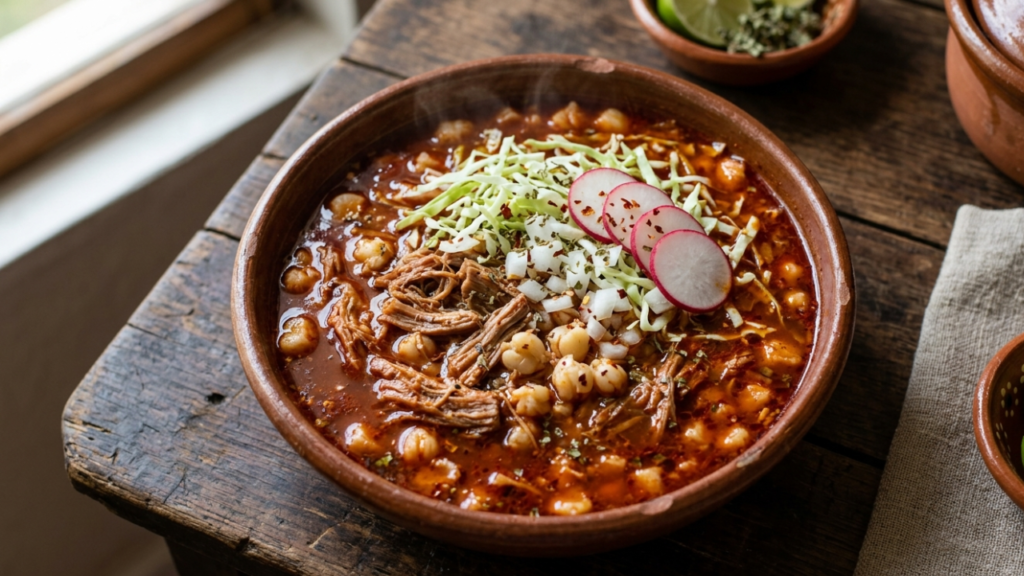
Pozole is a traditional Mexican soup or stew with deep roots in ancient Mesoamerican food culture. Known for its rich broth, tender meat, and soft corn kernels, it is one of Mexico’s most loved traditional dishes.
The main ingredient is hominy, which is made from dried corn kernels treated through a process called nixtamalisation. This process removes the outer layer of the kernels, making them softer and changing their texture. When cooked in pozole, hominy becomes tender, slightly chewy, and full of flavour.
Pozole is commonly prepared with pork or chicken and seasoned with different ingredients depending on the region and recipe. Its broth can be red, green, or clear, giving each variety its own distinctive taste.
A. Three Popular Types of Mexican Pozole
Pozole is commonly divided into three main varieties, each named after the colour and ingredients of its broth:
- Pozole Rojo: A red version made with dried red chillies, such as guajillo or ancho chillies. These give the broth its deep colour, rich flavour, and mild to moderate heat.
- Pozole Verde: A green version commonly prepared with tomatillos, green chillies, coriander, and other green ingredients. It has a fresh, tangy flavour.
- Pozole Blanco: A simpler version prepared without the red or green chilli sauce. It allows the natural flavours of the hominy, meat, and broth to stand out.
B. Traditional Pozole Toppings
One of the best parts of eating pozole is adding fresh toppings to your bowl. These ingredients bring extra flavour, colour, and crunch to the warm soup.
Common toppings and accompaniments include:
- Shredded cabbage or lettuce: Adds freshness and a crunchy texture.
- Sliced radishes: Provide a slightly peppery taste.
- Chopped onions: Add a sharp, fresh flavour.
- Lime wedges: Bring a refreshing touch of acidity.
- Dried oregano: Adds an earthy, aromatic flavour.
- Chilli powder or salsa: Provides extra heat for those who enjoy spicy food.
- Crispy tostadas: Served on the side for a crunchy contrast.
Together, these toppings balance the warm, savoury broth with fresh and crunchy ingredients, making every bowl more flavourful.
Cultural Significance: Pozole has a special place in Mexican food culture and is closely associated with celebrations, family gatherings, and festive occasions. It is particularly popular during Mexican Independence Day celebrations and is often prepared in large pots to serve family members and guests. Sharing a bowl of pozole is a long-standing food tradition that brings people together.
5. Guacamole – Mexico’s Famous Avocado Dip
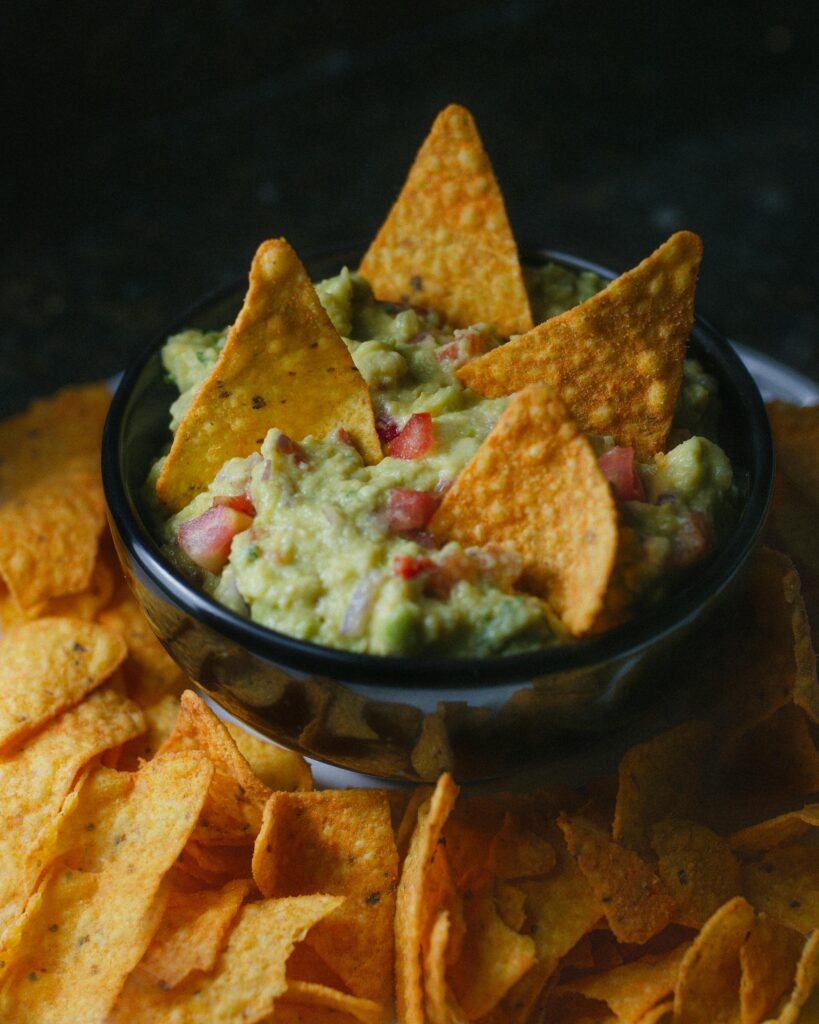
Guacamole is one of the most famous and widely enjoyed dishes in Mexican cuisine. Made primarily from fresh avocados, this creamy dip is known for its smooth texture, refreshing flavour, and simple preparation.
Its origins date back to the Aztec civilization, where avocados were mashed and combined with other ingredients to create an early version of the dish. The name guacamole comes from the Nahuatl word āhuacamōlli, which combines the words for avocado and sauce.
Traditional guacamole is made by mashing ripe avocados with ingredients such as lime juice, onions, tomatoes, fresh coriander, chillies, and salt. The result is a creamy mixture with a balance of rich, tangy, fresh, and slightly spicy flavours.
A. Main Ingredients of Traditional Guacamole
One of the best things about guacamole is that it requires only a few fresh ingredients. Common ingredients include:
- Avocados: The main ingredient, providing a naturally creamy texture and rich flavour.
- Lime juice: Adds freshness and acidity while helping slow down browning.
- Onions: Bring a sharp, savoury flavour.
- Tomatoes: Add colour, freshness, and a slightly sweet taste.
- Fresh coriander: Provides a distinctive herbal aroma.
- Green chillies: Add heat and extra flavour.
- Salt: Enhances the taste of the other ingredients.
Traditional recipes often use a mortar and pestle called a molcajete to mash and mix the ingredients, although a fork or other simple kitchen tools can also be used.
B. How Is Guacamole Served?
Guacamole is commonly served as a dip alongside crispy tortilla chips, known as totopos. It is also used as a topping or accompaniment for tacos, quesadillas, nachos, and other Mexican dishes.
In many Mexican households and restaurants, freshly prepared guacamole is enjoyed as part of everyday meals and social gatherings.
C. Flavour and Texture
The most distinctive feature of guacamole is its creamy texture and fresh avocado flavour. Lime juice adds a tangy touch, while onions, tomatoes, coriander, and chillies create a refreshing combination of flavours.
Its mild richness also makes it a perfect accompaniment to spicy Mexican dishes, helping balance stronger flavours.
Cultural Significance: Guacamole has deep roots in Mexican food history, dating back to the Aztec civilization. Today, it remains an important part of Mexican cuisine and is enjoyed around the world. From traditional family meals to modern restaurants, this simple avocado-based dish continues to represent the freshness and versatility of Mexican cooking.
6. Enchiladas – A Classic Mexican Tortilla Dish

Enchiladas are one of the most popular traditional dishes in Mexican cuisine. They highlight the importance of corn tortillas and flavourful chilli-based sauces in everyday Mexican cooking.
The dish is usually made by filling corn tortillas with ingredients such as chicken, beef, cheese, or beans. The tortillas are then rolled or folded, arranged on a plate, and covered with a rich, flavourful sauce.
Depending on the recipe and region, the tortillas may be lightly fried or dipped in sauce before being filled. Different cooking methods and toppings give enchiladas their own distinctive flavours.
A. Popular Types of Mexican Enchiladas
Mexico has several varieties of enchiladas, each with its own sauce, filling, and regional cooking traditions. Some popular examples include:
- Enchiladas Verdes: Covered in a tangy green sauce made mainly from tomatillos and green chillies. They are often filled with chicken and topped with cheese, onions, or cream.
- Enchiladas Rojas: Prepared with a rich red sauce made from dried chillies and sometimes tomatoes. The sauce gives the dish a deep colour and a slightly smoky flavour.
- Enchiladas Suizas: A creamy variation usually covered with green sauce, cream, and melted cheese. They are known for their rich texture and mild, tangy flavour.
- Enchiladas de Mole: Filled with chicken or other ingredients and covered with traditional mole sauce, creating a richer and more complex flavour.
- Enchiladas Potosinas: A regional speciality from San Luis Potosí. Unlike regular enchiladas, these are made using chilli-infused masa, with cheese and other fillings, and are typically folded and cooked before serving.
B. Ingredients and Flavours
Corn tortillas are the foundation of traditional Mexican enchiladas, while the sauce gives each variety its distinctive character.
Green enchilada sauces usually have a fresh, tangy flavour, while red sauces tend to be richer, earthier, and sometimes smoky. Mole-based versions offer a more complex combination of flavours.
Common toppings include cheese, Mexican crema, chopped onions, and fresh coriander. These ingredients add extra flavour and texture while balancing the chilli-based sauces.
Cultural Significance: Enchiladas show how a simple staple like the corn tortilla can be transformed into countless delicious regional dishes. They are enjoyed in homes, restaurants, and traditional Mexican eateries across the country, with each region bringing its own ingredients and cooking traditions to the table.
7. Chiles Rellenos – Traditional Mexican Stuffed Peppers
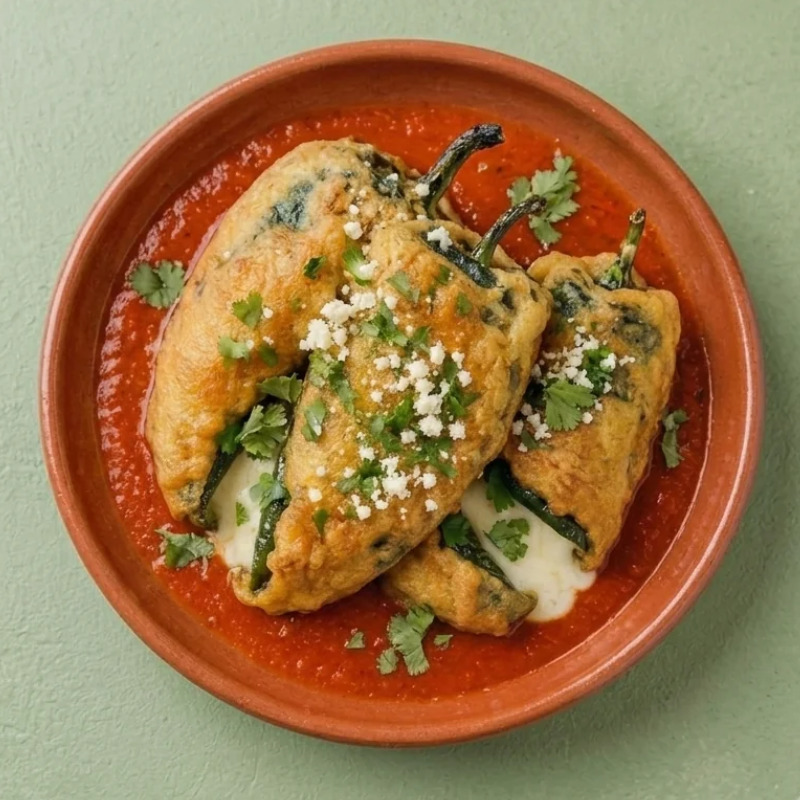
Chiles Rellenos is a traditional Mexican dish that shows how simple ingredients can come together to create a delicious and satisfying meal.
The name means “stuffed chillies” in Spanish, referring to large peppers filled with ingredients such as cheese, meat, beans, or vegetables. The most commonly used pepper is the poblano, which has a mild to moderate heat level and a distinctive earthy flavour.
A. How Are Chiles Rellenos Prepared?
Preparing Chiles Rellenos usually begins with roasting poblano peppers over an open flame or on a hot surface until their skins become blistered and easy to remove.
Once the skins are peeled away, the peppers are carefully slit open, and their seeds are removed. They are then filled with different ingredients, depending on the recipe, such as:
- Mexican cheese: Including queso Oaxaca, which melts beautifully inside the pepper.
- Seasoned minced meat: Usually beef or pork.
- Chicken: Cooked and seasoned before being used as a filling.
- Beans: A popular filling that adds a rich, hearty texture.
- Vegetables: Used in different regional and vegetarian versions.
After stuffing, the peppers are often coated in beaten egg batter and fried until the outside becomes light, fluffy, and golden brown. Some versions are served with a traditional tomato-based sauce, while others are accompanied by Mexican rice, beans, or fresh salsa.
B. Flavour and Texture
Chiles Rellenos offer a wonderful combination of flavours and textures. The roasted poblano pepper has a slightly smoky, earthy taste, while the filling adds creaminess, savoury flavour, or a hearty texture, depending on the ingredients used.
When coated in egg batter and fried, the outside becomes soft and golden, creating a delicious contrast with the tender pepper and its filling.
Cultural Significance: Chiles Rellenos is an important part of Mexican home cooking and regional food traditions. It is enjoyed in households and restaurants, particularly in central Mexico, and is also served during festive meals and special family gatherings. The dish highlights the creativity of Mexican cooking, where everyday ingredients are turned into something truly special.
8. Quesadillas – A Simple and Popular Mexican Cheese Dish

Quesadillas are among the most popular and easy-to-prepare dishes in Mexican cuisine. They are usually made by filling a tortilla with cheese, folding it in half, and cooking it until the cheese melts and the outside becomes lightly golden and crispy.
The name quesadilla comes from the Spanish word queso, which means cheese. However, quesadillas are not always made with cheese, and their ingredients and preparation methods vary from one region of Mexico to another.
A. What Goes Inside a Mexican Quesadilla?
Cheese is a common filling, but traditional Mexican quesadillas can contain many other ingredients. Some popular options include:
- Mushrooms: Add an earthy flavour and soft texture.
- Squash blossoms: A traditional filling known for its delicate flavour.
- Cooked chicken: Adds a savoury and satisfying touch.
- Chorizo: Mexican sausage that brings a rich, spicy flavour.
- Potatoes: Provide a soft and hearty filling.
- Beans: Add flavour and make the quesadilla more filling.
- Vegetables: Different vegetables are used depending on regional recipes and personal preferences.
Quesadillas can be prepared with either corn or wheat tortillas. Corn tortillas are common in many parts of Mexico, while wheat tortillas are particularly popular in northern Mexico.
One interesting regional difference can be found in Mexico City, where quesadillas can be ordered with or without cheese. This often surprises visitors who assume that cheese is always an essential ingredient.
B. How Are Mexican Quesadillas Served?
Quesadillas are commonly served with fresh salsa, guacamole, chopped onions, coriander, and sometimes Mexican crema. Their cooking methods also vary. Some are cooked on a flat griddle or in a pan until lightly toasted, while others are deep-fried to create a crispier texture.
The combination of a warm tortilla, flavourful filling, and fresh toppings makes quesadillas a simple yet satisfying meal.
Cultural Significance: Quesadillas are an important part of everyday Mexican food culture and are enjoyed for breakfast, lunch, dinner, or as a quick snack. Their simple preparation, affordable ingredients, and variety of fillings have made them a favourite in Mexican homes, street-food stalls, and restaurants.
9. Tostadas – Crispy Mexican Tortillas with Colourful Toppings
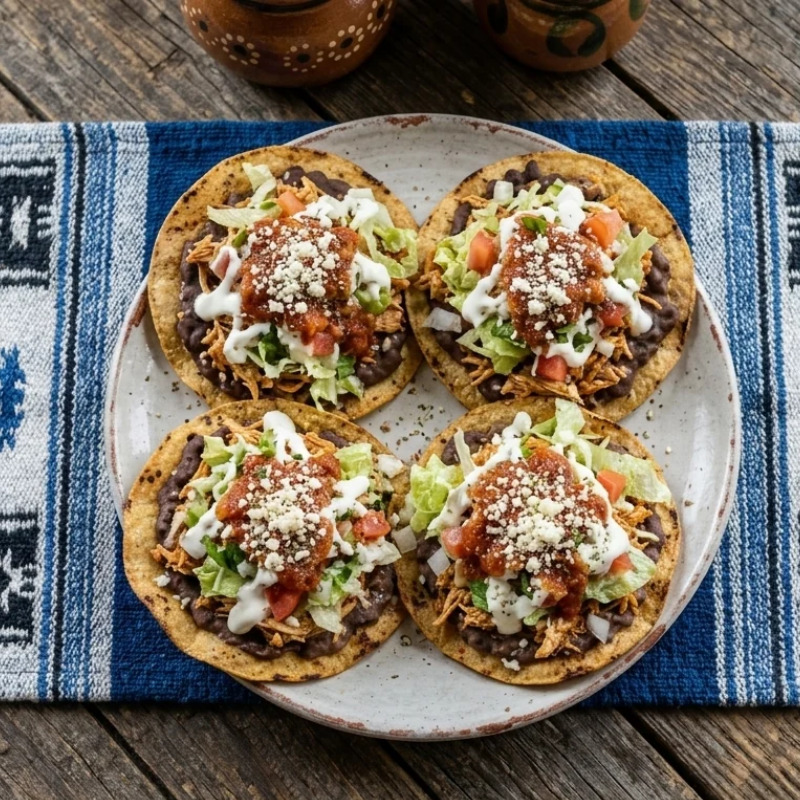
Tostadas are a popular traditional Mexican dish made with flat, crispy tortillas topped with a variety of fresh and flavourful ingredients.
The word tostada means “toasted” in Spanish, referring to the crunchy tortilla that forms the base of the dish. Unlike soft tacos, tostadas are usually served on flat, crispy tortillas that hold different toppings.
Traditionally, tostadas were also a practical way to use leftover tortillas that had become stale. Instead of throwing them away, people toasted or fried them until crispy and added fresh ingredients on top. This simple idea helped turn leftover tortillas into a delicious and satisfying meal.
A. Popular Tostada Toppings
One of the best things about Mexican tostadas is their versatility. They can be topped with different combinations of ingredients depending on regional traditions, personal preferences, and what is locally available.
Some common toppings include:
- Refried beans: Create a creamy base and add a rich, savoury flavour.
- Shredded chicken or beef: Provide a hearty and protein-rich topping.
- Seafood and ceviche: Popular choices in coastal regions, offering fresh and tangy flavours.
- Lettuce or shredded cabbage: Add freshness and a crunchy texture.
- Fresh tomatoes: Bring a juicy, slightly sweet flavour.
- Avocado: Adds a smooth and creamy texture.
- Mexican cheese: Provides a salty and savoury touch.
- Mexican crema: Adds a creamy finish.
- Salsa: Brings extra flavour, acidity, and heat.
Seafood tostadas are particularly popular in Mexico’s coastal regions, where fresh fish and shellfish are widely available. They are often topped with ceviche, avocado, lime juice, and fresh vegetables.
B. Flavour and Texture
The most distinctive feature of tostadas is their crispy tortilla base. Its crunchy texture contrasts beautifully with creamy refried beans, tender meat, smooth avocado, and fresh vegetables.
Lime juice and salsa add a refreshing tang and extra flavour, while cheese and crema provide a rich, creamy finish. Every bite offers a combination of different textures and flavours, making tostadas a simple but satisfying Mexican favourite.
Cultural Significance: Tostadas are enjoyed throughout Mexico as snacks, light meals, and party foods. Their versatility also reflects the resourcefulness of traditional Mexican cooking, where simple ingredients and leftover tortillas can be turned into delicious dishes. They highlight the important role tortillas continue to play in everyday Mexican food culture.
10. Elote and Esquites – Mexico’s Favourite Street Corn
Corn has been an essential part of Mexican food culture for thousands of years. It is used to prepare everything from tortillas and tamales to soups, snacks, and many other traditional dishes.
Two of the most popular corn-based street foods in Mexico are Elote and Esquites. Both are made with cooked corn and similar toppings, but the main difference is how they are served.
A. Elote: Traditional Mexican Corn on the Cob

Elote is a popular Mexican street food made with a whole ear of corn, usually grilled or boiled and served on a stick or held by hand.
Once cooked, the corn is covered with a combination of flavourful toppings, such as:
- Mayonnaise or Mexican crema: Adds a rich, creamy texture.
- Cotija cheese: A crumbly Mexican cheese that provides a salty flavour.
- Chilli powder: Brings a little heat and extra flavour.
- Lime juice: Adds a refreshing tang.
- Salt: Enhances the natural sweetness of the corn.
Together, these ingredients create a delicious combination of sweet, creamy, salty, tangy, and spicy flavours. Street vendors across Mexico prepare elote fresh, making it a popular and affordable snack enjoyed by people of all ages.
B. Esquites: Mexican Street Corn Served in a Cup

Esquites are made with many of the same ingredients as elote, but the corn kernels are removed from the cob and served in a cup. The kernels are commonly cooked in a pot with ingredients such as onions, chillies, butter, and epazote, an aromatic herb widely used in Mexican cooking.
Once cooked, the corn is served warm and topped with mayonnaise, crumbled cheese, lime juice, and chilli powder. Some regional versions also include additional ingredients or cooking variations.
Unlike elote, esquites are eaten with a spoon, making them especially convenient to enjoy while walking through markets, public squares, and busy city streets.
C. Why Are Elote and Esquites So Popular?
Elote and esquites are popular because they are affordable, flavourful, and easy to customize. Whether someone prefers creamy toppings, extra chilli, or plenty of lime juice, both dishes can be adjusted to suit different tastes.
They also highlight the importance of corn in traditional Mexican cooking, showing how one essential ingredient can be turned into different and delicious street-food snacks.
Cultural Significance: Elote and esquites connect modern Mexican street-food culture with an agricultural tradition that stretches back thousands of years. Corn has been a staple of Indigenous food traditions for centuries, and these popular snacks show how it continues to play an important role in everyday Mexican life.
Final Thoughts
Mexican cuisine is one of the world’s richest culinary traditions, bringing together ancient Indigenous ingredients, traditional cooking techniques, regional specialities, and influences from different periods of history.
From the simple yet delicious flavours of tacos and quesadillas to the rich complexity of Mole Poblano, every traditional dish offers a glimpse into Mexico’s culinary identity.
Ingredients such as corn, chillies, beans, tomatoes, avocados, and chocolate remain at the heart of Mexican food culture. They connect modern Mexican kitchens with agricultural practices and culinary traditions that have been passed down for thousands of years.
One of the things that makes Mexican cuisine so special is its regional diversity. A bowl of pozole, a plate of enchiladas, or a serving of tamales can offer a completely different experience depending on the region, local ingredients, and family traditions behind the recipe.
Whether enjoyed at a lively street-food stall, during a traditional family gathering, or in a local restaurant, Mexican food offers much more than delicious flavours. It provides a wonderful way to explore the country’s history, culture, and everyday life.
Ultimately, discovering traditional Mexican food is like taking a journey through Mexico itself, one dish at a time.