Italy is a country where food is much more than just something to eat. It is an important part of its history, culture, traditions, and everyday life. From the busy streets of Naples to the elegant restaurants of Milan, every region has its own unique food culture, shaped by local ingredients, traditional recipes, and generations of cooking experience.
Italian cuisine is loved around the world for its delicious pasta, crispy pizza, creamy desserts, fresh seafood, and comforting meals. But traditional Italian food goes far beyond the popular dishes you find in restaurants worldwide. Many authentic Italian dishes have interesting regional origins and are made with simple, fresh ingredients that create amazing flavours.
Whether you’re planning a trip to Italy, exploring cuisines from around the world, or simply looking to try something new, discovering traditional Italian dishes is a great way to experience the country’s rich food culture and culinary heritage.
In this ultimate guide to traditional Italian food, we’ll explore 14 must-try Italian dishes, including their origins, main ingredients, flavours, and what makes each one special.
And if you’re planning to explore more of the country, don’t miss our guide to Underrated Places in Italy You Need to Visit, where you can discover some of Italy’s lesser-known destinations.
1. Pizza Napoletana
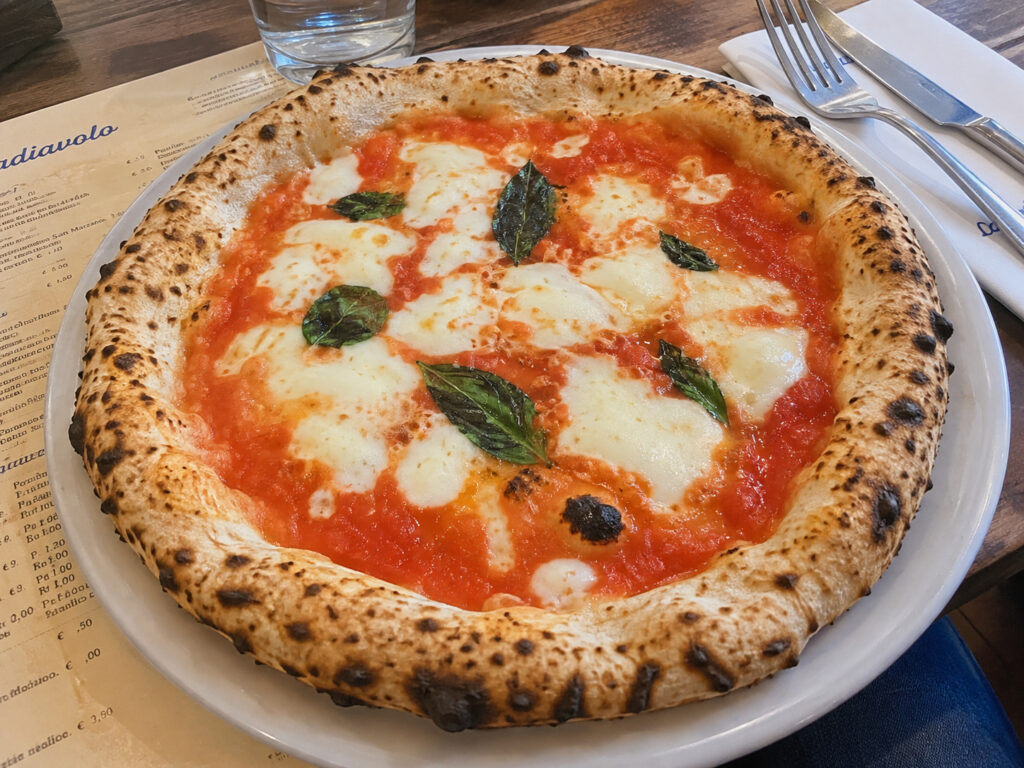
Pizza Napoletana, also known as Neapolitan pizza, is one of Italy’s most famous traditional dishes. It originated in Naples, a city in southern Italy, and is loved for its soft, thin centre, airy crust, and simple yet delicious toppings. Unlike many modern pizzas, authentic Neapolitan pizza uses a handful of high-quality ingredients instead of piling on too many toppings.
The traditional dough is made with flour, water, salt, and yeast. After being left to rise, it is shaped by hand and topped with ingredients such as San Marzano tomatoes, fresh mozzarella, basil, and extra-virgin olive oil. The pizza is then baked in a wood-fired oven at extremely high temperatures, usually around 430–480°C (806–896°F), for just a short time. This gives it a soft centre, an airy crust, and its characteristic lightly charred spots.
Two of the most popular varieties are Pizza Margherita and Pizza Marinara. Margherita is topped with tomatoes, fresh mozzarella, basil, and olive oil, while Marinara is made with tomatoes, garlic, oregano, and olive oil, without any cheese.
Pizza Napoletana is much more than a popular Italian dish. It is an important part of Naples’ food culture and has gained worldwide recognition. In 2017, the art of Neapolitan pizza-making was added to UNESCO’s Representative List of the Intangible Cultural Heritage of Humanity.
Where to try it: Naples, Campania, Italy, where you can enjoy authentic Neapolitan pizza in the city where it originated.
2. Pasta Carbonara
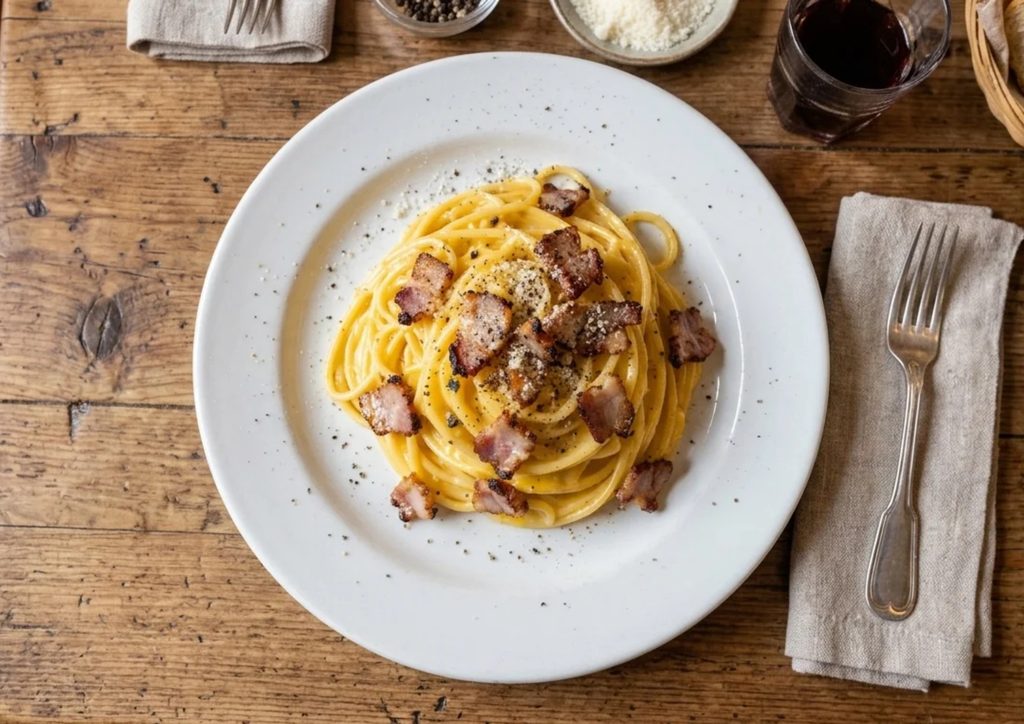
If you love pasta, Pasta Carbonara is one traditional Italian dish you absolutely need to try. Originally from Rome, this famous pasta dish is loved for its rich, creamy texture and savoury flavour. Although it looks like it is made with a cream-based sauce, authentic Italian Carbonara contains no cream at all. Its smooth, silky texture comes from eggs, cheese, and a little starchy pasta water.
The traditional recipe uses spaghetti, guanciale (cured pork cheek), Pecorino Romano cheese, eggs, and freshly ground black pepper. First, the guanciale is cooked until its fat melts and the meat becomes golden and slightly crispy. Meanwhile, eggs and grated cheese are mixed to make a thick sauce. The hot pasta is then tossed with the guanciale and egg mixture. The heat from the pasta helps create a smooth, creamy coating without scrambling the eggs.
Some modern versions use bacon, pancetta, Parmesan cheese, or even cream, but traditional Roman Carbonara follows a much simpler recipe. The combination of salty Pecorino Romano, rich egg yolks, crispy guanciale, and freshly ground black pepper gives this dish its distinctive and delicious flavour.
Pasta Carbonara is especially popular in Rome, where you can find it on the menus of traditional trattorias and local restaurants. If you’re visiting the Italian capital, don’t miss the chance to try an authentic plate of this classic Roman pasta.
Where to try it: Rome, Lazio, Italy.
3. Risotto alla Milanese

Risotto alla Milanese is a traditional Italian rice dish that originated in Milan, northern Italy. Unlike ordinary steamed rice, risotto is slowly cooked with warm broth, giving it a rich, creamy texture. Its beautiful golden-yellow colour comes from saffron, one of the most distinctive ingredients in this famous Milanese speciality.
The main ingredients include Arborio or Carnaroli rice, saffron, butter, onion, broth, white wine, and Parmesan cheese. Traditionally, the rice is first lightly toasted with butter and onion before white wine is added. Warm broth is then poured in gradually while the rice is stirred, allowing it to release its natural starch and develop its signature creamy consistency. Saffron is added during cooking, giving the risotto its golden colour and delicate aroma.
Risotto alla Milanese is often enjoyed on its own or served alongside Osso Buco, another famous dish from Milan. Osso Buco features slowly braised veal shanks, and when paired with creamy saffron risotto, it creates one of the most memorable traditional Italian meals.
One interesting fact about this dish is that saffron was once an expensive and highly valued ingredient, making the risotto a special meal. Today, Risotto alla Milanese remains one of Milan’s most famous culinary creations and an important part of its food culture.
Where to try it: Milan, Lombardy, Italy.
4. Lasagna
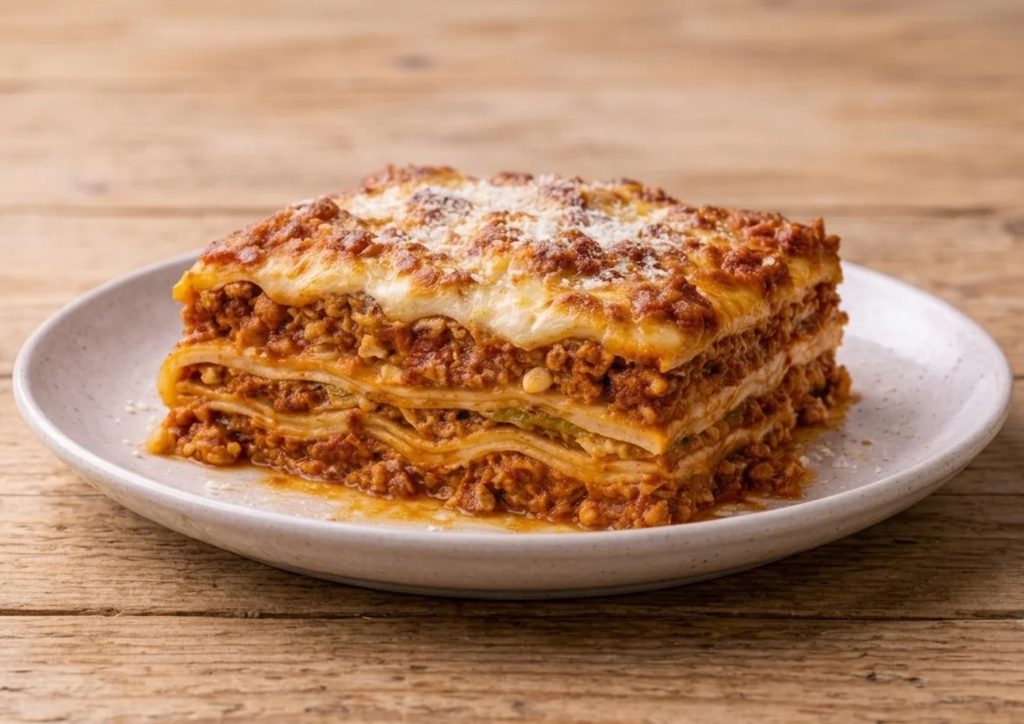
Lasagna is one of Italy’s most loved comfort foods, famous for its delicious layers of pasta, rich meat sauce, creamy béchamel, and melted cheese. This traditional baked dish is now enjoyed around the world, but one of its most famous versions comes from the Emilia-Romagna region of northern Italy.
One of the best-known varieties is Lasagna alla Bolognese, which originated in Bologna. It is traditionally made with layers of fresh egg pasta, slow-cooked meat ragù, béchamel sauce, and Parmigiano Reggiano cheese. The layers are carefully arranged in a baking dish and baked until the top becomes golden and slightly crispy.
The meat sauce, known as ragù, is usually prepared with ingredients such as minced beef, pork, onion, carrot, celery, tomatoes, wine, and broth. It is slowly simmered to develop a deep, rich flavour. The béchamel sauce adds a smooth, creamy texture that perfectly balances the pasta and meat sauce.
Italy also has several regional variations of lasagna, each with its own ingredients and flavours. In Naples, for example, Lasagna Napoletana is traditionally made with richer ingredients, including small meatballs, ricotta, mozzarella, and Neapolitan ragù. Unlike the Bolognese version, it is often associated with special occasions and festive family meals.
Whether enjoyed at a family gathering, a traditional Sunday lunch, or a local Italian restaurant, lasagna is more than just a delicious meal. It is a classic Italian comfort food that brings people together.
Where to try it: Bologna, Emilia-Romagna, Italy.
5. Spaghetti alle Vongole
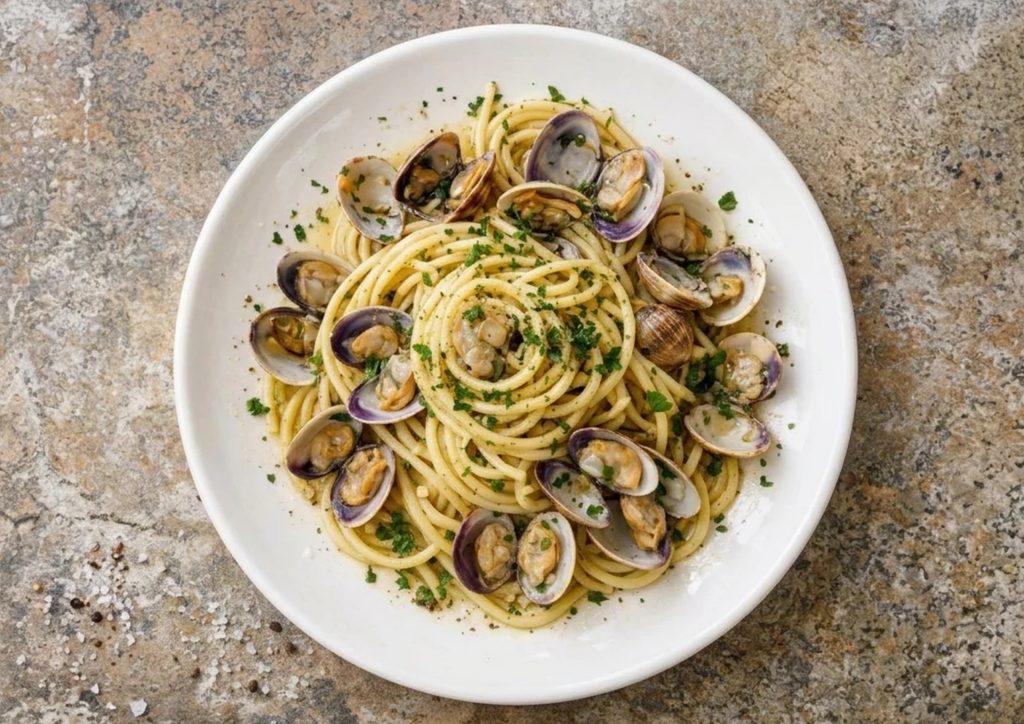
Spaghetti alle Vongole is a traditional Italian seafood pasta dish, especially popular along the coast of southern Italy. It is closely associated with Naples and the Campania region, where fresh seafood is an important part of local cuisine. The dish combines spaghetti with fresh clams, garlic, olive oil, parsley, and sometimes a splash of white wine.
What makes this dish special is its simple preparation and fresh ingredients. The clams are cooked with garlic and olive oil until they open and release their natural juices. A little white wine may be added to create a light, flavourful sauce. The cooked spaghetti is then tossed with the clams and their juices, allowing the pasta to soak up all the delicious seafood flavours. Fresh parsley is usually added at the end for extra aroma and freshness.
There are two popular versions of Spaghetti alle Vongole: bianco and rosso. The bianco version is prepared without tomatoes and focuses on the natural flavour of the clams, garlic, olive oil, and seafood juices. The rosso version includes tomatoes, giving the pasta a slightly richer colour and a more pronounced tomato flavour.
Unlike heavier Italian pasta dishes, Spaghetti alle Vongole has a light, fresh taste that makes it especially enjoyable during the warmer months. It is a perfect example of how traditional Italian cooking can turn a few simple, fresh ingredients into a delicious and memorable meal.
Where to try it: Naples and coastal towns across Campania, Italy.
6. Osso Buco

Osso Buco is a traditional Italian meat dish that originated in Milan, in the Lombardy region of northern Italy. It is made with cross-cut veal shanks that are slowly braised until the meat becomes incredibly tender and full of flavour. The name Osso Buco comes from an Italian expression meaning “bone with a hole”, referring to the marrow-filled bone in the centre of each piece of meat.
To prepare this classic Milanese dish, the veal shanks are first browned and then slowly cooked with ingredients such as onion, carrot, celery, white wine, broth, and tomatoes. The slow cooking process makes the meat soft and tender, while the bone marrow adds extra richness and flavour to the sauce.
One of the most important finishing touches is gremolata, a fresh mixture of lemon zest, garlic, and parsley. It adds a bright, refreshing flavour that balances the richness of the slow-cooked meat.
Osso Buco is traditionally served with Risotto alla Milanese, creating one of the most famous food combinations in northern Italian cuisine. Some restaurants also serve it with polenta or mashed potatoes.
If you enjoy slow-cooked meat dishes with rich flavours and tender textures, Osso Buco is definitely worth trying. It is especially comforting during colder months and is often enjoyed as a special meal with family.
Where to try it: Milan, Lombardy, Italy.
7. Gelato
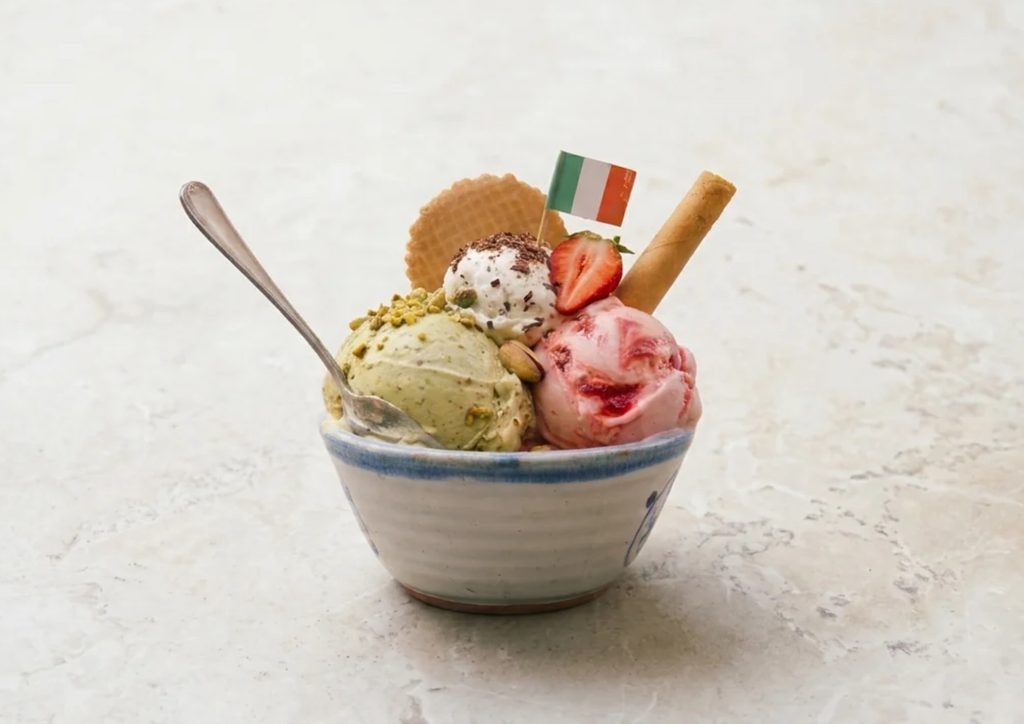
No guide to traditional Italian food would be complete without Gelato. This famous Italian frozen dessert is enjoyed across the country and is loved for its smooth texture, rich flavours, and variety of delicious options. Although it is often compared to ice cream, traditional gelato is made differently, giving it a unique taste and texture.
Gelato is generally prepared with milk, sugar, and natural flavouring ingredients such as fresh fruit, chocolate, nuts, and pistachios. Compared with regular ice cream, it usually contains less fat and is churned more slowly, which incorporates less air into the mixture. This gives gelato its signature dense, smooth, and creamy texture.
Some of the most popular gelato flavours include pistachio, hazelnut, chocolate, strawberry, vanilla, lemon, and stracciatella. The stracciatella variety is especially popular and combines a creamy base with thin, crunchy pieces of chocolate.
In Italy, shops that specialise in gelato are known as gelaterias. You can find them everywhere, from busy city streets and charming small villages to coastal towns and popular tourist destinations. Many traditional gelaterias prepare their flavours using fresh, seasonal ingredients to create delicious combinations.
Gelato is enjoyed throughout the year in Italy, not just during the summer months. Whether you prefer refreshing fruit flavours or rich chocolate and nut varieties, tasting authentic Italian gelato is an experience you shouldn’t miss.
Where to try it: Florence, Rome, Bologna, and other cities throughout Italy.
8. Tiramisu

Tiramisu is one of Italy’s most famous desserts, loved for its soft layers, creamy texture, and delicious combination of coffee and cocoa. Its name comes from the Italian expression tirami sù, which is commonly translated as “pick me up”.
Traditional Tiramisu is made with ladyfinger biscuits known as savoiardi, espresso coffee, mascarpone cheese, eggs, sugar, and cocoa powder. The biscuits are briefly dipped in coffee and arranged in layers with a smooth mascarpone cream mixture. The dessert is then chilled for several hours before being finished with a generous dusting of cocoa powder.
The combination of coffee-soaked biscuits and creamy mascarpone creates a delicious balance of sweetness and bitterness. While some modern versions include ingredients such as chocolate, fresh fruit, or liqueur, the classic coffee-flavoured recipe remains a favourite among dessert lovers.
Tiramisu is closely associated with the Veneto region of northeastern Italy, particularly the city of Treviso, where one of the best-known modern versions was developed during the 20th century. Although its exact origins have been debated, Tiramisu has become an important part of Italian dessert culture and is now enjoyed around the world.
If you love coffee-flavoured desserts, Tiramisu is definitely a must-try when exploring traditional Italian cuisine. Its creamy layers and rich coffee flavour make it a dessert worth remembering.
Where to try it: Treviso and Venice, Veneto, Italy.
9. Focaccia
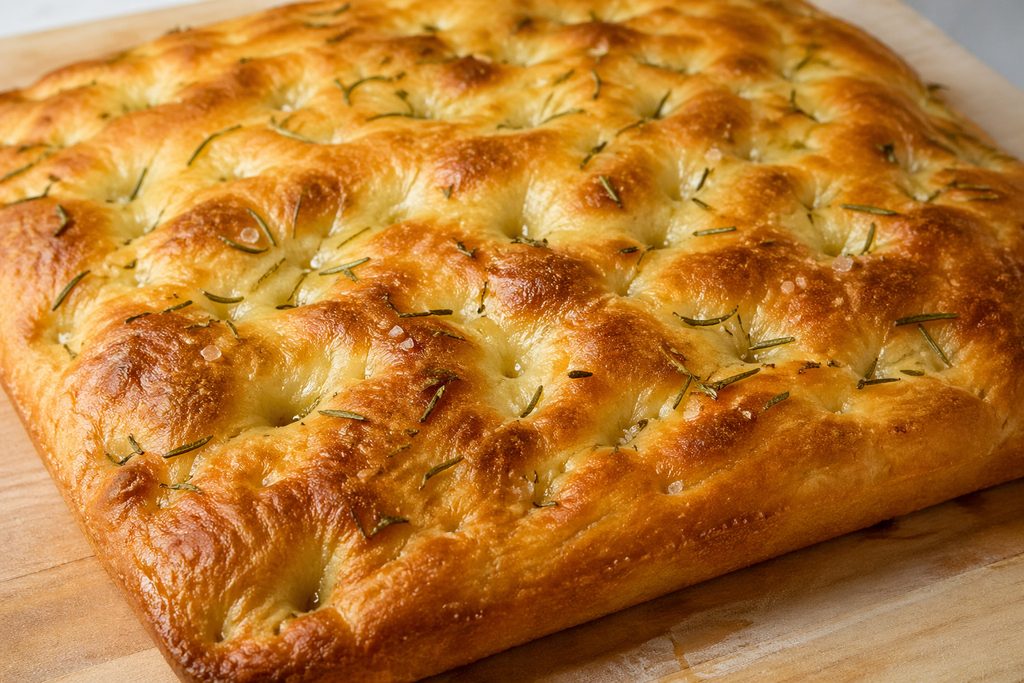
Focaccia is a traditional Italian flatbread, especially popular in Liguria, a coastal region in northwestern Italy. It is loved for its soft, airy centre, golden surface, and rich olive oil flavour. Depending on the variety, focaccia can be enjoyed as a snack, a side dish, a breakfast treat, or part of a larger meal.
One of the most famous varieties is Focaccia Genovese, which originated in Genoa. It is traditionally made with flour, water, yeast, salt, and extra-virgin olive oil. After the dough has risen, it is spread into a baking tray. Small indentations are then pressed into the surface using fingertips before olive oil and salt are added and the bread is baked.
The result is a delicious flatbread with a lightly crispy exterior and a soft, fluffy centre. Although the traditional version is quite simple, other varieties include toppings such as rosemary, olives, onions, cherry tomatoes, and cheese.
Focaccia is often enjoyed on its own or served alongside soups, salads, and other traditional Italian dishes. In Liguria, it is also commonly eaten for breakfast, sometimes dipped into a cappuccino, making it a unique part of local food culture.
One of the best places to try authentic Focaccia Genovese is Genoa, where local bakeries prepare fresh batches throughout the day.
Where to try it: Genoa, Liguria, Italy.
10. Arancini

Arancini are traditional Sicilian rice balls known for their crispy golden exterior and soft, flavourful filling. They are among the most popular street foods in Sicily and can be found in local bakeries, cafés, and street food shops throughout the island.
The traditional preparation involves shaping cooked rice into balls or cones and filling them with ingredients such as meat ragù, peas, mozzarella, or other cheeses. The rice is then coated in breadcrumbs and deep-fried until the outside becomes golden and crunchy while the inside stays soft and delicious.
One of the most popular varieties is Arancini al Ragù, which is filled with meat sauce, peas, and sometimes cheese. Another favourite is Arancini al Burro, which typically contains ham, mozzarella, and béchamel sauce, creating a rich and creamy filling.
The name arancini comes from the Italian word arancia, meaning orange, as their golden colour and traditional round shape resemble small oranges. However, their shape and name can vary across Sicily. In western Sicily, particularly around Palermo, they are commonly called arancine, while in eastern Sicily, especially around Catania, the name arancini is widely used. Cone-shaped versions are particularly popular in the eastern part of the island.
Arancini are usually enjoyed as a snack or quick street food meal, but their delicious fillings make them satisfying enough to eat on their own. If you’re exploring Sicilian cuisine, these crispy rice treats are definitely worth trying.
Where to try it: Palermo and Catania, Sicily, Italy.
11. Polenta
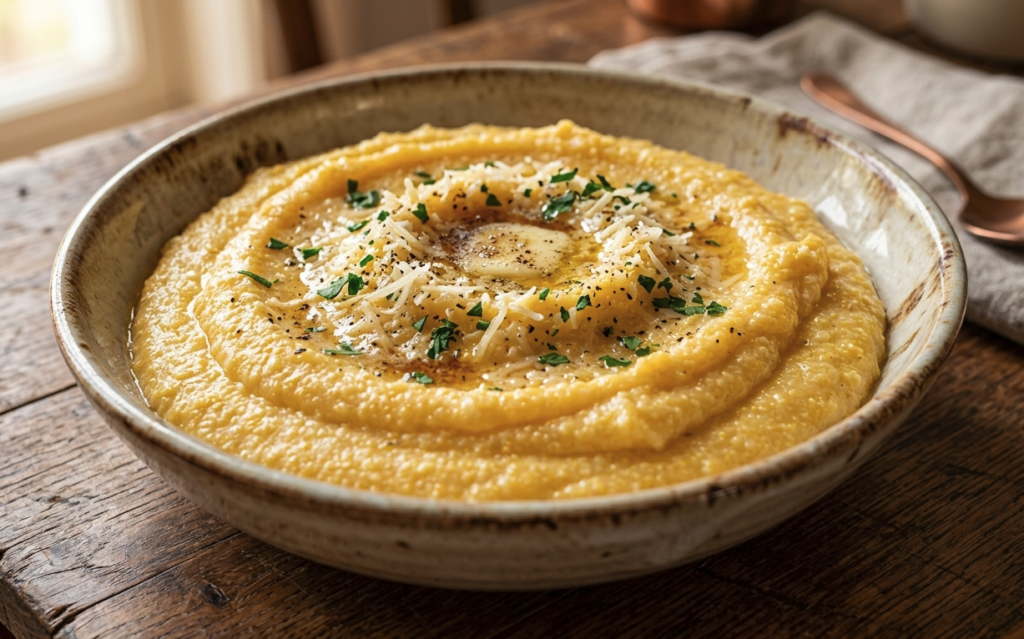
Polenta is a traditional Italian dish made from ground cornmeal, particularly popular in northern Italy. It has been an important part of the region’s food culture for centuries, especially in areas where corn became a common staple ingredient. Although it may look simple, polenta is a versatile dish that can be prepared and served in many different ways.
The preparation is fairly straightforward. Cornmeal is gradually added to boiling water or broth while being stirred to prevent lumps from forming. It is then cooked until it develops a smooth, thick consistency. Depending on how much liquid is used and how it is prepared, polenta can be soft and creamy or firm enough to slice once cooled.
One of the best things about polenta is its versatility. Soft polenta is often served with meat stews, mushroom sauces, cheese, or vegetables. Firmer versions can be grilled, baked, or fried to create golden, crispy slices.
Throughout northern Italy, polenta is commonly paired with traditional dishes such as braised meat, sausages, and wild mushrooms. It is especially popular during the colder months because it is filling, comforting, and goes well with a wide range of ingredients.
Although polenta is often served as a side dish, it can also be enjoyed as the main part of a meal. Its simple preparation and ability to pair with different foods have made it a long-standing favourite in Italian cuisine.
Where to try it: Lombardy, Veneto, Piedmont, and other regions of northern Italy.
12. Caprese Salad

Caprese Salad, also known as Insalata Caprese, is a simple and refreshing traditional Italian salad that originated on the island of Capri in the Campania region of southern Italy. It is especially popular during the summer months because it uses fresh, seasonal ingredients and requires very little preparation.
The traditional recipe includes ripe tomatoes, fresh mozzarella, basil leaves, extra-virgin olive oil, and a little salt. The ingredients are usually arranged on a plate in alternating slices, creating a colourful combination of red, white, and green.
These colours are often associated with the Italian flag, making Caprese Salad as visually appealing as it is delicious. The natural sweetness of ripe tomatoes pairs beautifully with the creamy texture of fresh mozzarella, while fragrant basil and olive oil add the perfect finishing touch.
Caprese Salad is usually served as an appetiser or a light meal. It also makes a delicious accompaniment to grilled dishes, seafood, and fresh Italian bread.
Some modern versions include balsamic vinegar, pesto, or different varieties of tomatoes, but the traditional recipe keeps things simple and lets the fresh ingredients speak for themselves.
If you enjoy light meals made with fresh ingredients, Caprese Salad is definitely one of the traditional Italian dishes worth trying.
Where to try it: Capri and the Campania region, Italy.
13. Gnocchi

Gnocchi are small Italian dumplings traditionally made with potatoes, flour, and sometimes eggs. They are soft, tender, and filling, making them a popular alternative to traditional pasta. Although potato gnocchi are the most widely known variety, Italian cuisine has several regional versions prepared with different ingredients.
To make traditional potato gnocchi, cooked potatoes are mashed and mixed with flour and, in some recipes, eggs to form a soft dough. The dough is then rolled into long strips and cut into small pieces. These pieces are often shaped using a fork or a special wooden board to create small ridges that help sauces cling to them.
Gnocchi can be served with a variety of sauces, including tomato sauce, butter and sage, pesto, and creamy cheese sauces. One popular variation is Gnocchi alla Sorrentina, a traditional dish from the Sorrento area in Campania. It combines potato gnocchi with tomato sauce, mozzarella, fresh basil, and Parmesan cheese before being baked until hot and bubbly.
Unlike many traditional pasta dishes, gnocchi are usually cooked by briefly boiling them in water until they rise to the surface, which is a common sign that they are ready.
Their soft texture, delicate flavour, and ability to pair with different sauces make gnocchi a favourite in Italian cuisine. Whether served with a simple butter sauce or baked with tomato and cheese, they are definitely worth trying.
Where to try it: Sorrento, Campania, and other regions throughout Italy.
14. Panna Cotta

Panna Cotta is a classic Italian dessert loved for its smooth, silky texture and delicate flavour. Its name translates to “cooked cream” in Italian, which perfectly describes its main ingredient and how it is prepared.
The traditional recipe uses cream, sugar, vanilla, and gelatin. The cream is gently heated with sugar and vanilla before gelatin is added to help the mixture set. It is then poured into small moulds and chilled until it becomes firm while maintaining its soft, delicate texture.
Panna Cotta is often served with fresh berries, strawberry sauce, caramel, chocolate, or fruit coulis. These toppings add extra flavour and a touch of sweetness or acidity, balancing the richness of the creamy dessert.
This famous dessert is particularly associated with the Piedmont region of northwestern Italy. Its simple preparation and elegant presentation have made it a popular choice in restaurants and homes around the world.
Unlike heavier desserts, Panna Cotta has a light, delicate consistency that makes it a lovely way to finish a traditional Italian meal. If you enjoy creamy desserts with simple ingredients and a smooth texture, Panna Cotta is definitely worth trying.
Where to try it: Piedmont, northwestern Italy.
Final Thoughts
Italian cuisine is about much more than just pizza and pasta. Every region has its own traditional ingredients, cooking methods, and specialities that reflect its local history and culture. From the famous Pizza Napoletana of Naples and creamy Risotto alla Milanese of Milan to fresh seafood dishes from southern Italy and delicious desserts such as Tiramisu and Panna Cotta, there is always something new and exciting to discover.
What makes traditional Italian food so special is its simplicity. Many classic recipes use just a handful of ingredients, but the quality of those ingredients and the care taken during preparation make all the difference. Whether you enjoy savoury meals, fresh seafood, comforting bread, or sweet desserts, Italian cuisine offers an incredible variety of flavours to explore.
If you ever visit Italy, don’t limit yourself to the popular dishes found in tourist restaurants. Take the time to explore local restaurants, family-run trattorias, traditional bakeries, and street food markets. These places are often the best way to discover authentic regional specialities and experience Italy’s rich food culture. You might even find a new favourite dish that you had never heard of before.
So, which of these traditional Italian dishes would you love to try first?