Discover the most magical forests in the world that feel straight out of a fairy tale. Explore hidden gems, myths, travel tips, and breathtaking destinations.
Introduction: Where Nature Meets Magic
There’s something timeless about forests. Long before cities existed, forests were places of mystery, stories, and wonder. Across cultures, they’ve been home to myths, spirits, and legends. Today, some forests still hold that enchanting charm—places where sunlight filters through ancient trees, fog drifts quietly, and every step feels like entering another world. In this guide, we’ll explore the most magical forests on Earth—places that look like they belong in fantasy novels.
1. Black Forest
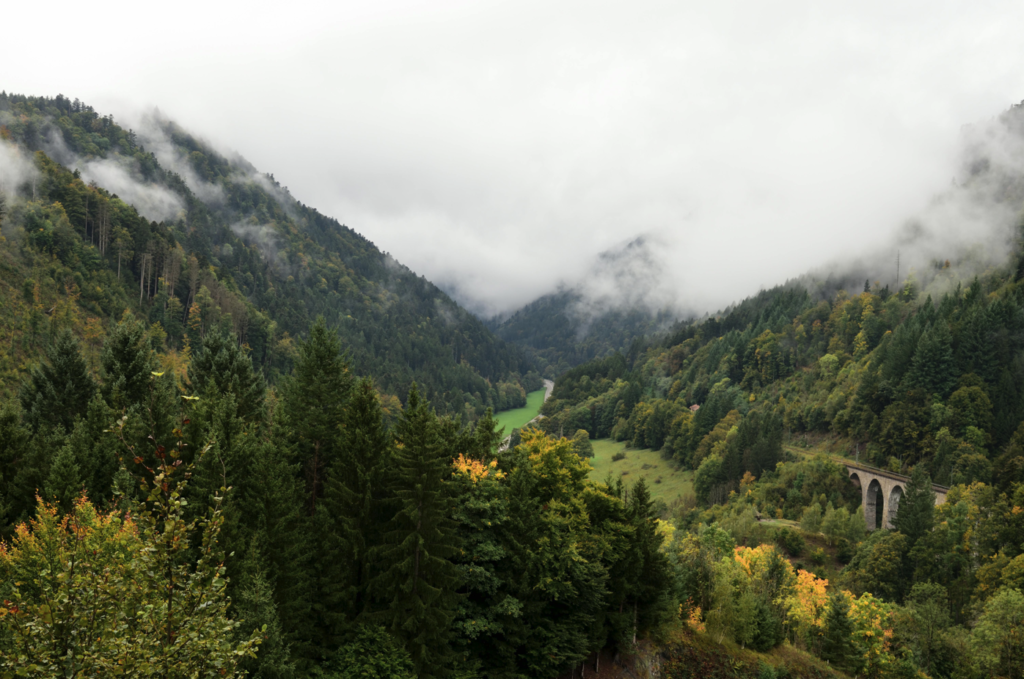
The Black Forest (known locally as Schwarzwald) is a vast, forested mountain range located in southwestern Germany, near the borders of France and Switzerland. Famous for its dense evergreen forests, picturesque villages, and fairytale charm, it is one of Europe’s most iconic travel destinations.
A. What Makes the Black Forest Special?
The Black Forest is known for its thick canopy of pine trees, which gives the region a dark, mystical appearance—hence the name “Black Forest.” It inspired many of the famous fairy tales collected by the Brothers Grimm.
Key Highlights:
- Endless dense forests and hiking trails
- Charming villages with traditional houses
- Cuckoo clocks and deep-rooted traditions
- Breathtaking lakes, waterfalls, and valleys
B. Top Places to Visit in the Black Forest
a. Triberg Waterfalls
One of the highest waterfalls in Germany, perfect for nature lovers and photographers.
b. Lake Titisee
A stunning glacial lake ideal for boating, relaxing, and scenic walks.
c. Freiburg im Breisgau
A vibrant university town known for its medieval architecture and eco-friendly lifestyle.
d. Baden-Baden
A luxury spa town famous for thermal baths and wellness retreats.
C. History & Cultural Significance
The Black Forest has a rich cultural heritage dating back to ancient times. It was once inhabited by Celtic tribes and later became part of the Roman Empire. Over centuries, it developed a strong identity rooted in craftsmanship, especially wood carving and clock-making. The region is also the birthplace of the world-famous cuckoo clock, a symbol of German tradition.
Things to Do in the Black Forest:
- Hiking through scenic trails like the Westweg Trail
- Exploring hidden villages and countryside
- Visiting thermal spas in Baden-Baden
- Skiing during winter months
- Cycling through forest paths
D. Best Time to Visit
- Spring (March–May): Blooming landscapes and fewer crowds
- Summer (June–August): Ideal for hiking and outdoor activities
- Autumn (September–November): Stunning fall colors
- Winter (December–February): Snowy wonderland and Christmas markets
E. Why the Black Forest Feels Like a Fairy Tale
The Black Forest isn’t just a destination—it’s an experience. From misty woods to charming cottages, every corner feels like it belongs in a storybook. Its magical atmosphere continues to attract travelers, photographers, and nature lovers from around the world.
2. Aokigahara Forest
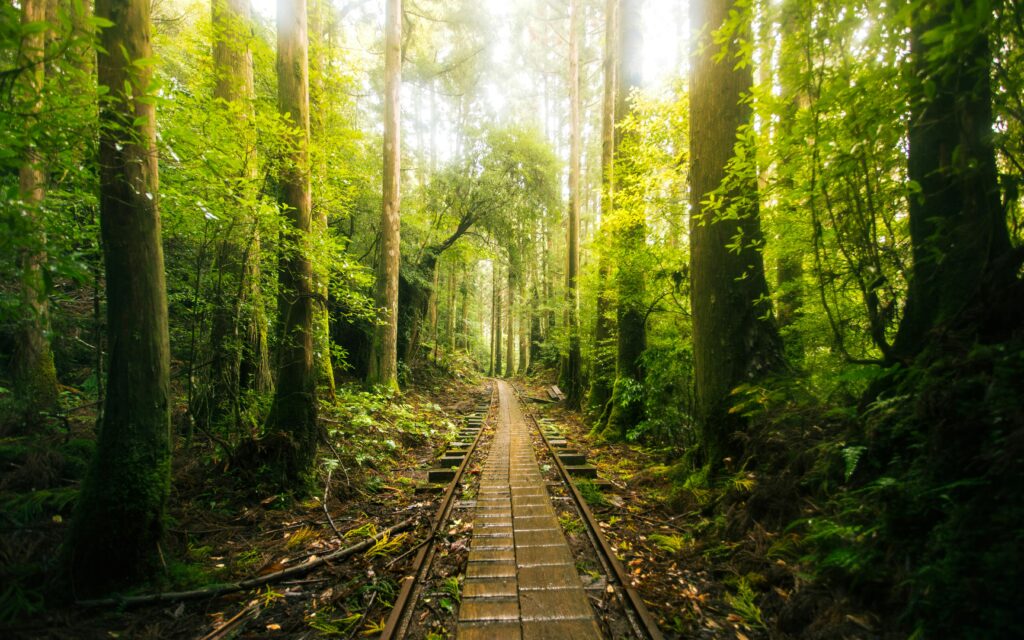
Aokigahara Forest, also known as the “Sea of Trees,” is a dense forest located at the base of Mount Fuji on Japan’s Honshu island. It lies within the Fuji-Hakone-Izu National Park and is one of the most unique natural landscapes in Japan.
A. What Makes Aokigahara Forest Unique?
Aokigahara is famous for its extraordinary density and silence. The forest grew on hardened lava from a historic eruption of Mount Fuji in 864 CE, creating a rugged terrain with caves, roots, and uneven ground.
Key Highlights:
- Thick forest canopy blocking sunlight
- Volcanic soil and lava formations
- Unusual quietness due to dense vegetation
- Ice caves and wind caves formed by past eruptions
B. Top Attractions in Aokigahara
1. Narusawa Ice Cave
A naturally formed lava cave that stays frozen even during summer.
2. Fugaku Wind Cave
Known for its cool temperatures and unique lava shelves.
3. Mount Fuji Views
Certain trails offer breathtaking views of Mount Fuji, making it a paradise for photographers.
C. Cultural & Historical Context
Aokigahara has long been part of Japanese folklore and spiritual beliefs. In ancient times, forests like this were seen as mysterious and sacred spaces, often associated with spirits and legends.
Things to Do in Aokigahara Forest:
- Explore marked hiking trails
- Visit lava caves and geological formations
- Photography of unique landscapes
- Nature walks and bird watching
- Learn about volcanic history
D. Best Time to Visit
- Spring (March–May): Pleasant weather and greenery
- Summer (June–August): Cool forest temperatures despite outside heat
- Autumn (September–November): Beautiful foliage colors
- Winter (December–February): Quiet and mystical snowy scenery
E. Travel Tips for Visitors
- Always stay on marked trails (easy to get lost)
- Carry a map or GPS (signal can be weak)
- Visit with a guide if unfamiliar with the area
- Respect the environment and local culture
F. Why Aokigahara Feels So Mysterious
The combination of dense trees, volcanic ground, and deep silence creates an atmosphere unlike any other forest in the world. It feels untouched, ancient, and almost otherworldly—making it one of Japan’s most intriguing destinations.
3. Hoh Rainforest
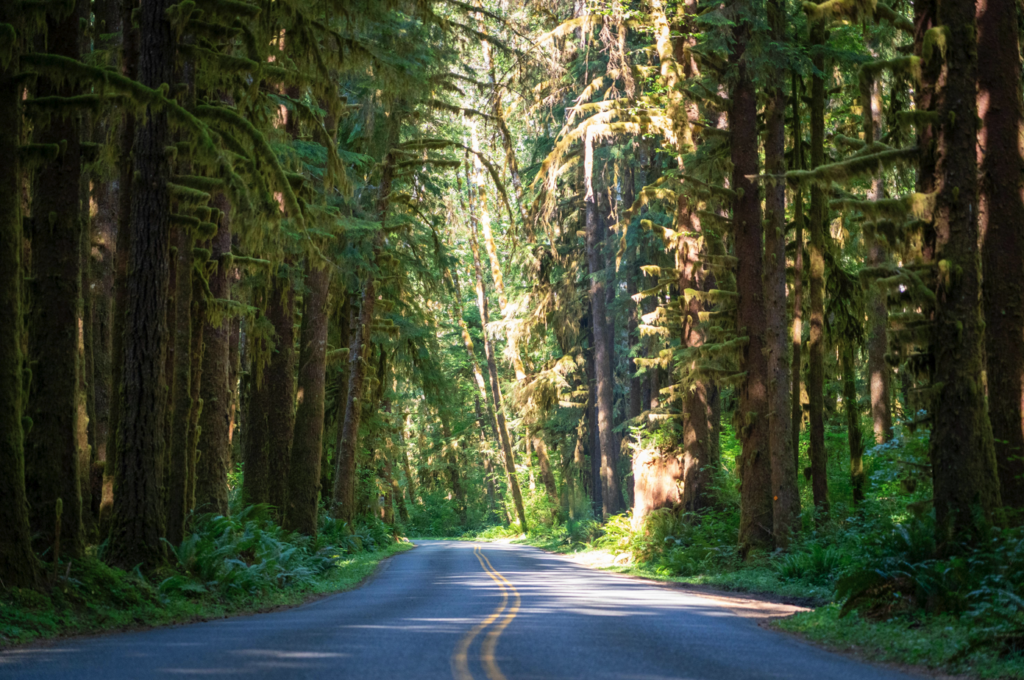
Hoh Rainforest is a stunning temperate rainforest located in Olympic National Park, in the state of Washington, United States. It is one of the largest temperate rainforests in the United States, famous for its vibrant greenery, moss-covered trees, and rich biodiversity.
A. What Makes Hoh Rainforest Unique?
Unlike tropical rainforests, the Hoh Rainforest is a temperate rainforest, meaning it experiences cool temperatures and extremely high rainfall—up to 140 inches annually.
Key Highlights:
- Thick moss hanging from giant trees
- Constant misty, magical atmosphere
- Rich ecosystem with rare plants and animals
- Quiet, untouched wilderness
The forest feels like stepping into another world, often described as “green in every direction.”
B. Top Things to See in Hoh Rainforest
1. Hall of Mosses Trail
A short, iconic trail surrounded by towering trees draped in lush green moss.
2. Hoh River Trail
A longer trail that follows the scenic Hoh River deep into the forest.
3. Spruce Nature Trail
Perfect for beginners, offering views of both forest and river landscapes.
C. Climate & Best Time to Visit
- Spring (April–June): Fresh greenery and fewer crowds
- Summer (July–September): Best weather for hiking
- Autumn (October–November): Misty and atmospheric
- Winter (December–March): Heavy rainfall, fewer tourists
D. Things to Do in Hoh Rainforest
- Hiking through lush trails
- Wildlife spotting
- Photography of moss-covered landscapes
- Camping inside Olympic National Park
- Experiencing peaceful nature away from crowds
E. Why Hoh Rainforest Feels Magical
The Hoh Rainforest is often described as one of the quietest and greenest places on Earth. The combination of constant rainfall, ancient trees, and hanging moss creates a surreal, almost dreamlike environment.
4. Crooked Forest
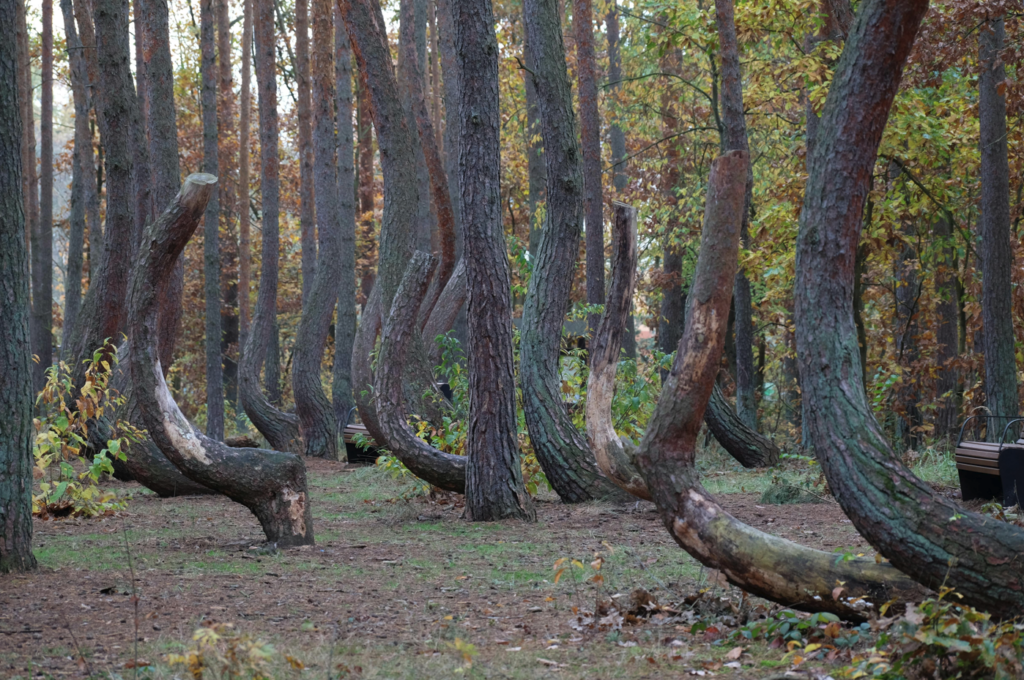
Crooked Forest, locally known as Krzywy Las, is a unique grove located near the village of Nowe Czarnowo in western Poland. It lies close to the city of Gryfino, making it an unusual and fascinating stop for travelers exploring the region.
A. What Makes the Crooked Forest Unique?
The Crooked Forest is famous for its 400+ pine trees, each bent sharply at the base, forming a distinctive “J” or hook shape before growing straight upward.
Key Highlights:
- Uniformly curved pine trees
- Planted around the 1930s
- Strange, almost man-made appearance
- One of the world’s most unusual forests
B. The Mystery Behind the Crooked Trees
The exact reason behind the trees’ unusual shape remains unknown, making it one of Europe’s most intriguing natural mysteries.
Popular Theories:
Human Intervention:
Farmers may have intentionally bent the trees to create curved wood for furniture or boat building.
Snow or Weather Damage:
Heavy snowfall could have forced the young trees to bend.
Gravitational or Natural Mutation:
Some believe it could be a rare natural growth phenomenon.
Despite many theories, no definitive explanation exists, which adds to its global fascination.
C. What to Do at the Crooked Forest
- Walk through the uniquely shaped trees
- Capture surreal and artistic photographs
- Explore nearby countryside and villages
- Visit the nearby town of Gryfino
D. Best Time to Visit
- Spring & Summer: Lush greenery and vibrant atmosphere
- Autumn: Beautiful fall colors enhance the scenery
- Winter: Snow adds an even more mysterious look
E. Why Crooked Forest Feels So Surreal
Unlike dense forests, the Crooked Forest is relatively small—but what it lacks in size, it makes up for in uniqueness. The uniform curves create an almost artificial, dreamlike landscape, making it a favorite among photographers and curious travelers.
5. Wistman’s Wood
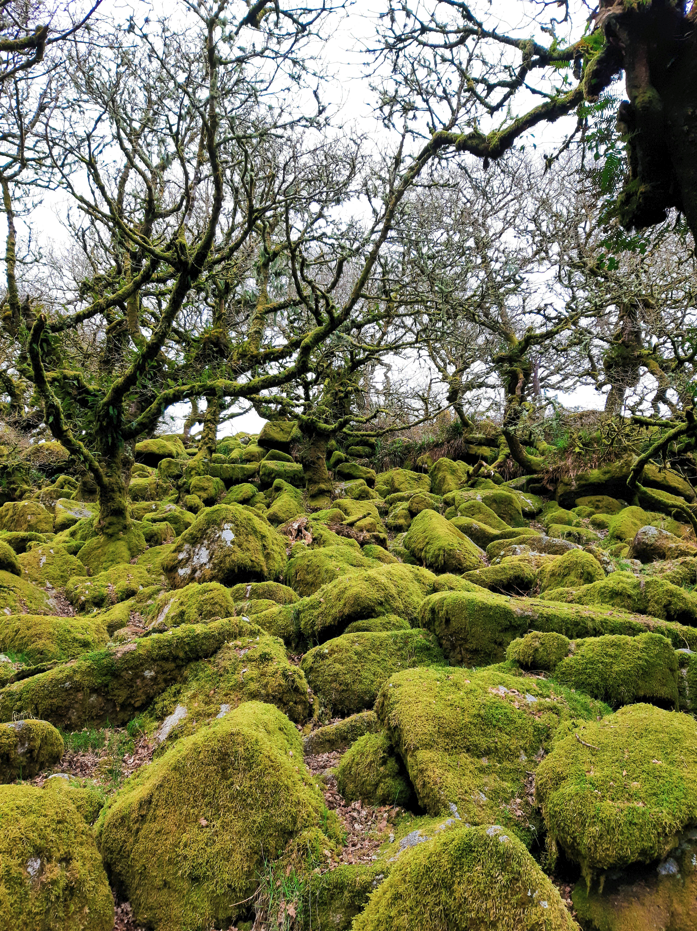
Wistman’s Wood is a small but magical ancient forest located in Dartmoor National Park, in England. Perched at a high altitude on Dartmoor, this woodland is one of the last remaining ancientoak forests in Britain.
A. What Makes Wistman’s Wood Unique?
Wistman’s Wood is famous for its twisted oak trees, moss-covered boulders, and eerie atmosphere. The forest looks almost untouched by time, with trees that appear gnarled and ancient.
Key Highlights:
- Dwarf oak trees twisted into unusual shapes
- Thick green moss covering rocks and branches
- Misty, otherworldly atmosphere
- Rare example of ancient temperate woodland
B. Things to Do at Wistman’s Wood
- Walk and explore the ancient woodland (with care)
- Photography of moss-covered landscapes
- Experience the quiet, mystical atmosphere
- Explore nearby areas of Dartmoor National Park
C. Best Time to Visit
- Spring: Fresh greenery and mild weather
- Summer: Best for accessible walking conditions
- Autumn: Enhances the mystical feel with fog and colors
- Winter: Dramatic and eerie, but can be challenging to access
D. Travel Tips
- Wear sturdy footwear (rocky and uneven terrain)
- Visit during daylight for safety
- Respect conservation rules (protected area)
- Avoid climbing on fragile moss-covered rocks
E. Why Wistman’s Wood Feels So Magical
The combination of ancient trees, thick moss, and constant mist creates a landscape that feels straight out of a fantasy novel. It’s often compared to scenes from myths and legends, making it a dream destination for photographers and storytellers.
6. Monteverde Cloud Forest
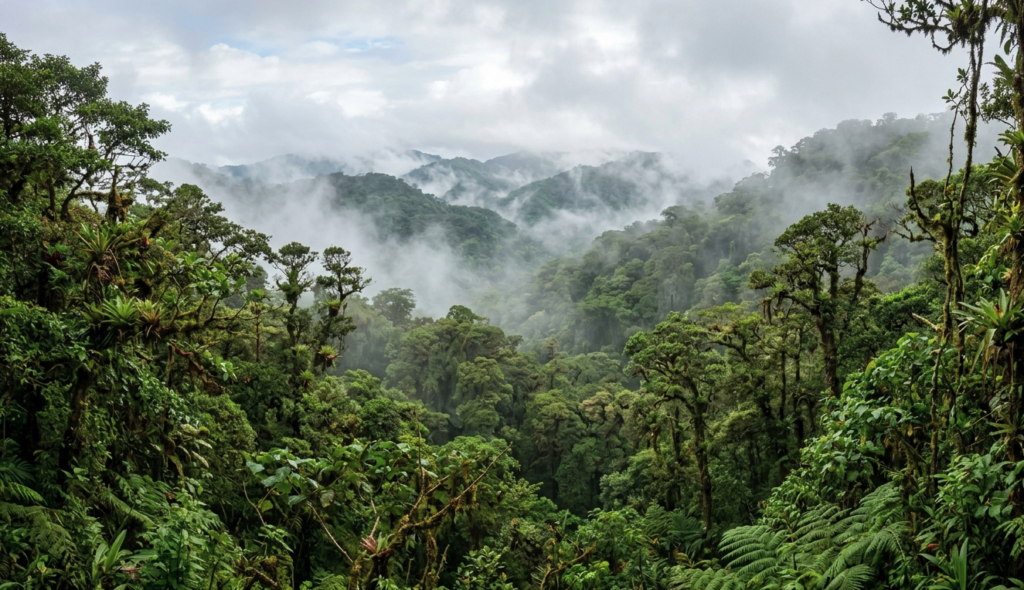
Monteverde Cloud Forest Reserve is located in the highlands of Costa Rica, near the town of Monteverde. This world-famous reserve sits at an elevation where clouds form at ground level, creating a rare and magical cloud forest ecosystem.
A. What Makes Monteverde Cloud Forest Unique?
Monteverde is one of the most biodiverse places on Earth, where clouds constantly drift through the forest, keeping it cool, moist, and full of life.
Key Highlights:
- Forest covered in mist and low-hanging clouds
- Exceptional biodiversity
- Lush greenery with hanging moss and orchids
- One of the world’s most important ecological reserves
B. Top Things to Do in Monteverde
1. Hanging Bridges Walk
Walk through the forest canopy and experience the ecosystem from above.
2. Cloud Forest Hiking Trails
Explore well-maintained trails surrounded by mist and wildlife.
3. Bird Watching Tours
Spot rare species like the Resplendent Quetzal.
4. Night Tours
Discover nocturnal animals and a completely different side of the forest.
C. Best Time to Visit
- Dry Season (December–April): Best for clear views and hiking
- Green Season (May–November): Lush landscapes and fewer tourists
D. Why Monteverde is Important for the Planet
Monteverde plays a crucial role in global conservation efforts. Scientists from around the world study its ecosystem to understand climate change, biodiversity, and sustainable tourism. It is a prime example of successful eco-tourism and conservation working together. The Monteverde Cloud Forest is not just a destination—it’s a living ecosystem filled with wonder and discovery. Its misty landscapes, incredible wildlife, and peaceful environment make it one of the most unforgettable places on Earth.
7. Sagano Bamboo Forest
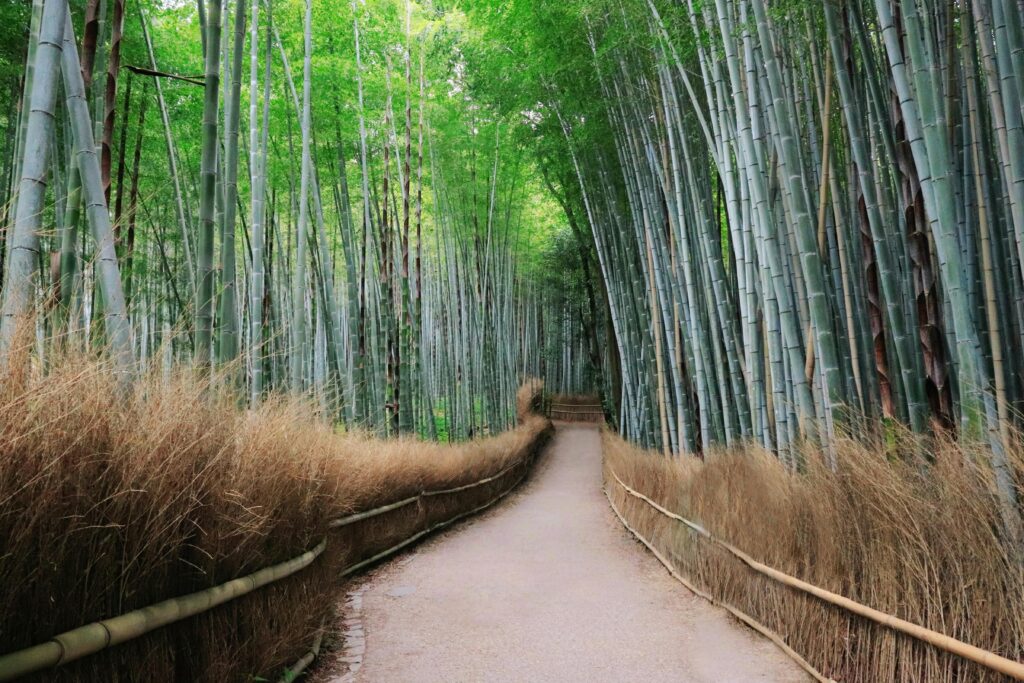
Sagano Bamboo Forest is located in the district of Arashiyama, on the outskirts of Kyoto, Japan. It is one of Japan’s most photographed natural attractions, known for its towering bamboo stalks and peaceful atmosphere.
A. What Makes Sagano Bamboo Forest Unique?
Sagano Bamboo Forest is famous for its tall, straight bamboo stalks that sway gently in the wind, creating a calming and almost musical sound.
Key Highlights:
- Towering bamboo reaching up to 20–30 meters
- Sunlight filtering through dense green stalks
- Unique natural soundscape created by wind through bamboo
- One of Japan’s most serene walking experiences
B. Top Things to Do in Sagano Bamboo Forest
1. Walk Through the Bamboo Grove
Stroll along the iconic path surrounded by endless bamboo.
2. Visit Tenryu-ji Temple
Explore Tenryu-ji, a UNESCO World Heritage Site located near the forest.
3. Explore Arashiyama Area
Discover nearby attractions like rivers, bridges, and traditional streets in Arashiyama.
4. Photography
Capture breathtaking shots of light beams passing through bamboo.
C. Best Time to Visit
- Early Morning: Best time to avoid crowds
- Spring (March–May): Pleasant weather and cherry blossoms nearby
- Autumn (October–November): Beautiful fall colors in surrounding areas
D. Cultural Significance
Bamboo holds a special place in Japanese culture, symbolizing strength, flexibility, and purity. Forests like Sagano have long been associated with peace, meditation, and natural harmony.
E. Travel Tips
- Visit early morning for a peaceful experience
- Stay on designated paths
- Respect the quiet atmosphere
- Combine with nearby attractions for a full-day trip
F. Why Sagano Bamboo Forest Feels Magical
Walking through Sagano feels like entering a different world. The gentle swaying of bamboo, filtered sunlight, and natural sounds create a deeply calming and almost meditative experience.Sagano Bamboo Forest is more than just a scenic spot—it’s a place where nature, culture, and tranquility come together. Whether you’re a traveler, photographer, or peace seeker, it offers an unforgettable experience.
8. Puzzlewood
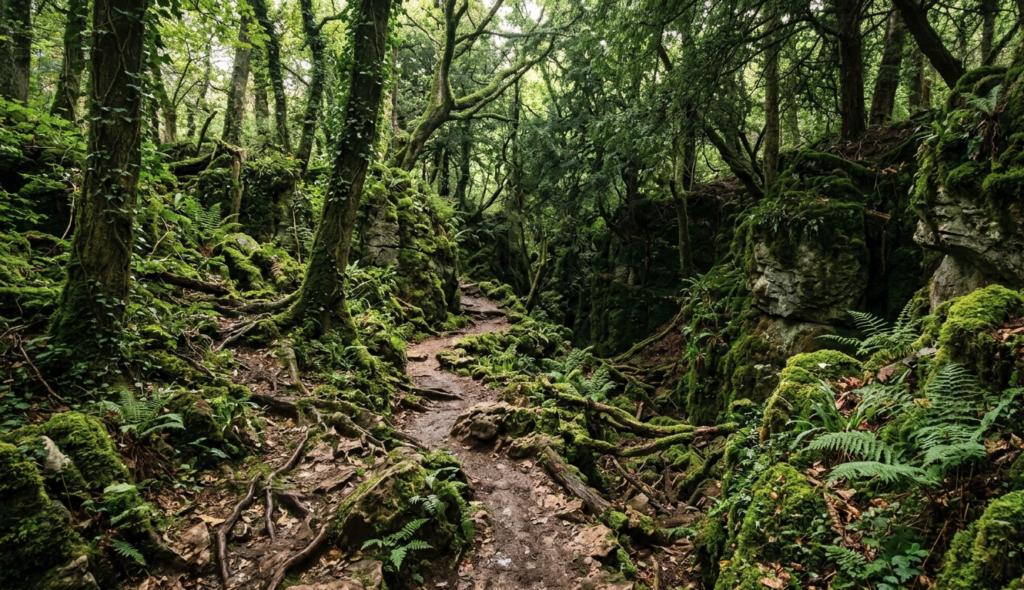
Puzzlewood is a unique ancient woodland located in the Forest of Dean, in England. This enchanting forest is famous for its twisting pathways, mossy rocks, and magical atmosphere, making it one of the most unusual woodlands in the UK.
A. What Makes Puzzlewood Unique?
Puzzlewood stands out because of its labyrinth-like layout and unusual geological formations. The forest features deep gullies, known as “scowles,” formed by ancient mining and natural erosion.
Key Highlights:
- Twisted tree roots and moss-covered rocks
- Maze-like pathways through dense woodland
- Ancient rock formations and hidden corners
- A magical setting often compared to fantasy worlds
B. Things to Do in Puzzlewood
- Wander through winding forest trails
- Explore hidden corners and rock formations
- Photography of fairytale-like scenery
- Family-friendly walks and exploration
C. Best Time to Visit
- Spring: Fresh greenery and blooming plants
- Summer: Lush forest and ideal walking conditions
- Autumn: Vibrant colors and magical atmosphere
- Winter: Quiet, misty, and mysterious
D. Travel Tips
- Wear comfortable walking shoes (uneven terrain)
- Follow marked paths to avoid getting lost
- Visit early to enjoy a quieter experience
- Ideal for families and photographers
E. Why Puzzlewood Feels Like a Fantasy World
Puzzlewood’s combination of twisted trees, moss-covered stones, and winding paths creates an environment that feels straight out of a fantasy novel. It’s easy to see why it inspires filmmakers and storytellers alike. Puzzlewood is a place where imagination comes alive. Its unique landscape, rich history, and cinematic beauty make it one of the most magical forests in the world.
9. Yakushima Forest
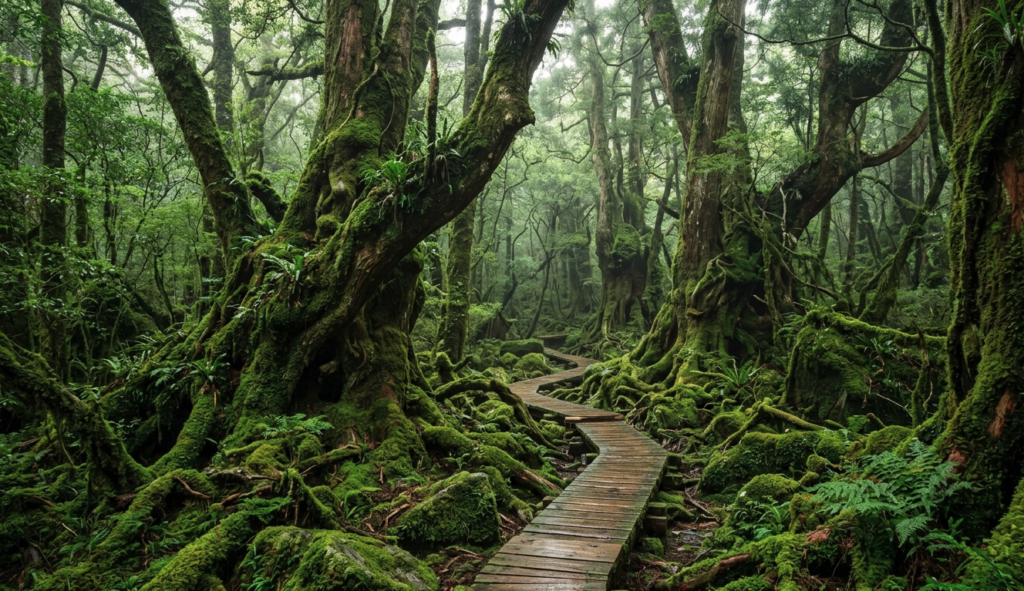
Yakushima is a lush, mountainous island located in Kagoshima Prefecture, Japan. The island is home to ancient forests and is recognized as a UNESCO World Heritage Site due to its exceptional natural beauty and biodiversity.
A. What Makes Yakushima Forest Unique?
Yakushima is famous for its ancient cedar trees, known as Yakusugi, some of which are over 1,000–7,000 years old.
Key Highlights:
- Moss-covered forests with constant rainfall
- Some of the oldest trees in the world
- Rich biodiversity and rare plant species
- Inspiration for nature scenes in Japanese animation
The island’s climate creates a magical environment where mist, moss, and ancient trees coexist.
B. Famous Attractions in Yakushima
1. Jōmon Sugi Tree
One of the oldest and most famous cedar trees in Japan, estimated to be thousands of years old.
2. Shiratani Unsuikyo Ravine
A breathtaking forest area known for its mossy landscape and scenic trails.
3. Yakusugi Land
A nature park offering easy access to ancient cedar forests.
C. Things to Do in Yakushima Forest
- Hiking through ancient cedar trails
- Exploring moss-covered ravines
- Wildlife and nature photography
- Visiting scenic viewpoints and waterfalls
D. Climate & Best Time to Visit
Yakushima is known for frequent rainfall, which keeps the forest lush year-round.
- Spring (March–May): Mild weather and greenery
- Summer (June–August): Warm but humid
- Autumn (September–November): Comfortable and scenic
- Winter (December–February): Quiet with fewer visitors
E. Travel Tips
- Carry rain gear (rain is common)
- Wear proper hiking shoes
- Plan hikes in advance (some trails are long)
- Respect conservation rules
F. Why Yakushima Feels Magical
Yakushima Forest feels like a living ancient world. The combination of towering cedar trees, thick moss, and constant mist creates a timeless atmosphere that feels untouched by modern civilization. Yakushima is not just a forest—it’s a journey into Earth’s ancient past. Its timeless beauty, rare trees, and mystical atmosphere make it one of the most extraordinary natural destinations in the world.
10. Amazon Rainforest
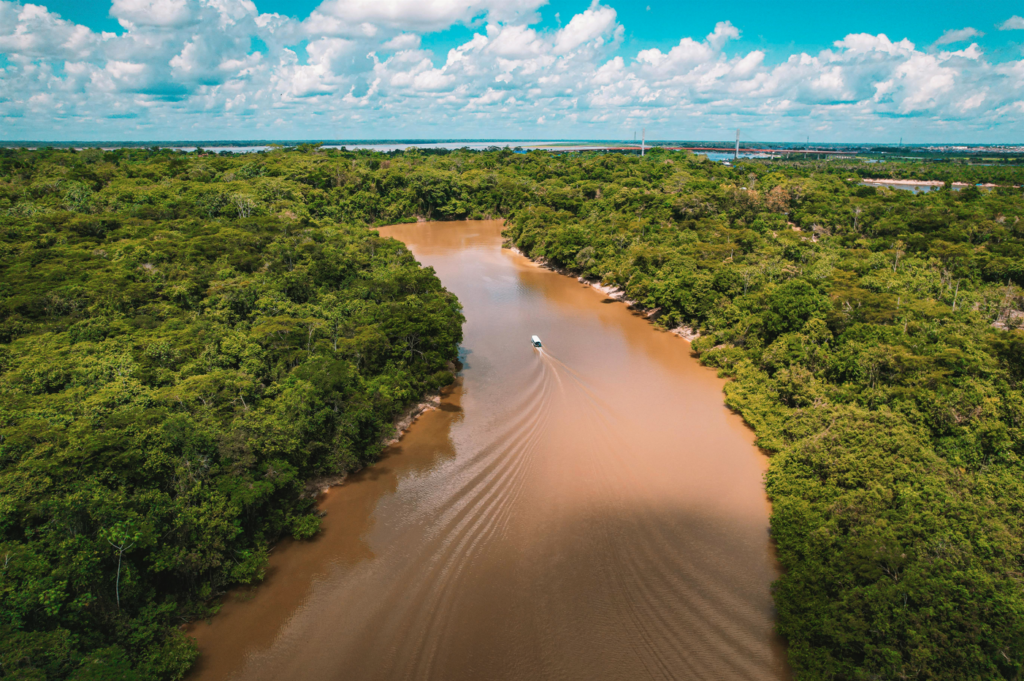
Amazon Rainforest is the largest rainforest on Earth, spanning across multiple countries in South America, including Brazil, Peru, and Colombia. It surrounds the vast Amazon River, which is the second-longest river in the world and one of the most powerful.
A. What Makes the Amazon Rainforest Unique?
The Amazon is often called the “Lungs of the Earth” because it produces a significant portion of the world’s oxygen and plays a critical role in regulating the global climate.
Key Highlights:
- Largest tropical rainforest in the world
- Covers over 5.5 million square kilometers
- Home to unmatched biodiversity
- Dense canopy with multiple forest layers
B. Ecosystem & Importance
The Amazon plays a crucial role in:
- Regulating global climate
- Absorbing carbon dioxide
- Supporting indigenous communities
- Maintaining biodiversity
It is one of the most important ecosystems for the planet’s survival.
C. Things to Do in the Amazon
- Jungle trekking with expert guides
- River cruises along the Amazon River
- Wildlife spotting and bird watching
- Visiting indigenous communities
- Night safaris in the rainforest
D. Best Time to Visit
- Dry Season (June–November): Easier hiking and exploration
- Wet Season (December–May): Better river navigation and wildlife viewing
E. Travel Tips
- Always travel with experienced guides
- Use insect repellent and protective clothing
- Stay hydrated and prepared for humidity
- Respect local cultures and environment
F. Why the Amazon Feels Like Another World
The Amazon Rainforest is vast, wild, and full of life. From the sounds of exotic animals to the endless green canopy, it offers an experience unlike anywhere else on Earth. The Amazon Rainforest is not just a destination—it’s the heartbeat of our planet. Its incredible biodiversity, cultural richness, and environmental importance make it one of the most extraordinary places on Earth.
Final Thoughts:
Magical forests remind us that the world still holds mystery. In a time of fast cities and digital life, these places offer something rare—peace, wonder, and a connection to something ancient. Whether it’s the foggy trails of Germany, the bamboo whispers of Japan, or the deep green silence of the Amazon, each forest tells its own story. And maybe, just maybe… you’ll feel a little magic too.