Have you ever dreamed of exploring a new country, discovering unfamiliar cities, trying different cuisines, or enjoying breathtaking landscapes without waiting for someone else to join you? That’s exactly what makes solo travel so exciting!
Travelling alone can be one of the most rewarding experiences of your life. It gives you the freedom to choose where you want to go, plan your own itinerary, meet new people, and explore the world at your own pace. However, if you’re a beginner, the thought of travelling alone can also feel a little intimidating.
It’s completely normal to have questions about personal safety, accommodation, transportation, budgeting, language barriers, and loneliness, especially when planning your first solo trip.
The good news is that you don’t need to be an experienced traveller or an extremely outgoing person to enjoy solo travel. With a little preparation, realistic expectations, and a few important safety precautions, you can travel independently and feel more comfortable and confident along the way.
Whether you’re planning a weekend getaway, a backpacking adventure, or your first international trip, this guide covers the essential solo travel tips for beginners to help you prepare, stay safe, save money, and make your journey enjoyable and memorable.
1. Start with a Beginner-Friendly Destination

Choosing the right destination is one of the most important steps when planning your first solo trip. Although travelling to a remote island or an unfamiliar country might sound exciting, beginners should start with places that are relatively easy to navigate, have reliable transportation, offer comfortable accommodation, and provide access to essential services.
It’s also helpful to choose a destination where you can communicate easily with locals. A beginner-friendly destination can make your first solo travel experience much less stressful and help you build confidence for future adventures.
Before choosing a destination, consider a few important factors. First, look into local safety conditions, common tourist scams, neighbourhoods, and areas that travellers should avoid. Transportation is equally important, so look for places with accessible public transport, reliable taxis, and convenient connections between major attractions. Language can also make a big difference.
If English is your native language and the only language you speak, consider starting with a country where English is an official or widely spoken language. Some good examples include Australia, Canada, Ireland, New Zealand, the United Kingdom, the United States, Malta, Singapore, and Nigeria. This can make communicating with locals, asking for directions, ordering food, and handling unexpected situations much easier.
You should also check whether your destination has reputable hotels, hostels, and guesthouses with verified reviews. Places with visitor information centres, guided tours, and well-developed tourist services can make exploring much easier for first-time travellers. Don’t forget to check the availability of hospitals, pharmacies, and emergency services before your trip, as knowing where to find help can give you extra peace of mind.
Some Destinations to Consider for First-Time Solo Travellers
Australia: Australia is a great option for English-speaking solo travellers, with well-developed cities, reliable public transportation, beautiful beaches, and plenty of outdoor activities. Popular destinations include Sydney, Melbourne, Brisbane, and Perth.
Malta: This small Mediterranean island country is known for its beautiful coastline, historic towns, sunny weather, and English-speaking population. Its relatively compact size also makes it easier to explore different attractions.
Singapore: A compact city-state with efficient public transportation, multicultural neighbourhoods, clean streets, and a wide range of attractions. English is one of its official languages and is widely used, making communication easier for many international visitors.
Thailand: A popular destination among international backpackers because of its affordable accommodation options, delicious food, established tourist routes, and variety of experiences. You can explore busy cities like Bangkok, cultural destinations like Chiang Mai, and beautiful island destinations like Phuket. However, English is not widely spoken everywhere, so learning a few basic Thai phrases can be helpful.
New Zealand: Known for its spectacular natural landscapes, outdoor activities, friendly atmosphere, and established tourism infrastructure. It’s particularly appealing to solo travellers who enjoy nature, hiking, road trips, and adventure activities.
Remember that no destination is completely risk-free, even if it’s popular with tourists. Before booking your trip, research the latest travel advisories, visa and entry requirements, local laws, transportation options, and safety conditions. A little research beforehand can help you choose a destination that suits your experience level and makes your first solo adventure more enjoyable.
2. Research Your Destination Before Departure

One of the biggest mistakes beginners make when planning their first solo trip is booking everything without properly researching their destination.
When you’re travelling alone, you’re responsible for making your own decisions, so it’s important to understand a little about the place you’re visiting. Knowing what to expect beforehand can help you avoid unnecessary confusion, unexpected problems, and costly mistakes.
Before departure, take some time to research the country’s geography, major cities, and popular attractions. Learn about local customs, cultural traditions, and appropriate clothing so you can respect local practices. Check the weather forecast for your travel dates, understand how public transportation works, and find out about ticket prices and payment options.
You should also familiarise yourself with the local currency, emergency contact numbers, nearby hospitals, visa requirements, and passport validity rules. It’s equally important to know which neighbourhoods are generally considered safe for visitors, along with common tourist scams and local restrictions.
Another important thing to consider is the distance between your accommodation, public transportation stations, restaurants, and major attractions. For example, a hotel might look affordable when booking online, but if it’s far from public transport or popular tourist spots, you could end up spending much more on daily transportation. In some cases, paying a little extra for accommodation in a convenient location can actually save you money and time.
Spending some time researching your destination before departure can help you make smarter travel decisions, manage your budget, and enjoy your first solo adventure with greater confidence.
3. Plan Your Itinerary Without Overloading It
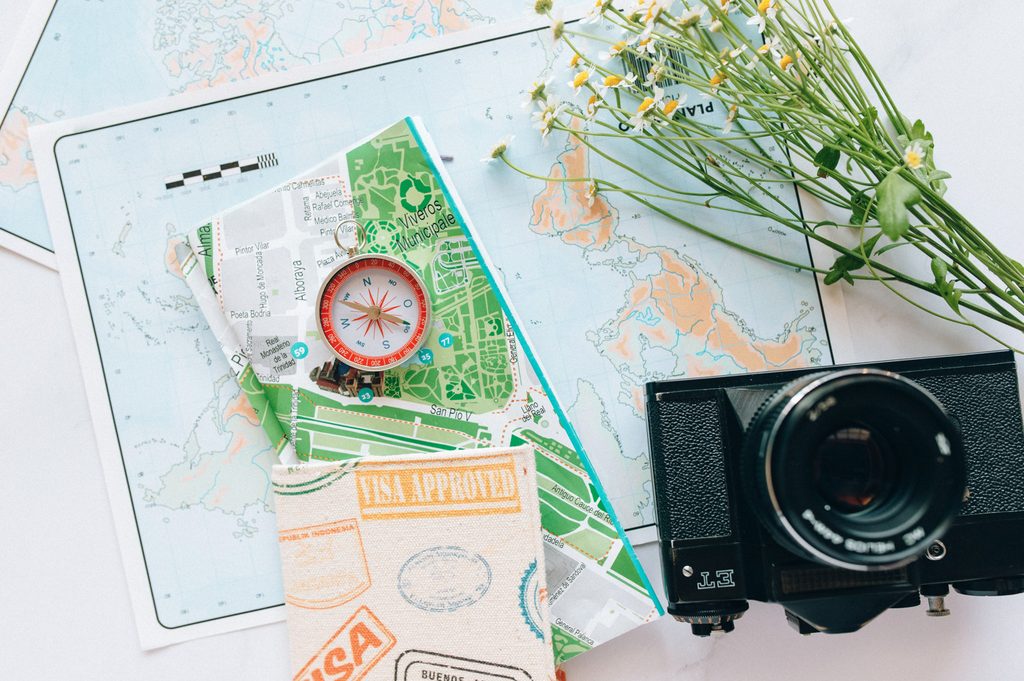
One of the best things about solo travel is the freedom to do what you want, whenever you want. You don’t have to coordinate your plans with friends or family, wait for someone else, or change your schedule to suit other people.
However, having complete freedom doesn’t mean you should travel without a plan. A simple itinerary can give your journey some structure while leaving enough room for unexpected discoveries and spontaneous adventures.
For your first solo trip, it’s a good idea to plan your arrival and departure arrangements, accommodation for each night, the main attractions you want to visit, and how you’ll travel between different destinations. You should also research restaurants and local food experiences you’d like to try, estimate your daily expenses, and keep a few backup activities in mind in case of bad weather or unexpected changes.
Avoid Planning Too Many Activities
One common mistake beginners make is trying to visit as many attractions as possible within a short period. While it might seem like a great way to make the most of your trip, an overloaded itinerary can quickly become exhausting and leave you with little time to enjoy each place.
Instead of scheduling ten attractions in one day, choose two or three places that interest you most and give yourself enough time to explore them properly.
For example, if you’re visiting Kyoto, Japan, you could spend a day exploring the famous Fushimi Inari Shrine, discovering nearby traditional neighbourhoods, and trying local food at nearby restaurants. Rather than rushing from one attraction to another, take your time and enjoy the experience.
It’s also important to leave some free time in your itinerary for relaxing, shopping, photography, and discovering interesting places that weren’t part of your original plan. Sometimes, the most memorable moments of solo travel happen when you have no strict schedule to follow.
Tip: Share your travel itinerary with someone you trust before departure. Let them know where you’re staying, your planned travel dates, and when you expect to arrive at your next destination. This gives someone back home an idea of your plans and makes it easier for them to check on you if necessary.
4. Create a Realistic Travel Budget

Planning your travel budget is especially important when travelling alone because you won’t have a travel companion to share accommodation, transportation, or other expenses with. You’ll need to manage all your travel costs yourself, so having a realistic budget before departure can help you avoid financial stress.
The amount of money you’ll need depends on several factors, including your destination, length of stay, accommodation preferences, transportation options, and planned activities. Before booking your trip, take some time to estimate your expenses and decide how much you’re comfortable spending.
A. Important Expenses to Include
Flights and Transportation: Include the cost of international and domestic flights, trains, buses, taxis, airport transfers, and local transportation. Compare different options to find convenient and affordable ways to get around.
Accommodation: Consider the cost of hotels, hostels, guesthouses, or rental apartments. Compare prices, check verified reviews, and choose accommodation that fits your budget and safety requirements.
Food and Drinks: Estimate how much you’ll spend on breakfast, lunch, dinner, snacks, and occasional restaurant visits. Eating at local restaurants and food markets can sometimes help you save money while experiencing the local cuisine.
Activities and Attractions: Set aside money for museum tickets, guided tours, national park entry fees, adventure activities, and other experiences you want to enjoy during your trip.
Travel Insurance: Include the cost of suitable travel insurance that covers your destination, medical emergencies, and planned activities.
Communication: Consider the cost of a local SIM card, international roaming, or an eSIM so you can access the internet, use maps, and stay connected while travelling.
Emergency Funds: Keep some extra money aside for unexpected expenses, medical needs, missed transportation, or last-minute accommodation changes. Having an emergency fund can be particularly helpful when you’re travelling alone.
B. Example of a Daily Travel Budget
Here’s a simple example of how much a budget-conscious solo traveller might spend per day. These estimates are for illustration and can help you understand how to divide your travel expenses.
| Expense | Estimated Daily Budget |
|---|---|
| Accommodation | $25–$50 |
| Food and drinks | $15–$25 |
| Local transportation | $5–$15 |
| Attractions and activities | $10–$25 |
| Miscellaneous expenses | $5–$10 |
| Estimated Total | $60–$125 |
Note: These figures are illustrative estimates, not fixed prices. Actual expenses can vary considerably depending on the country, city, season, accommodation type, and travel style. International flights, visa fees, and travel insurance are not included in this daily budget.
C. Practical Budgeting Tips
Before starting your journey, set a maximum daily spending limit and try to stay within it. Compare accommodation prices across different booking platforms, use public transportation whenever practical, and consider eating at local restaurants and food markets instead of expensive tourist restaurants.
You can also save money by exploring free walking tours, public attractions, parks, and museums with free entry. Avoid unnecessary purchases, keep a separate emergency fund, and track your daily expenses so you always know how much money you have left.
Remember that travelling on a budget doesn’t mean missing out on memorable experiences. A realistic travel budget gives you better control over your finances, helps you avoid unnecessary expenses, and allows you to enjoy your solo adventure without constantly worrying about money.
5. Book Your Accommodation Carefully

Choosing the right accommodation is especially important when travelling alone because you won’t have a travel companion to help you deal with unexpected situations. Your accommodation should offer a good balance of safety, comfort, cleanliness, and convenience without putting too much pressure on your travel budget.
A. Accommodation Options for Solo Travellers
Hotels: Hotels are a good option if you prefer privacy, personal space, and convenient services. They generally offer private rooms, housekeeping, reception services, and other facilities that can make your stay more comfortable.
Guesthouses: Guesthouses often provide a more relaxed and personal atmosphere than larger hotels. They can also give you opportunities to experience local hospitality and learn more about the destination from your hosts.
Hostels: Hostels are a popular choice among solo travellers and backpackers because they offer affordable accommodation and opportunities to meet people from different parts of the world. Many hostels also have shared kitchens, common areas, organised social activities, and group tours, making it easier to connect with other travellers.
Vacation Rentals: Rental apartments and holiday homes can be useful for longer stays, especially if you need a kitchen, additional living space, or more privacy. Before booking, carefully check property reviews, the location, host verification, and available safety features.
B. What to Check Before Booking
Before confirming your accommodation, take some time to read recent guest reviews and check the property’s location and surrounding neighbourhood. Look into its reception and check-in arrangements, available security features, room locks, and luggage storage facilities.
It’s also worth checking how easily you can reach public transportation, restaurants, and major attractions. Finally, read the cancellation and refund policies carefully and check for additional charges, cleaning fees, and local taxes that might increase the total cost.
Avoid choosing accommodation based entirely on the lowest price. A cheap property might look attractive when booking online, but an inconvenient location, poor security, or uncomfortable facilities can make your trip more stressful. Sometimes, spending a little extra on a well-reviewed property in a convenient and suitable location can save you money, time, and unnecessary trouble during your solo adventure.
6. Pack Light and Carry Only Essential Items

Packing for your first solo trip can feel a little challenging, especially when you’re travelling alone and have to manage all your luggage yourself. Unlike travelling with friends or family, you won’t always have someone to help carry your bags, so every extra item can become an inconvenience.
The best approach is to pack according to your destination, weather conditions, length of stay, and planned activities. Instead of carrying everything you think you might need, focus on practical items that will make your journey more comfortable and convenient.
A. Essential Solo Travel Packing Checklist
Travel Documents: Carry your passport, required visa documents, flight tickets, accommodation confirmations, travel insurance details, and emergency contact information. It’s also a good idea to keep digital and physical copies of important documents in case the originals are lost or misplaced.
Clothing: Pack comfortable everyday clothes, weather-appropriate jackets or outerwear, comfortable walking shoes, undergarments, socks, and sleepwear. If you’re visiting religious or cultural sites, include clothing that follows the local dress requirements.
Electronics: Bring your smartphone, charging cable, power bank, universal travel adapter, and headphones. You can also carry a camera if you enjoy photography or want to capture memories of your journey.
Personal Essentials: Include basic toiletries, prescription medication if needed, a small first-aid kit, hand sanitiser, sunscreen, and a reusable water bottle. Check local regulations before carrying medication or liquids across international borders.
Security Items: A small combination lock, secure travel wallet, luggage tags, and a compact crossbody bag can help you organise and protect your belongings while exploring unfamiliar places.
B. Practical Packing Tips for Beginners
Choose clothes that can be easily mixed and matched instead of packing a separate outfit for every day. This helps you create different combinations while keeping your luggage light. You can also use packing cubes to organise your belongings and make frequently used items easier to find.
Keep important documents, essential medication, valuables, and electronic devices in your carry-on luggage rather than your checked baggage. This way, you’ll still have access to your most important belongings if your checked luggage is delayed or lost.
Most importantly, avoid overpacking. Travelling with lighter luggage makes it much easier to move through airports, railway stations, bus terminals, and crowded streets. It also gives you more flexibility when changing accommodation or travelling between destinations. Remember, packing smart is more important than packing more.
7. Prioritise Your Personal Safety

Personal safety is one of the biggest concerns for anyone planning their first solo trip. When you’re travelling alone, you need to be a little more careful because you won’t always have someone with you to help handle unexpected situations.
Although solo travel comes with certain risks, taking sensible precautions can help you recognise potential dangers, avoid unnecessary trouble, and feel more confident while exploring unfamiliar places.
A. Follow These Essential Solo Travel Safety Tips
Stay Aware of Your Surroundings: Pay attention to what’s happening around you, especially when walking through unfamiliar streets, using public transportation, or visiting crowded tourist attractions. Avoid becoming too distracted by your phone while exploring unfamiliar areas.
Avoid Displaying Valuables: Keep expensive jewellery, cameras, smartphones, and other valuable belongings secure when you’re not using them. Avoid openly displaying expensive items that might attract unwanted attention.
Be Careful When Sharing Personal Information: Avoid publicly sharing your hotel room number, complete travel itinerary, or real-time location with strangers. Be mindful of what you post on social media, especially when sharing your current whereabouts.
Choose Transportation Carefully: Whenever possible, use licensed taxis, reputable ride-hailing services, and official public transportation. Before getting into a vehicle, check that its details match your booking.
Avoid Isolated Areas at Night: Research unfamiliar neighbourhoods beforehand and try to use well-lit, populated routes when travelling after dark. If you’re unsure about an area, ask your accommodation staff or a reliable local source for advice.
Watch Your Belongings: Be particularly careful with your phone, wallet, passport, and luggage in crowded markets, tourist attractions, bus terminals, and railway stations. Keep your bags close and avoid leaving valuables unattended.
Trust Your Instincts: If a person, situation, or location makes you feel uncomfortable or unsafe, don’t ignore that feeling. Move towards a safer, more populated place and seek help if necessary.
Keep Emergency Contacts Accessible: Save local emergency numbers, your accommodation details, travel insurance information, and important contacts on your phone. It’s also a good idea to keep a written copy of essential contact information in case your phone runs out of battery or gets lost.
B. Keep Someone Informed About Your Travel Plans
Even though you’re travelling independently, it’s important to stay connected with someone you trust back home. Share your accommodation details, flight information, travel itinerary, and expected arrival times with a friend or family member.
You can also arrange regular check-ins through messages or phone calls so someone knows you’re safe. This is particularly useful when visiting remote destinations, travelling between cities, or exploring places with limited mobile network coverage.
Remember, personal safety doesn’t mean being afraid of everything or avoiding new experiences. It’s about staying aware of your surroundings, making sensible decisions, and being prepared to handle unexpected situations. With the right precautions, you can enjoy your solo travel experience with greater confidence and peace of mind.
8. Keep Your Important Documents and Money Secure
Losing your passport, bank cards, or other important travel documents in an unfamiliar country can quickly turn an enjoyable trip into a stressful experience. That’s why keeping your important documents and money organised and secure should be a priority, especially when travelling alone.
Before departure, make sure you have a safe place for your essential documents and backup payment options. Keep your original passport in a secure location, and store a digital copy in a password-protected account or secure storage service that you can access when needed. It’s also helpful to carry printed copies of important travel documents separately from the originals. Keep a backup payment card in a different location, carry some emergency cash, and make sure your travel insurance details are easily accessible.
Avoid keeping all your cash, bank cards, and important documents in one wallet or bag. If you lose it or it gets stolen, you could lose access to everything at once. Instead, divide your money and payment methods between separate secure locations so you have a backup if something goes wrong.
You should also check whether your bank requires advance notification before international travel and understand any foreign transaction charges, ATM withdrawal fees, and international card restrictions. Knowing these details beforehand can help you avoid unexpected charges or payment problems during your trip.
When withdrawing money, choose ATMs in secure, well-lit locations, preferably inside established banks or shopping centres. Check the ATM for anything unusual before using it, and cover the keypad when entering your PIN. Be careful when counting or handling cash in crowded public areas, and avoid openly displaying large amounts of money.
A little preparation can go a long way in protecting your finances and important documents. Keeping backup copies and alternative payment methods can make it much easier to handle unexpected situations during your solo adventure.
9. Learn Basic Local Words and Phrases

Language barriers can make travelling alone a little challenging, especially when visiting countries where English isn’t widely spoken. Simple everyday tasks like asking for directions, ordering food, using public transportation, or communicating with locals can become difficult if you don’t understand the local language.
The good news is that you don’t need to become fluent in another language before travelling. Learning just a few basic local words and phrases can make everyday interactions much easier and help you communicate more politely and confidently.
Before your trip, try learning how to say common expressions such as hello, thank you, please, excuse me, how much does this cost, where is the nearest station, can you help me, I need assistance, and I don’t understand. These simple phrases can be surprisingly useful when exploring an unfamiliar destination.
For example, if you’re visiting Japan, learning expressions such as Arigatou gozaimasu (thank you) and Sumimasen (excuse me or sorry) can make your interactions with locals more comfortable. Even a small effort to speak the local language can help create a positive impression.
You can also use translation applications to communicate with locals, understand restaurant menus, translate signs, and ask for directions. Some applications even offer camera translation and offline language features, which can be particularly helpful when you don’t have an internet connection.
However, keep in mind that digital translations aren’t always accurate, especially with slang, local expressions, and complex sentences. Be patient, speak clearly, and use simple words whenever possible. A little effort to learn the local language can make your solo travel experience smoother and more enjoyable.
10. Use Technology to Make Travelling Easier

Your smartphone can be one of your most useful travel companions, especially when exploring an unfamiliar destination. The right travel apps can help you find your way around, organise bookings, communicate with locals, and keep track of your spending. They can also make solo travel easier, safer, and more convenient.
Navigation: Apps like Google Maps can help you find popular attractions, restaurants, hotels, public transport stations, and nearby services. Download offline maps before your trip so you can navigate even when you don’t have an internet connection.
Translation: Google Translate can help you understand local languages, translate signs and menus, and communicate with people when you don’t speak their language.
Accommodation: Booking platforms make it easier to compare hotels, hostels, and guesthouses, check reviews, and find accommodation that suits your budget and travel needs.
Transportation: If booking a ride through Uber or another international service is difficult or unavailable at your destination, look for local public transport apps and reputable ride-hailing services. These can make getting around easier and more convenient.
Budget management: Expense-tracking apps can help you monitor your daily spending, manage your travel budget, and avoid unnecessary expenses.
Communication: Messaging and video-calling apps allow you to stay in touch with family and friends, share updates, and let someone know you’re safe.
Before departure, prepare your smartphone by downloading offline maps and translation language packs, saving important addresses and emergency contacts, and storing your booking confirmations somewhere easily accessible. Install essential local transportation apps in advance, carry a power bank to keep your phone charged, and consider getting a local SIM card or eSIM for affordable internet access while travelling.
Finally, be careful when using public Wi-Fi, especially at airports, hotels, and cafés. Avoid accessing banking apps or entering sensitive financial information through unsecured networks. Use trusted Wi-Fi connections or mobile data, and enable appropriate security measures to protect your personal information.
11. Learn How to Eat Alone and Enjoy It

For many first-time solo travellers, eating alone can feel a little awkward. You might worry about sitting by yourself in a restaurant, having no one to talk to, or feeling out of place. However, dining alone is a normal part of solo travel, and it can actually become one of the most enjoyable parts of your trip.
When you eat alone, you can explore local cuisines at your own pace, enjoy your meals without rushing, and choose restaurants based entirely on your preferences. You don’t have to worry about what anyone else wants to eat or where they want to go.
If you’re not used to dining alone, start with casual cafés and local food markets where the atmosphere feels relaxed. Choose restaurants with counter seating, try traditional street food from reputable and hygienic vendors, or visit popular lunch spots where eating alone feels more natural. You can also bring a book, listen to music while waiting for your food, or simply enjoy watching the surroundings. If you’re unsure what to order, don’t hesitate to ask restaurant staff for recommendations and local specialities.
Food is also a great way to experience a destination’s culture and traditions. For example, you can try traditional ramen at local restaurants in Japan, enjoy pastel de nata (Portuguese custard tarts) at bakeries in Portugal, explore street-food markets in Thailand, or visit local restaurants to taste authentic pasta dishes in Italy.
Don’t let the fear of eating alone stop you from enjoying local food and discovering a destination’s culinary culture. Sometimes, sitting down for a meal by yourself can become one of the best memories of your solo travel adventure.
12. Make Friends and Meet Other Travellers
Travelling alone doesn’t mean you have to spend your entire trip by yourself. One of the best parts of solo travel is the chance to meet people from different countries, backgrounds, and cultures. You might make new friends, learn about different ways of life, or even find other travellers to explore a destination with.
There are plenty of ways to meet people while travelling solo. You can stay in social hostels or shared accommodation, join group walking tours, take cooking classes, attend cultural workshops, visit local festivals and events, or participate in outdoor activities and guided excursions. You can also use travel communities and organised meetups to connect with fellow travellers and locals.
Joining a group walking tour is especially helpful for first-time solo travellers. It allows you to explore a new destination, learn about its history and culture, and meet other people along the way. It’s also a great way to start conversations without feeling pressured to approach strangers on your own.
However, always be careful when meeting new people during your travels. Choose public places for your first meetings, avoid sharing sensitive personal information, and never feel pressured to join activities that make you uncomfortable. Trust your instincts and put your safety first.
Remember, you don’t have to become friends with everyone you meet. Even a short conversation, a shared meal, or a friendly interaction with a local can make your solo travel experience more enjoyable and memorable.
13. Prepare Yourself for Loneliness

Although solo travel gives you freedom and independence, there may be times when you feel lonely. You might wish you had someone to watch a beautiful sunset with, share an interesting experience, or enjoy dinner with after a long day of exploring. These feelings are completely normal, especially if you’re travelling alone for the first time.
Remember that travelling alone doesn’t mean you’ll feel happy, confident, or excited every moment. There may be quiet days when you miss your family, friends, or familiar surroundings. The important thing is to understand these feelings and learn how to deal with occasional loneliness without letting it ruin your trip.
Stay connected with loved ones: Make occasional phone or video calls with family and friends. Sharing your travel experiences with people back home can help you feel more connected.
Take part in social activities: Join group tours, cooking classes, workshops, or local events where you can meet other travellers and locals.
Spend time in public places: Visit cafés, museums, parks, and cultural attractions. Being around other people, even without having a conversation, can make you feel less isolated.
Maintain a daily routine: Make time for regular meals, relaxation, exercise, and enough sleep. Having a simple routine can make your days feel more comfortable and organised.
Learn to enjoy your own company: Read a book, take photographs, explore local markets, or simply sit somewhere peaceful and enjoy your surroundings. These small moments can help you become more comfortable spending time alone.
Most importantly, remember why you decided to travel alone in the first place. Solo travel is about discovering new places, gaining independence, and learning more about yourself. You don’t have to be constantly social or surrounded by people to have a meaningful and enjoyable journey.
14. Respect Local Culture, Customs, and Traditions
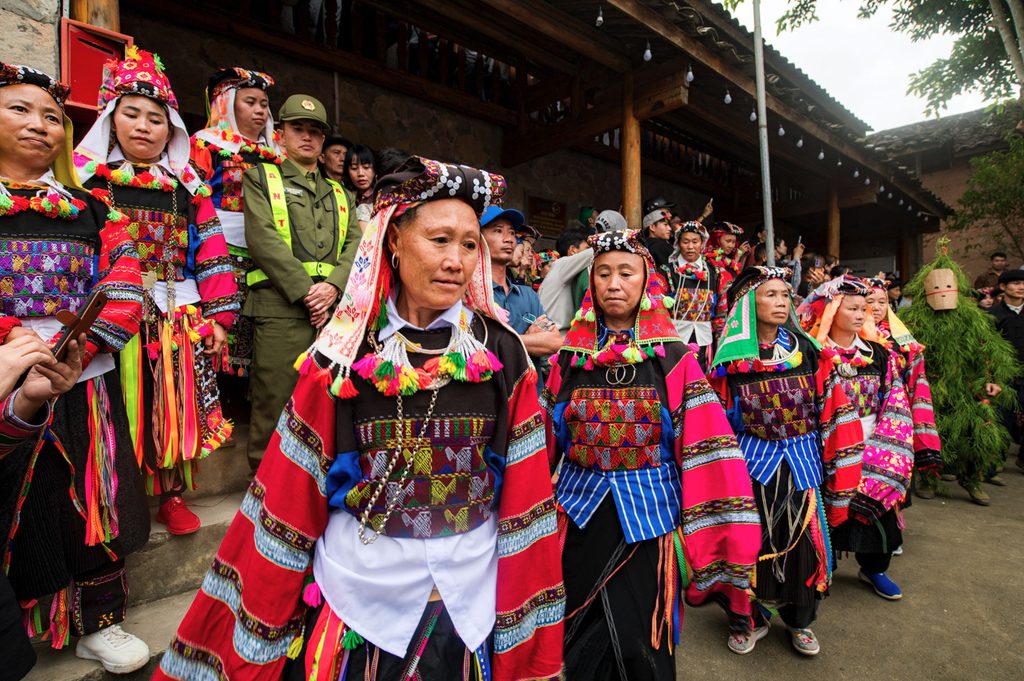
Every destination has its own cultural values, traditions, social expectations, and customs. As a solo traveller, taking the time to understand and respect these differences can help you connect with local people and enjoy more meaningful travel experiences.
Before visiting a new destination, learn about its local culture and customs. Find out what clothing is appropriate at religious sites, how people greet each other, and what social etiquette you should follow. It’s also worth checking photography rules, dining customs, religious holidays, cultural festivals, local laws, and expectations around public behaviour.
For example, when visiting temples in Thailand or Japan, follow the rules and guidelines displayed at each religious site. In many countries, visitors are expected to dress modestly when entering temples, mosques, churches, and other religious buildings. Similarly, always ask permission before taking photographs of local people, especially during cultural ceremonies or religious activities.
Respecting local culture is about more than simply avoiding misunderstandings or offending someone. It shows that you appreciate the people, traditions, and communities that make each destination special. Being open-minded, polite, and willing to learn can also help you build better connections with locals and make your solo travel experience more rewarding.
15. Purchase Suitable Travel Insurance

Travel insurance is an important part of planning any international trip, especially when travelling alone. An unexpected illness, injury, cancelled flight, lost luggage, or other travel disruption can quickly become expensive. Having the right insurance policy can help protect you from unexpected costs and give you greater peace of mind during your journey.
Depending on the policy and level of coverage, travel insurance may include emergency medical expenses, medical evacuation, trip cancellation or interruption, travel delays, lost or delayed baggage, passport assistance, and certain emergency travel expenses.
Before purchasing a travel insurance policy, take the time to understand what it covers. Check the coverage limits, exclusions, deductibles, claim procedures, and destination restrictions. Don’t choose a policy based on price alone. Make sure it provides suitable protection for your destination, trip duration, and planned activities.
If you plan to take part in adventure activities such as skiing, scuba diving, trekking, or other extreme sports, check whether they are included in your policy. Some insurers treat these activities as additional coverage or exclude them altogether.
Most importantly, remember that travel insurance is not a substitute for taking sensible safety precautions. Stay aware of your surroundings, follow local safety guidelines, and take reasonable steps to protect yourself and your belongings throughout your trip.
16. Arrive at Your Destination During Daylight When Possible

Your arrival experience can make a big difference to how comfortable you feel during your first solo trip. Reaching an unfamiliar city late at night can make it harder to find your accommodation, understand local transportation, and navigate unfamiliar streets, especially if you’re visiting for the first time.
Whenever possible, book flights or other transportation that allow you to reach your destination during daylight hours. This gives you more time to find your accommodation, explore the surrounding area, and get familiar with local transport options without feeling rushed.
Before departure, confirm your accommodation booking, check the property address and check-in instructions, and plan how you’ll get there from the airport or station. Save your accommodation’s location on an offline map, research available transportation options, and make sure your phone is fully charged.
If you have to arrive late at night, consider booking a reputable airport transfer in advance or using a trusted transportation service. Avoid accepting rides from unverified drivers, and keep your accommodation details and important contact information easily accessible.
A little preparation can make your first few hours in an unfamiliar destination much easier, safer, and less stressful.
17. Avoid Common Tourist Scams

Tourist scams can happen in popular destinations around the world, and solo travellers should be especially careful when dealing with unfamiliar people or services. Since you may not have another person travelling with you to help assess a suspicious situation, it’s important to stay alert and know what to look out for.
Some common tourist scams include fake taxi services, where drivers may charge unusually high fares, take unnecessarily long routes, or refuse to use meters where required.
Overpriced tourist shops may charge visitors much more than the usual local prices, while fake tour operators may collect payments for excursions they never provide. Other common scams include distraction theft, where someone tries to divert your attention while another person steals your belongings, and unofficial ticket sellers who offer counterfeit or invalid tickets to popular attractions.
To protect yourself, research common tourist scams before visiting a destination and book tours through reputable providers. Always confirm prices before paying for transportation, tours, or other services.
Purchase attraction tickets through official ticket counters or authorised websites, keep your valuables secure, and avoid accepting unsolicited help from strangers when it involves money or your personal belongings. If a situation feels suspicious or someone is pressuring you into making a quick decision, politely walk away.
Remember, being polite doesn’t mean you have to agree to every request from a stranger. Trust your instincts, stay aware of your surroundings, and don’t be afraid to say no when something doesn’t feel right.
18. Keep Your First Solo Trip Short and Simple

Your first solo adventure doesn’t have to be a month-long international backpacking trip. If you’re new to travelling alone, starting with a shorter and simpler journey can help you understand what solo travel is really like without feeling overwhelmed.
You can begin with a one-day trip to a nearby city, museum, historic site, or natural attraction. Once you’re comfortable, try a weekend getaway lasting two or three days in a destination with reliable transportation and suitable accommodation options. You could also plan a short domestic trip to explore another city or region within your own country. When you have gained enough confidence and experience, consider taking a short international trip for a few days.
Shorter trips give you a chance to practise important travel skills, such as planning an itinerary, managing your expenses, navigating unfamiliar places, booking accommodation, and making decisions independently. They also help you discover what you enjoy, what challenges you face, and what you might do differently on your next adventure.
As you become more confident and comfortable travelling alone, you can gradually plan longer trips, explore more distant destinations, and take on bigger adventures.
19. Learn to Be Flexible When Things Go Wrong

Even the best-planned trips don’t always go as expected. Flights can be delayed, trains may be cancelled, weather conditions can change, and popular attractions may close unexpectedly. These situations can be frustrating, especially when you’re travelling alone and have to make alternative arrangements yourself.
Instead of letting a small problem ruin your entire trip, try to stay calm and focus on finding a practical solution. For example, if your flight is delayed, contact the airline and check whether alternative arrangements are available.
If an attraction is closed, look for another nearby place to visit. If the weather changes, consider indoor activities such as museums, cafés, or cultural attractions. If your accommodation is unavailable, contact the property or booking platform immediately to find a solution. Similarly, if your transportation is cancelled, check official websites or apps for alternative routes and services.
It’s also a good idea to keep important booking confirmations, travel documents, and emergency contact details easily accessible. Having a backup plan for important parts of your journey can also save you time and stress.
Remember, unexpected problems are sometimes part of travelling. Learning to stay flexible, think clearly, and adjust your plans when necessary is one of the most valuable skills you can develop as an independent traveller.
20. Capture Your Memories Without Missing the Experience

Photographs and videos are great ways to preserve your travel memories and look back on the places you’ve visited. One of the advantages of solo travel is that you have the freedom to photograph whatever catches your attention without having to coordinate with another person or follow someone else’s schedule.
During your journey, take pictures of beautiful landscapes and natural attractions, historic buildings and architecture, local markets and traditional streets, regional food and drinks, cultural celebrations, festivals, and interesting moments of everyday life. These small details can help you remember what made each destination special.
If you want to take photographs of yourself, consider carrying a compact travel tripod or asking someone for help in a safe and comfortable public place. You can also use your smartphone’s timer or camera features to capture photos without needing someone else.
However, don’t spend your entire trip taking pictures or recording videos. Be respectful of photography restrictions, follow local rules, and always consider people’s privacy before photographing them, particularly during cultural or religious activities.
Most importantly, remember to put your camera or smartphone away from time to time. Enjoy the scenery, experience local culture, and appreciate the moment without worrying about capturing everything. Some of your best travel memories may come from simply being present and enjoying the experience.
21. Understand That You Do Not Need to Be Perfect
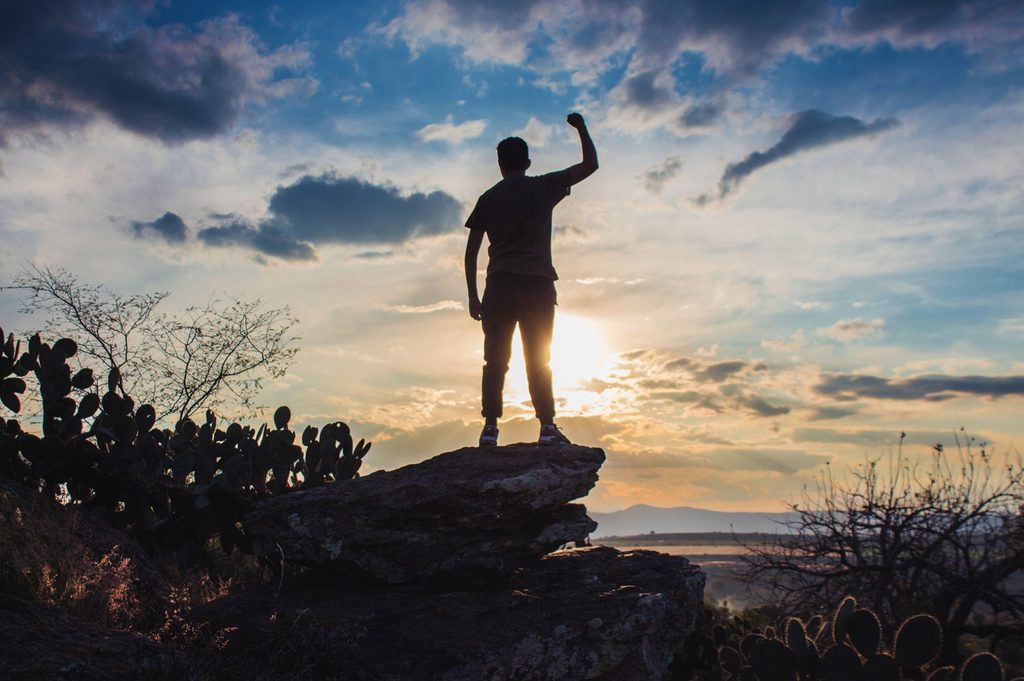
One of the most important things to remember as a first-time solo traveller is that you don’t need to know everything before leaving home. You might take the wrong train, struggle to understand a restaurant menu, forget to pack something important, or feel nervous when visiting an unfamiliar place. These things happen, and they don’t mean you’re a bad traveller.
Every journey is a learning experience. As you travel more, you’ll gradually become better at navigating public transportation, communicating with strangers, managing your travel budget, finding suitable accommodation, and dealing with unexpected situations. You’ll also learn what works best for you and how to make better decisions along the way.
Don’t put too much pressure on yourself to plan everything perfectly or handle every situation without making mistakes. It’s perfectly fine to ask for help, change your plans, or take a break when you need one.
Remember, confidence isn’t something you must have before taking your first solo trip. It’s something you build through experience, one journey at a time.
Final Thoughts
Solo travel is about much more than visiting new destinations without a companion. It’s an opportunity to discover different cultures, experience unfamiliar places, meet interesting people, and learn what you’re capable of achieving on your own.
Your first solo trip might feel a little intimidating, but every experience, from booking accommodation to navigating an unfamiliar city, can help you become a more confident and independent traveller.
Remember to choose a destination that suits your experience, plan a realistic budget, prioritise your safety, respect local cultures, and stay flexible when things don’t go as expected.
You don’t need to visit several countries or spend a fortune on an international adventure to enjoy the benefits of solo travel. Even a short weekend getaway can be the beginning of an unforgettable journey.
So, start small, plan wisely, and give yourself the chance to explore the world at your own pace. Don’t let fear or uncertainty stop you from experiencing something new.
The world is full of incredible places waiting to be discovered. Sometimes, all it takes to begin your adventure is the courage to take that first step alone.