Every country has traditions that reflect its history, culture, and beliefs. While many of these customs feel completely normal to the people who practice them, they can seem strange—or even shocking—to visitors from other parts of the world. Passed down through generations, these traditions are still an important part of festivals, celebrations, and everyday life.
In this guide, we’ll explore 20 weird traditions from around the world and discover the fascinating stories behind them. These unique customs show just how diverse and interesting cultures across the globe can be.
1. Baby Jumping Festival
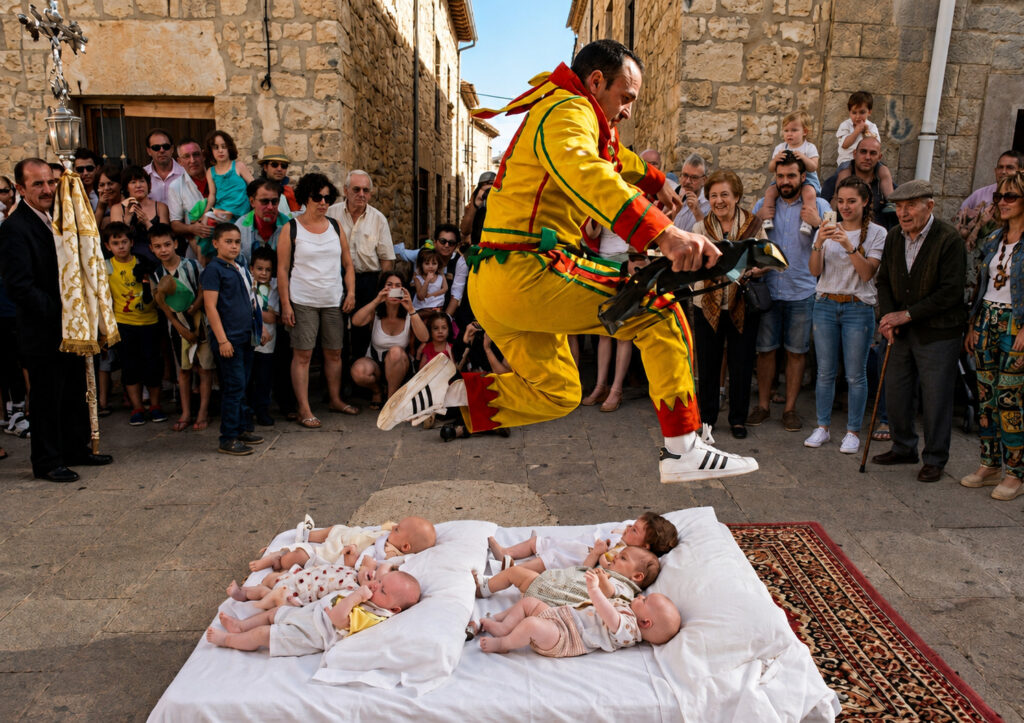
Baby Jumping Festival, known locally as El Colacho, is one of the world’s strangest and most famous traditions. Every year, men dressed as devils leap over rows of babies lying on mattresses in the streets. While it may look dangerous, the tradition has been practiced for centuries and is carefully organized to keep the babies safe.
Where Does It Take Place?
The festival is held in the small Spanish village of Castrillo de Murcia, located in the province of Burgos in northern Spain. Although the village has only a few hundred residents, thousands of visitors from around the world arrive each year to witness this extraordinary event.
History of the Tradition
El Colacho dates back to 1620, making it more than 400 years old. The tradition blends Catholic religious celebrations, medieval folklore, and local Spanish customs. It takes place during the Feast of Corpus Christi, a Catholic festival that honors the Eucharist. While Corpus Christi is celebrated across the world, the baby-jumping ritual is a unique local tradition and is not an official Catholic practice.
Who Is “El Colacho”?
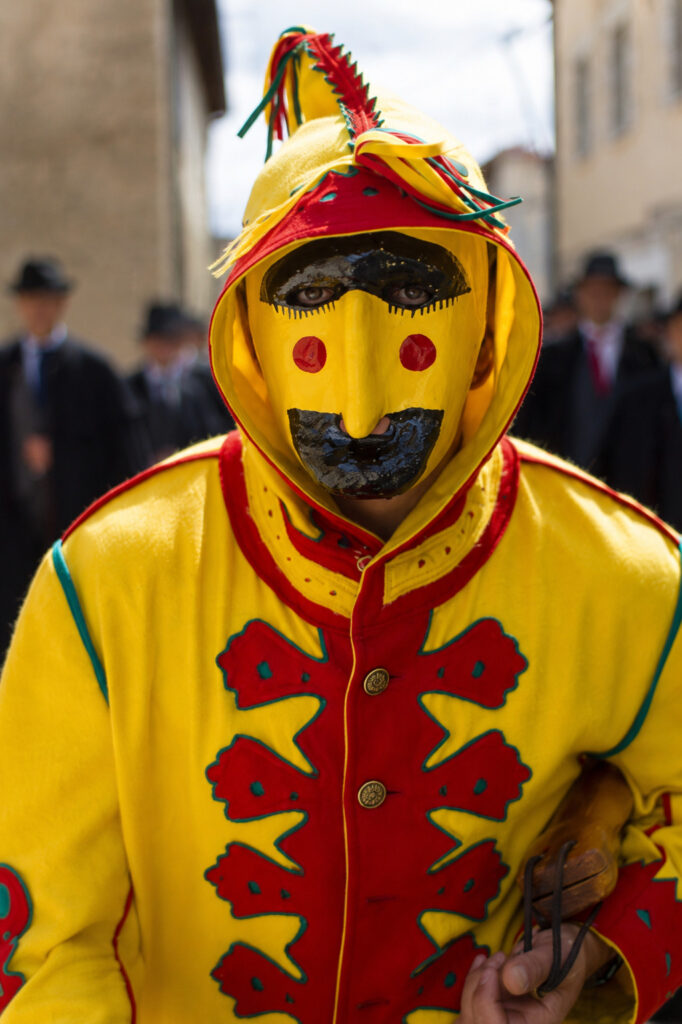
El Colacho is the character who represents the devil. The performer wears a bright yellow and red costume, a colorful mask, and carries a whip and castanets. Throughout the festival, El Colacho runs through the streets, playfully chasing spectators and creating excitement before performing the famous jump over the babies.
Does the Catholic Church Support It?
Although the festival is held during the Feast of Corpus Christi, the baby-jumping ritual is not an official Catholic sacrament or Church teaching. The Vatican has, at times, emphasized that baptism—not this tradition—is the Christian rite associated with cleansing from original sin.
2. Monkey Buffet Festival
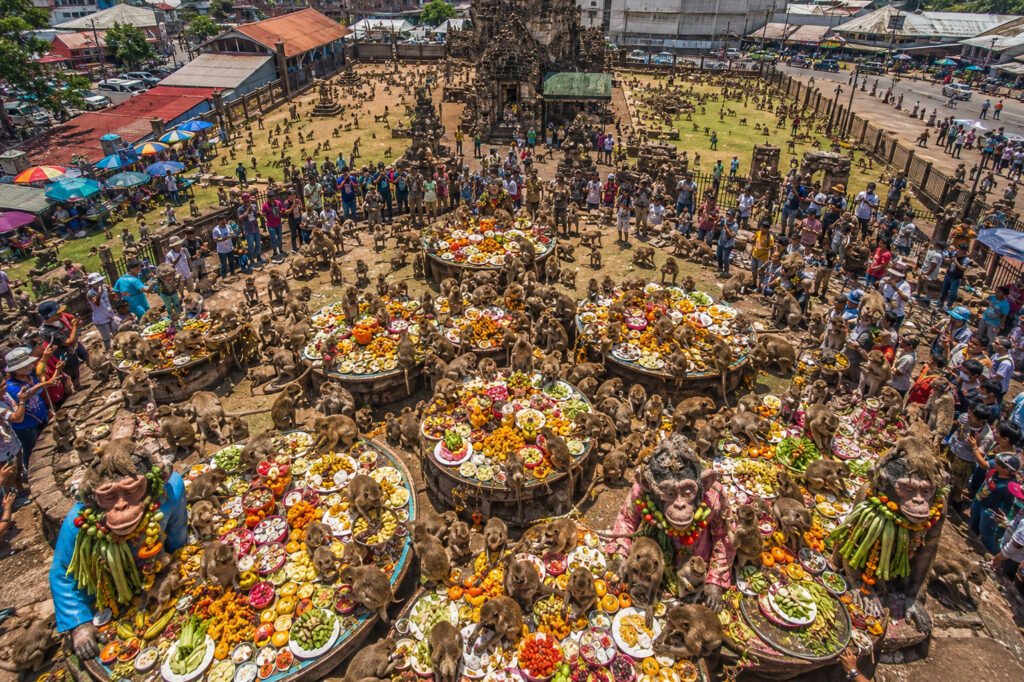
Monkey Buffet Festival is one of Thailand’s most unusual and entertaining traditions. Every year, locals prepare a huge buffet filled with fruits, vegetables, and other treats—not for people, but for the thousands of wild monkeys that roam the historic city of Lopburi. The festival celebrates the area’s unique culture while thanking the monkeys for attracting visitors from around the world.
History of the Festival
Unlike many centuries-old traditions, the Monkey Buffet Festival is relatively modern. It began in 1989, when local businessman Yongyuth Kitwattananusont came up with the idea of hosting a grand feast for the monkeys to attract more tourists to Lopburi. The idea was a huge success, and the event soon became an annual tradition and one of Thailand’s most famous festivals.
What Foods Are Served?
The buffet usually includes bananas, watermelons, pineapples, mangoes, grapes, papayas, corn, cucumbers, and a variety of other fruits and vegetables. In some years, organizers also create colorful fruit sculptures or freeze fruit inside large ice blocks to keep it fresh in the tropical heat. Around 4,400 pounds (over 2,000 kilograms) of food is often prepared for the event.
Is It Safe?
The festival is generally safe, but visitors should remember that the monkeys are wild animals. To stay safe, it’s best to avoid carrying visible food, keep sunglasses, phones, hats, and cameras secure, avoid teasing or feeding the monkeys by hand, never try to pet or hold them, and always follow instructions from local authorities. The monkeys are well known for stealing bags, drinks, sunglasses, and anything shiny they can get their hands on.
3. Night of the Radishes
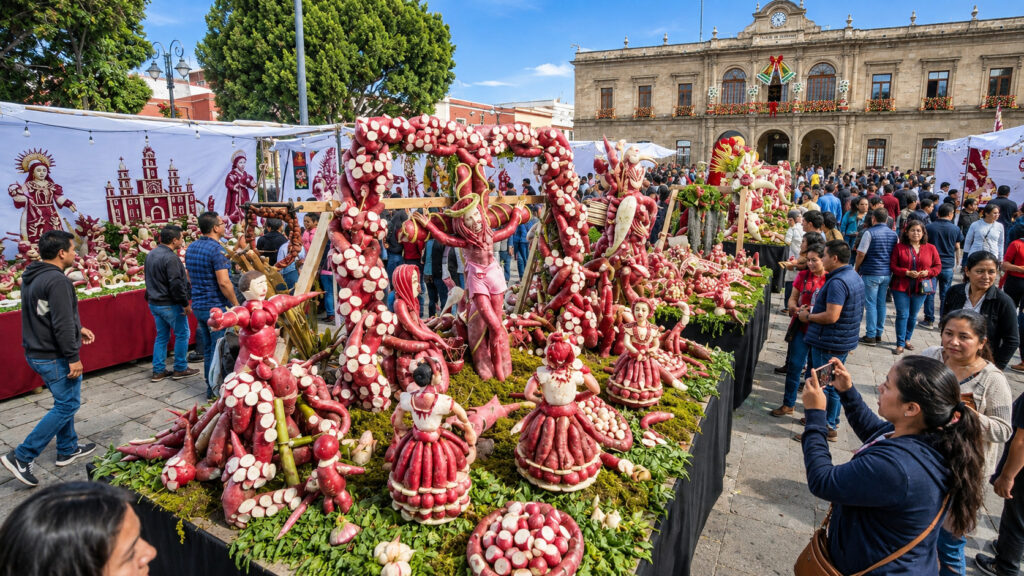
Night of the Radishes (Spanish: Noche de los Rábanos) is one of Mexico’s most unique and artistic festivals. Every year, talented artisans transform giant radishes into detailed sculptures that depict religious scenes, local legends, animals, historical figures, and everyday life. Even though the artworks are made from a simple vegetable, they are an important part of Oaxaca’s Christmas traditions.
History of the Festival
The tradition dates back to the 16th century, when Spanish friars introduced radishes to Mexico during the colonial era. Local farmers began carving radishes to make their vegetable stalls more eye-catching at the Christmas market held on December 23. Their creative displays attracted so much attention that the tradition quickly grew in popularity. Recognizing its cultural importance, Oaxaca’s mayor officially established the annual radish-carving competition in 1897, and it has been held every year since.
What Do the Sculptures Look Like?
Artists carve a wide variety of scenes, including Nativity scenes, angels and saints, Indigenous traditions, Mexican folklore, historical events, animals, mythical creatures, everyday village life, and famous landmarks. Many sculptures are also decorated with dried flowers, corn husks, and other natural materials to make the displays even more impressive.
Special Giant Radishes
The radishes used in the competition are very different from the ones found in supermarkets. They are specially grown by local authorities for the festival and can grow up to 20 inches (50 cm) long, around 4 inches (10 cm) wide, and often develop unusual shapes that inspire creative designs. These oversized radishes are grown specifically for carving rather than eating.
4. Finger Cutting Tradition
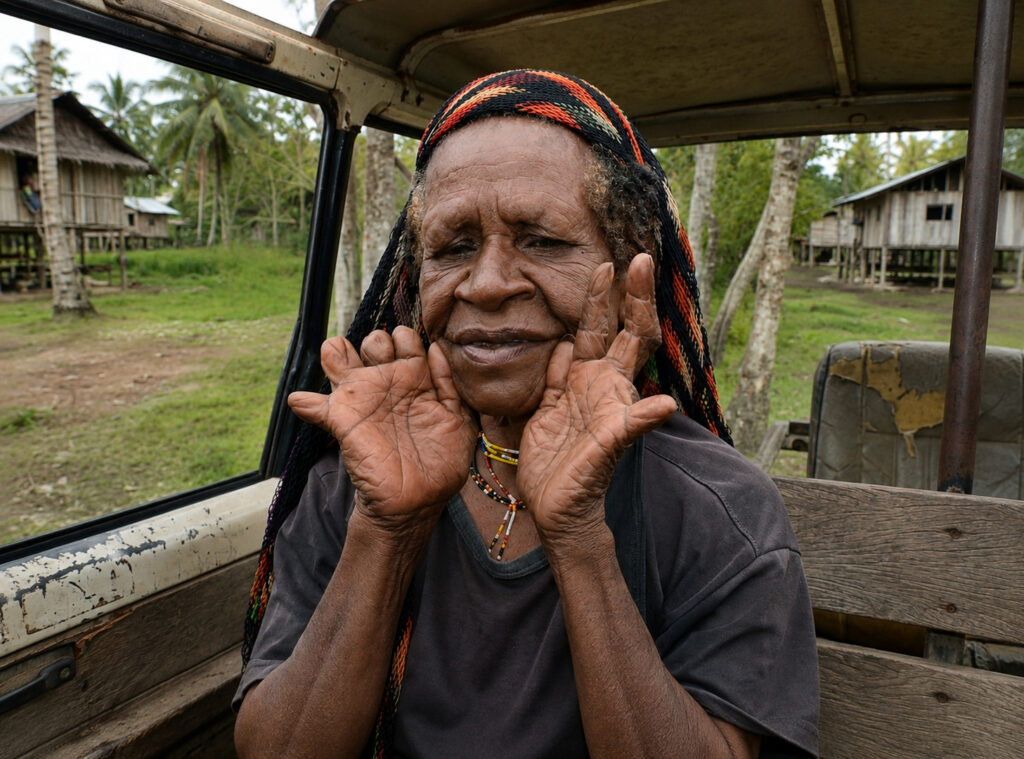
Finger Cutting Tradition, known as Ikipalin, is one of the world’s most striking mourning customs. It was traditionally practiced by some members of the Dani people, an Indigenous community living in the Papua Highlands of Indonesia.
In this tradition, a person—most often a woman—would have part of one of their finger amputated after the death of a close family member. The act symbolized the deep emotional pain of losing a loved one and was believed to help restore spiritual balance. Today, the practice has been largely abandoned and is prohibited by Indonesian authorities, although some elderly members of the community still bear visible signs of having taken part in it many decades ago.
History of the Tradition
No one knows exactly when Ikipalin began, but it has been practiced for generations in certain Dani communities. The tradition was based on beliefs that physical pain reflected emotional suffering, visible sacrifice honored the deceased, and mourning helped maintain harmony between the living and their ancestral spirits. It was an important part of the community’s traditional death and mourning rituals.
How Was the Ritual Performed?
Historically, the ritual usually involved tying the finger tightly to reduce blood flow, removing the tip of the finger with a traditional cutting tool, treating the wound with natural methods to stop the bleeding, and allowing it to heal, leaving the finger permanently shortened. The exact process varied between communities and changed over time.
Is It Still Practiced Today?
No. Ikipalin is now considered a historical tradition rather than a living custom. Visitors to the Papua Highlands may occasionally meet elderly Dani people with shortened fingers as a result of the practice, but new amputations are extremely rare and officially discouraged.
5. Wife Carrying Championship
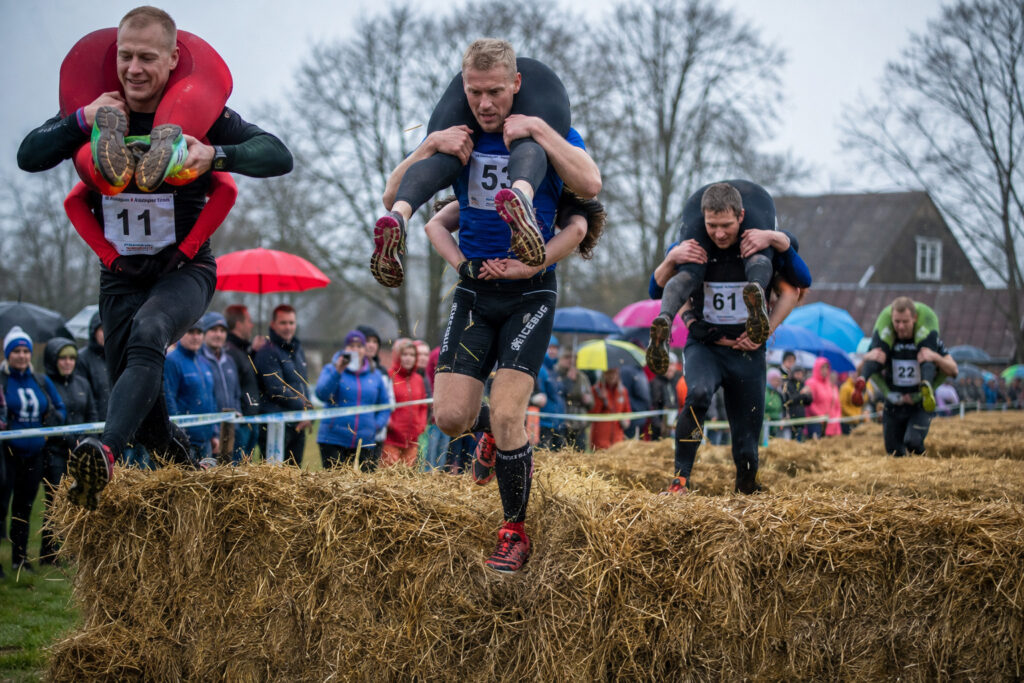
Wife Carrying Championship is one of the world’s funniest and most unusual sporting traditions. Competitors race through an obstacle course while carrying their partner on their back, shoulders, or upside down. The event combines athleticism, teamwork, and plenty of humor, attracting participants and spectators from around the world.
The official Wife Carrying World Championship is held every year in Sonkajärvi, Finland, where the modern version of the sport began.
History of the Tradition
The modern championship started in 1992, but its inspiration comes from Finnish folklore. One popular legend tells the story of Herkko Rosvo-Ronkainen, a 19th-century bandit who supposedly tested aspiring gang members by making them carry heavy sacks—or, according to another version of the tale, women—across difficult terrain.
Another legend claims that rival villages once kidnapped women from neighboring communities, giving rise to stories that eventually inspired today’s playful competition.
Although these stories are an important part of local folklore, there is no definitive historical evidence that the modern sport directly evolved from them.
Carrying Styles
Competitors can use several carrying techniques, including:
1. Estonian Carry (Most Popular)
The carried partner hangs upside down with their legs over the carrier’s shoulders while holding onto the carrier’s waist.
2. Piggyback Carry
The partner rides on the carrier’s back.
3. Fireman’s Carry
The partner is carried across the carrier’s shoulders.
The Estonian carry is generally the fastest and most popular technique used in international competitions.
Competition Rules
The official Wife Carrying Championship has a few simple rules. The person being carried must be at least 17 years old and weigh at least 108 pounds (49 kilograms). If they weigh less, extra weight is added in a backpack to meet the minimum. They must also wear a protective helmet for safety. The person doing the carrying can be of any gender. If the carried partner falls during the race, the team receives a time penalty before continuing.
What Is the Prize?
One of the most famous parts of the Wife Carrying Championship is its unusual grand prize. The winning team traditionally receives the carried partner’s weight in beer, along with a championship trophy and plenty of international recognition and bragging rights. This fun and unique prize has become one of the event’s most iconic traditions and is one of the reasons the competition attracts so much attention from around the world.
Is It Safe?
Yes. Although the race looks chaotic, safety is a top priority. Organizers require the carried participant to wear a protective helmet, the obstacle course is carefully designed and clearly marked, medical staff are present throughout the event, and all competitors must follow strict safety rules. Falls do happen from time to time, but serious injuries are uncommon.
6. La Tomatina
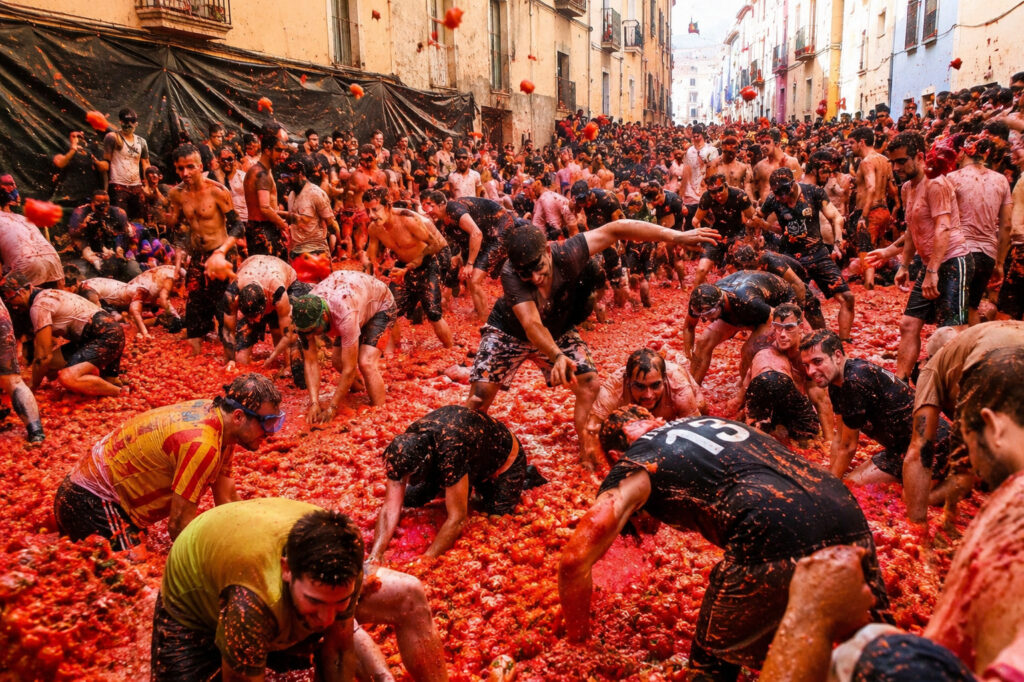
La Tomatina is the world’s largest tomato fight and one of Spain’s most famous festivals. Every year, thousands of people gather in the small town of Buñol to throw overripe tomatoes at one another in a giant, hour-long food fight.
What started as a spontaneous street brawl has grown into an internationally famous event that attracts visitors from dozens of countries every year.
History of the Festival
The exact origin of La Tomatina isn’t known for certain, but the most widely accepted story dates back to 1945. During a local parade, a group of young people got into a fight and began throwing tomatoes they grabbed from a nearby vegetable stall.
The unexpected tomato fight became so popular that locals repeated it the following year. Authorities initially tried to stop the tradition, and it was even banned for several years during the 1950s. However, strong public support eventually brought it back, and La Tomatina officially became a recognized festival in 1957.
How Does the Festival Work?
The event follows a well-organized schedule. Participants first gather in the town center, where a traditional challenge called Palo Jabón—a greased pole with a ham attached to the top—often takes place before the tomato fight begins. Once the challenge is over, trucks loaded with overripe tomatoes drive through the streets, and a starting signal marks the beginning of the fight.
For exactly one hour, participants throw tomatoes at one another until a second signal announces the end of the event. Afterward, fire trucks spray water to clean the streets, and participants wash off the tomato juice.
Rules of La Tomatina
To keep the festival safe and enjoyable, everyone is expected to follow a few simple rules:
- Squash tomatoes before throwing them to reduce the impact.
- Never throw hard objects.
- Do not tear or pull other people’s clothing.
- Keep a safe distance from the trucks.
- Stop throwing tomatoes immediately when the ending signal sounds.
Anyone who breaks these rules may be removed from the festival.
7. Cheese Rolling Festival
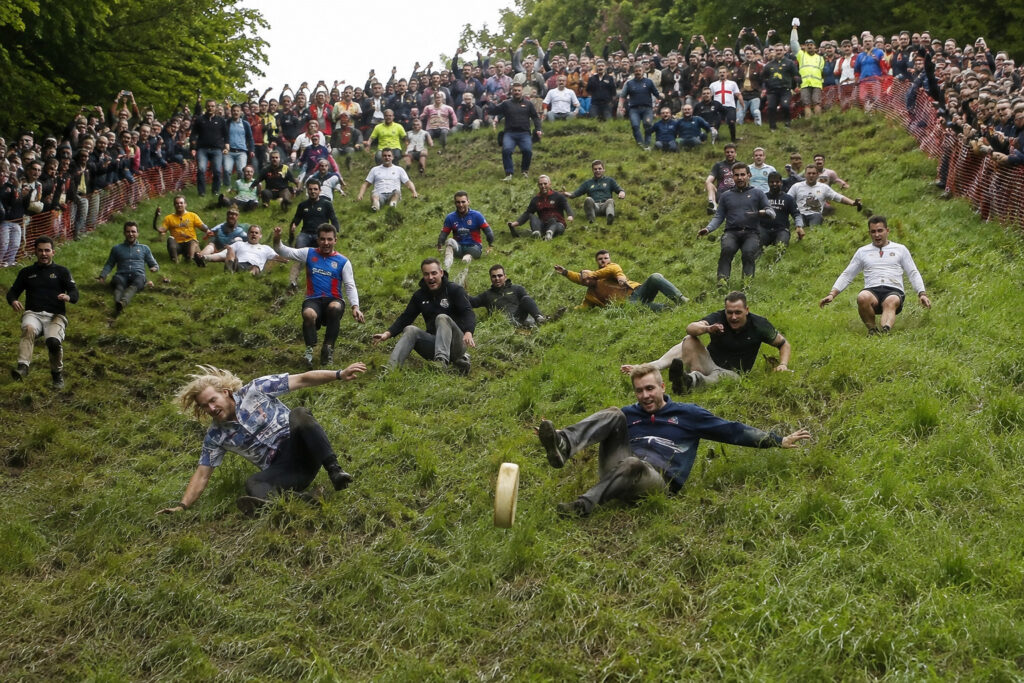
Cheese Rolling Festival is one of the world’s most thrilling and unusual traditions. Every year, brave participants race down a steep hill chasing a rolling wheel of cheese. The event is fast, chaotic, and often ends with competitors tumbling down the hillside, making it one of the world’s most famous quirky festivals.
The official event takes place at Cooper’s Hill, near the village of Brockworth in Gloucestershire, England.
History of the Tradition
The exact origins of the festival are unknown, but it is believed to be at least 200 years old. There are two popular theories about how the tradition began.
Ancient Pagan Tradition
Some historians believe the event evolved from ancient springtime ceremonies that celebrated the arrival of summer and were meant to encourage a successful harvest.
Common Land Tradition
Another theory suggests that villagers rolled objects down the hill to mark grazing rights on common land, with the wheel of cheese eventually becoming part of the custom.
Although its true origins remain uncertain, the festival has become one of England’s most famous local traditions.
Why Can’t Anyone Catch the Cheese?
Once released, the wheel of cheese quickly picks up speed as it rolls downhill. It can reach speeds of over 70 mph (113 km/h), making it almost impossible for anyone to catch. The real goal isn’t to grab the cheese—it’s simply to be the first person to reach the bottom of the hill.
Is It Dangerous?
Yes. The Cheese Rolling Festival is widely considered one of the world’s most dangerous sporting traditions. Because of the steep slope and high speeds, falls are common, and injuries can include sprained ankles, bruises, cuts and scrapes, dislocated shoulders, broken bones, and concussions.
Medical teams are always on standby to treat injured participants. Despite the risks, thousands of people continue to take part or watch the event every year.
8. Groundhog Day
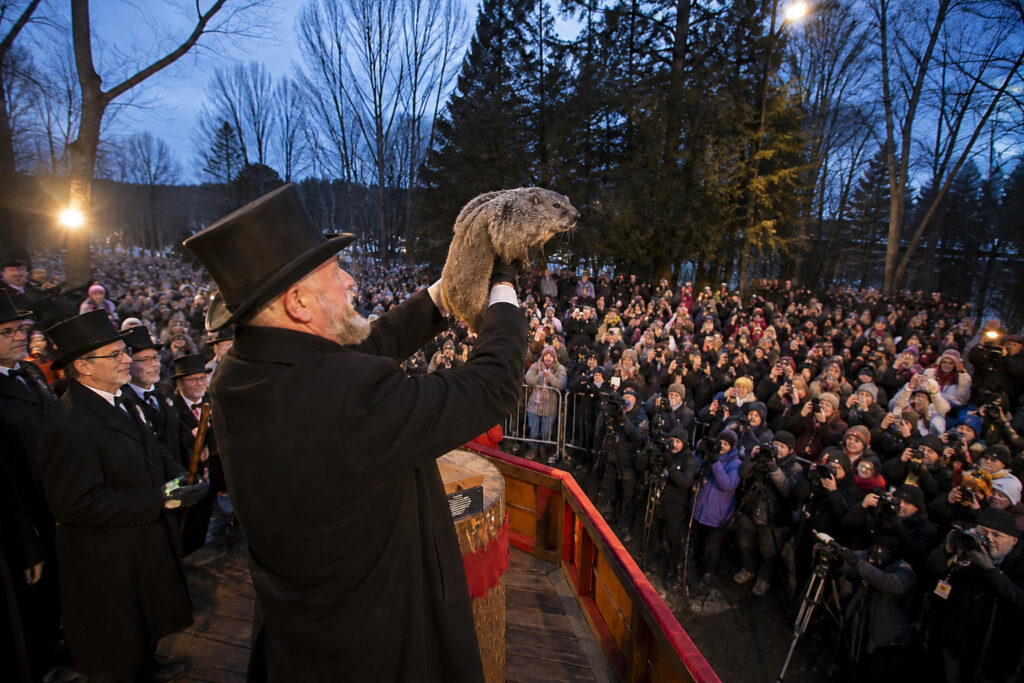
Groundhog Day is one of North America’s most famous and unusual traditions. Every year on February 2, people gather to watch a groundhog emerge from its burrow and “predict” whether there will be six more weeks of winter or an early spring.
Although the tradition is based on folklore rather than science, it has become a beloved cultural celebration that attracts thousands of visitors and millions of viewers around the world.
History of the Tradition
Groundhog Day has its roots in both European folklore and Christian tradition.
Candlemas
The tradition is connected to Candlemas, a Christian feast celebrated on February 2. In parts of Europe, people believed that clear weather on this day meant winter would last longer, while cloudy weather signaled an early spring.
German Influence
German immigrants brought this belief to Pennsylvania during the 18th century. In Germany, people looked to animals such as badgers or hedgehogs for signs of the coming weather. Since those animals weren’t common in Pennsylvania, they chose the groundhog instead, as it was plentiful in the region.
The first official Groundhog Day celebration in Punxsutawney, Pennsylvania, was held in 1887.
Who Is Punxsutawney Phil?

Punxsutawney Phil is the world’s most famous weather-predicting groundhog. According to local tradition, Phil has been making predictions since 1887. He is cared for by members of the Inner Circle, who wear black suits and top hats during the ceremony. They also jokingly claim that Phil drinks a special “groundhog punch” that keeps him alive for generations. In reality, different groundhogs have represented “Phil” over the years.
Is the Prediction Accurate?
Not really. Scientific studies have found that a groundhog’s prediction is not a reliable way to forecast the weather. Over the years, Phil’s long-term accuracy has generally been estimated to be well below 50%, meaning his predictions are often no better than chance. Even so, people continue to enjoy Groundhog Day as a fun cultural tradition rather than a scientific weather forecast.
9. Kanamara Matsuri
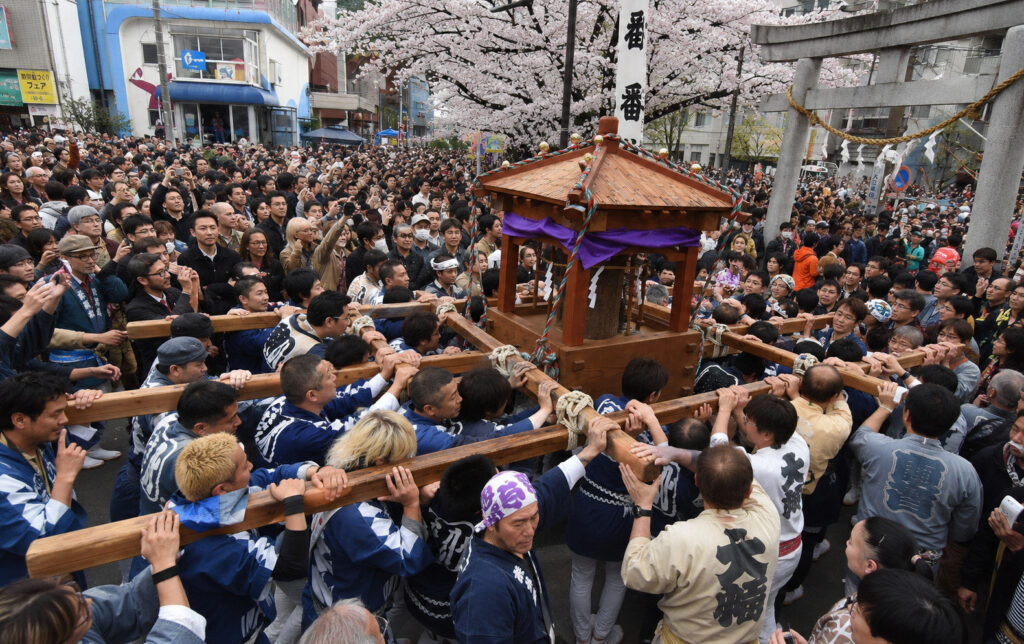
Kanamara Matsuri, often called the “Festival of the Steel Phallus,” is one of Japan’s most unusual and well-known festivals. Despite its surprising theme, the festival is much more than a novelty or a source of humor. It has deep historical roots and is associated with fertility, marriage, safe childbirth, prosperity, and protection from sexually transmitted infections (STIs).
Today, it is both a traditional Shinto festival and a popular tourist attraction, drawing thousands of visitors from around the world each year.
History of the Festival
The festival’s origins date back several centuries. According to a local legend, a demon fell in love with a young woman and hid inside her body. Whenever she tried to marry, the demon bit off the genitals of her husbands on their wedding nights. To end the curse, a blacksmith forged a steel phallus. When the demon bit it, its teeth broke, freeing the woman from the curse.
Over time, the steel object became a symbol of protection, fertility, good fortune, and safe childbirth. Although this story is a legend rather than a verified historical event, it remains an important part of the shrine’s traditions.
What Happens During the Festival?
The celebration usually includes religious ceremonies at the shrine, a colorful parade featuring beautifully decorated portable shrines (mikoshi), traditional music and cultural performances, food stalls, local vendors, and festival-themed souvenirs and sweets. The parade is the highlight of the festival, attracting thousands of spectators and visitors every year.
10. Polterabend
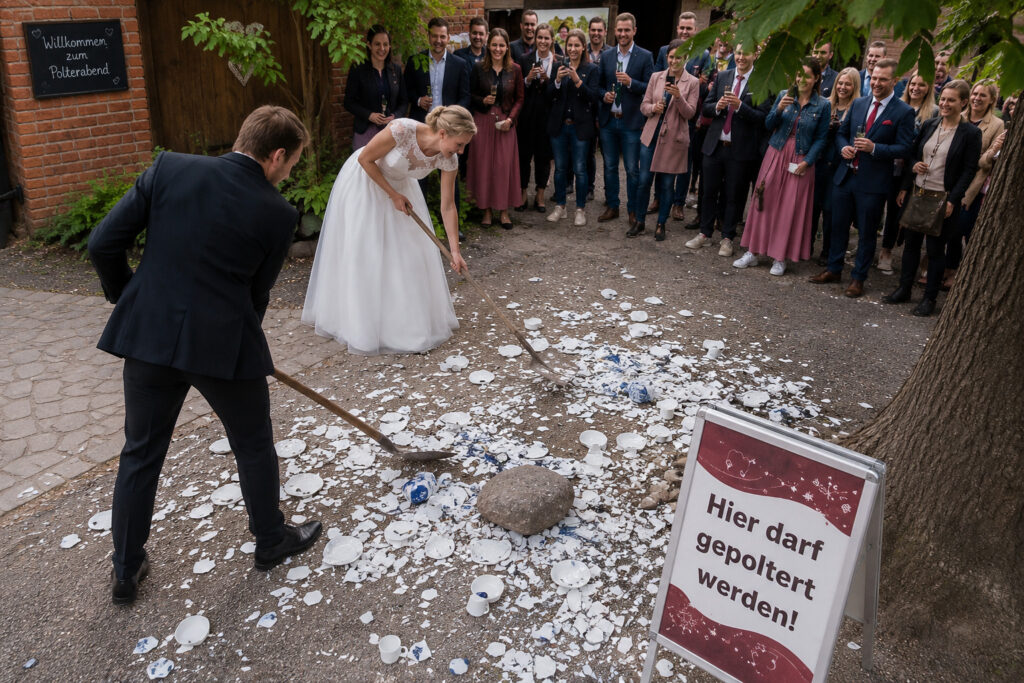
Polterabend is a traditional German pre-wedding celebration in which family, friends, and neighbors gather to break porcelain dishes for good luck. After the smashing is over, the bride and groom clean up the broken pieces together, symbolizing teamwork, cooperation, and a strong partnership in marriage.
Despite the noisy celebration, glass is traditionally not broken, as it is believed to bring bad luck.
History of the Tradition
The tradition dates back several centuries and has its roots in German folklore. The name comes from two German words: poltern, meaning “to make a loud noise,” and Abend, meaning “evening.”
People once believed that loud noises could scare away evil spirits and bad luck before important life events such as weddings. Breaking porcelain became a symbolic way to create that protective noise while also wishing the couple happiness, good fortune, and a successful marriage.
Why Isn’t Glass Broken?
One of the most important rules of Polterabend is never to break glass. According to tradition, porcelain is believed to bring good luck, while glass symbolizes happiness and should remain unbroken. Mirrors are also generally avoided because breaking them is considered a sign of bad luck.
Is It Still Celebrated Today?
Yes. Many couples in Germany still celebrate Polterabend, although modern celebrations are often smaller or adapted to local customs and personal preferences. Some people also choose more environmentally friendly versions by using old or unwanted porcelain instead of buying new dishes just to break them.
11. World Worm Charming Championships
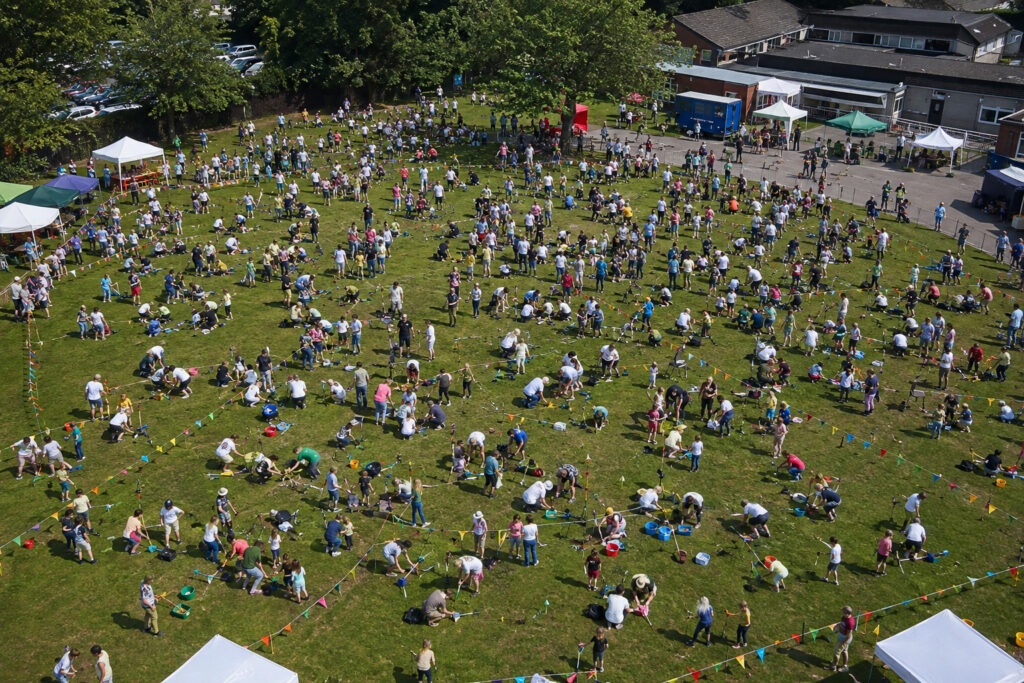
World Worm Charming Championships is one of the world’s most unusual and entertaining competitions. Every year, participants compete to attract as many earthworms as possible out of the ground within a set time—without digging.
Held in the English village of Willaston, the event combines friendly competition, creativity, and environmental education. It has become one of the United Kingdom’s most famous quirky traditions.
History of the Competition
The World Worm Charming Championships began in 1980 after a local school competition inspired by the children’s book The Wonderful Adventures of Nils, which mentions attracting worms from the ground. The idea quickly caught on, and the event soon grew into an annual international competition. Today, it is one of Cheshire’s best-known community events.
How Does the Competition Work?
The competition follows a few simple rules. Each competitor is given a 10 × 10 foot (about 3 × 3 meter) plot of grass and has 30 minutes to attract as many worms as possible. Digging is not allowed. Any worms that come to the surface are carefully collected in containers, counted by officials at the end of the contest, and then safely returned to the ground.
How Do People Attract the Worms?
Competitors use a variety of creative methods to encourage worms to surface. Popular techniques include tapping the ground with sticks, rubbing metal rods or garden forks to create vibrations, playing musical instruments, dancing or gently stamping on the ground, and using homemade vibrating devices where the rules allow. The goal is to create vibrations that encourage the worms to move toward the surface.
World Record
One of the competition’s most famous records was reportedly set in 1980, when Tom Shufflebotham charmed 511 worms in just 30 minutes. This impressive achievement remains one of the best-known records in the event’s history.
12. Boryeong Mud Festival
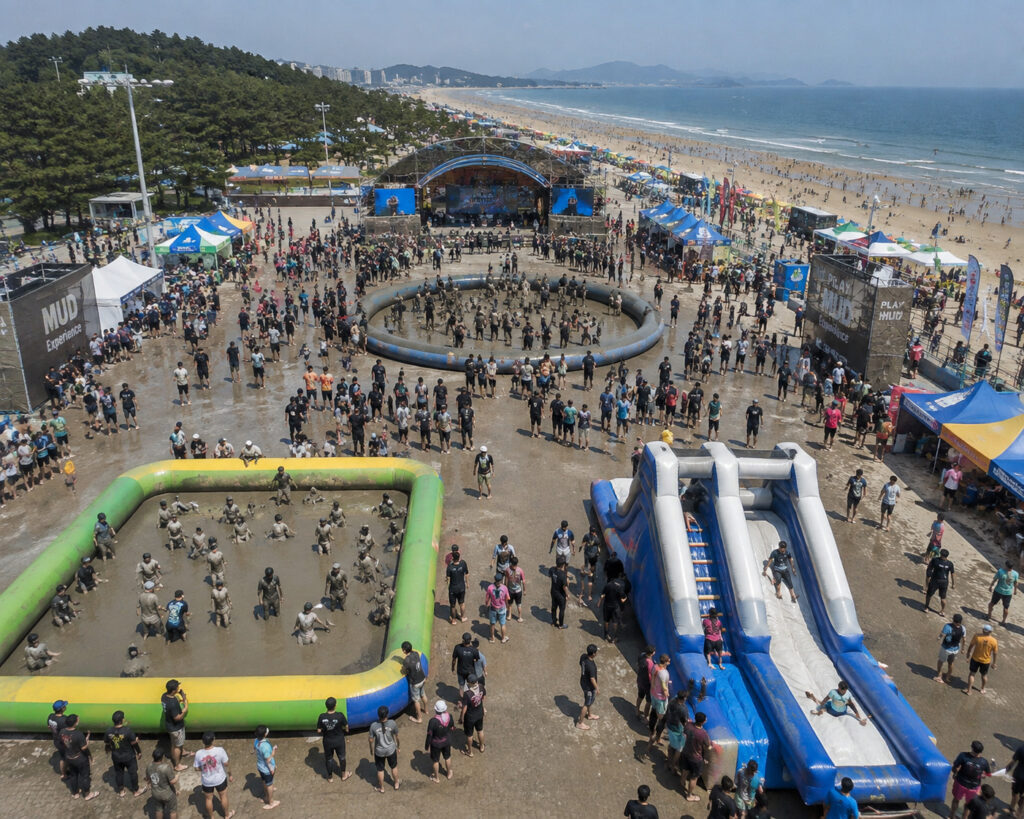
Boryeong Mud Festival is one of South Korea’s most famous and exciting summer festivals. Every year, millions of visitors gather to play in giant mud pits, race through muddy obstacle courses, slide down mud slides, and enjoy live concerts on the beach. What started as a marketing campaign for mud-based skincare products has grown into one of the world’s largest and most popular mud festivals.
History of the Festival
The festival was first held in 1998. Interestingly, it wasn’t originally created as a cultural tradition. Instead, local officials launched it to promote Boryeong’s mud cosmetics after discovering that the area’s mineral-rich mud was ideal for skincare products.
The first festival lasted just four days, but it was such a success that it quickly grew into an internationally recognized event, attracting visitors from around the world every year.
Why Is the Mud Special?
The mud used during the festival comes from the tidal flats around Boryeong. It is rich in minerals that are commonly used in cosmetic products and is promoted for its skincare benefits, including cleansing, exfoliating, and helping the skin feel smoother.
What Happens During the Festival?
Visitors can enjoy a wide variety of fun activities, including sliding down giant mud slides, wrestling in mud pits, climbing muddy obstacle courses, receiving mud massages, joining mud painting sessions, watching K-pop concerts and DJ performances, and ending the day with fireworks and beach parties. The festival offers a lively mix of sports, entertainment, and relaxation by the sea.
Is It Safe?
Yes. The festival is professionally organized, and safety is a top priority. Organizers provide lifeguards and first-aid stations, clearly supervised activity zones, separate areas for families and children, regular safety inspections of equipment, and staff members who are always available to assist visitors.
13. Up Helly Aa
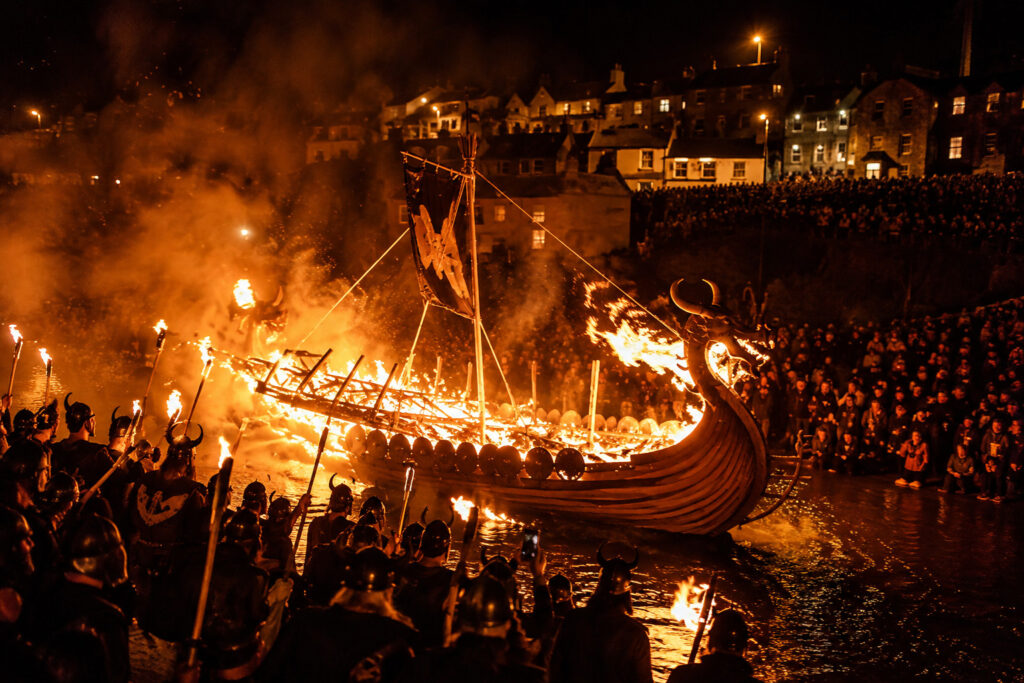
Up Helly Aa is one of Scotland’s most spectacular winter festivals. Every year, thousands of people gather in the town of Lerwick to celebrate Shetland’s Viking heritage with a dramatic torchlight procession and the burning of a replica Viking longship. Known for its impressive costumes, fiery parade, and strong community spirit, Up Helly Aa is considered one of the world’s most famous fire festivals.
History of the Festival
The modern festival began in 1881, although its roots go back to older midwinter celebrations. During the 19th century, young people in Lerwick marked the end of the Christmas season with bonfires, tar barrels, and fireworks.
Over time, local organizers turned these sometimes-chaotic celebrations into a well-organized community festival. Because Shetland has a strong Norse heritage dating back to the Viking Age, the event gradually adopted Viking themes, making the torchlight procession and the burning of the longship its most iconic traditions.
Who Is the Guizer Jarl?
The Guizer Jarl is the ceremonial leader of the festival. Each year, a different local resident is chosen for this important role. Dressed in an elaborate Viking costume—often inspired by a famous Norse figure—they lead the Jarl Squad, the festival’s main group of Viking-costumed participants. Preparing the costume and organizing the squad usually takes months of planning.
Why Is the Longship Burned?
The burning of the replica Viking longship is the highlight of the festival. It symbolizes Shetland’s Norse heritage, brings the community together, and marks the end of the outdoor celebrations. The ship is specially built for the event each year and is meant to be burned as part of this long-standing tradition.
14. Frozen Dead Guy Days
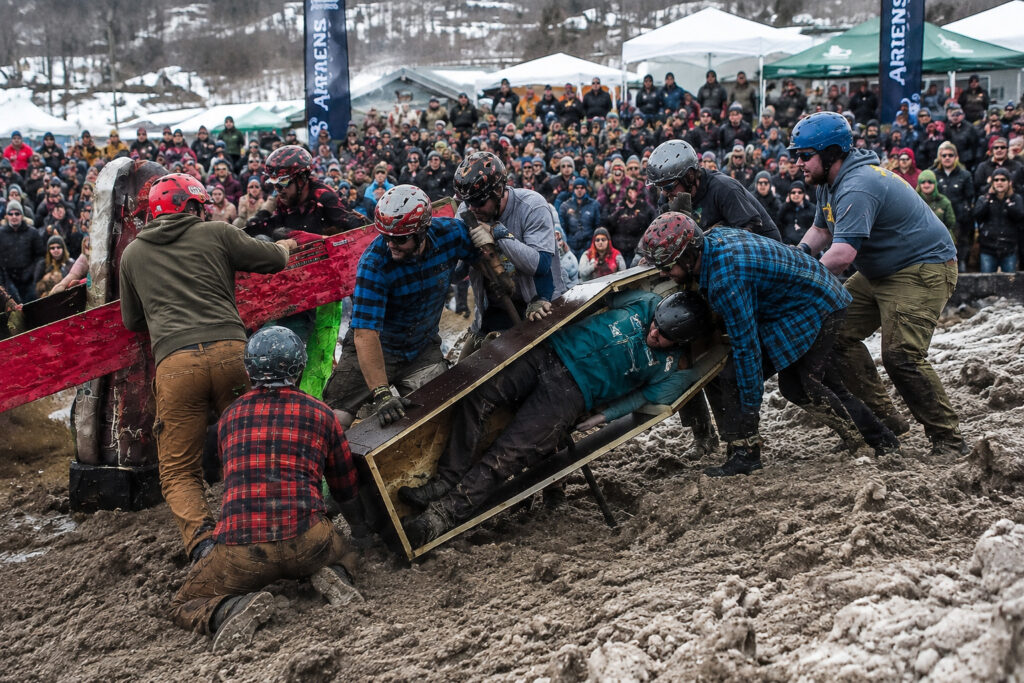
Frozen Dead Guy Days is one of America’s strangest and most entertaining festivals. It celebrates the unusual true story of Bredo Morstøl, affectionately known as “Grandpa Bredo,” whose body was kept frozen in Colorado for decades in the hope that future technology might one day bring him back to life.
What started as a quirky local celebration has grown into an internationally known festival featuring coffin races, costume contests, live music, icy challenges, and plenty of dark humor.
The Story Behind the Festival
The festival’s origins are stranger than fiction. In 1989, Norwegian citizen Bredo Morstøl died. His grandson, Trygve Bauge, believed that future science might one day be able to revive him. Bredo’s body was first frozen in Norway, then transported to California for cryonic storage, and finally moved in 1993 to a small shed behind a house in Nederland, Colorado.
After Trygve was deported from the United States for overstaying his visa, his mother continued caring for Bredo’s frozen body by regularly packing it with dry ice. When local authorities discovered the unusual situation, they passed laws banning the storage of human remains on private property. However, because Bredo’s body had already been there before the law was introduced, it was allowed to remain under a legal exception—often described as being “grandfathered in.”
How Did the Festival Begin?
In 2002, the people of Nederland decided to embrace their town’s unusual claim to fame. Instead of ignoring the story, they created a fun community festival celebrating “Grandpa Bredo.” Over the years, the event has grown into one of Colorado’s best-known quirky festivals, attracting thousands of visitors every year.
What Happens During the Festival?
The festival features a variety of fun and unusual activities, including:
- Coffin Races – Teams race through an obstacle course while carrying a teammate in a decorated coffin.
- Polar Plunge – Participants jump into icy water.
- Hearse Parade – Decorated hearses parade through the town.
- Costume Contests – Many visitors dress as zombies, skeletons, or other frozen-themed characters.
- Live Music – Bands perform throughout the festival.
- Food and Craft Vendors – Local businesses sell food, drinks, handmade crafts, and souvenirs.
These unique events have become the festival’s biggest attractions and are a big part of what makes Frozen Dead Guy Days so memorable.
15. Takanakuy Festival
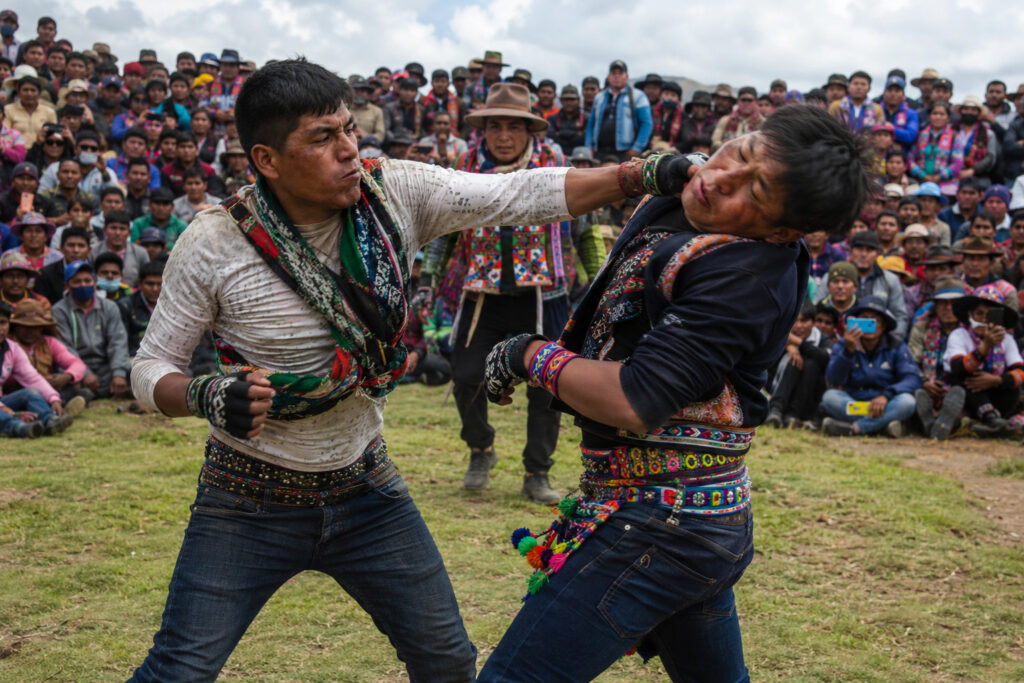
Takanakuy is one of the world’s most unusual and fascinating traditions. Held every December 25 (Christmas Day) in the Peruvian Andes, it is a festival where community members settle personal disputes through organized, one-on-one fistfights. After the fight, opponents shake hands or hug, leaving their disagreements behind and starting the new year with a clean slate.
The name “Takanakuy” comes from the Quechua language and means “to hit each other” or “to strike one another.”
History of the Tradition
Takanakuy has been practiced for generations by Indigenous Quechua communities in the Peruvian Andes. Historians believe the tradition developed as a community-based way of resolving conflicts in remote mountain villages, where access to formal courts or legal systems was limited. Instead of allowing disputes to continue, people settled their differences publicly once a year before entering the new year with renewed peace and harmony.
Rules of the Fight
Although the fights are real, they follow traditional rules designed to reduce the risk of serious injury. Common rules include:
- One-on-one fights only.
- Referees supervise every match.
- No biting.
- No pulling hair.
- No attacking an opponent who has fallen.
- Fighters must stop immediately when the referee intervenes.
- Opponents shake hands or hug after the fight.
These rules help ensure the event remains a ritual of reconciliation rather than uncontrolled violence.
Traditional Clothing and Music
Before the fighting begins, many participants wear colorful traditional clothing inspired by local Andean culture. The celebration also features Huaylía music and dance, performed by local musicians and singers throughout the event. The music and dancing are considered just as important as the fights, creating a lively and festive atmosphere.
Is It Safe?
Compared with ordinary street fights, Takanakuy is much more organized. Matches are supervised by referees, community members help maintain order, and clear rules are enforced throughout the event. Even so, because participants exchange real punches and kicks, injuries such as bruises, cuts, and occasionally more serious injuries can still happen.
16. Burning of the Clocks
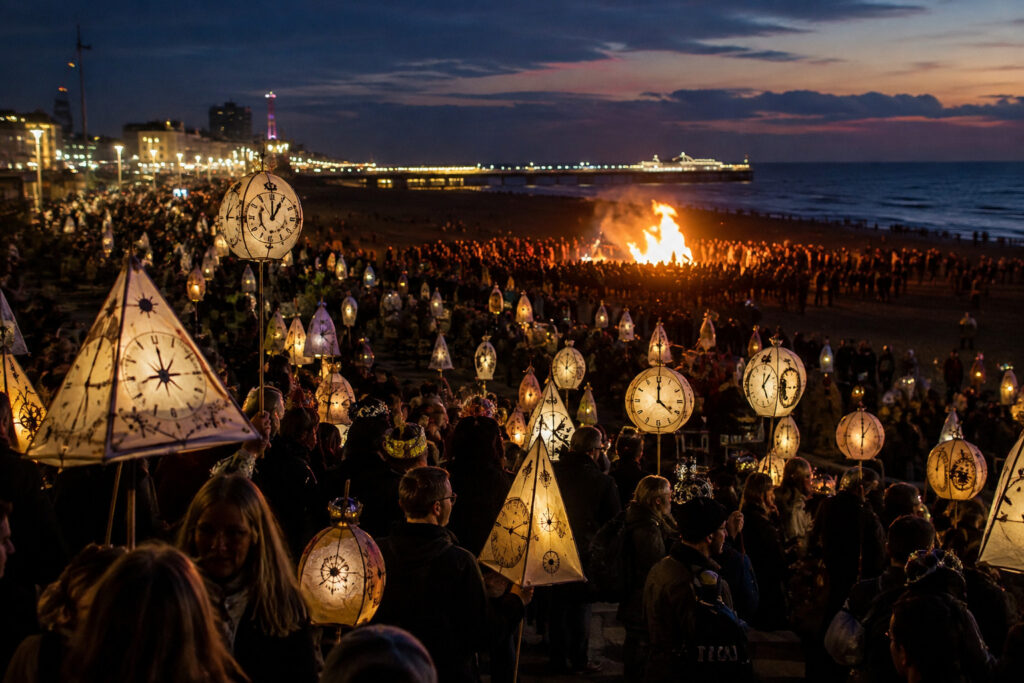
Burning of the Clocks is a unique winter festival held every year in Brighton, England. Unlike traditional Christmas celebrations, this event marks the winter solstice—the shortest day and longest night of the year—with a lantern parade and the ceremonial burning of a giant clock sculpture.
The festival encourages people to reflect on the passing year, let go of the past, and welcome the return of longer days. It has become one of the United Kingdom’s most creative and symbolic winter celebrations.
History of the Festival
The festival was first held in 1994. It was created by Same Sky, a local arts organization, as a non-commercial alternative to the busy Christmas season. The goal was to bring the community together to celebrate the winter solstice through art, creativity, and togetherness rather than shopping or gift-giving. Since then, it has become one of Brighton’s best-known annual traditions.
What Happens During the Festival?
The celebration follows a well-planned schedule. Participants begin by creating handmade lanterns using paper and willow before thousands of people gather ahead of sunset. As darkness falls, a lantern parade winds through the streets of Brighton, accompanied by musicians, performers, and artists.
The procession ends at Brighton Beach, where a giant clock sculpture is ceremonially set on fire. Fireworks often bring the evening to a spectacular close. The burning of the clock symbolizes letting go of the past and welcoming a new beginning.
The Lanterns
One of the festival’s most memorable traditions is the lantern parade. Participants—including children, families, schools, and community groups—create their own lanterns, often decorated with stars, moons, animals, clocks, nature-inspired designs, and personal artwork or messages. Every lantern is unique, turning the parade into a colorful celebration of creativity and community spirit.
17. Hadaka Matsuri
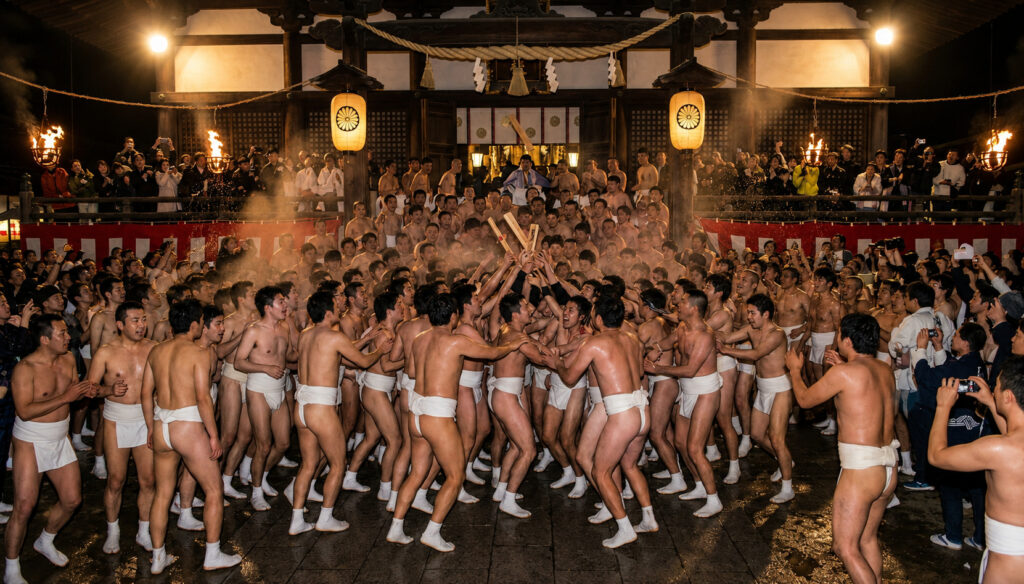
Hadaka Matsuri (Japanese: 裸祭り, meaning “Naked Festival”) is one of Japan’s oldest and most famous traditional festivals. Every year, thousands of men wearing only a fundoshi (a traditional Japanese loincloth) and white socks gather at temples to compete for sacred objects believed to bring good luck, prosperity, and happiness.
Although it is popularly known as the “Naked Festival,” participants are not completely naked. They traditionally wear a fundoshi, and at some festivals they may also wear a short jacket, depending on the weather and local customs.
History of the Festival
The origins of Hadaka Matsuri date back more than 500 years. According to tradition, worshippers once received paper talismans directly from priests as blessings. As the crowds grew larger, priests began throwing the talismans into the crowd instead. People eagerly competed to catch them because they believed the talismans would bring good luck.
Over time, this tradition evolved into today’s energetic festival, where sacred wooden sticks called shingi have replaced the original paper talismans.
How Does the Festival Work?
The celebration follows a series of traditional rituals. Participants first purify themselves with cold water before gathering inside the temple grounds. When the time comes, the temple lights are dimmed, and priests throw the sacred shingi (wooden sticks) into the crowd.
Thousands of participants then struggle to catch the sticks. According to tradition, whoever successfully secures a shingi is believed to receive good fortune and prosperity for the coming year. Although the competition is intense, it follows long-established customs and traditions.
What Are the Sacred Sticks?
The sacred objects are called shingi. Each year, only a small number of these wooden sticks are thrown into the crowd, and thousands of participants compete to retrieve them. According to tradition, the person who successfully claims a shingi is believed to enjoy exceptional luck, prosperity, and happiness throughout the coming year.
18. Battle of the Oranges
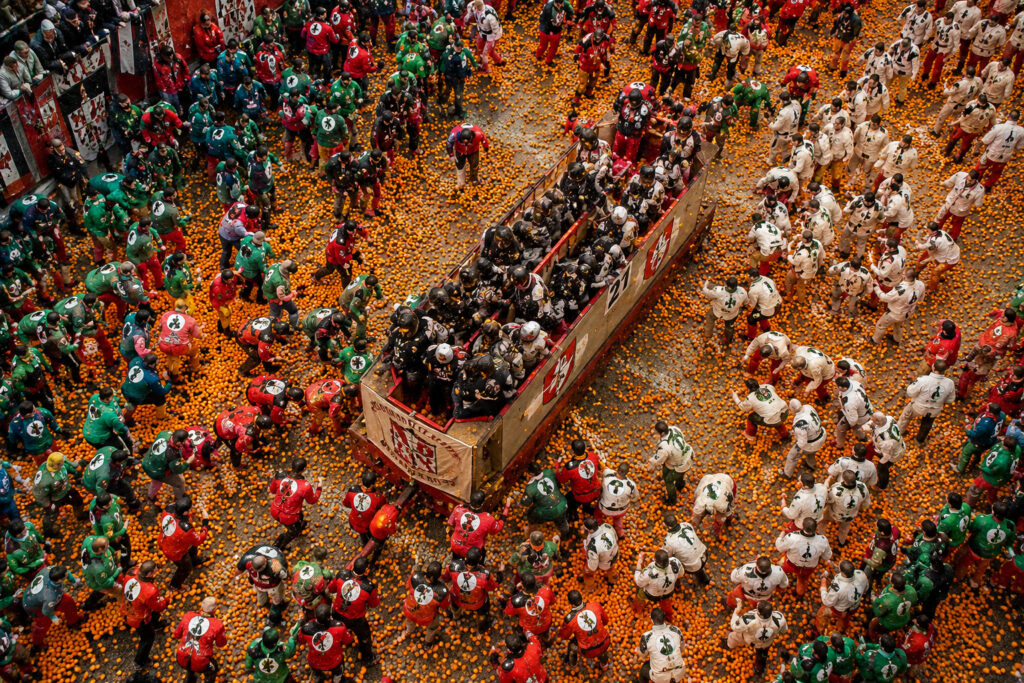
The Battle of the Oranges is one of Italy’s most exciting and unusual festivals. Every year, the historic town of Ivrea transforms into a giant battlefield where thousands of participants throw oranges at one another in a symbolic reenactment of a medieval rebellion.
Although it looks like a massive food fight, the festival actually celebrates freedom, resistance against tyranny, and the town’s rich history.
History of the Festival
The modern orange battle dates back to the early 19th century, but it is inspired by a much older local legend. According to tradition, a tyrannical ruler demanded the right to spend the first night with every newly married bride. A young miller’s daughter named Violetta refused, killed the ruler, and sparked a popular uprising. The townspeople then stormed the ruler’s castle and won their freedom.
Although historians debate whether this story is historically accurate, it remains the symbolic legend behind the festival.
Why Are Oranges Used?
Interestingly, oranges do not grow in Ivrea. During earlier Carnival celebrations, people threw beans, apples, and other objects. By the 19th century, oranges had become the preferred choice because they were easily transported from southern Italy and were better suited for large public celebrations. Today, hundreds of tons of oranges are brought to Ivrea specifically for the festival.
How Does the Battle Work?
The festival lasts three days and follows a well-organized format. Teams gather in their designated town squares while horse-drawn carts representing the ruler’s soldiers enter the streets. Foot teams throw oranges at the carts, and the people on the carts throw oranges back, creating a lively and colorful battle.
At the end of the festival, judges evaluate the teams based on courage, enthusiasm, strategy, and sportsmanship before announcing the winners after the Carnival concludes.
The Nine Foot Teams
Participants on foot belong to one of nine official teams, each with its own uniform, colors, traditions, flags, and loyal supporters. Many local residents spend months preparing for the event, making it one of Ivrea’s most important annual celebrations.
19. Krampus Night
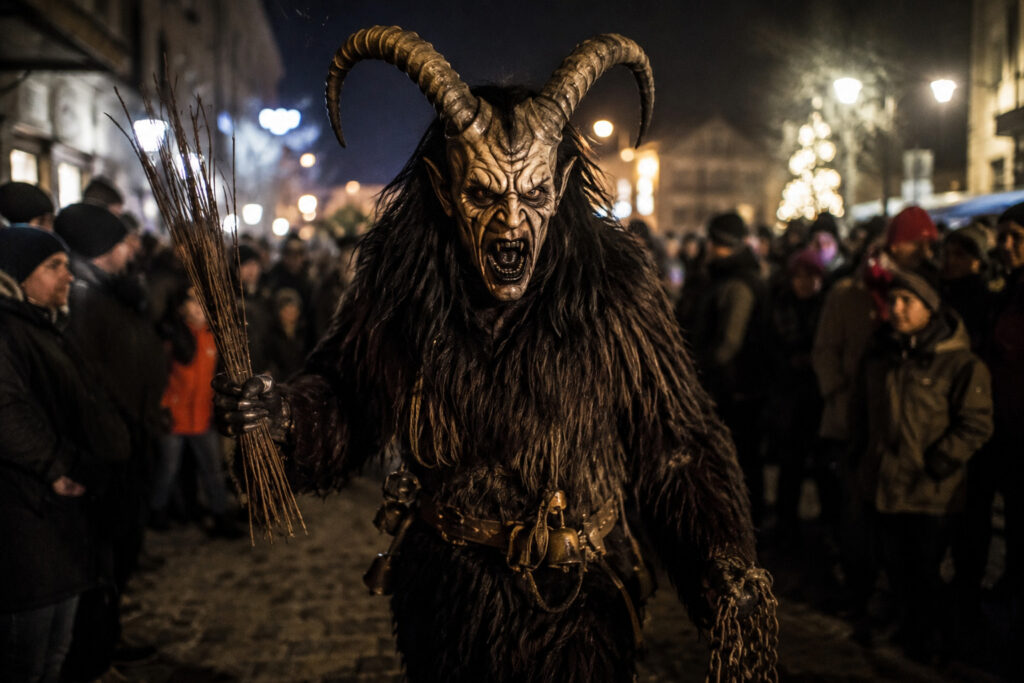
Krampus Night, known in German as Krampusnacht, is one of Europe’s most famous and eerie Christmas traditions. Celebrated on the evening of December 5, it features people dressed as Krampus—a horned, devil-like figure from Alpine folklore—who roam the streets during lively parades.
Although the costumes can look frightening, today’s celebrations are mainly cultural festivals that preserve centuries-old folklore rather than promote fear.
History of the Tradition
The exact origins of Krampus are unknown, but historians believe the character predates Christianity and may have its roots in pre-Christian Alpine folklore. As Christianity spread throughout the region, Krampus became associated with Saint Nicholas, creating a tradition in which Saint Nicholas represented kindness and generosity, while Krampus symbolized punishment for bad behavior.
Over the centuries, the custom gradually evolved into the colorful parades and community celebrations held today.
What Happens During Krampus Night?
The celebration usually includes people dressing in handmade Krampus costumes and wearing elaborately carved wooden masks. Krampus performers march through the streets while the sound of cowbells and chains fills the air, creating a dramatic atmosphere.
Crowds gather to watch the parade, and many towns also host food stalls, live music, and Christmas markets. In some places, Saint Nicholas appears alongside Krampus, highlighting the traditional contrast between rewarding good behavior and punishing bad behavior.
20. Herring Tossing Festival
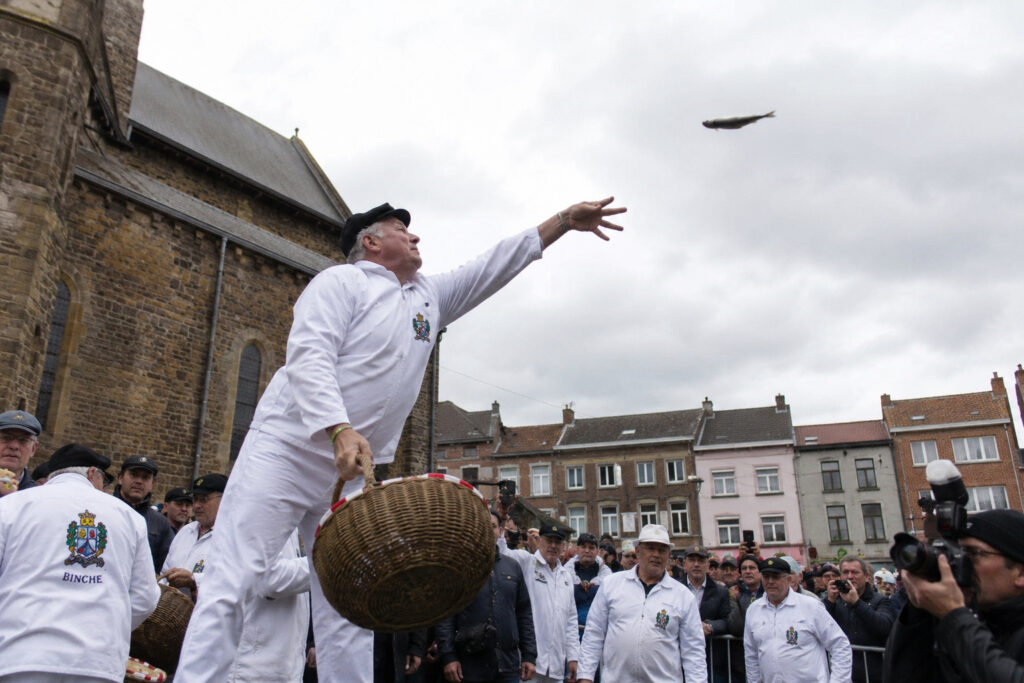
The Herring Tossing Festival is one of Belgium’s most unusual traditions. Every year in the historic town of Geraardsbergen, the town’s mayor throws small herrings into the crowd from the top of a hill while spectators eagerly try to catch them.
Although it may seem like a quirky food fight, the tradition is actually part of the much older Krakelingen and Tonnekensbrand festival, which celebrates local history, prosperity, and the arrival of spring.
History of the Tradition
The Herring Tossing Festival is one of the highlights of the Krakelingen and Tonnekensbrand celebrations, whose origins date back hundreds of years to the Middle Ages. The festival blends Christian traditions, pre-Christian spring rituals, local folklore, and historical ceremonies into a unique cultural celebration.
In 2010, Krakelingen and Tonnekensbrand was added to UNESCO’s Representative List of the Intangible Cultural Heritage of Humanity, recognizing its cultural and historical importance.
What Happens During the Festival?
The celebration features several long-standing traditions. It begins with a historical procession through the town, followed by the Krakelingen bread ceremony, where ring-shaped breads are blessed and distributed. One of the festival’s most popular moments comes when the mayor throws small herrings into the crowd from the top of the hill.
Throughout the day, people enjoy live music, traditional performances, and local food. After sunset, the Tonnekensbrand bonfire is lit on the hill, symbolizing the end of winter and welcoming the arrival of spring. Together, these traditions make it one of Belgium’s most distinctive annual festivals.
Final Thoughts
The world’s weirdest traditions remind us that every culture has its own unique way of celebrating history, beliefs, and community. What may seem strange to one person is often a meaningful tradition that has been passed down through generations. From babies being jumped over in Spain to orange battles in Italy and monkey feasts in Thailand, these fascinating customs showcase the incredible diversity of cultures around the world.
Travel isn’t just about visiting famous landmarks—it’s also about experiencing the traditions that make each destination truly special. Whether you’re planning your next trip or simply exploring the world from home, these remarkable festivals and customs offer a deeper understanding of different cultures and the people who keep these traditions alive.