Introduction: Why Mexican Food Culture is World-Famous
Mexican food is not just cuisine—it’s a living cultural identity shaped by thousands of years of history, tradition, and community. Recognized by UNESCO as an Intangible Cultural Heritage of Humanity, Mexican cuisine represents far more than recipes—it reflects rituals, farming traditions, and social connections. From street tacos to complex mole sauces, every dish tells a story of indigenous roots, colonial influence, and modern creativity. If you truly want to understand Mexico, you must understand its food.
A. The Origins of Mexican Food Culture
1. Pre-Hispanic Foundations:
Mexican cuisine dates back to ancient civilizations like the Maya and Aztecs. These cultures built their diet around three core ingredients:
- Corn (maize)
- Beans
- Chili peppers
These staples are still the backbone of Mexican cuisine today. Ancient cooking techniques like nixtamalization (processing corn with lime) improved nutrition and are still used to make tortillas and tamales. Food wasn’t just for eating—it had spiritual and ritual significance, often used in ceremonies and offerings.
2. Spanish Influence & Fusion:
When the Spanish arrived in the 16th century, they introduced:
- Meat (beef, pork, chicken)
- Dairy products (cheese, milk)
- Wheat and rice
- New spices and herbs
This created a fusion cuisine, blending indigenous and European elements—resulting in what we now call modern Mexican food.
B. Core Ingredients of Mexican Cuisine
Mexican food is built on simple but powerful ingredients:
1. Corn (Maize)
- The heart of Mexican cuisine
- Used in tortillas, tamales, tacos
- Cultural saying: “Without corn, there is no country“
2. Chili Peppers
- Over 60 varieties
- Adds flavor, not just heat
- Used in sauces like salsa and mole
3. Beans
- Everyday protein source
- Used in refried beans, soups, and sides
4. Tomatoes & Tomatillos
- Base of many sauces and stews
5. Avocados
- Used in guacamole
- Native to Mexico
6. Cacao (Chocolate)
- Originated in Mexico
- Used in traditional dishes like mole
C. Iconic Mexican Dishes You Must Know
1. Tacos – The Global Icon
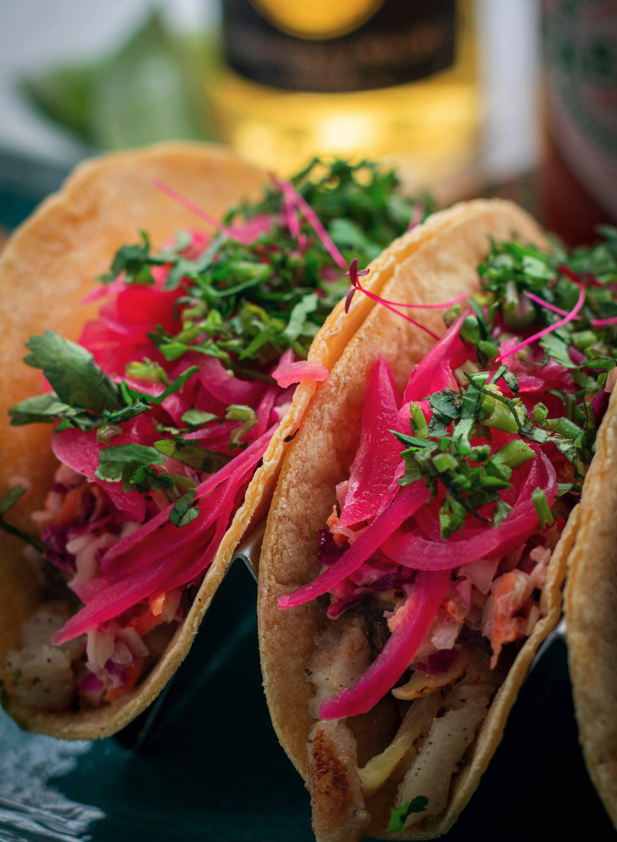
Simple, authentic, and incredibly diverse.
- Soft corn tortilla
- Filled with meat, beans, or vegetables
- Topped with salsa, onions, cilantro
Each region has its own version.
2. Tamales – Ancient & Communal
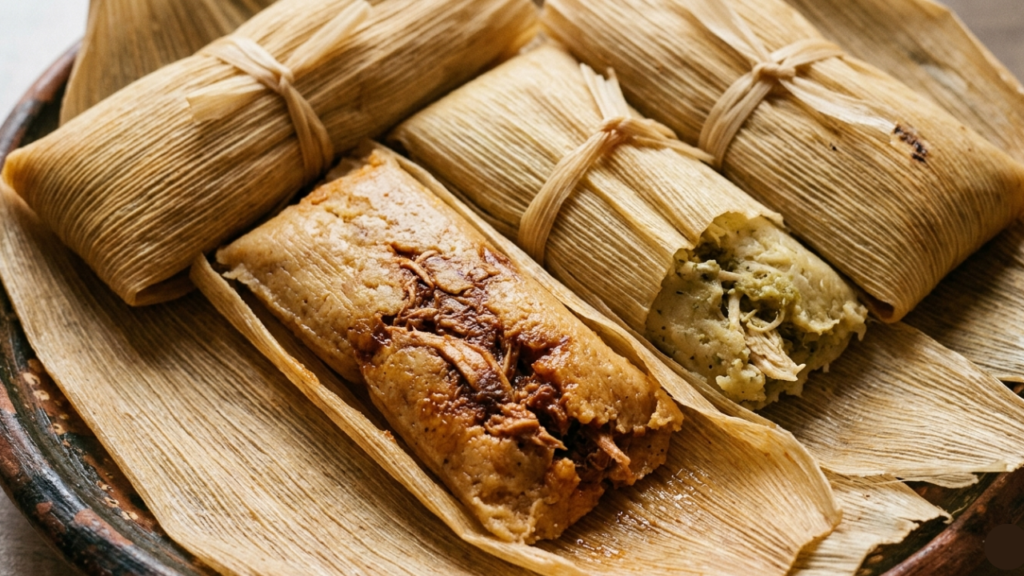
- Made from masa (corn dough)
- Filled with meat, cheese, or sweet fillings
- Wrapped in corn husks or banana leaves
Tamales are often made during family gatherings and festivals, making them deeply cultural.
3. Mole – The Soul of Mexico
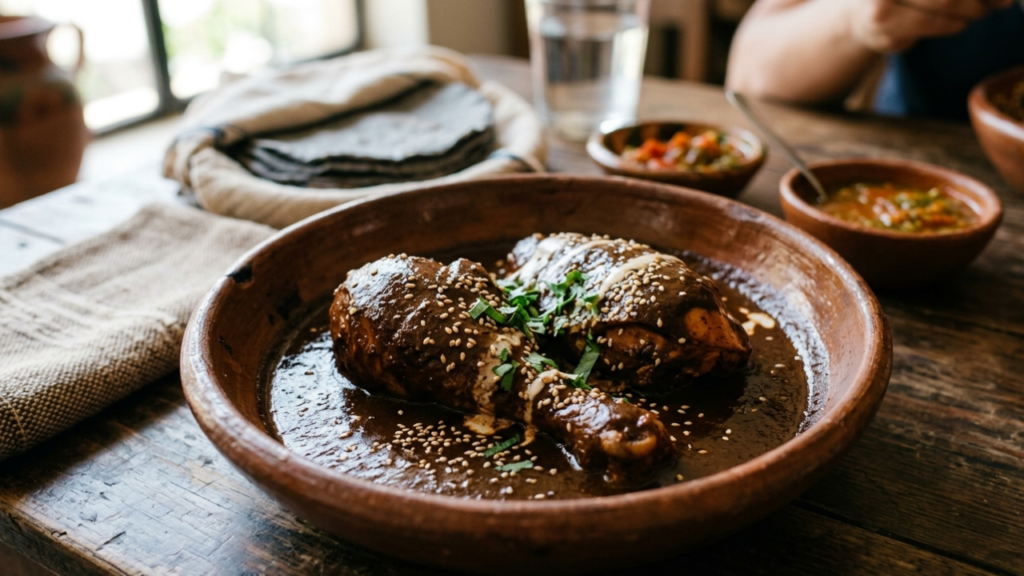
- Complex sauce with 20–100 ingredients
- Includes chili, chocolate, spices, nuts
- Takes hours or even days to prepare
Often served at weddings and special occasions.
4. Pozole – Traditional Soup
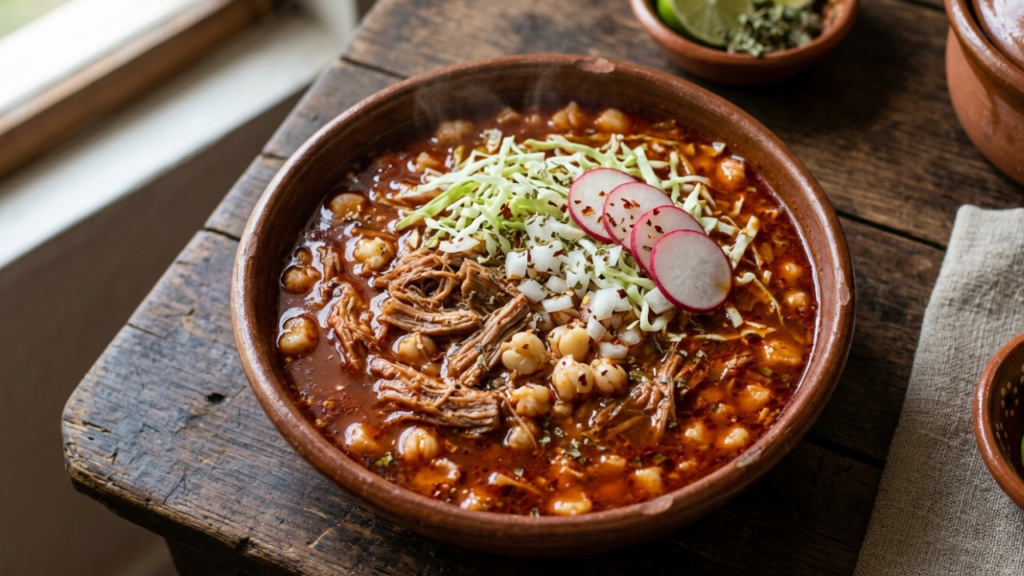
- Made with hominy (corn), meat, and spices
- Often served during celebrations
5. Guacamole
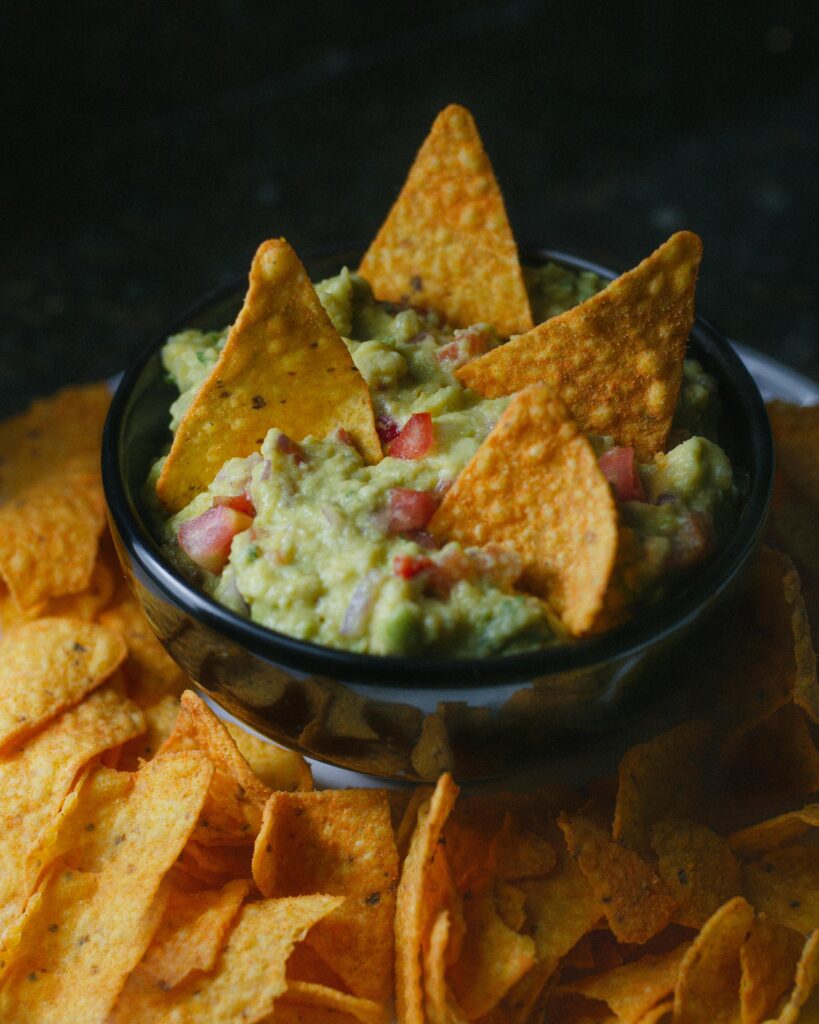
- Simple mix of avocado, lime, salt, chili
- One of the most loved Mexican dishes worldwide
D. Regional Diversity of Mexican Food
Mexico has 31 states, each with unique flavors:
1. Oaxaca – The Culinary Capital
- Known for 7 types of mole
- Famous for tlayudas and chapulines
2. Puebla – Rich & Historical Cuisine
- Birthplace of mole poblano
- Known for chiles en nogada
3. Yucatán – Mayan Influence
- Citrus-based flavors
- Famous dish: Cochinita Pibil
4. Veracruz – Coastal Flavors
- Seafood-rich cuisine
- Strong Spanish and Caribbean influence
Mexican food culture is not one cuisine—it’s many cuisines in one country.
E. Street Food Culture in Mexico
Street food is the heart of daily life in Mexico.
Popular street foods include:
- Tacos al pastor
- Elotes (grilled corn)
- Quesadillas
- Tamales
- Churros
Street vendors are not just cooks—they are keepers of tradition, passing recipes through generations.
F. Food & Festivals in Mexico
Food is central to Mexican celebrations:
1. Día de los Muertos (Day of the Dead)
- Offerings include tamales, pan de muerto, and mole
2. Christmas & Holidays
- Families gather to make tamales together
3. Weddings & Religious Events
- Special dishes like mole are served
Food is deeply tied to family, memory, and spirituality.
G. The Social Importance of Food
In Mexico:
- Meals are shared experiences
- Cooking is often a family activity
- Recipes are passed down through generations
Traditional cuisine involves the entire process: farming → harvesting → cooking → eating together
H. Sustainability & Traditional Farming
Mexican food culture is also sustainable:
- Milpa system: growing corn, beans, squash together
- Local and seasonal ingredients
- Minimal food waste
This system has supported communities for centuries.
I. Global Influence of Mexican Cuisine
Mexican food is now global, influencing cuisines worldwide:
- Tacos and burritos are global staples
- Mexican flavors inspire fusion dishes
- Restaurants worldwide celebrate Mexican gastronomy
Yet, authentic Mexican cuisine remains deeply rooted in tradition.
J. Why Mexican Food Culture is Unique
What makes Mexican food special?
- Ancient origins (over 7,000 years old)
- Strong cultural identity
- Regional diversity
- Balance of flavors (spicy, sour, sweet)
- Community-centered cooking
Conclusion:
Mexican food culture is more than just delicious—it is history, identity, and tradition on a plate. From humble street tacos to elaborate mole sauces, every bite reflects centuries of evolution and cultural pride. Whether you’re a traveler, foodie, or blogger, exploring Mexican cuisine means experiencing one of the richest food cultures in the world.