Solo travel is no longer just a trend—it’s a lifestyle. Whether you’re seeking freedom, self-discovery, or adventure, traveling alone can be one of the most transformative experiences of your life. But for beginners, it can also feel overwhelming, intimidating, and even a little scary. This ultimate guide to solo travel tips for beginners will help you plan smarter, stay safe, save money, and actually enjoy your journey—without stress.
What is Solo Travel & Why Should You Try It?
Solo travel simply means exploring a destination on your own terms. You decide everything—where to go, what to eat, and how to spend your time.
It’s popular because:
- You gain complete freedom and flexibility
- It builds confidence and independence
- You learn more about yourself
- No need to match schedules with others
For beginners, it might feel uncomfortable at first—but most travelers say their biggest regret is not starting sooner.
If you want this section to actually rank on Google, it needs to do two things at once: solve a beginner’s fear and match what people are searching for (like “first solo trip where to go” or “safe destinations for solo travelers”). So instead of generic advice, we’ll make it practical, keyword-rich, and engaging.
1. Start Small & Choose the Right Destination
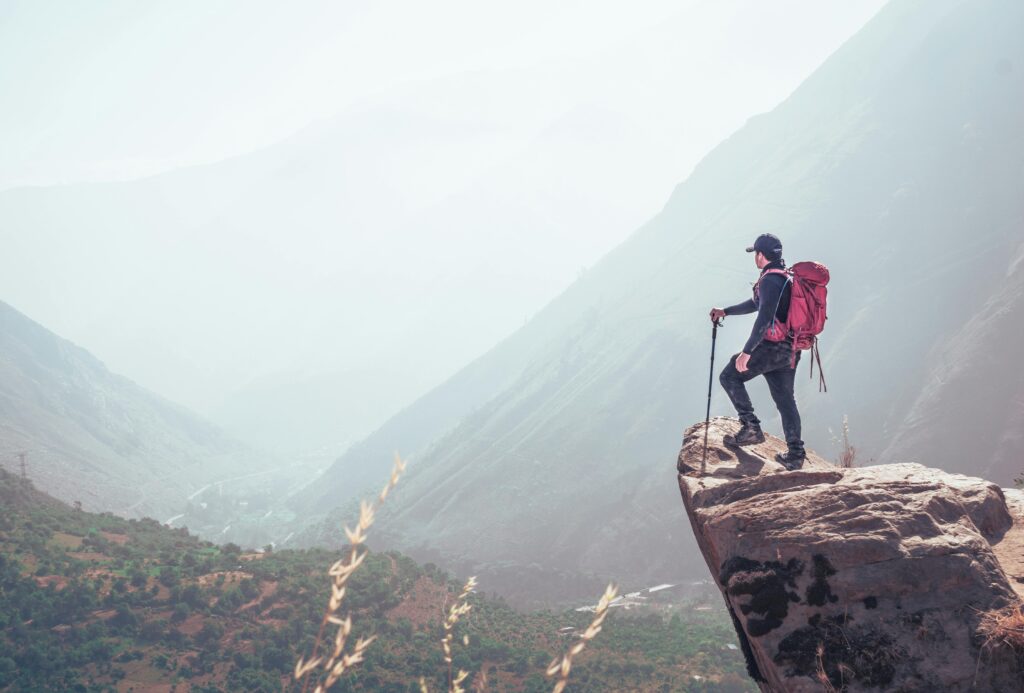
Starting your first solo trip doesn’t require flying across the world or planning a month-long adventure. In fact, the smartest way to begin solo traveling is to start small and choose a destination that matches your comfort level, experience, and expectations. Many beginners make the mistake of going “too big, too fast”—and end up overwhelmed, stressed, or discouraged. The goal of your first solo trip is not to prove anything. It’s to build confidence, learn, and enjoy your independence.
a. Why Starting Small Matters
When you’re traveling alone for the first time, everything is new—navigation, decision-making, safety awareness, and even handling loneliness. Choosing a smaller, simpler trip helps you:
- Build confidence without pressure
- Learn how to manage travel logistics alone
- Reduce the risk of burnout or anxiety
- Enjoy the experience instead of constantly worrying
Think of it as a “test run” for bigger adventures.
b. What Does “Starting Small” Actually Mean?
Starting small doesn’t mean boring—it means manageable.
Here are a few beginner-friendly ways to start:
- Short trips (1–3 days): A weekend getaway is perfect for your first solo experience
- Nearby destinations: Stay within your country or a few hours from home
- Familiar environments: Places where language, culture, or food feels somewhat comfortable
- Well-connected locations: Cities with good transport, internet, and tourist infrastructure
For example, if you are in the United States, you might consider destinations near your home state or across the country, such as:
- The Grand Canyon – calm, scenic, and very tourist-friendly.
- Coastal Beaches – safe, peaceful, and popular options for solo travelers.
- Times Square – vibrant, social, and a high-energy landmark that is easy to navigate on foot.
These places offer a balance of safety, accessibility, and experiences—perfect for beginners.
c. How to Choose the Right Destination for Your First Solo Trip
Not every destination is ideal for a first-time solo traveler. Choosing the right one can make or break your experience.
Here are key factors to consider:
Safety Should Be Your Priority:
Look for destinations known for being safe, especially for solo travelers. Research crime rates, local behavior, and tourist reviews.
Tip: Search terms like “is [destination] safe for solo travel” before deciding.
Ease of Navigation:
Choose places where getting around is simple:
- Good public transport
- Walkable areas
- Clear directions and signage
Avoid destinations where transportation is confusing or unreliable for your first trip.
Language Comfort:
If you’re not confident with foreign languages, start with places where:
- English or your native language is commonly spoken
- Communication is easy
This reduces stress and helps you feel more independent.
Budget-Friendly Options:
Your first solo trip shouldn’t drain your finances. Choose destinations where:
- Accommodation is affordable
- Food and transport are reasonably priced
Budget-friendly travel helps you stay relaxed and flexible.
Social Opportunities:
Traveling solo doesn’t mean being alone all the time. Choose destinations where you can meet people:
- Hostels
- Group tours
- Cafes and social spots
For Example: Places like Miami or Chicago are known for their social vibe, making it easier to connect with fellow travelers.
Common Mistakes Beginners Should Avoid
To make your first solo trip smooth, avoid these common errors:
- Choosing a destination that is too remote or difficult to reach
- Planning an overly packed itinerary
- Ignoring safety research
- Traveling too far from home on your first trip
- Expecting perfection instead of learning
Remember, your first trip is about experience, not perfection.
Pro Tip: Match the Destination to Your Personality
This is something most blogs miss—but it matters a lot.
- If you love peace → choose mountains or nature (like The Great Smoky Mountains, North Carolina/Tennessee)
- If you enjoy social vibes → go for beaches or party hubs (like Miami)
- If you prefer culture and history → pick heritage cities (like Philadelphia)
When your destination matches your personality, your solo trip becomes much more enjoyable and less intimidating.
Starting small and choosing the right destination is the foundation of a successful solo travel journey. It’s not about how far you go—it’s about how confidently you begin. Once you complete your first trip,
you’ll realize something powerful: You’re capable of more than you thought. And that’s when real solo travel begins.
2. Plan Smart — But Don’t Overplan

One of the biggest mistakes first-time solo travelers make is going to extremes—either planning nothing at all or planning every minute of the trip. The real key to a smooth and enjoyable solo journey is finding the balance: plan smart, but leave room for flexibility. When you’re traveling alone, you are your own decision-maker. That freedom is powerful—but without a basic plan, it can quickly turn into confusion, stress, or wasted time. At the same time, overplanning can make your trip feel rigid and exhausting instead of exciting.
Why Smart Planning Matters for Solo Travelers
Unlike group travel, where responsibilities are shared, solo travel puts everything on you—from booking accommodation to navigating unfamiliar places. A smart plan helps you:
- Stay organized and confident
- Avoid last-minute panic or poor decisions
- Save money by booking in advance
- Maximize your time at the destination
But here’s the important part: your plan should guide you, not control you.
What You Should Plan in Advance
To travel stress-free, focus on planning the essentials first. These are the non-negotiables:
a. Accommodation:
Always book your first stay in advance. Choose a safe, well-reviewed place in a good location (preferably near main attractions or transport hubs).
b. Transportation:
Plan how you’ll reach your destination and how you’ll get around locally:
- Flights, trains, or buses
- Airport transfers
- Local transport options (metro, taxis, rentals)
Having this sorted reduces uncertainty, especially when you arrive.
c. Basic Itinerary:
Create a rough outline of what you want to do:
- Key attractions
- Must-visit places
- Important experiences
Don’t schedule every hour—just highlight priorities.
d. Budget Planning:
Estimate your daily expenses:
- Stay
- Food
- Transport
- Activities
A clear budget prevents overspending and helps you stay in control.
Why You Should Not Overplan
Overplanning is just as risky as underplanning—especially for beginners.
Here’s why:
- It removes spontaneity (one of the best parts of solo travel)
- It creates pressure to “stick to the schedule”
- It leaves no room for unexpected discoveries
- It can turn your trip into a checklist instead of an experience
Imagine discovering a hidden café, a local festival, or meeting amazing people—but skipping it just because “it’s not in your plan.” That’s what overplanning costs you.
The Perfect Balance: Structured Freedom
The best solo travel strategy is what you can call “structured flexibility.”
Here’s how to do it:
- Plan 1–2 key activities per day, not more
- Keep free time for exploration or rest
- Stay open to changing your plans based on mood, weather, or recommendations
- Avoid booking every activity in advance unless necessary
This approach gives you direction without limiting your experience.
Pro Tips for Beginner Solo Travelers
- Use Google Maps offline to avoid getting lost
- Save important locations like your hotel, hospital, and transport hubs
- Keep digital and physical copies of your documents
- Always have a backup plan for transport or accommodation
These small steps make a huge difference when you’re traveling alone.
Common Mistakes to Avoid
- Planning every hour of your day
- Ignoring rest time
- Not checking travel time between places
- Overbooking activities in advance
- Not leaving room for unexpected experiences
Planning smart is about creating a safety net, not a cage. Your itinerary should support your journey—not control it. Solo travel is as much about discovery as it is about freedom. When you allow space for the unplanned moments, that’s where the real magic happens.
Because sometimes, the best parts of your trip…
are the ones you never planned.
3. Book Safe & Social Accommodation

Where you stay can completely shape your first solo travel experience. As a beginner, your accommodation is not just a place to sleep—it’s your safe space, comfort zone, and social hub. That’s why it’s crucial to choose a place that is both secure and socially engaging. Many first-time solo travelers either go too cheap (and compromise safety) or too isolated (and feel lonely). The smart move is to find accommodation that offers a balance of safety, comfort, and opportunities to connect with others.
Why Accommodation Matters More When You Travel Solo
When you’re traveling alone, you don’t have the safety net of friends or family. Your stay becomes your base for everything:
- Resting and recharging
- Storing your belongings safely
- Getting local recommendations
- Meeting fellow travelers
A good accommodation can make you feel confident and relaxed, while a poor choice can lead to stress, discomfort, or even safety concerns.
What Makes an Accommodation “Safe” for Solo Travelers?
Safety should always be your top priority—especially on your first trip.
Here’s what to look for:
a. Verified Reviews and Ratings
Use trusted platforms like Booking.com and Airbnb to check:
- Guest reviews
- Ratings (aim for 8+/10 or 4+ stars)
- Real photos
Focus on reviews from solo travelers, especially recent ones.
b. Location Matters More Than Price
Choose accommodation in:
- Central or well-connected areas
- Safe neighborhoods
- Close to public transport
Saving a little money by staying in a remote area can cost you more in safety and convenience.
c. Security Features
Look for places that offer:
- 24/7 reception or staff
- CCTV cameras
- Secure locks or keycard access
- Lockers (especially in hostels)
These small details can make a big difference.
Why “Social” Accommodation Is a Game-Changer
Solo travel doesn’t mean being alone all the time. In fact, one of the best parts of traveling solo is meeting new people from around the world.
Choosing a social accommodation helps you:
- Make new friends easily
- Get travel tips from other travelers
- Feel less lonely, especially at night
- Join group activities or tours
This is especially important for beginners who may feel nervous or isolated.
Best Types of Accommodation for Solo Travelers
a. Hostels (Best for Social Experience)
Hostels are the top choice for solo travelers—especially beginners.
Why?
- Shared dorms or private rooms
- Common areas to meet people
- Group activities like city tours or game nights
Platforms like Hostelworld specialize in finding the best hostels worldwide.
Pro Tip: Choose hostels labeled as “social” or “great for solo travelers.”
b. Budget Hotels (Best for Privacy + Safety)
If you prefer privacy, budget hotels are a solid option:
- Private rooms
- Daily housekeeping
- Better security
They may not be as social as hostels, but they offer peace of mind.
c. Homestays & Airbnb (Best for Local Experience)
Staying in a local home through Airbnb can give you:
- A more authentic cultural experience
- Local insights from hosts
- A comfortable, home-like environment
Just make sure the host has strong reviews and verified identity.
Red Flags to Avoid When Booking
Don’t ignore these warning signs:
- Very low prices compared to similar listings
- No reviews or only a few outdated ones
- Poor location (far from main areas)
- Complaints about safety or cleanliness
- Unclear photos or descriptions
If something feels off, it probably is.
Pro Tips for Booking the Right Stay
- Book your first 1–2 nights in advance for peace of mind
- Save your accommodation location on Google Maps
- Take a screenshot of booking details (in case of no internet)
- If arriving late, inform the property in advance
- Always trust your instincts—if a place feels unsafe, leave
Booking safe and social accommodation is one of the smartest decisions you can make as a beginner solo traveler. It’s not just about where you sleep—it’s about how you feel during your journey.
The right place will give you:
- Security when you need it
- Comfort after long days
- And connections that can turn strangers into friends
Because in solo travel, the place you stay…
can become one of the best parts of your story.
4. Pack Light & Smart
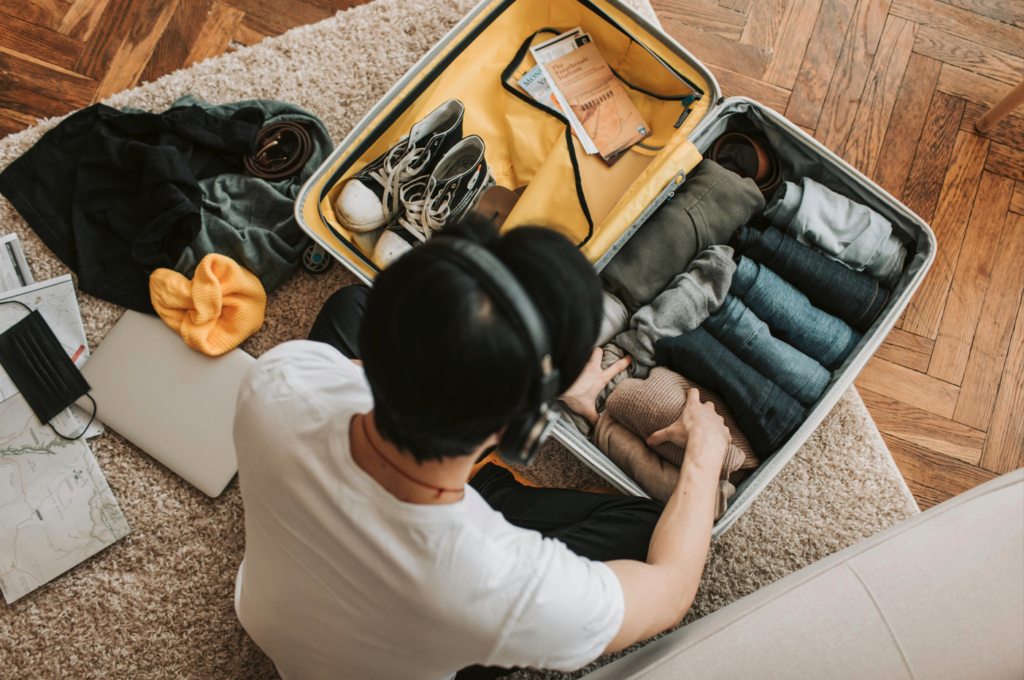
Packing is where most beginner solo travelers go wrong. They either overpack “just in case” items or forget essentials that actually matter. When you’re traveling alone, every extra kilogram becomes your responsibility—no one else is there to carry your bag or manage your stuff. That’s why one of the most important solo travel rules is simple: pack light, but pack right.
Why Packing Light Is Crucial for Solo Travelers
Traveling solo means full independence—but also full responsibility. Carrying heavy luggage can quickly turn your trip into a tiring experience.
Packing light helps you:
- Move around easily (especially in crowded places or public transport)
- Save money on baggage fees
- Reduce stress and decision fatigue
- Stay flexible with last-minute plans
- Keep your belongings organized and accessible
The lighter your bag, the freer you feel—and that’s what solo travel is all about.
What “Pack Smart” Actually Means
Packing smart is not about bringing less—it’s about bringing only what you truly need and making sure everything serves a purpose.
A good rule to follow:
If you’re not sure you’ll use it, don’t pack it.
Essential Packing List for Beginner Solo Travelers
a. Clothing (Keep It Minimal & Versatile)
- 3–5 comfortable outfits
- Lightweight layers (jacket/shawl)
- Comfortable walking shoes
- Sleepwear and undergarments
- Weather-appropriate clothing
Choose clothes you can mix and match instead of packing new outfits for each day.
b. Important Documents
- ID / Passport
- Travel tickets (digital + printed copies)
- Hotel booking details
- Emergency contacts
Pro Tip: Keep both digital and physical copies in separate places.
c. Tech & Essentials
- Smartphone + charger
- Power bank
- Earphones
- Universal adapter (if needed)
These are your lifelines for navigation, communication, and safety.
d. Toiletries & Personal Care
- Travel-size toiletries
- Basic skincare
- Hand sanitizer
- Wet wipes
Avoid carrying full-size bottles—they take up unnecessary space.
e. Safety & Convenience Items
- Small lock (for bags or hostel lockers)
- Reusable water bottle
- Basic medicines
- Snacks for emergencies
Backpack vs Suitcase: What Should You Choose?
For solo travel beginners, a backpack is usually the better option:
- Easier to carry and move around
- More flexible for different terrains
- Keeps your hands free
Suitcases can be useful for short city trips, but they become inconvenient on uneven roads or stairs.
Smart Packing Strategies You Should Use
a. The “Layering” Technique
Instead of packing bulky clothes, bring lightweight layers you can combine based on weather.
b. Roll, Don’t Fold
Rolling clothes saves space and reduces wrinkles.
c. Use Packing Cubes
They help organize your bag and make it easier to find things quickly.
d. Follow the “Half Rule”
Pack everything you think you need… then remove half of it.
You’ll still have enough.
Common Packing Mistakes to Avoid
- Overpacking “just in case” items
- Carrying too many shoes or heavy clothes
- Forgetting essential documents
- Not checking weather before packing
- Bringing valuables you don’t actually need
Pro Tip: Leave Space for the Unexpected
Don’t fill your bag completely. Keep some extra space for:
- Souvenirs
- Local shopping
- Unexpected items
This small step can save you from a lot of hassle later.
Packing light and smart is not just about convenience—it’s about freedom. The less you carry, the more you can focus on the experience, not your luggage.
Your goal isn’t to be “fully prepared for everything.”
Your goal is to be prepared enough to handle anything.
Because in solo travel, you don’t need more stuff…
you need more flexibility.
5. Prioritize Safety (Always)

No matter how exciting solo travel feels, your safety should always come first. As a beginner, it’s easy to get carried away by the freedom and adventure—but ignoring basic safety precautions can quickly turn a great trip into a stressful situation. Here’s the truth: solo travel is generally safe if you’re aware, prepared, and proactive. You don’t need to be paranoid—you just need to be smart.
Why Safety Matters More When You Travel Alone
When you’re solo, you are fully responsible for:
- Your decisions
- Your belongings
- Your well-being
There’s no backup in the moment—so small precautions make a huge difference. The goal isn’t to avoid travel risks completely (that’s impossible), but to minimize them as much as possible.
Essential Safety Tips Every Solo Traveler Should Follow
a. Share Your Travel Plans with Someone You Trust
Before and during your trip, keep a friend or family member informed about:
- Your destination
- Accommodation details
- Daily plans (rough idea)
Use apps like Google Maps to share your live location when needed. This simple habit adds an extra layer of security.
b. Stay Aware of Your Surroundings
One of the most powerful safety tools is awareness.
- Avoid walking while distracted (e.g., constantly on your phone)
- Observe people and environments around you
- Trust your instincts—if something feels off, leave
Confidence and awareness often deter unwanted attention.
c. Keep Your Valuables Secure
Losing important items can ruin your trip. Be smart with your belongings:
- Use anti-theft bags or hidden pouches
- Don’t carry all your cash in one place
- Avoid displaying expensive gadgets openly
- Use lockers if staying in hostels
Less visibility = less risk.
d. Avoid Risky Situations (Especially at Night)
As a beginner, it’s better to play it safe:
- Avoid isolated or poorly lit areas
- Don’t accept rides from strangers
- Limit late-night outings in unfamiliar places
- Be cautious with alcohol consumption
It’s not about fear—it’s about making smart choices.
e. Learn Basic Local Information
Before visiting any destination, research:
- Emergency numbers
- Safe and unsafe areas
- Local customs and behavior
For example, understanding cultural norms in places like United States can help you avoid unwanted attention and respect local traditions.
f. Keep Emergency Essentials Ready
Always have quick access to:
- Emergency contacts
- Local police or ambulance numbers
- Copies of important documents
Also, save offline maps using Google Maps in case you lose internet access.
Digital Safety Is Just as Important
In today’s world, your online safety matters too:
- Avoid using public Wi-Fi for sensitive transactions
- Log out of shared devices
- Use strong passwords
- Be cautious when sharing your location publicly on social media
Don’t announce your exact location in real time—post updates after you leave.
Common Safety Mistakes Beginners Should Avoid
- Trusting strangers too quickly
- Ignoring gut feelings
- Over-sharing personal information
- Carrying too much cash
- Not having a backup plan
Awareness of these mistakes can prevent most common issues.
Pro Tip: Confidence Is Your Best Defense
How you carry yourself matters.
- Walk with confidence—even if you’re unsure
- Avoid looking lost or confused in public
- Plan your routes in advance
People are less likely to target someone who appears confident and aware.
What to Do If Something Goes Wrong
Even with precautions, things can happen. Stay calm and:
- Contact local authorities immediately
- Reach out to your emergency contact
- Go to a safe public place (hotel, café, or police station)
- Use your saved documents and backups
Preparation makes handling problems much easier.
Prioritizing safety doesn’t limit your freedom—it protects it. The more secure you feel, the more confidently you can explore and enjoy your journey. Solo travel is not about taking risks—it’s about managing them wisely.
Because at the end of the day, the best trip isn’t just adventurous…
it’s safe, smooth, and memorable for all the right reasons.
6. Manage Money Like a Pro
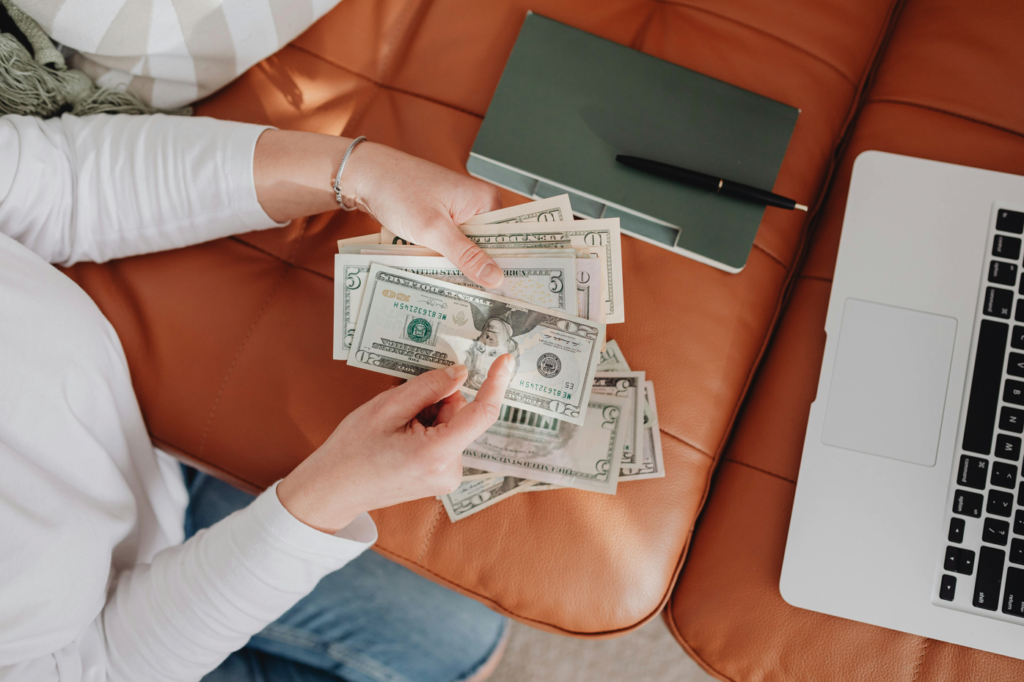
Money management can make or break your solo travel experience. As a beginner, it’s not just about how much you spend—it’s about how smartly you handle your money throughout the journey. When you’re traveling alone, there’s no one to split costs with or fall back on financially. That’s why learning to budget, track, and protect your money is one of the most important solo travel skills.
Why Smart Money Management Matters
Poor financial planning can lead to:
- Running out of money mid-trip
- Unnecessary stress and anxiety
- Missing out on experiences
- Unsafe situations (like choosing cheap but risky options)
On the other hand, managing money well gives you:
- Peace of mind
- More control over your trip
- The freedom to enjoy experiences without guilt
Step 1: Set a Realistic Travel Budget
Before your trip, calculate how much you can afford to spend.
Break your budget into categories:
- Accommodation
- Food
- Transport
- Activities
- Emergency fund
Pro Tip: Always add a 10–20% buffer for unexpected expenses.
Step 2: Track Your Daily Expenses
It’s easy to overspend when you’re excited or unfamiliar with local prices.
Use apps like Splitwise or Trail Wallet to:
- Record daily spending
- Stay within your budget
- Identify where your money is going
Small expenses add up quickly—tracking helps you stay aware.
Step 3: Use Multiple Payment Methods
Never rely on a single way to access money. Instead, carry:
- Cash (for small or local purchases)
- Debit/credit cards
- Digital payment apps like PayPal or Google Pay
This ensures you’re never stuck if one method fails.
Step 4: Keep Your Money Safe
Security is just as important as budgeting.
- Split your cash into different places
- Use a hidden pouch or money belt
- Avoid taking out large amounts in public
- Be cautious at ATMs (use machines in safe locations)
Losing money is stressful—prevent it before it happens.
Step 5: Avoid Unnecessary Expenses
Smart travelers know where to spend—and where to save.
Save money by:
- Eating at local spots instead of tourist restaurants
- Using public transport instead of taxis
- Booking tickets in advance when possible
Spend money on what truly matters—experiences, not impulse purchases.
Step 6: Understand Local Costs
Before visiting any destination, research:
- Average food prices
- Transport costs
- Entry fees for attractions
For example, traveling in India is generally budget-friendly, but prices can vary between cities. Knowing this helps you plan better and avoid being overcharged.
Step 7: Always Have an Emergency Fund
This is non-negotiable.
Set aside a separate amount of money for:
- Medical emergencies
- Unexpected travel changes
- Lost or stolen belongings
Do not use this unless absolutely necessary—it’s your safety net.
Common Money Mistakes Beginners Should Avoid
- Spending too much in the first few days
- Not tracking expenses
- Carrying all money in one place
- Ignoring hidden costs (taxes, fees, tips)
- Not having a backup payment option
Avoiding these mistakes keeps your trip smooth and stress-free.
Pro Tip: Balance Saving and Enjoying
Don’t become so focused on saving money that you miss out on experiences.
Ask yourself:
“Is this worth the memory?”
If yes, spend without guilt.
If no, skip it.
Smart travel is about intentional spending, not just saving.
Managing money like a pro isn’t about being cheap—it’s about being in control. When your finances are organized, you can travel with confidence and enjoy every moment without constant worry. Because in solo travel, financial freedom equals real freedom.
And when you master your money…
you truly master your journey.
7. Learn to Be Comfortable Alone
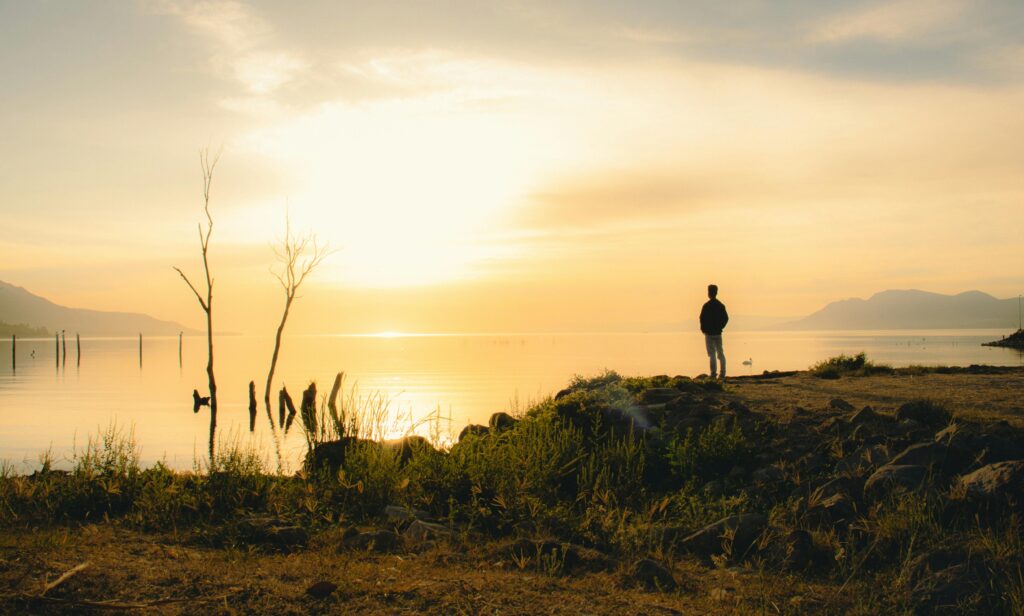
Solo travel isn’t just about exploring new places—it’s about learning how to enjoy your own company. For many beginners, this is the most challenging part. You might feel excited during the day, but when you’re sitting alone at a café or walking back to your room at night, a sense of loneliness can creep in. Here’s the truth: feeling alone at times is completely normal. But instead of seeing it as a negative, you can turn it into one of the most powerful and rewarding parts of your journey.
Why Being Comfortable Alone Is a Key Solo Travel Skill
When you learn to be comfortable alone, everything changes:
- You become more confident in your decisions
- You stop depending on others for happiness
- You enjoy experiences more deeply
- You grow mentally and emotionally
Solo travel gives you something rare in everyday life—uninterrupted time with yourself.
Alone vs Lonely: Understand the Difference
Many beginners confuse being alone with being lonely.
- Alone = You’re by yourself physically
- Lonely = You feel disconnected emotionally
You can be alone and still feel happy, peaceful, and fulfilled. The goal is to shift your mindset from loneliness to independence.
How to Enjoy Your Own Company While Traveling
a. Start with Simple Solo Activities
Ease into it with activities that feel comfortable:
- Visiting cafés or restaurants alone
- Exploring local markets
- Walking through scenic areas
- Watching sunsets or sunrises
These moments help you slowly adapt to being by yourself.
b. Keep Yourself Engaged
Idle time often leads to overthinking. Stay engaged by:
- Journaling your experiences
- Reading a book
- Listening to music or podcasts
- Capturing photos or videos
This turns your solo time into something meaningful and productive.
c. Create a Loose Daily Routine
Having a basic structure helps reduce the feeling of emptiness:
- Morning: Explore or visit a place
- Afternoon: Relax or try local food
- Evening: Reflect or enjoy a calm activity
A routine gives your day direction without restricting your freedom.
d. Limit Social Media Comparison
Scrolling through others’ travel posts can make you feel like you’re “missing out.”
- Avoid constant comparison
- Focus on your own journey
- Remember: social media shows highlights, not reality
Your experience is unique—and that’s what makes it valuable.
It’s Okay to Want Social Interaction
Being comfortable alone doesn’t mean isolating yourself completely.
If you feel like connecting:
- Stay in social accommodations
- Join local tours or activities
- Start simple conversations with fellow travelers
Solo travel gives you the choice—be alone when you want, socialize when you feel like it.
What to Do When Loneliness Hits
Even experienced travelers feel this sometimes. When it happens:
- Step out of your room—change your environment
- Call or text someone you trust
- Visit a busy place like a café or market
- Remind yourself why you started this journey
Feelings pass—but your experience stays.
Common Mistakes Beginners Make
- Expecting to feel happy all the time
- Avoiding solo situations completely
- Overusing social media
- Isolating themselves too much
Accept that solo travel includes both highs and lows—that’s part of the growth.
Pro Tip: Use Solo Time for Self-Discovery
This is something most people overlook.
Ask yourself:
- What do I really enjoy?
- What makes me feel fulfilled?
- What do I want in life?
Without distractions, you get clarity that’s hard to find in daily life.
Learning to be comfortable alone is not just a travel skill—it’s a life skill. Once you master it, you unlock a level of freedom and confidence that stays with you long after the trip ends.
Solo travel teaches you something powerful: You are enough on your own.
And when you truly understand that…
you’re never really alone.
8. Get Travel Insurance
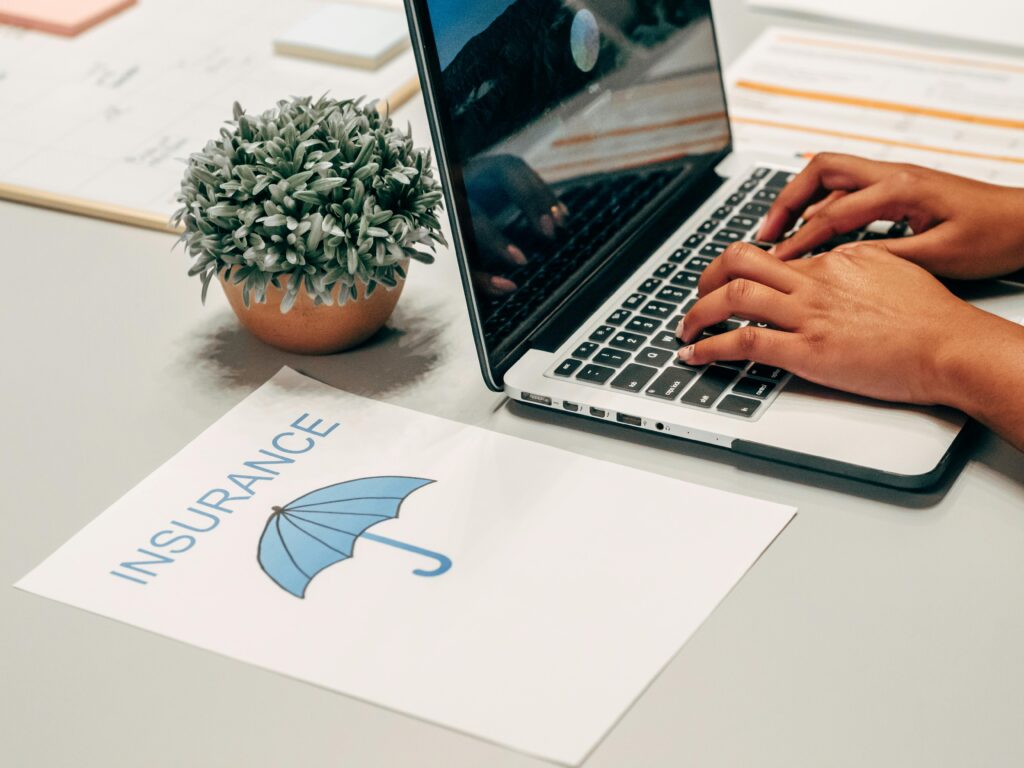
If there’s one thing beginners often skip—but absolutely shouldn’t—it’s travel insurance. It might feel like an unnecessary expense when everything is going well, but the moment something goes wrong, it can save you thousands of dollars and a lot of stress. Solo travel means you’re fully responsible for yourself. There’s no one else to rely on in emergencies, which makes travel insurance not just helpful—but essential.
Why Travel Insurance Is a Must for Solo Travelers
Unexpected situations can happen anytime, anywhere:
- Medical emergencies or accidents
- Trip cancellations or delays
- Lost or stolen luggage
- Passport or document loss
Without insurance, you’ll have to handle all of this on your own—and pay for it yourself.
With the right coverage, you get:
- Financial protection
- Access to emergency support
- Peace of mind throughout your trip
What Does Travel Insurance Actually Cover?
A good travel insurance plan typically includes:
a. Medical Emergencies
Covers hospital bills, doctor visits, and emergency treatments. This is especially important when traveling abroad, where healthcare can be expensive.
b. Trip Cancellation or Interruption
If your trip gets canceled or cut short due to unexpected reasons (illness, emergencies, etc.), insurance helps recover your losses.
c. Lost or Delayed Baggage
If your luggage is lost, stolen, or delayed, you can get compensation for essential items.
d. Personal Liability
Protects you in case you accidentally cause damage to someone or something.
How to Choose the Right Travel Insurance
Not all plans are the same. Here’s what you should look for:
- Coverage amount: Make sure it’s sufficient for your destination
- Medical coverage: This should be a priority
- Claim process: Choose providers with easy and fast claims
- Inclusions & exclusions: Always read the fine print
- 24/7 support: Essential for emergencies
Don’t just go for the cheapest option—go for the most reliable and suitable one.
Common Mistakes to Avoid
- Skipping insurance to save money
- Not reading policy details
- Ignoring exclusions (what’s NOT covered)
- Choosing insufficient coverage
- Not keeping a copy of your policy
These mistakes can cost you more than the insurance itself.
Pro Tips for Solo Travelers
- Always keep a digital and printed copy of your policy
- Save emergency contact numbers provided by your insurer
- Understand the claim process before your trip
- Inform your insurer immediately in case of any issue
Being prepared helps you act quickly when needed.
Is Travel Insurance Really Worth It?
Let’s be honest—most trips go smoothly. But travel insurance is not for “most trips.” It’s for the unexpected moments.
Think of it this way: You hope you never need it… but you’ll be grateful if you do.
Getting travel insurance is one of the smartest decisions you can make as a solo traveler. It’s not just about money—it’s about security, confidence, and peace of mind. When you know you’re protected, you travel differently—more freely, more confidently, and with less fear.
Because solo travel is about exploring the world…
not worrying about “what if.”
9. Health & Self-Care Matters

When you’re traveling solo, your health isn’t just important—it’s everything. There’s no one to remind you to rest, eat properly, or take care of yourself. If you feel unwell, you’re the one who has to handle it. That’s why prioritizing physical health, mental well-being, and self-care is a non-negotiable part of solo travel—especially for beginners.
Why Health Should Be Your Top Priority
It’s easy to get caught up in exploring, trying new food, and ticking off places—but ignoring your health can quickly ruin your trip.
Taking care of yourself helps you:
- Maintain energy throughout your journey
- Avoid illness and fatigue
- Stay mentally balanced and stress-free
- Fully enjoy your travel experience
Because at the end of the day, a healthy traveler is a happy traveler.
A. Eat Smart, Not Just Exciting
Trying local food is one of the best parts of travel—but balance is key.
- Don’t skip meals
- Avoid overeating street food (especially at the start)
- Choose clean and hygienic places
- Stay hydrated at all times
In places like United States, food variety is incredible—but your stomach might need time to adjust. Start light, then explore more.
B. Stay Hydrated & Carry Essentials
Dehydration is one of the most common travel issues.
- Always carry a reusable water bottle
- Drink water regularly, even if you don’t feel thirsty
- Use oral rehydration salts if needed
Also, keep a small health kit with:
- Basic medicines (headache, cold, stomach issues)
- Band-aids
- Hand sanitizer
C. Get Enough Rest
Many beginners try to do too much in too little time—and end up exhausted.
- Don’t compromise on sleep
- Take breaks during the day
- Avoid overpacking your schedule
Remember, rest is part of the journey, not a waste of time.
D. Take Care of Your Mental Health
Solo travel can be exciting—but also emotionally intense.
You might feel:
- Lonely at times
- Overwhelmed in new environments
- Mentally drained from constant decision-making
Here’s how to manage it:
- Give yourself quiet time
- Journal your thoughts
- Listen to music or meditate
- Don’t hesitate to slow down
Taking care of your mind is just as important as your body.
E. Stay Active (But Don’t Overdo It)
Travel naturally involves walking and exploring, but you don’t need to push yourself too hard.
- Walk at a comfortable pace
- Stretch or do light exercises
- Avoid overexertion
Balance activity with rest to avoid burnout.
F. Know When to Seek Help
If you feel seriously unwell:
- Visit a nearby clinic or hospital
- Contact your accommodation for assistance
- Use your travel insurance support if needed
Apps like Google Maps can help you quickly find nearby medical facilities.
Don’t ignore symptoms—early action prevents bigger problems.
Common Health Mistakes Beginners Make
- Skipping meals due to busy schedules
- Not drinking enough water
- Ignoring early signs of illness
- Overexerting themselves
- Not carrying basic medicines
Avoiding these mistakes keeps your trip smooth and enjoyable.
Pro Tip: Listen to Your Body
Your body always gives signals—don’t ignore them.
- Feeling tired? Rest.
- Feeling unwell? Slow down.
- Feeling overwhelmed? Take a break.
Solo travel gives you the freedom to move at your own pace—use it.
Health and self-care are the foundation of a great solo travel experience. You can have the best itinerary, the best destination, and the best plans—but if you don’t feel well, none of it matters. Taking care of yourself is not optional—it’s essential.
Because when you feel good, you travel better…
and when you travel better, you create memories that truly last.
10. Document Your Journey
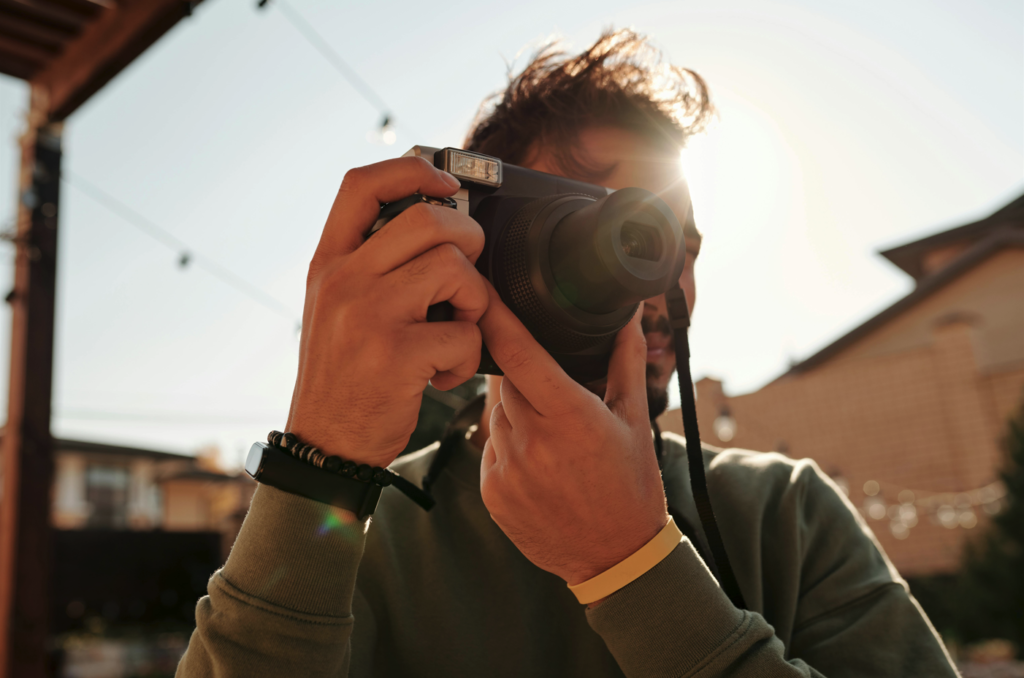
Solo travel isn’t just about the places you visit—it’s about the memories, emotions, and personal growth you experience along the way. And if you don’t capture those moments, they slowly fade over time. That’s why documenting your journey is so important. It allows you to relive your experiences, reflect on your growth, and even inspire others with your story.
Why You Should Document Your Solo Travel Experience
When you travel alone, every moment feels more personal and meaningful. Documenting your journey helps you:
- Preserve memories beyond just photos
- Reflect on your experiences and emotions
- Track your personal growth
- Share your story with others (if you choose to)
Years later, these records become something truly valuable—a story only you can tell.
A. Go Beyond Just Taking Photos
Photos are great—but they don’t capture everything.
Instead of just clicking pictures:
- Capture short videos
- Record voice notes
- Take photos of small details (food, streets, signs, moments)
These little things often bring back the strongest memories.
B. Keep a Travel Journal
Writing is one of the most powerful ways to document your journey.
You don’t need to be a writer—just be honest.
Write about:
- What you did during the day
- How you felt
- What surprised you
- What you learned
Even a few lines a day can create a meaningful record of your trip.
C. Use Digital Tools to Capture Memories
If you prefer digital documentation, use apps like:
- Google Photos for organizing pictures and videos
- Instagram for sharing highlights
- Notion or notes apps for journaling
These tools make it easy to store, organize, and revisit your memories anytime.
D. Capture Real Moments, Not Just Perfect Ones
Many people focus only on “perfect” photos—but real travel includes everything:
- Unexpected situations
- Quiet moments
- Challenges and lessons
These are the experiences that truly shape your journey. Don’t filter them out—embrace them.
E. Create Something After Your Trip
Once your trip is over, use your content to create something meaningful:
- A photo album
- A short video montage
- A social media story series
- Or think about starting a vlog
Common Mistakes to Avoid
- Taking photos but never organizing them
- Not writing anything during the trip
- Over-focusing on social media instead of the experience
- Waiting too long to document memories
Capture the moment—but don’t forget to live it too.
Pro Tip: Stay Present While Documenting
It’s easy to get so busy recording everything that you forget to enjoy it.
- Take a few photos, then put your phone away
- Experience the moment fully
- Document after you’ve lived it
Balance is key.
Documenting your journey turns your solo trip into something lasting. It’s not just about remembering where you went—it’s about remembering who you became along the way. Because solo travel changes you in ways you don’t always notice in the moment.
And when you look back at your journey…
you’ll see more than memories—you’ll see your growth.
11. Solo Travel Mindset (Most Important)

Solo travel is not just about destinations, planning, or packing—it’s about how you think. Your mindset can either make your journey empowering and unforgettable… or stressful and overwhelming. As a beginner, developing the right solo travel mindset is the foundation that ties everything together. It helps you handle uncertainty, enjoy independence, and grow through every experience.
Why Mindset Matters More Than Anything Else
You can have the perfect itinerary, budget, and destination—but without the right mindset, even small challenges can feel big.
A strong solo travel mindset helps you:
- Stay calm in unexpected situations
- Make confident decisions on your own
- Enjoy your own company
- Turn problems into learning experiences
In simple terms, your mindset shapes your entire journey.
A. Embrace Uncertainty
Things won’t always go as planned—and that’s okay.
- Plans may change
- Weather can disrupt schedules
- You might get lost or confused
Instead of resisting it, accept uncertainty as part of the adventure. Often, the best moments come from unplanned situations.
B. Build Self-Confidence Step by Step
Solo travel pushes you out of your comfort zone—and that’s where growth happens.
- Navigating a new place
- Talking to strangers
- Solving problems alone
Each small success builds confidence. You don’t need to be fearless—you just need to keep going despite the fear.
C. Let Go of Perfection
Your trip doesn’t have to be perfect.
- You might make mistakes
- Some days may feel boring or difficult
- Not every moment will be exciting
And that’s completely normal.
The goal of solo travel is not perfection—it’s experience and growth.
D. Be Open to New Experiences
One of the biggest advantages of solo travel is freedom.
- Try new food
- Explore unfamiliar places
- Say yes to safe opportunities
Being open-minded leads to richer and more memorable experiences.
E. Learn to Trust Yourself
When you travel solo, you rely on your own judgment.
- Choosing where to go
- Deciding what to do
- Handling unexpected situations
Over time, you realize something powerful:
You are capable of figuring things out.
F. Stay Positive—but Realistic
A positive mindset helps you enjoy your journey—but staying realistic keeps you prepared.
- Expect both good and challenging moments
- Focus on solutions instead of problems
- Don’t let one bad experience ruin your trip
Balance optimism with awareness.
Common Mindset Mistakes Beginners Make
- Expecting everything to go perfectly
- Comparing their journey with others
- Being too afraid to step out of their comfort zone
- Overthinking small problems
Avoiding these patterns helps you stay mentally strong during your trip.
Pro Tip: Treat Your Journey as Growth, Not Just Travel
Solo travel is one of the fastest ways to grow as a person.
You learn:
- Independence
- Decision-making
- Emotional resilience
- Self-awareness
If you focus only on places, you’ll miss the bigger picture. Focus on who you’re becoming through the journey.
Final Thoughts: Is Solo Travel Worth It?
Absolutely.
Solo travel is:
- Empowering
- Life-changing
- Addictive (in a good way)
You’ll return with:
- Confidence
- Independence
- Stories you’ll never forget
Solo travel mindset is what turns a simple trip into a life-changing experience. It’s not about having everything under control—it’s about trusting yourself when things aren’t. When you develop the right mindset, you stop fearing solo travel and start embracing it.
Because in the end, solo travel isn’t just about discovering the world — it’s about discovering yourself.