Introduction: A Taste of Italy Like No Other
Italy is not just a country—it’s a food experience. From creamy pasta to crispy pizza, every region offers something unique. Italian cuisine is famous around the world, but the real magic happens when you taste it in Italy itself. If you are planning a trip or simply love food, this guide will help you explore the most traditional Italian dishes you must try. This is your complete Italian food guide to the most delicious, authentic meals across the country. Italian food is simple, fresh, and full of flavor. It uses high-quality ingredients like olive oil, tomatoes, cheese, and herbs. Every dish tells a story of history, culture, and tradition.
And while you’re exploring food, don’t forget to check out some hidden gems across the country in this guide:
Underrated Places in Italy You Need to Visit
Let’s explore the must try food in Italy that you simply cannot miss.
1. Pizza Napoletana
A. Description
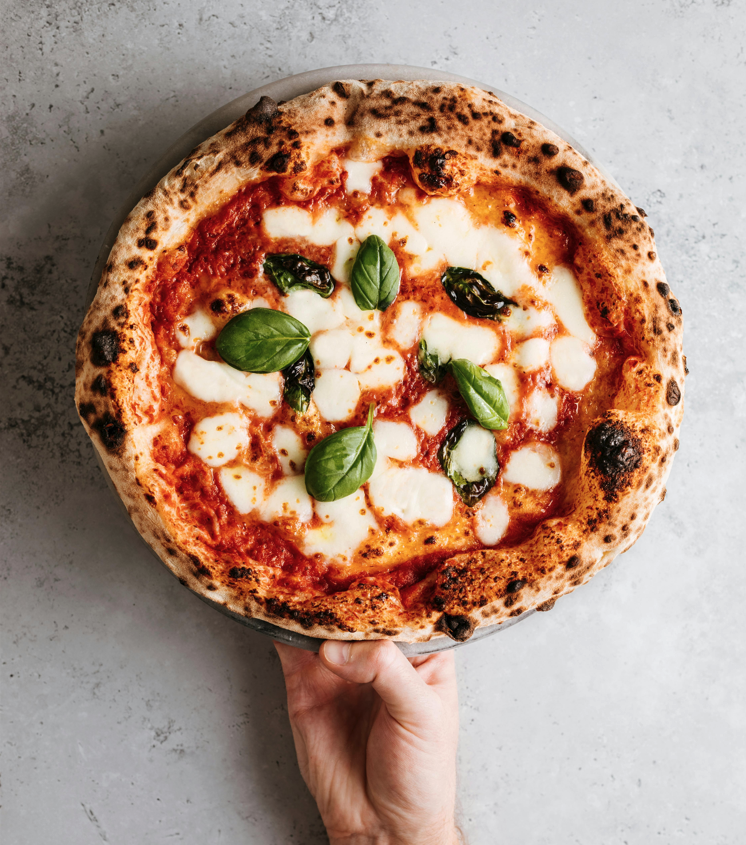
Pizza Napoletana is one of the most authentic and iconic traditional Italian dishes, known for its soft, thin crust and slightly charred, airy edges. Unlike many modern pizzas, this classic version is simple yet incredibly flavorful. The center of the pizza is tender and moist, while the outer crust (called cornicione) is puffy, light, and slightly crispy due to high-temperature baking.
It is traditionally cooked in a wood-fired oven at extremely high temperatures (around 800–900°F / 430–480°C) for just 60–90 seconds. Its appearance is rustic, with fresh ingredients visibly placed on top, making it both visually appealing and delicious.
B. Origin
Pizza Napoletana originates from Naples, widely regarded as the birthplace of pizza. This dish dates back to the 18th century, when it was a popular street food among the working class in Naples. One of the most famous variations, Pizza Margherita, was created in 1889 to honor Queen Margherita of Savoy.
The colors of the Margherita pizza—red (tomato), white (mozzarella), and green (basil)—represent the Italian flag, making it a symbol of national pride.
C. Ingredients
Pizza Napoletana is known for its simplicity and high-quality ingredients. Traditional recipes strictly follow guidelines set by Associazione Verace Pizza Napoletana.
Key ingredients include:
- Flour – Finely milled wheat flour for a soft dough
- Water – Essential for dough hydration
- Salt – Enhances flavor
- Yeast – Natural fermentation for airy texture
- San Marzano Tomatoes – Grown in volcanic soil near Mount Vesuvius
- Fresh Mozzarella Cheese – Usually buffalo mozzarella (Mozzarella di Bufala)
- Fresh Basil Leaves – Adds aroma and freshness
- Extra Virgin Olive Oil – Drizzled for richness
The beauty of this pizza lies in its minimalism—every ingredient plays a crucial role.
D. Cultural Significance
Pizza Napoletana is more than just food—it’s a cultural treasure of Italy. In fact, the art of making it (Pizzaiuolo tradition) has been recognized by UNESCO as an Intangible Cultural Heritage of Humanity. In Naples, pizza-making is a respected craft passed down through generations. It reflects Italian values of tradition, simplicity, and quality.
Locals don’t just eat pizza—they celebrate it as a daily ritual and social experience, often enjoyed with friends and family.
E. Why It’s Famous
Pizza Napoletana is globally famous for several reasons:
- Authenticity – It follows strict traditional methods
- Simplicity – Minimal ingredients, maximum flavor
- Unique Texture – Soft, airy crust with a slightly charred finish
- Cultural Heritage – Recognized worldwide as a symbol of Italy
- Global Influence – Inspired countless pizza styles across the world
Its reputation as one of the most beloved traditional Italian dishes makes it a must-try for travelers and food lovers visiting Italy.
2. Pasta Carbonara
A. Description
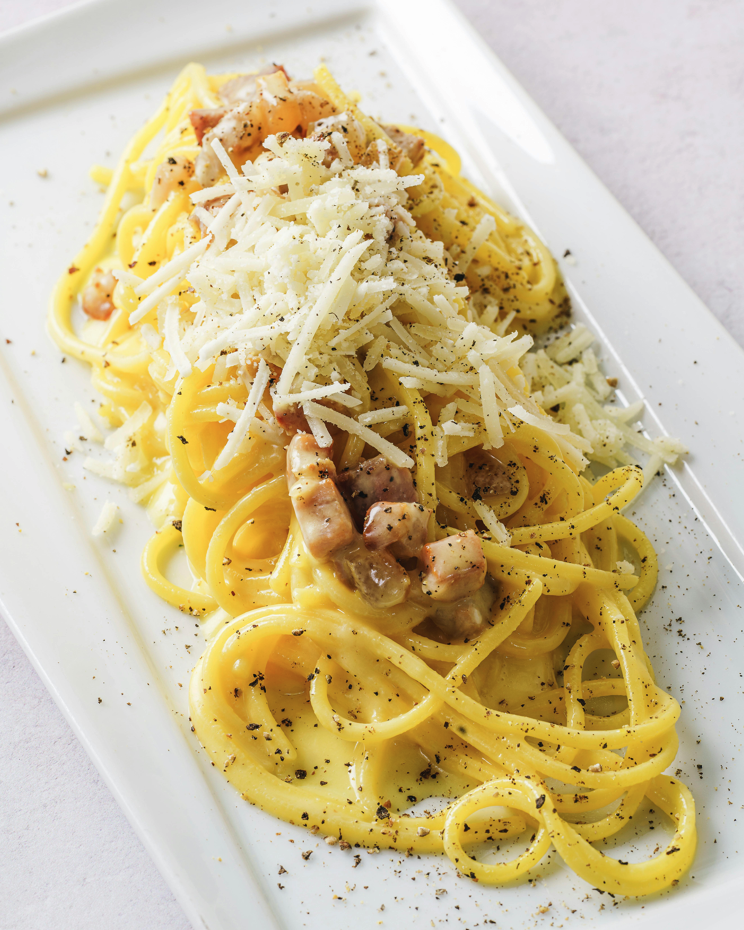
Pasta Carbonara is one of the most iconic traditional Italian dishes, famous for its rich, creamy texture—without using any cream. The dish features pasta coated in a silky sauce made from eggs, cheese, and fat from cured pork. The magic of Carbonara lies in its technique: the heat of freshly cooked pasta gently cooks the eggs, creating a smooth, velvety sauce that clings perfectly to every strand.
It is typically served with long pasta like spaghetti, offering a perfect balance of salty, savory, and slightly peppery flavors.
B. Origin
Pasta Carbonara originates from Rome, making it a staple of Roman cuisine. Its exact origin is debated, but many believe it was created in the mid-20th century. One popular theory suggests it was a meal prepared by Italian charcoal workers (carbonai), which is where the name “Carbonara” comes from.
Another theory links its creation to the period after World War II, when American soldiers in Italy combined local ingredients with their rations of eggs and bacon.
C. Ingredients
Authentic Pasta Carbonara is simple but relies heavily on high-quality ingredients. Traditional recipes follow Roman culinary practices and avoid unnecessary additions like cream or garlic.
Key ingredients include:
- Pasta – Usually spaghetti, rigatoni, or bucatini
- Guanciale – Cured pork cheek (preferred for authentic flavor)
- Eggs – Typically egg yolks for richness
- Pecorino Romano Cheese – Sharp, salty sheep’s milk cheese
- Black Pepper – Freshly ground for a bold kick
The combination of eggs and cheese creates the signature creamy sauce—without any dairy cream.
D. Cultural Significance
Pasta Carbonara is a symbol of Roman culinary identity and one of Italy’s most respected pasta dishes. It represents the Italian philosophy of “less is more”, where a few high-quality ingredients are transformed into something extraordinary. In Italy, especially in Rome, altering the traditional recipe (like adding cream or mushrooms) is often frowned upon. Authenticity is taken seriously, and the dish is considered a benchmark of Italian cooking skills.
It is also widely featured in Italian restaurants around the world, showcasing the global influence of Italian cuisine.
E. Why It’s Famous
Pasta Carbonara is globally loved for several reasons:
- Rich and Creamy Texture – Achieved naturally without cream
- Simple Ingredients – Easy to prepare yet incredibly flavorful
- Authentic Italian Heritage – Deeply rooted in Roman tradition
- Comfort Food Appeal – Warm, satisfying, and indulgent
- Worldwide Popularity – A staple on menus across the globe
Its perfect blend of simplicity and indulgence makes it one of the most celebrated traditional Italian dishes you simply can’t miss.
3. Risotto alla Milanese
A. Description
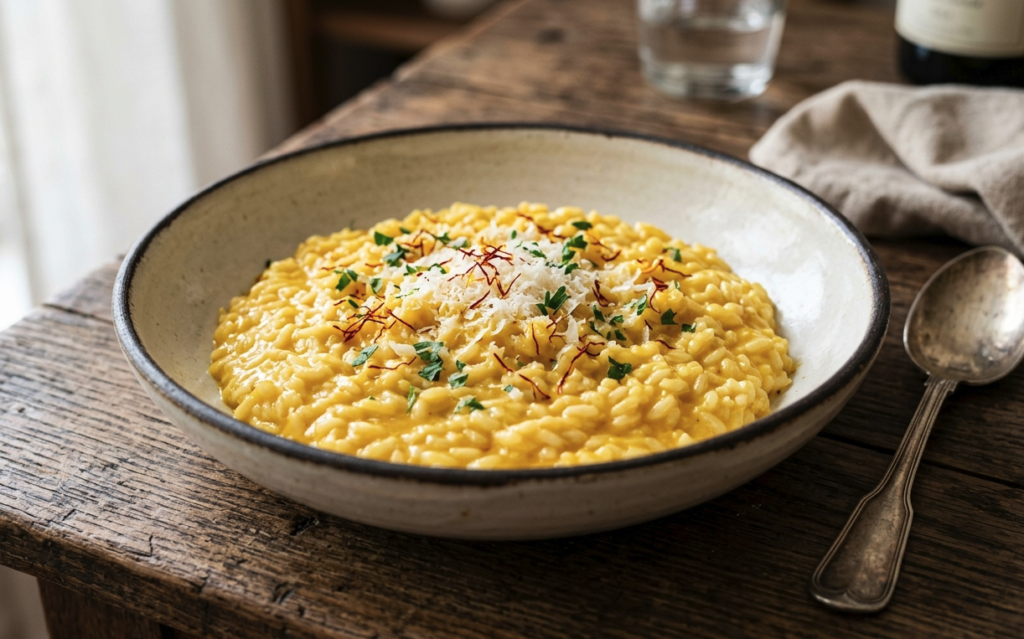
Risotto alla Milanese is one of the most luxurious traditional Italian dishes, known for its rich, creamy texture and vibrant golden color. Unlike typical rice dishes, risotto is cooked slowly, allowing it to develop a velvety consistency without becoming mushy. This dish is famous for its delicate flavor, achieved through constant stirring and gradual addition of broth. The highlight is its signature golden hue, which comes from saffron—a prized and aromatic spice.
The result is a smooth, slightly al dente rice dish that feels both comforting and elegant, often served as a main course or alongside meat dishes.
B. Origin
Risotto alla Milanese originates from Milan, one of Italy’s most important cultural and culinary centers. The dish dates back to the 16th century. According to legend, a glassmaker’s apprentice added saffron (used for coloring stained glass) to a rice dish during a wedding feast, creating the first version of this iconic recipe.
Since then, it has become a signature dish of Milanese cuisine and a symbol of Northern Italian gastronomy.
C. Ingredients
Risotto alla Milanese uses a few simple but high-quality ingredients, carefully combined to create its signature creamy texture and flavor.
Key ingredients include:
- Arborio or Carnaroli Rice – Short-grain rice ideal for risotto
- Saffron – The star ingredient that gives color and aroma
- Butter – Adds richness and smoothness
- Beef or Chicken Broth – Used gradually during cooking
- Onion – Finely chopped for a flavor base
- White Wine – Adds depth and acidity
- Parmigiano-Reggiano Cheese – Enhances creaminess and taste
The technique of slow cooking and constant stirring is just as important as the ingredients themselves.
D. Cultural Significance
Risotto alla Milanese is deeply tied to the culinary identity of Milan and the Lombardy region. It represents sophistication and tradition in Italian cuisine. It is often served with ossobuco (braised veal shanks), forming one of the most classic pairings in Italian gastronomy. The dish is commonly prepared during special occasions, family gatherings, and festive meals.
Its use of saffron—one of the world’s most expensive spices—also reflects a sense of luxury and celebration in Italian culture.
E. Why It’s Famous
Risotto alla Milanese is globally recognized for several reasons:
- Unique Golden Color – Thanks to premium saffron
- Creamy Texture – Achieved without cream
- Elegant Flavor Profile – Rich, aromatic, and refined
- Cultural Prestige – A signature dish of Milan
- Versatility – Can be served alone or paired with meats like ossobuco
Its balance of simplicity, technique, and luxury makes it one of the most memorable traditional Italian dishes for travelers and food lovers alike.
4. Lasagna
A. Description
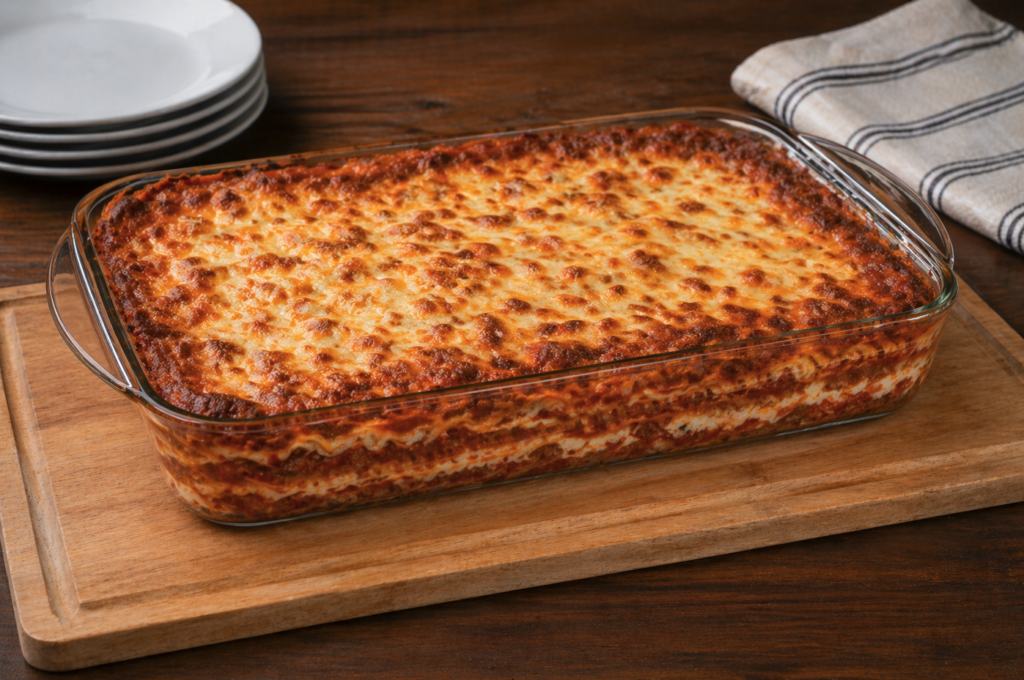
Lasagna is one of the most comforting and hearty traditional Italian dishes, known for its rich layers of pasta, meat sauce, creamy béchamel, and melted cheese. It is a baked dish made by stacking wide, flat pasta sheets with flavorful fillings in between. Each layer is carefully assembled to create a perfect balance of textures—soft pasta, savory sauce, and creamy richness.
When baked, the top becomes golden and slightly crispy, while the inside remains juicy and tender. Lasagna is often served hot in thick slices, making it a satisfying and filling meal.
B. Origin
Lasagna originates from Bologna, a region famous for its rich and meat-based cuisine. The traditional version, known as Lasagna alla Bolognese, dates back to the Middle Ages. It evolved over time into the modern layered dish we know today.
Bologna is also the birthplace of the famous ragù alla Bolognese (meat sauce), which plays a key role in authentic lasagna recipes.
C. Ingredients
Lasagna is made using a combination of simple yet flavorful ingredients, layered together to create a rich and satisfying dish.
Key ingredients include:
- Lasagna Sheets – Wide, flat pasta layers
- Ragù (Meat Sauce) – Typically made with minced beef, tomatoes, onions, and herbs
- Béchamel Sauce – A creamy white sauce made from butter, flour, and milk
- Parmigiano-Reggiano Cheese – Adds depth and flavor
- Mozzarella Cheese (optional in some versions) – For a gooey, melted texture
- Olive Oil & Seasonings – Enhance overall taste
Each ingredient contributes to the layered richness that defines this dish.
D. Cultural Significance
Lasagna is a symbol of comfort, family, and tradition in Italian culture. It is often prepared for special occasions, Sunday family meals, and festive gatherings. In many Italian households, lasagna recipes are passed down through generations, with each family adding its own unique touch.
The dish represents the warmth of Italian hospitality and the importance of sharing meals with loved ones.
E. Why It’s Famous
Lasagna is loved worldwide for several reasons:
- Rich, Layered Flavor – A perfect combination of meat, pasta, and creamy sauce
- Comfort Food Appeal – Warm, filling, and satisfying
- Versatility – Can be made with meat, vegetables, or even seafood
- Global Popularity – Found in restaurants and homes across the world
- Family Tradition – A classic dish for gatherings and celebrations
Its delicious layers and comforting nature make it one of the most beloved traditional Italian dishes you simply can’t miss.
5. Spaghetti alle Vongole
A. Description
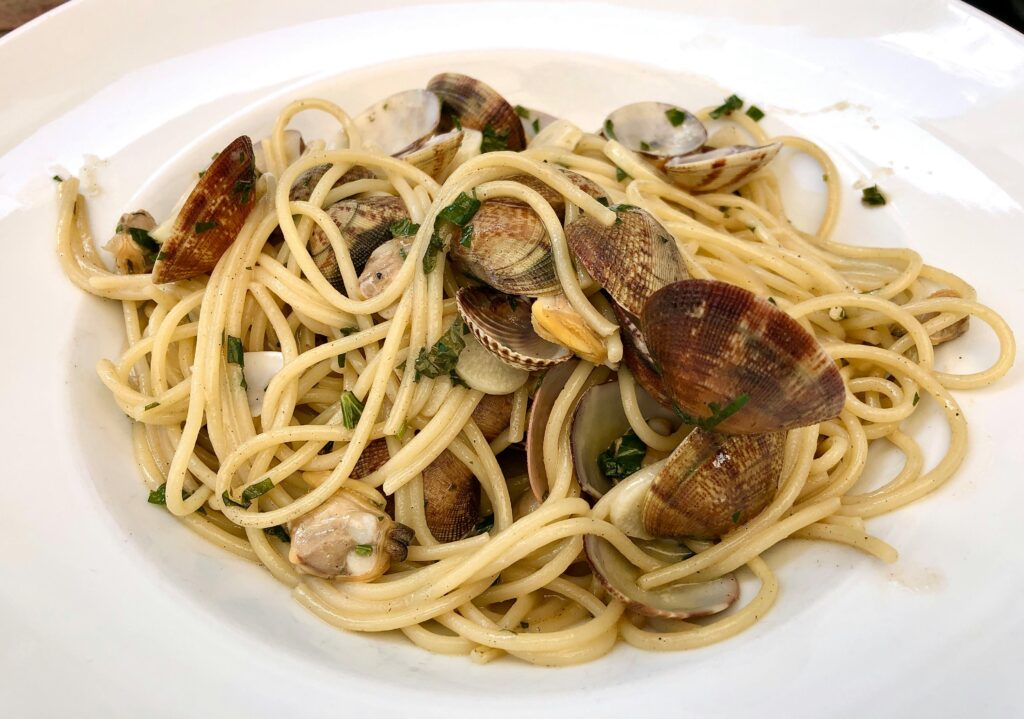
Spaghetti alle Vongole is a classic seafood pasta and one of the most beloved traditional Italian dishes, known for its light yet flavorful taste. This dish features perfectly cooked spaghetti tossed with fresh clams (vongole), garlic, olive oil, and a touch of white wine. Unlike heavy pasta dishes, it has a delicate and refreshing flavor, allowing the natural sweetness of the clams to shine.
There are two main variations:
- Bianco (white) – Made without tomatoes, focusing on olive oil, garlic, and clams
- Rosso (red) – Includes a light tomato sauce for added richness
The result is a simple yet elegant dish that captures the essence of coastal Italian cuisine.
B. Origin
Spaghetti alle Vongole originates from Campania, particularly around Naples. This region is known for its strong connection to the sea, making seafood a central part of its culinary tradition. Over time, the dish became popular across Italy, especially in coastal areas.
Today, it is a staple in Italian seafood cuisine and a must-try dish for visitors exploring southern Italy.
C. Ingredients
Spaghetti alle Vongole relies on fresh, high-quality ingredients to create its signature flavor.
Key ingredients include:
- Spaghetti – The classic pasta choice
- Fresh Clams (Vongole) – The star ingredient, providing a briny, ocean flavor
- Garlic – Adds aroma and depth
- Extra Virgin Olive Oil – Forms the base of the sauce
- White Wine – Enhances flavor and balances the dish
- Parsley – Adds freshness and color
- Chili Flakes (optional) – For a subtle spicy kick
- Tomatoes (optional, for the rosso version) – Adds a richer taste
The simplicity of ingredients allows the freshness of the seafood to stand out.
D. Cultural Significance
Spaghetti alle Vongole represents the heart of Italy’s coastal food culture. It reflects the Italian philosophy of using fresh, local ingredients and keeping recipes simple yet flavorful. The dish is especially popular during seafood feasts and celebrations, including Christmas Eve, when many Italian families enjoy a traditional seafood dinner known as the “Feast of the Seven Fishes.”
It is also commonly enjoyed in seaside restaurants, where freshly caught clams are used to prepare the dish.
E. Why It’s Famous
Spaghetti alle Vongole is loved worldwide for several reasons:
- Fresh and Light Flavor – Perfect for seafood lovers
- Simple Yet Elegant – Minimal ingredients with maximum taste
- Authentic Coastal Experience – Captures the essence of Italian seaside cuisine
- Versatile Variations – Available in both white and tomato-based versions
- Global Popularity – A staple in Italian restaurants around the world
Its delicate balance of flavors and connection to the sea make it one of the most refreshing traditional Italian dishes you shouldn’t miss.
6. Osso Buco
A. Description
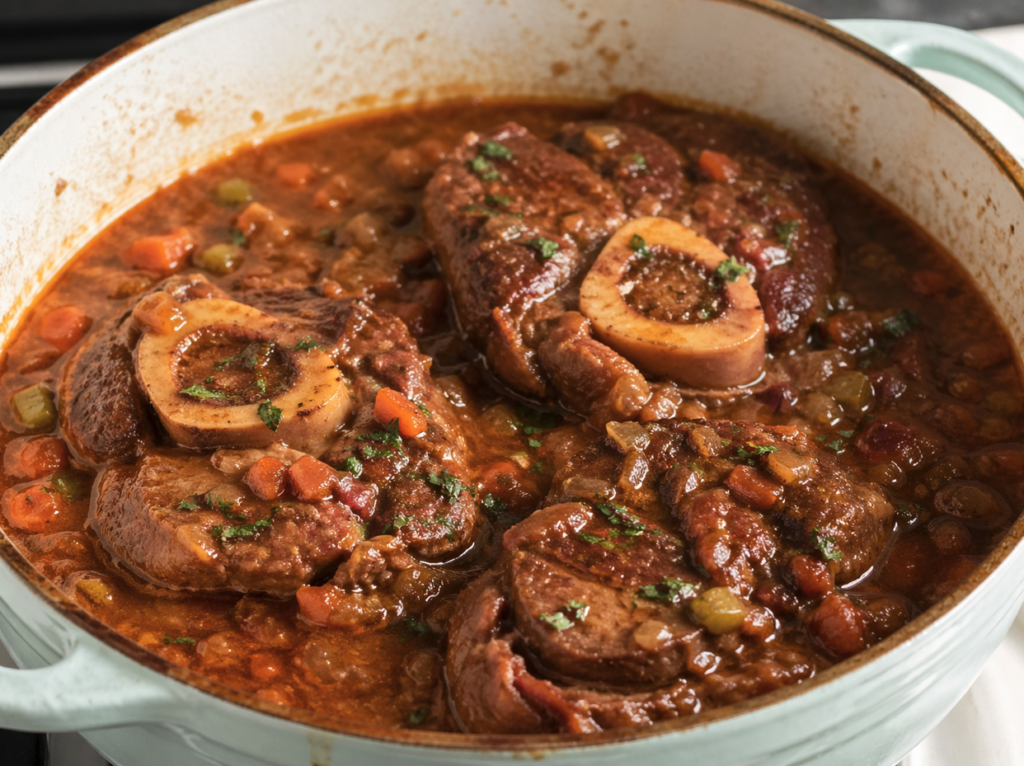
Osso Buco is a rich and flavorful traditional Italian dish, known for its tender, slow-cooked meat and deeply aromatic sauce. The dish is made using cross-cut veal shanks braised slowly until the meat becomes incredibly soft and falls off the bone. At the center of each bone is the prized marrow (“osso buco” means “bone with a hole”), which adds a luxurious, buttery richness to the dish.
It is typically served with a thick, savory sauce made from vegetables, white wine, and broth, often topped with gremolata—a fresh mixture of parsley, garlic, and lemon zest that adds brightness and balance.
B. Origin
Osso Buco originates from Milan, a region famous for its hearty and refined cuisine. The dish dates back to the 19th century and has since become a staple of Milanese gastronomy. It is traditionally served with Risotto alla Milanese, creating one of the most iconic pairings in Italian cuisine.
C. Ingredients
Osso Buco uses simple but high-quality ingredients, cooked slowly to develop deep and complex flavors.
Key ingredients include:
- Veal Shanks – Cross-cut pieces with bone marrow
- Onion, Carrot, and Celery – Classic aromatic base (soffritto)
- White Wine – Adds depth and acidity
- Broth (Beef or Chicken) – For slow braising
- Tomatoes (optional in some versions) – Adds richness
- Garlic & Parsley – For gremolata topping
- Lemon Zest – Adds freshness and contrast
- Butter & Olive Oil – Enhance flavor and texture
The slow cooking process allows the meat to absorb all the flavors, resulting in a melt-in-your-mouth experience.
D. Cultural Significance
Osso Buco is a symbol of Northern Italian culinary tradition, especially in Milanese culture. It reflects the Italian emphasis on slow cooking, patience, and maximizing flavor from simple ingredients. The dish is often served during special occasions, family gatherings, and festive meals, representing warmth and togetherness.
Its pairing with saffron risotto highlights the elegance and richness of Lombardy’s cuisine, making it a classic example of regional Italian gastronomy.
E. Why It’s Famous
Osso Buco is globally appreciated for several reasons:
- Tender, Slow-Cooked Meat – Extremely soft and flavorful
- Rich Bone Marrow – Adds a unique, luxurious taste
- Deep, Aromatic Sauce – Full of complex flavors
- Classic Italian Pairing – Often served with saffron risotto
- Gourmet Appeal – A fine-dining favorite worldwide
Its rich taste and elegant presentation make it one of the most unforgettable traditional Italian dishes that food lovers should definitely try.
7. Gelato

A. Description
Gelato is a traditional Italian frozen dessert often compared to ice cream, but it has a creamier, denser, and smoother texture. Unlike regular ice cream, gelato contains less air (low overrun), which makes it more flavorful and rich in taste. It is served slightly warmer than ice cream, allowing the flavors to be more intense and aromatic.
Gelato comes in a wide range of flavors—from classic options like chocolate and vanilla to authentic Italian varieties such as pistachio, stracciatella (chocolate chip), and hazelnut. Its silky consistency and bold flavors make it a must-try treat for dessert lovers.
B. Origin
Gelato originated in Italy during the Renaissance period, with its roots tracing back to cities like Florence and Sicily. It is often associated with Bernardo Buontalenti, who is credited with perfecting early versions of gelato for the Medici family.
Another key figure is Francesco Procopio dei Coltelli, who introduced gelato to a wider audience by opening one of the first cafés in Paris, helping spread this Italian delicacy across Europe.
C. Ingredients
Traditional gelato is made with simple, high-quality ingredients, which contribute to its authentic taste:
- Milk (more than cream, making it lower in fat than ice cream)
- Sugar (for sweetness and smooth texture)
- Fresh fruits or nuts (for natural flavoring)
- Egg yolks (used in some creamy flavors)
- Natural flavorings (such as cocoa, vanilla, or coffee)
Unlike commercial ice cream, gelato typically avoids heavy cream and artificial additives, focusing instead on fresh, natural ingredients for a pure and intense flavor profile.
D. Cultural Significance
Gelato is deeply embedded in Italian culture and lifestyle. It’s not just a dessert—it’s a daily indulgence enjoyed by locals of all ages. Walking through Italian streets with a cone of gelato is a common and cherished experience.
Traditional gelaterias (gelato shops) are an essential part of Italian communities, where artisans craft gelato fresh every day. Cities like Rome, Florence, and Venice are famous for their historic gelato spots, making gelato an important part of Italy’s culinary heritage.
E. Why It’s Famous
Gelato is famous worldwide for several reasons:
- Rich and intense flavors due to less air and higher density
- Healthier perception compared to ice cream (lower fat content)
- Artisan craftsmanship—often handmade in small batches
- Wide variety of flavors, including unique Italian specialties
- Cultural experience tied to travel and Italian lifestyle
Today, gelato is not just a dessert but a global symbol of Italian cuisine, attracting tourists and food lovers who want an authentic taste of Italy.
8. Tiramisu
A. Description
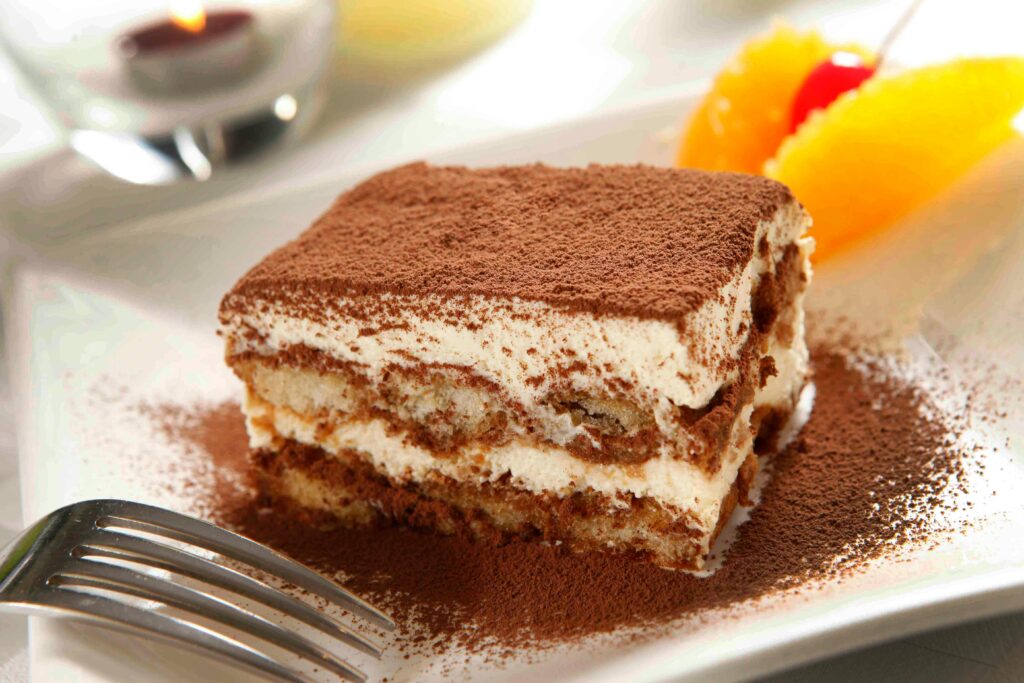
Tiramisu is a classic Italian no-bake dessert known for its rich, creamy texture and bold coffee flavor. It is made by layering coffee-soaked ladyfinger biscuits (savoiardi) with a smooth mixture of mascarpone cheese, eggs, and sugar. The dessert is then topped with a dusting of cocoa powder, giving it a slightly bitter contrast to its sweetness.
The name “Tiramisu” literally means “pick me up” in Italian, referring to its energizing ingredients like coffee and cocoa. Its soft, melt-in-your-mouth layers and balanced flavor make it a favorite among dessert lovers worldwide.
B. Origin
Tiramisu originated in the Veneto region of Italy, particularly in the city of Treviso, during the 1960s–1970s. It is often linked to the restaurant Le Beccherie, where the modern version of tiramisu is believed to have been created.
Although there are debates about its exact origin, tiramisu quickly gained popularity across Italy and eventually became a global dessert icon.
C. Ingredients
Traditional tiramisu uses simple yet high-quality ingredients that create its signature flavor:
- Ladyfinger biscuits (Savoiardi)
- Mascarpone cheese (rich and creamy Italian cheese)
- Eggs (usually separated into yolks and whites)
- Sugar
- Strong espresso coffee
- Cocoa powder (for dusting on top)
- Optional: Marsala wine or coffee liqueur for added depth
The combination of coffee, cream, and cocoa creates a perfect balance of sweet, bitter, and creamy flavors.
D. Cultural Significance
Tiramisu holds a special place in Italian culinary culture as a symbol of comfort and indulgence. It is often served during family gatherings, celebrations, and special occasions.
Despite being a relatively modern dessert, tiramisu has become a staple in Italian cuisine and is widely recognized as one of the country’s most beloved sweets. It also represents Italy’s tradition of turning simple ingredients into extraordinary dishes.
E. Why It’s Famous
Tiramisu is famous worldwide for several reasons:
- Unique flavor combination of coffee, cream, and cocoa
- No-bake preparation, making it easy yet elegant
- Luxurious texture with soft, layered consistency
- Global popularity in restaurants and cafés
- Versatility, with modern variations like chocolate, fruit, or matcha tiramisu
Today, tiramisu is considered a signature Italian dessert and a must-try for anyone exploring traditional Italian dishes.
9. Focaccia
A. Description
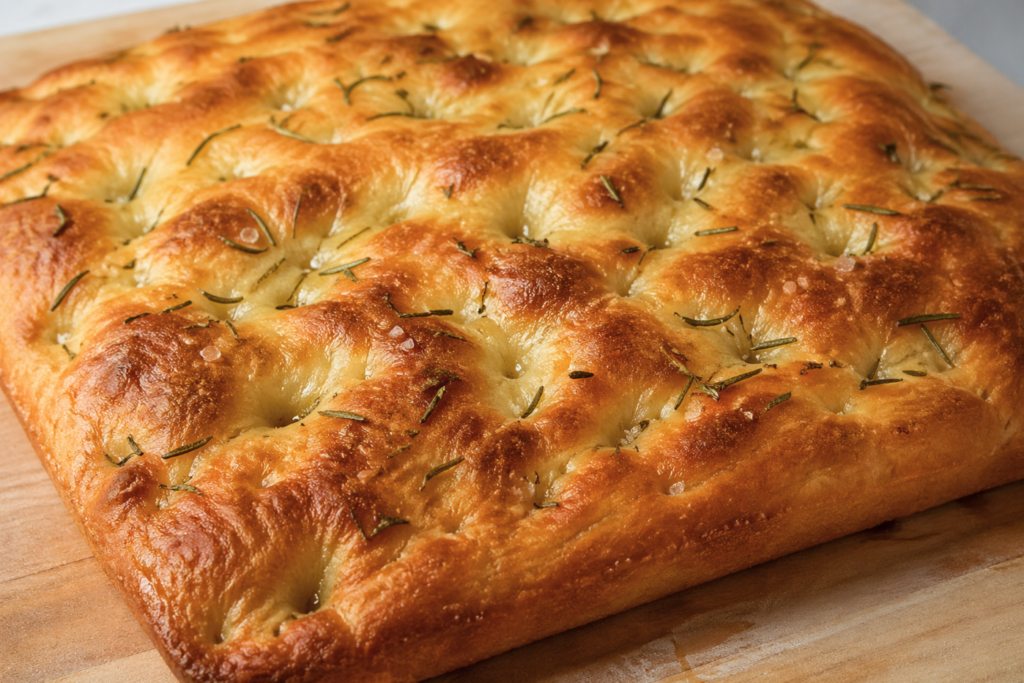
Focaccia is a classic Italian flatbread known for its soft, airy texture and slightly crispy crust. Often compared to pizza dough, focaccia is thicker and fluffier, with dimples pressed into the surface to hold olive oil and toppings. It can be served plain or topped with herbs, vegetables, or even sweet ingredients, making it a versatile dish enjoyed as a snack, appetizer, or side.
B. Origin
Focaccia dates back to ancient Roman times, making it one of Italy’s oldest bread traditions. Its name comes from the Latin word “panis focacius”, meaning bread baked on a hearth.
The modern version of focaccia is strongly associated with the region of Liguria, especially the coastal city of Genoa. In fact, Focaccia alla Genovese is one of the most famous regional variations and is considered an essential part of local cuisine.
C. Ingredients
Focaccia is made using simple pantry ingredients, but the quality of each element plays a big role in its taste:
- Flour (usually all-purpose or bread flour)
- Water
- Yeast
- Extra virgin olive oil (key ingredient for flavor and texture)
- Salt
Optional toppings include:
- Fresh herbs like rosemary
- Vegetables such as tomatoes or onions
- Olives or cheese
The generous use of olive oil gives focaccia its rich taste and moist texture, setting it apart from other breads.
D. Cultural Significance
Focaccia is deeply rooted in Italian daily life, especially in regions like Liguria. It is commonly eaten at breakfast, as a street food snack, or alongside meals.
In Genoa, locals often dip focaccia in coffee for breakfast—a unique and authentic tradition. Bakeries across Italy prepare fresh focaccia daily, making it a staple of Italian food culture and community life.
E. Why It’s Famous
Focaccia is famous around the world for several reasons:
- Simple yet flavorful recipe using basic ingredients
- Versatility—can be plain, herbed, or topped with various ingredients
- Soft and airy texture with crispy edges
- Key base for sandwiches and gourmet dishes
- Authentic Italian heritage dating back to ancient times
Today, focaccia is a global favorite bread, often found in bakeries and restaurants far beyond Italy, loved for its comforting taste and endless variations.
10. Arancini
A. Description
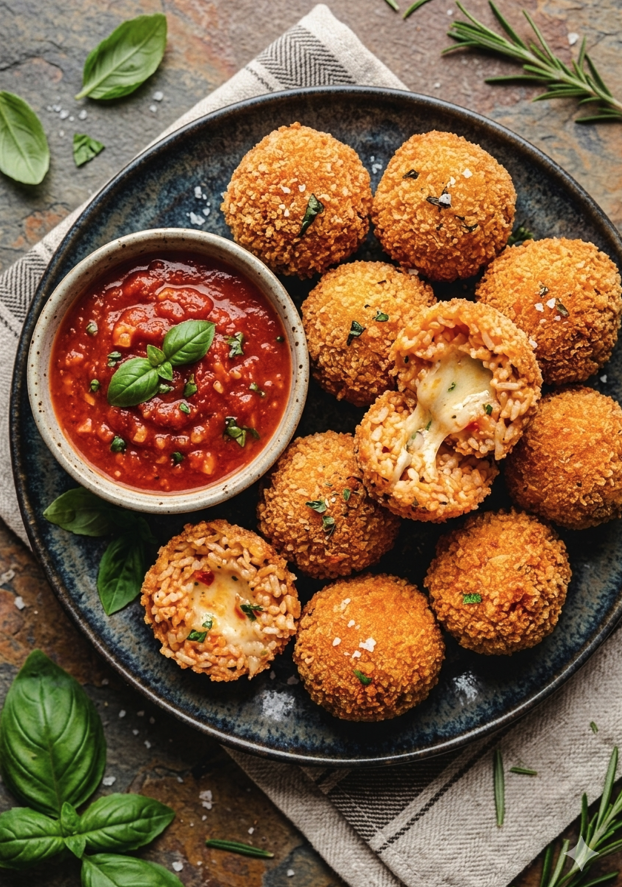
Arancini are crispy, golden-fried rice balls that are crunchy on the outside and soft, flavorful on the inside. They are typically shaped into balls or cones and filled with a variety of savory ingredients such as meat sauce, cheese, or vegetables.
The name “Arancini” comes from the Italian word “arancia” (orange), as these rice balls resemble small oranges in both size and color. When you bite into an arancini, you experience a perfect contrast of textures—a crispy breadcrumb coating with a warm, creamy rice filling.
B. Origin
Arancini originated in Sicily, particularly in the city of Palermo, during the 10th century under Arab rule. The Arabs introduced rice and saffron to the region, which later became key ingredients in this dish.
Over time, Sicilians began shaping leftover risotto into balls, stuffing them, and frying them—creating what we now know as arancini. Today, they are a staple of Sicilian cuisine and widely enjoyed across Italy.
C. Ingredients
Traditional arancini are made using simple yet flavorful ingredients:
- Arborio rice (used to make risotto)
- Saffron (for color and subtle flavor)
- Meat ragù (ground meat cooked in tomato sauce)
- Mozzarella cheese (for a gooey center)
- Peas (often included in the filling)
- Eggs (to bind the rice)
- Breadcrumbs (for coating)
- Oil (for deep frying)
There are also vegetarian and modern variations with fillings like spinach, mushrooms, or even pistachio cream.
D. Cultural Significance
Arancini are an important part of Sicilian street food culture and are enjoyed during festivals, family gatherings, and as a quick snack on the go. They are especially popular during the feast of Feast of Saint Lucia, when eating bread and pasta is traditionally avoided, and rice-based dishes like arancini take center stage.
You’ll find arancini in bakeries, cafés, and street stalls throughout Palermo and across Sicily, making them a true symbol of local culinary tradition.
E. Why It’s Famous
Arancini are famous worldwide for several reasons:
- Crispy outside with a rich, flavorful filling inside
- Perfect street food—easy to eat and satisfying
- Wide variety of fillings, from classic meat to modern twists
- Deep cultural roots in Sicilian cuisine
- Unique texture and taste combination
Today, arancini are loved globally as a must-try Italian snack, offering an authentic taste of Sicily in every bite.
11. Polenta
A. Description
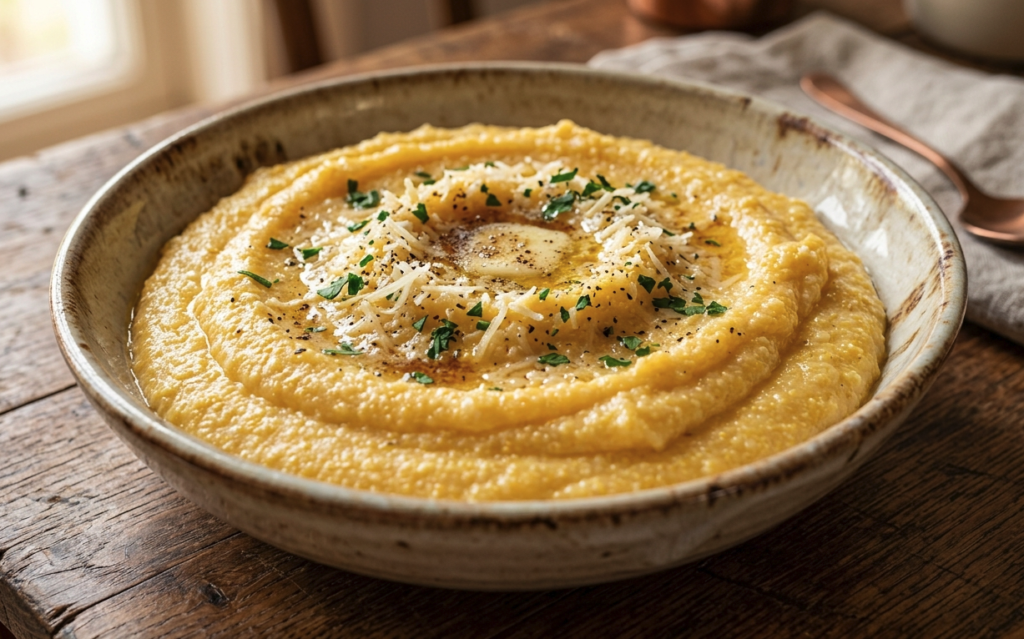
Polenta is a traditional Italian dish made from coarsely ground cornmeal, cooked slowly with water or broth until it becomes smooth, creamy, and comforting. Depending on how it’s prepared, polenta can be served soft and porridge-like or cooled and sliced into firm pieces that can be grilled, baked, or fried.
Its mild flavor makes it highly versatile—it can be paired with rich meat sauces, cheeses, vegetables, or seafood. Polenta is often compared to porridge but stands out for its hearty texture and ability to absorb flavors beautifully.
B. Origin
Polenta has its roots in Northern Italy, particularly in regions like Lombardy and Veneto. However, its history dates back to ancient times when similar dishes were made using grains like barley and spelt.
After corn was introduced to Europe from the Americas in the 16th century, it became the main ingredient in polenta, transforming it into the dish we know today. It became a staple food among rural communities due to its affordability and nutritional value.
C. Ingredients
Traditional polenta is made using simple and wholesome ingredients:
- Cornmeal (coarse ground maize)
- Water or broth
- Salt
Optional additions for enhanced flavor:
- Butter
- Cheese (such as Parmesan)
- Cream or milk
Because of its simplicity, the quality of the cornmeal plays a major role in achieving authentic taste and texture.
D. Cultural Significance
Polenta holds deep importance in Italian culinary tradition, especially in Northern regions where it was once considered a “poor man’s food”. It provided a reliable and filling meal for farmers and laborers.
Today, polenta has evolved into a gourmet dish served in high-end restaurants as well as homes. It represents Italy’s ability to turn simple ingredients into comforting and flavorful meals.
E. Why It’s Famous
Polenta is famous worldwide for several reasons:
- Versatility—can be served creamy, grilled, baked, or fried
- Gluten-free option, making it popular among health-conscious eaters
- Comfort food appeal with a rich and hearty texture
- Pairs well with a variety of dishes, from meats to vegetables
- Strong cultural roots in Italian cuisine
Today, polenta is recognized as a classic Italian staple, loved for its simplicity, adaptability, and comforting taste.
12. Caprese Salad

A. Description
Caprese Salad (Insalata Caprese) is a simple yet elegant Italian dish made with fresh tomatoes, mozzarella cheese, and basil leaves, drizzled with olive oil. Known for its vibrant colors—red, white, and green, it beautifully reflects the Italian flag.
This salad is loved for its light, refreshing taste and natural flavors. The juicy sweetness of tomatoes, the creamy softness of mozzarella, and the aromatic freshness of basil create a perfect balance. It is typically served as an appetizer (antipasto) and is especially popular during summer.
B. Origin
Caprese Salad originated on the island of Capri, located in the region of Campania. It is believed to have been created in the early 20th century as a tribute to Italy, using ingredients that represent the colors of the national flag. Over time, it became a symbol of Italian simplicity and culinary elegance.
C. Ingredients
Caprese Salad uses fresh, high-quality ingredients to deliver its signature flavor:
- Ripe tomatoes (preferably heirloom or vine-ripened)
- Fresh mozzarella cheese (often buffalo mozzarella)
- Fresh basil leaves
- Extra virgin olive oil
- Salt (and sometimes black pepper)
Optional variations may include a drizzle of balsamic glaze, but the traditional version keeps it minimal to highlight the natural ingredients.
D. Cultural Significance
Caprese Salad represents the essence of Italian cuisine—simplicity, freshness, and quality. It shows how just a few ingredients can create a dish that is both visually stunning and incredibly (delicious).
It is widely served in homes, restaurants, and cafés across Italy, especially in coastal regions. The dish is also associated with Mediterranean diet principles, emphasizing fresh and healthy eating.
E. Why It’s Famous
Caprese Salad is famous worldwide for several reasons:
- Simple and quick to prepare
- Healthy and nutritious, rich in fresh ingredients
- Visually appealing with colors of the Italian flag
- Authentic Italian flavor with minimal ingredients
- Perfect summer dish—light and refreshing
Today, Caprese Salad is a global favorite appetizer, loved by travelers and food enthusiasts seeking a true taste of Italy.
13. Gnocchi
A. Description
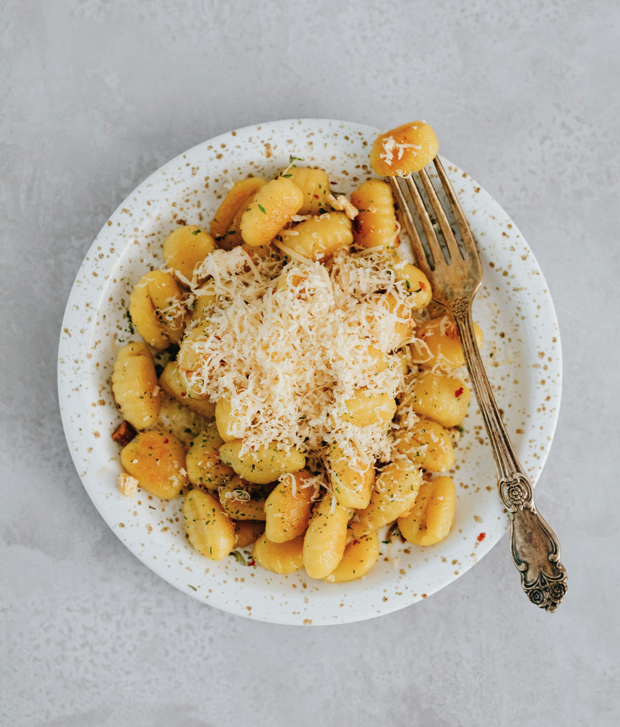
Gnocchi are soft, pillowy dumplings that are a staple of traditional Italian dishes. They are typically small, bite-sized pieces with a light, tender texture that melts in your mouth. Unlike pasta, gnocchi are made from dough that gives them a delicate and slightly chewy consistency.
They are often shaped with ridges using a fork or special board, which helps sauces cling better. Gnocchi can be served with a variety of sauces, including tomato sauce, pesto, butter and sage, or creamy cheese sauces, making them a versatile and satisfying meal.
B. Origin
Gnocchi have ancient origins, dating back to the Roman Empire, when similar dumplings were made using semolina. The modern potato-based version became popular after potatoes were introduced to Europe in the 16th century.
Gnocchi are especially associated with regions like Lombardy and Piedmont, where they became a key part of local cuisine. Today, they are enjoyed all across Italy with regional variations.
C. Ingredients
Traditional potato gnocchi are made using simple, wholesome ingredients:
- Potatoes (starchy varieties work best)
- Flour
- Eggs (optional in some recipes)
- Salt
Variations may include:
- Ricotta cheese (for softer gnocchi)
- Spinach or pumpkin (for flavored versions)
The key to perfect gnocchi is achieving a soft dough that isn’t too sticky or dense, ensuring a light and fluffy texture.
D. Cultural Significance
Gnocchi are deeply rooted in Italian family traditions and are often prepared at home, especially during special meals. In many parts of Italy and even in countries like Argentina, there is a tradition of eating gnocchi on the 29th of each month, known as “Gnocchi Day”, symbolizing good luck and prosperity.
They represent comfort food in Italian cuisine, showcasing how simple ingredients can be transformed into something truly delicious and satisfying.
E. Why It’s Famous
Gnocchi are famous worldwide for several reasons:
- Soft, melt-in-your-mouth texture
- Versatility with a wide range of sauces and flavors
- Simple ingredients with rich taste
- Strong cultural traditions and history
- Unique alternative to pasta
Today, gnocchi are considered a classic Italian favorite, loved by both home cooks and chefs around the world.
14. Panna Cotta
A. Description
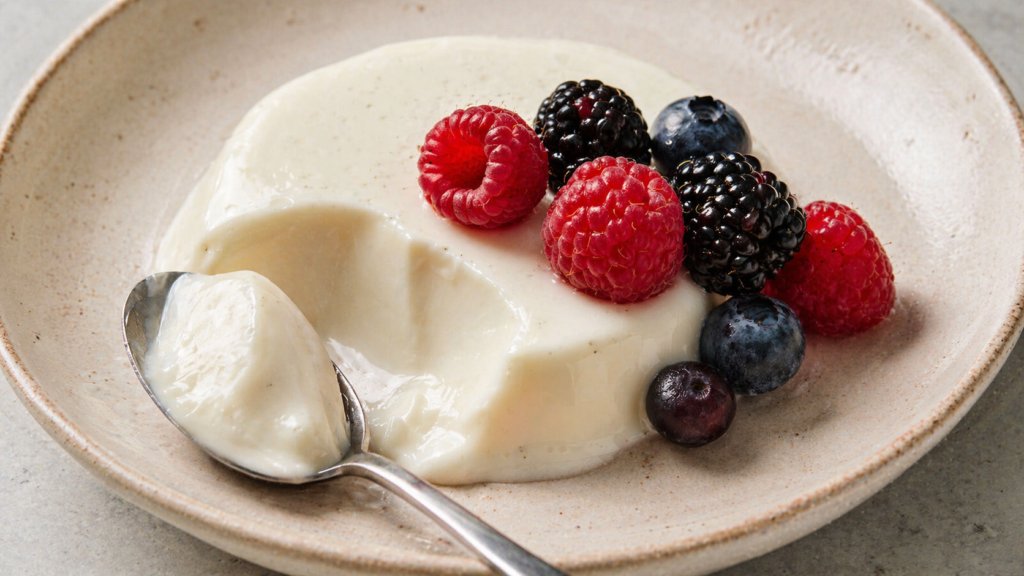
Panna Cotta is a classic Italian dessert known for its silky-smooth, creamy texture and delicate flavor. The name literally means “cooked cream” in Italian. It is a molded dessert that gently wobbles when served, offering a soft, melt-in-your-mouth experience.
Panna cotta is lightly sweetened and often infused with vanilla, then topped with fruit sauces, caramel, or chocolate. Its simplicity and refined presentation make it a popular choice in fine dining as well as home cooking.
B. Origin
Panna cotta originated in the region of Piedmont in Northern Italy. It is believed to have been developed in the early 20th century, though some historians suggest earlier roots influenced by European custard-making traditions. The dessert gained popularity across Italy and eventually worldwide due to its elegance and ease of preparation.
C. Ingredients
Traditional panna cotta is made using just a few simple ingredients, highlighting the beauty of Italian cuisine:
- Heavy cream
- Sugar
- Gelatin (to set the dessert)
- Vanilla (for flavor)
Optional toppings and variations include:
- Fresh berries or fruit compote
- Caramel sauce
- Chocolate or coffee flavoring
The balance of cream and gelatin creates its signature smooth and delicate consistency.
D. Cultural Significance
Panna cotta represents the elegance and simplicity of Italian dessert culture. It is often served in restaurants as a refined dessert option and is popular during special occasions and celebrations. Despite its luxurious taste, panna cotta is easy to prepare, reflecting Italy’s culinary philosophy of creating beautiful dishes from minimal ingredients.
E. Why It’s Famous
Panna cotta is famous worldwide for several reasons:
- Smooth and creamy texture with a delicate wobble
- Simple recipe with elegant results
- Versatile dessert with many flavor variations
- Light yet indulgent, perfect after meals
- Popular in fine dining and global cuisine
Today, panna cotta is recognized as a signature Italian dessert, loved for its sophistication, simplicity, and rich taste.
Conclusion: Taste the Real Italy
Italy offers one of the best food experiences in the world. From pasta to desserts, every dish is full of tradition and flavor. This guide to traditional Italian dishes helps you discover the best meals across the country. Whether you are traveling or just exploring food, these dishes will give you a true taste of Italy.
Frequently Asked Questions (FAQs) About Traditional Italian Dishes
1. What are the most famous traditional Italian dishes?
Some of the most famous dishes include pizza, pasta carbonara, lasagna, risotto, and tiramisu.
2. What food should I try first in Italy?
Start with pizza in Naples or pasta in Rome for an authentic experience.
3. Is Italian food the same everywhere in Italy?
No, each region has its own unique dishes and flavors.
4. What is the best dessert in Italy?
Tiramisu and gelato are the most popular choices.
5. How can I find authentic Italian food?
Look for local restaurants, avoid tourist areas, and try regional specialties.