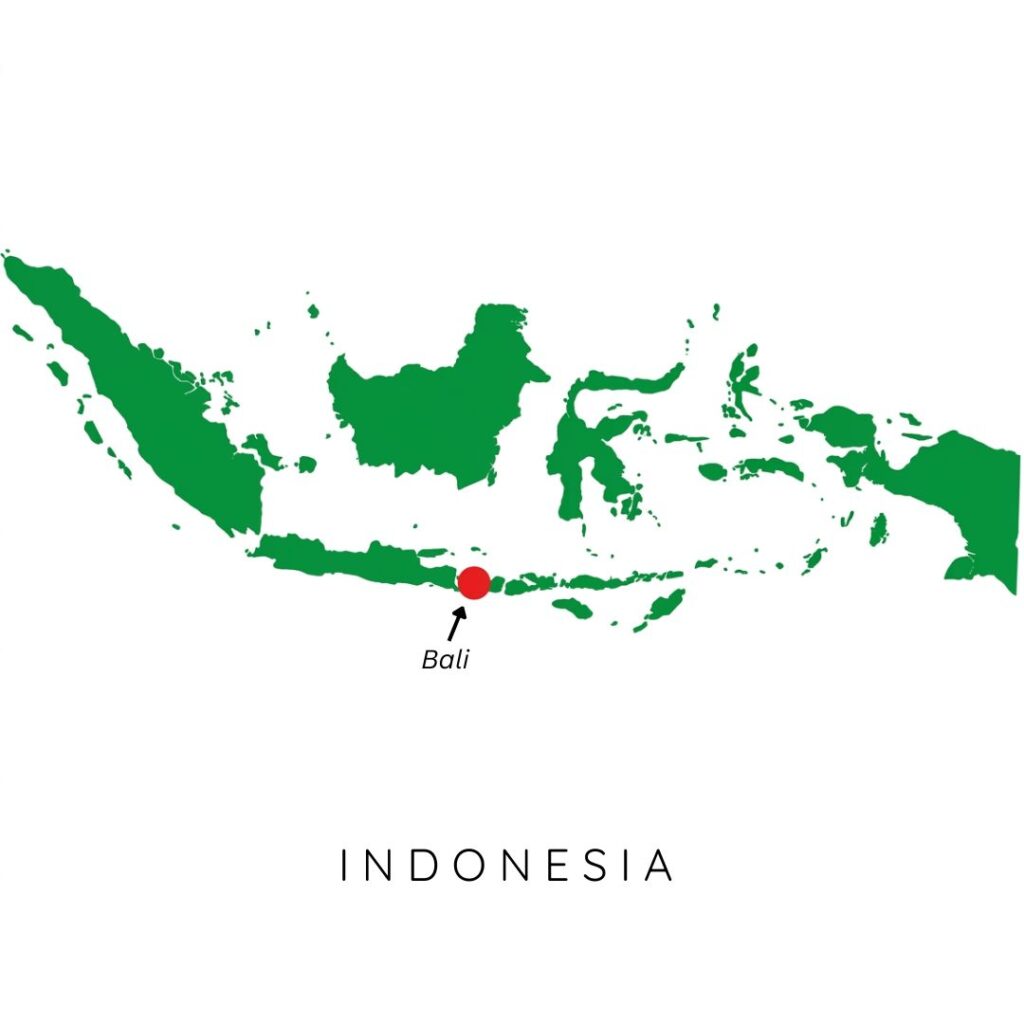
Bali feels almost unreal from the moment you arrive. This small Indonesian island is packed with impossibly green rice terraces, pounding surf, dramatic volcanoes, beach clubs, waterfalls, and vibrant cafés that attract millions of travelers every year. Everywhere you go, you’ll find a different side of the island — from the energetic nightlife of Kuta and the luxury vibes of Seminyak to the artistic charm of Ubud and the peaceful coastal towns of Amed, Bingin, and Pemuteran. Bali may be compact in size, but its landscapes, culture, and experiences are incredibly diverse.
What truly makes Bali unforgettable is the atmosphere. Enchanting temple ceremonies, mesmerizing traditional dances, colorful frangipani flowers, warm local hospitality, and food bursting with fresh flavors create an experience that feels far deeper than a typical tropical getaway. You can spend your days hiking volcanoes, surfing world-class waves, relaxing in mountain retreats, sipping a cold Bintang beer at sunset, or exploring hidden beaches along the coast. Accommodation ranges from budget-friendly surfer stays to luxurious jungle resorts, while the dining scene stretches from authentic local warungs to world-class restaurants led by international chefs.
However, Bali is not just another easy beach destination. First-time visitors are often surprised by its unique culture, transportation challenges, weather patterns, and travel quirks. Understanding local customs, budgeting wisely, knowing the best time to visit, and avoiding common tourist mistakes can make a huge difference in your experience. Whether you’re planning a romantic escape, a solo backpacking adventure, a family vacation, or a digital nomad stay, being prepared will help you enjoy Bali in the best possible way.
In this detailed Bali travel guide, you’ll discover everything you need to know before visiting Bali — including transportation tips, cultural etiquette, budgeting advice, hidden gems, scams to avoid, and practical travel tips to make your trip smoother, safer, and far more enjoyable.
Why Bali Is One of the Most Popular Travel Destinations in the World
Bali offers a unique mix of nature, spirituality, adventure, luxury, nightlife, and affordability. Few places in the world allow you to:
- Watch the sunrise from a volcano
- Relax at luxury beach clubs
- Explore ancient temples
- Surf world-famous beaches
- Eat affordable local food
- Stay in beautiful villas
- Visit waterfalls and rice terraces
- Experience deep spiritual culture
Another reason Bali is so popular is that it caters to almost every type of traveler:
- Backpackers on a budget
- Couples and honeymooners
- Solo travelers
- Families
- Luxury travelers
- Digital nomads
- Adventure seekers
Still, despite its beauty, Bali can feel overwhelming if you’re unprepared. That’s why understanding the basics before your trip is essential.
1. Best Time to Visit Bali
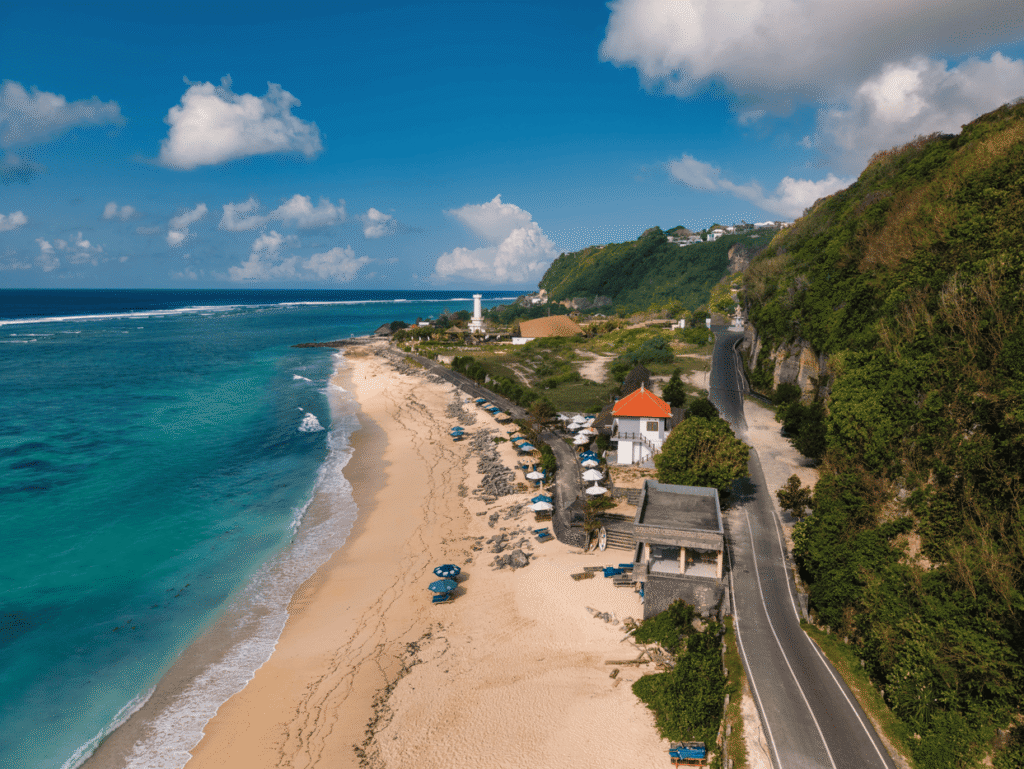
One of the most important things to know before visiting Bali is the weather. Bali has two primary seasons:
A. Dry Season: April to October
People often choose to visit Bali during the dry season for the sunny weather, lower humidity, and perfect beach conditions. It’s ideal for surfing, hiking, diving, and island hopping — but it also becomes insanely crowded.
B. Cheapest Time: November to March (Rainy Season)
- Tropical rain showers, usually short but frequent
- Lush green scenery and quieter resorts
- Good for spa retreats, cafés, yoga, and budget travel
- December holidays can still be crowded and pricey
2. Visa and Entry Requirements
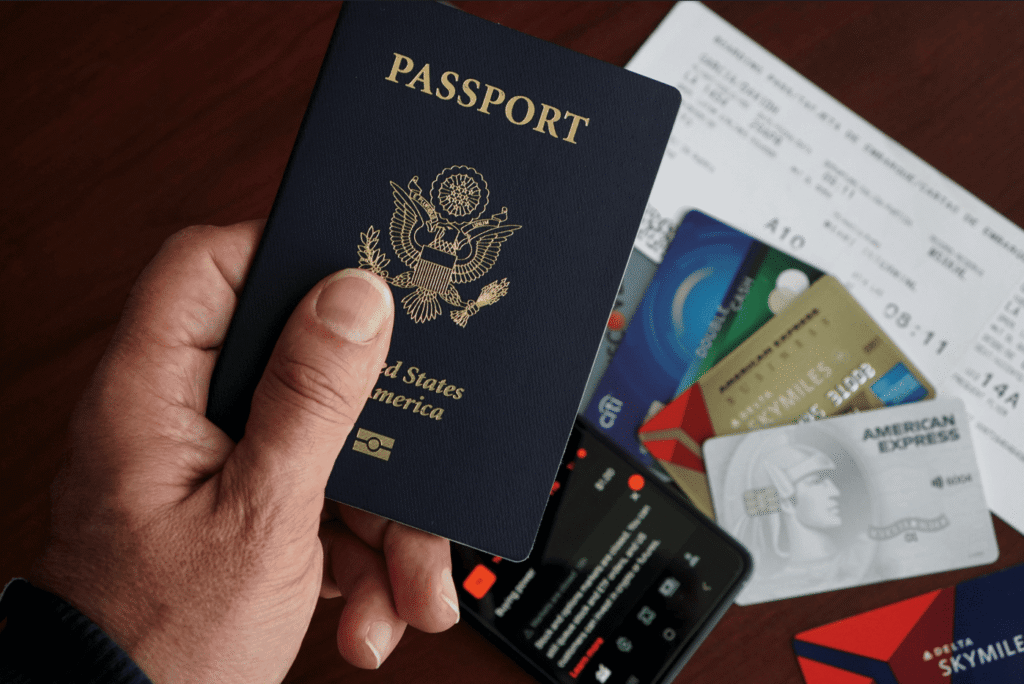
Visa policies can change, so always check official Indonesian immigration websites before your trip.
Visa on Arrival (VoA / e-VoA) — Most Common for International Tourists
You can get it at the airport upon arrival (VoA) or online before travel through the official Indonesian e-Visa portal (e-VoA). Many countries — including USA, UK, EU countries, Australia, Japan, South Korea, UAE, India etc. — are eligible for Indonesia’s Visa on Arrival program.
Main details:
- Valid for tourism purposes
- Initial stay: 30 days
- Extendable once for another 30 days
- Maximum total stay: 60 days
Typical requirements for most travelers:
- Passport valid for at least 6 months
- Return/onward flight ticket
- Hotel booking or accommodation proof
- Sufficient funds
- Passport blank pages
- Visa fee payment
Important:
Tourist visas do NOT allow:
- Employment
- Paid work
- Journalism
- Commercial filming/content creation tied to brands
- Long-term study
Indonesia recently warned tourists — especially influencers/content creators — that even unpaid promotional work may violate tourist visa rules.
Pre-Approved Tourist Visa Required
Some nationalities are NOT eligible for Visa on Arrival and must apply for a tourist visa before traveling. These travelers usually need:
- Embassy visa
- Sponsored visa
- C1/211A visitor visa
Countries in this category may include Pakistan, Nepal, Sri Lanka, several African nations, and others.
Additional Info:
Bali introduced a tourism levy (tourism tax) for foreign visitors. Travelers are generally expected to pay:
- IDR 150,000 (around $8.4 USD)
This supports environmental and cultural preservation.
3. Currency and Money Tips

A. Bali Uses Indonesian Rupiah (IDR)
The official currency in Bali is the Indonesian Rupiah (IDR). Prices can look confusing at first because of the extra zeros.
For example:
- 100,000 IDR is only a few dollars (approx. $5.59 USD).
- 1 million IDR sounds huge but is relatively normal for hotel payments (approx. $55.92 USD).
B. Money Tips for Bali
a. Carry Some Cash
You gotta carry some cash in bali, it’s still very important even though cards are widely accepted in tourist areas. You’ll often need cash for: street food stalls, small cafés (warungs), local markets, temple entry donations, scooter parking and Taxis or local drivers (sometimes), etc.
Cards usually work fine in places like: hotels, beach clubs, large restaurants, etc. Visa and Mastercard are the most accepted.
b. Use ATMs Carefully
ATMs are widely used across Bali, but in rural areas it’s pretty nuts though. ATMs are available, but far apart or sometimes don’t work, or commonly run outta cash. Problems may occur, like your cash getting stuck or something like that.
You gotta be careful while using ATMs, like protecting your card, PIN, and cash from scams or theft. Here are the most important precautions:
- Check for Tampering: Before inserting your card, inspect the ATM for signs of tampering such as loose or bulky card slots, hidden cameras, fake keypad overlays, or any unusual parts sticking out; if anything looks suspicious, do not use the machine.
- Common ATM Scams to Avoid: Be cautious of scams such as the “card stuck” trick, where criminals distract you and steal your PIN, fake helpers offering unnecessary assistance, shoulder surfing where someone watches you enter your PIN, and cash-trapping devices that prevent your money from dispensing properly.
- Before using an ATM, choose one attached to a bank or located in a well-lit areas with security cameras or guards, avoid isolated locations or late-night visits, and keep your card ready before approaching the machine.
C. Don’t hesitate to bargain
Bargaining is common in local markets, street stalls, and souvenir shops in Bali, but it is generally not expected in supermarkets, restaurants, shopping malls, or stores with fixed prices. When negotiating, be friendly and respectful, start with a reasonable counteroffer (often around 50–70% of the initial price), and be prepared to walk away if the price doesn’t suit your budget. Keeping the conversation lighthearted usually leads to better deals than aggressive haggling.
D. Tipping isn’t mandatory
Tipping is appreciated but not mandatory in Bali. Many restaurants and hotels already include a service charge (usually 5–10%) and government tax on the bill, so check before tipping extra. If no service charge is included, leaving 5–10% for good service is a nice gesture. For taxi drivers, tour guides, spa therapists, and hotel staff, small tips are welcomed, especially when the service exceeds expectations. Cash tips in Indonesian Rupiah are generally preferred.
4. Transportation in Bali
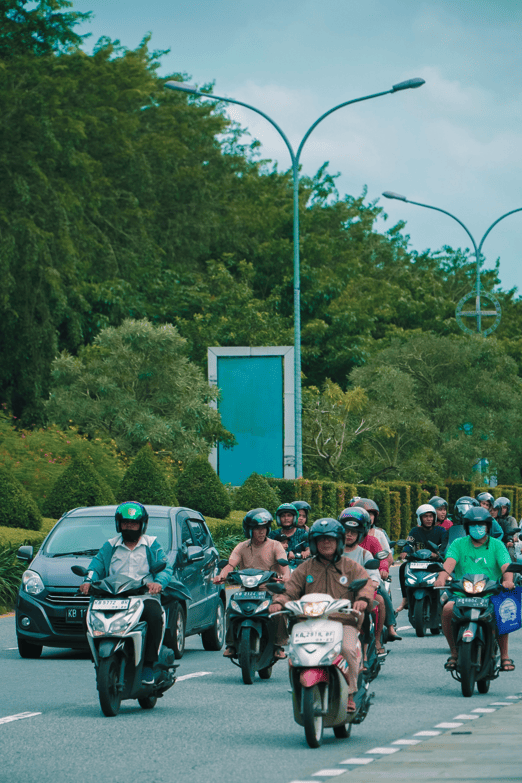
Transportation is one of the biggest surprises for first-time travelers.
A. Airport Transportation
Another thing to keep in mind before visiting Bali is that most international visitors arrive at Ngurah Rai International Airport. After a long journey from your home country, the last thing you want is to deal with dozens of taxi drivers trying to get your attention and persuade you to use their services. You may not feel like bargaining after a tiring flight, especially since airport transportation can be quite expensive. To avoid all that hassle, it’s best to book your transport in advance. Doing so will make your arrival in Bali as smooth and stress-free as possible.
So, here are some transportation options that can make your arrival in Bali as smooth and stress-free as possible:
a. Ride-Hailing Apps (Most Popular Option)
Since Uber no longer operates in Bali or anywhere else in Indonesia, the easiest—and often the cheapest—way to get from the airport to your accommodation is by using ride-hailing apps such as Grab and Gojek.
After collecting your luggage at Ngurah Rai International Airport, simply open either app, enter your destination, and book a ride. Both services display the fare upfront, so you know exactly how much you’ll pay before confirming the trip. This means there’s no need to negotiate prices with taxi drivers after a long flight.
For many travelers, Grab and Gojek offer a convenient, affordable, and stress-free way to start their Bali adventure.
Best for: Solo travelers, couples, and budget-conscious visitors.
b. Pre-Booked Airport Transfers
Many travelers prefer to arrange a private airport transfer before arriving in Bali.
Popular booking platforms include:
- Klook
- GetYourGuide
- Viator
Your driver will usually be waiting in the arrivals area holding a sign with your name and will take you directly to your hotel.
Best for: Families, first-time visitors, travelers arriving late at night, and those carrying a lot of luggage.
c. Hotel Airport Transfers
Many hotels, villas, and resorts in Bali offer airport pickup services. Before your trip, check your accommodation’s website or contact them directly to see if this service is available. While hotel transfers may cost a little more than Grab or Gojek, they’re often the most hassle-free option.
Best for: Travelers staying at resorts or luxury properties.
d. Private Driver Services
If you’re planning to start exploring Bali as soon as you arrive, consider hiring a private driver in advance through a travel platform or a local driver’s website.
Many private drivers also offer:
- Airport pickups
- Full-day tours
- Multi-day transportation services
This can be a great option if you’re heading straight to places like Ubud, Canggu, or Uluwatu.
B. Scooter Rentals (Best for Flexibility)
Scooters are an extremely popular mode of transportation in Bali. One of the biggest advantages of renting a scooter is the freedom it gives you. You don’t have to wait for taxis, deal with bargaining, or rely on someone else’s schedule. You can go wherever you want, whenever you want, and explore the island at your own pace.
Renting a scooter is also very affordable. Daily rental prices typically range from around IDR 60,000 ($3.33 USD) to IDR 150,000 ($8.31 USD), making scooters one of the most budget-friendly ways to get around Bali.
But before renting, remember:
- An International Driving Permit (IDP) is officially required.
- Always wear a helmet.
- Road conditions and traffic can be challenging for inexperienced riders.
- Travel insurance may not cover accidents if you ride without proper licensing.
If you’re inexperienced with scooters, avoid renting one immediately.
5. Internet and SIM Cards

I assume that the moment you land in Bali, you’ll probably need internet for Grab or Gojek, Google Maps, WhatsApp, hotel directions, booking activities, and more. So, if you can’t manage without mobile data, it’s a good idea to get a SIM card as soon as possible. Having internet access from the start will make your arrival much smoother and help you get around Bali with ease.
A. Where Can You Buy a SIM Card in Bali?
a. Bali Airport (Easiest Option)
As soon as you exit customs at Ngurah Rai International Airport, you’ll see SIM card counters from Telkomsel, XL, and other providers. Staff will usually:
- Register the SIM using your passport
- Install it for you
- Activate the data package
- Test that it works before you leave
It’s very convenient, but airport prices are usually higher than buying in town.
b. Official Mobile Stores (Best Option)
You can visit official stores like:
- Telkomsel GraPARI
- XL Center
- IM3 Stores
Staff will help with registration and setup, and prices are usually better than airport kiosks.
c. Convenience Stores
You can also buy SIM cards at:
- Indomaret
- Alfamart
They’re everywhere in Bali and often cheaper than airport counters. Just bring your passport.
B. Should you buy a physical SIM card or an eSIM?
But a question that often comes to mind is: should you buy a physical SIM card or an eSIM? Many travelers get stuck trying to decide between the two and wonder which option is the smarter choice. The good news is that the right answer depends on your travel style and device.
To make things easier, here’s a simple comparison between SIM cards and eSIMs:
Choose Physical SIM if:
You want the cheapest option
- You need a local Indonesian phone number
- Your phone doesn’t support eSIM
- You’re staying for a longer period
Physical SIMs usually offer more data for the money.
Choose eSIM if:
Your phone supports eSIM
- You want internet immediately after landing
- You don’t want to swap physical SIM cards
- You’re staying for a short trip
You can buy and activate many eSIMs before your flight even takes off.
6. Local Culture and Etiquette

Bali is an incredibly spiritual island, and the majority of Balinese people are deeply religious. Because of this, it’s important to be mindful of how you behave and dress, especially when visiting temples and other sacred places. Understanding a few local customs can go a long way in showing respect and making your trip more enjoyable.
A. Respect Religious Ceremonies
Religion plays a major role in daily life in Bali. As you explore the island, you’ll likely see colorful processions, temple ceremonies, and small offerings placed on sidewalks, shop entrances, and even in the middle of the street. These offerings are an important part of Balinese culture and are treated with great respect. To help you avoid unintentionally offending locals, here are some important do’s and don’ts to keep in mind:
Do’s
- Observe ceremonies respectfully from a distance.
- Ask permission before taking close-up photos of people participating.
- Follow instructions from local temple staff.
Don’ts
- Walk through religious processions.
- Interrupt ceremonies for photos.
- Touch sacred objects unless invited.
B. Watch Out for Daily Offerings
One of Bali’s most recognizable traditions is the Canang Sari—small woven baskets filled with flowers, rice, and incense offered to the gods.
You’ll find them everywhere:
- On sidewalks
- At hotel entrances
- In restaurants
- Outside homes and shops
Try not to step on or move them, as they are an important part of Balinese spiritual life.
C. Remove Shoes When Appropriate
It’s customary to remove shoes before:
- Entering someone’s home.
- Some guesthouses and villas.
- Certain temples and sacred spaces.
If you see shoes outside an entrance, it’s usually a sign to remove yours too.
D. Use Your Right Hand
In traditional etiquette:
- Use your right hand when giving or receiving money, food, or gifts.
- If using your left hand, support it with your right hand as a sign of respect.
Most locals understand foreign customs, but using your right hand is appreciated.
E. Avoid Touching People’s Heads
In Balinese culture, the head is considered the most sacred part of the body.
Avoid:
- Touching someone’s head.
- Patting children on the head, even playfully.
7. How to dress in Bali

While exploring Bali, choosing the right outfit can make a big difference. The Island of the Gods enjoys warm weather and plenty of sunshine throughout the year, but that doesn’t mean you should walk around half-dressed everywhere. Wearing appropriate clothing not only keeps you comfortable but also shows respect for Balinese culture, values, and customs.
So, here’s a quick guide to dressing appropriately during your stay, helping you stay comfortable while making the most of your time in Bali.
A. What to wear in Bali during the day?
When you’re out exploring Bali during the day, comfort is key. Pack lightweight T-shirts, tank tops, or any breathable shirts that help you stay cool in the tropical heat. Pair them with shorts, skirts, or loose linen pants for a relaxed and comfortable look. Women often find sundresses a great choice for both sightseeing and casual outings. For footwear, sandals or comfortable walking shoes work best, especially if you plan to spend a lot of time exploring. Don’t forget essentials like sunglasses and a hat to protect yourself from Bali’s strong sunshine.
B. What to wear in Bali at the beach?
When spending time at Bali’s beaches or resort pools, swimsuits and bikinis are perfectly acceptable. However, it’s considered respectful to put on a cover-up, sarong, or a light shirt when you’re heading away from the beach and into shops, restaurants, or local areas. A pair of flip-flops or water-friendly sandals is also a practical choice, making it easy to move between the sand, poolside, and nearby attractions.
C. What to wear when visiting temples in Bali?
If you plan to visit Bali’s beautiful temples, such as Tanah Lot, Uluwatu Temple, or Besakih Temple, it’s important to dress modestly as a sign of respect for local traditions. Make sure your shoulders and knees are covered, and avoid wearing overly revealing clothing. Most temples provide sarongs at the entrance, but bringing your own can be more convenient. A light shawl or scarf is also useful, as it can help you cover up when needed while remaining comfortable in Bali’s warm weather.
So there you have it—when visiting Bali, dressing appropriately is all about showing respect for the local culture while staying comfortable in the tropical climate. It’s perfectly fine to wear swimwear at the beach or pool, but once you leave those areas, it’s best to change into casual clothing. Walking around town or riding a scooter in a bikini or swimsuit is generally considered inappropriate. As a visitor, taking a little time to follow local customs and dress respectfully goes a long way in helping you enjoy a positive and welcoming experience on the Island of the Gods.
8. Drinking Water Warning
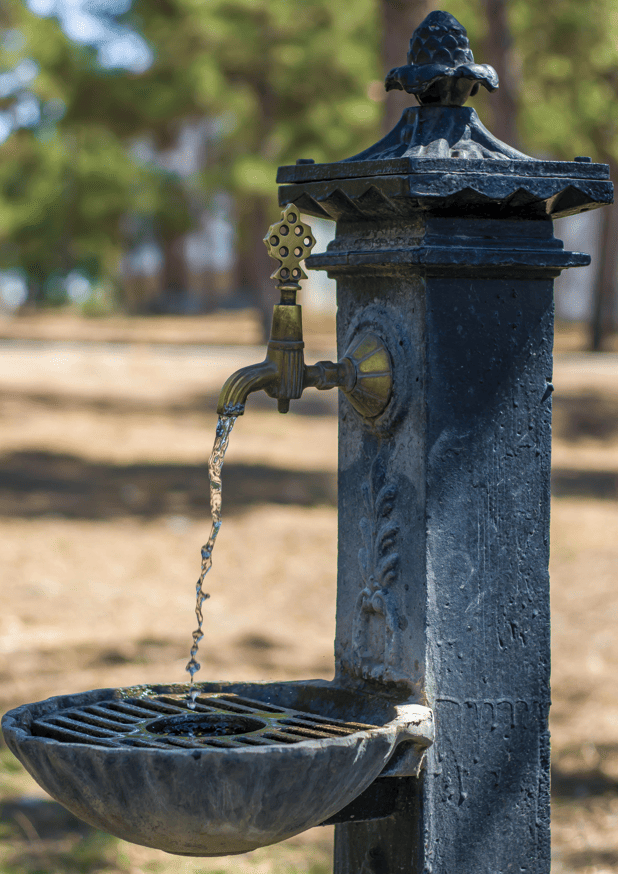
One of the most important things first-time visitors should know is this: don’t drink tap water in Bali. No matter where you’re staying—even in a luxury hotel or resort—it’s generally best to avoid it. While the water may be treated, contamination can sometimes happen in the distribution system, and many travelers end up with stomach issues because of it. The last thing you want is to spend your Bali vacation stuck in your hotel room feeling sick. Thankfully, avoiding this problem is pretty easy.
Here’s what you should do instead:
- Drink only sealed bottled water or water from a trusted filtration system.
- Use bottled or filtered water when taking medication.
- Be cautious not to swallow water while showering.
- If you’re unsure about a property’s filtration system, choose bottled water.
- Boiled water is generally safe for tea and coffee.
What About Ice?
A lot of first-time visitors worry about ice in their drinks, but in most cases, there’s no need to. Most restaurants, cafés, beach clubs, and hotels in Bali’s tourist areas use commercially produced purified ice, which is generally considered safe.
That said, it’s still a good idea to be a little cautious. Ice from small roadside stalls or places with questionable hygiene standards may not always come from a reliable source. If you’re unsure, don’t hesitate to ask whether the ice is made from purified water. As a general rule, if you’re eating or drinking at a reputable restaurant, café, or hotel, the ice is usually perfectly fine.
9. Expect Plenty of Beach Sellers in Tourist Areas
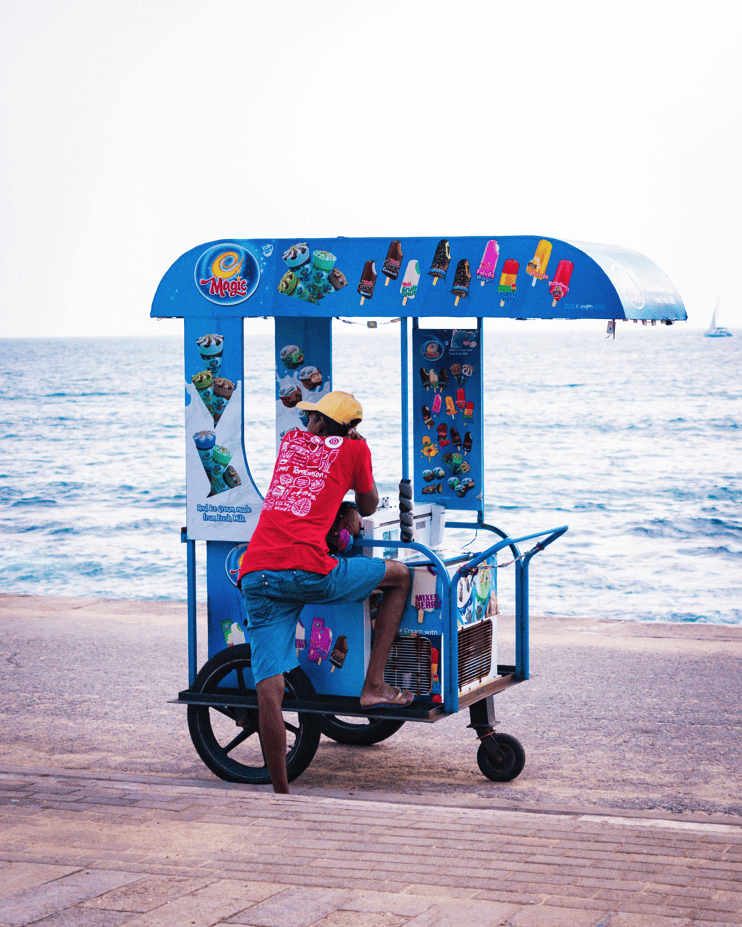
If you’re visiting popular beaches like Kuta, Seminyak, or Legian, don’t be surprised if you’re approached by beach hawkers throughout the day. You’ll find people selling everything from souvenirs and cold drinks to massages, surf lessons, and other services.
Most of them are friendly and simply trying to earn a living, but the constant offers can sometimes feel a little overwhelming, especially if it’s your first time in Bali. If you’re not interested, a simple smile and a polite “No, thank you” usually does the trick. There’s no need to be rude—just be friendly, firm, and keep walking if necessary. After a day or two, you’ll quickly get used to it and learn how to politely decline without any awkwardness.
10. Keep Your Belongings Away from Curious Monkeys

Bali’s monkeys may look cute and harmless, but they’re surprisingly clever when it comes to stealing things. This is especially true at popular attractions like the Monkey Forest in Ubud and Uluwatu Temple, where monkeys are known for snatching sunglasses, phones, hats, water bottles, and even small bags.
To avoid becoming an easy target, keep your valuables securely zipped inside your bag. If possible, it’s even safer to leave non-essential valuables locked in your car or scooter before entering monkey-populated areas. Also, avoid carrying loose items in your hands, as monkeys can grab them in seconds. It’s important not to tease, touch, or feed the monkeys, as this can encourage unwanted behavior.
If a monkey does manage to grab something, don’t panic and don’t try to wrestle it back. Instead, ask the local staff for help—they deal with these situations regularly and know the safest way to handle them.
11. Some Attractions Have Separate Entrance Charges
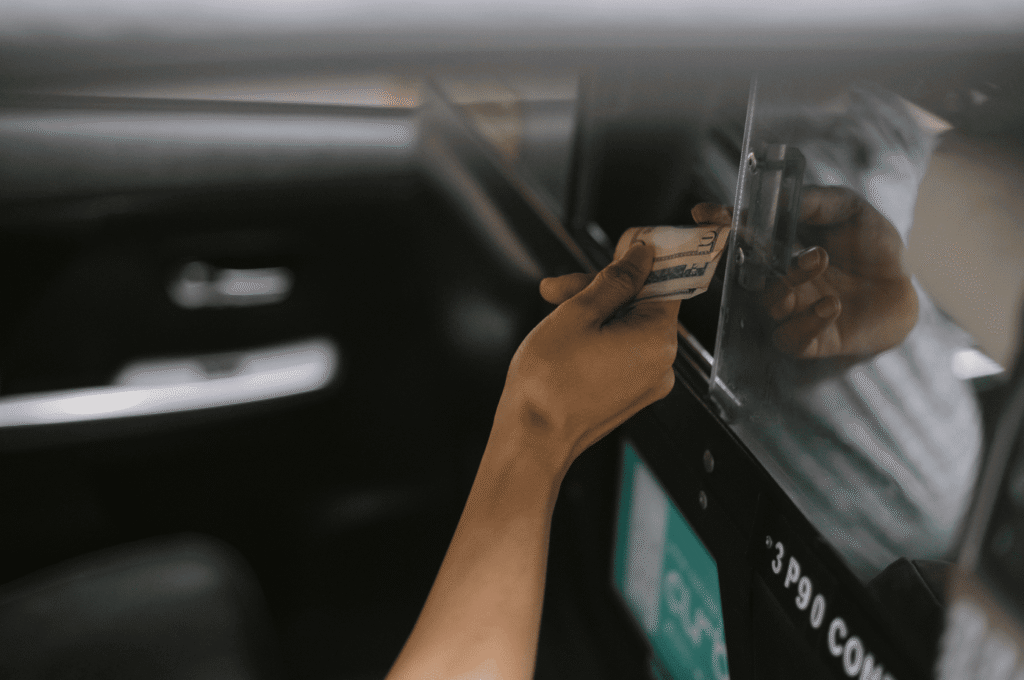
A. Many Attractions Have Entrance Fees
One thing that catches a lot of first-time visitors by surprise is that many of Bali’s most famous attractions aren’t free. People often assume that temples, rice terraces, waterfalls, and cultural sites are included in tour prices or don’t require an entrance fee, but that’s usually not the case.
Some popular examples include:
- Uluwatu Temple – around IDR 50,000 (about $3 USD)
- Tanah Lot – around IDR 75,000 (about $4.50 USD)
- Tirta Empul – around IDR 50,000–75,000 (about $3–4.50 USD)
- Sacred Monkey Forest Sanctuary – around IDR 80,000–100,000+ (about $5–6+ USD)
The good news is that most entrance fees are relatively affordable by international standards. However, they can add up quickly if you’re visiting multiple attractions every day. It’s a good idea to set aside a small sightseeing budget so you don’t get caught off guard.
Also, keep in mind that prices can change over time, and some attractions may charge additional fees for parking, shuttle services, guided tours, or special activities.
B. Watch Out for Extra Fees Inside Attractions
Even after paying the entrance fee, some attractions in Bali may charge extra for certain services and activities. These additional costs can catch visitors by surprise if they’re not expecting them.
Common extra fees include:
- Lockers
- Sarong rentals
- Shuttle buses
- Photography spots
- Swings and other activities
For example, visitors to Lempuyang Temple (the famous “Gates of Heaven“) often need to pay separately for the shuttle bus that takes them from the parking area to the temple entrance.
These extra charges usually aren’t very expensive, but they can add up throughout the day. It’s always a good idea to carry a little extra cash and check what’s included before purchasing your ticket.
C. National Park and Conservation Area Fees
If you’re planning to visit Bali’s national parks or protected marine areas, keep in mind that there may be additional entrance or conservation fees on top of your tour costs. For example, places like West Bali National Park and certain marine conservation areas often charge separate fees that help fund environmental protection, wildlife conservation, and park maintenance.
Many travelers assume these costs are included in their tour package, but that’s not always the case. Before booking a tour, it’s worth checking what’s included and whether any extra entrance, conservation, or activity fees need to be paid separately. These fees are usually reasonable, but they’re another expense that’s easy to overlook when budgeting for your trip.
12. Safety Tips for Tourists

A. Beware of bali belly
“Bali Belly” is a common term used to describe the stomach sickness that some travelers experience while visiting Bali. While it’s usually not serious, it can quickly ruin a trip. To reduce your risk, stick to bottled or filtered water, eat at clean and reputable restaurants, and wash your hands regularly, especially before meals. Taking these simple precautions can help you stay healthy and enjoy your time on the island.
B. Avoid dangerous ocean conditions
Some of Bali’s beaches have strong waves and powerful currents, especially during certain times of the year. Before entering the water, pay attention to warning signs, swim only in designated safe areas, and avoid swimming during rough weather conditions. A little caution can go a long way in helping you stay safe while enjoying Bali’s beautiful coastline.
C. Watch out for phone and bag theft
While Bali is generally safe, occasional thefts do happen, particularly in busy tourist areas. One common tactic involves thieves on motorcycles snatching phones held close to the roadside or grabbing loose handbags from unsuspecting pedestrians. To stay safe, keep your phone and valuables secure, avoid displaying expensive items in public, and carry bags close to your body. Being a little extra mindful in crowded areas can go a long way in preventing unwanted incidents.
D. Be aware of tourist scams
Tourist scams can occur in Bali, but they are usually minor and easy to avoid. Some visitors encounter inflated taxi fares, misleading currency exchange practices, or overpriced services aimed at tourists. To reduce the risk, use trusted ride-hailing apps instead of unmetered taxis, exchange money only at reputable currency exchange counters, and check prices before booking tours or services. A little research and caution can help you avoid unnecessary expenses and enjoy a smoother trip.
E. Be extra careful at night
Is Bali Safe at Night? Yes, Bali is generally safe at night, especially in popular tourist areas where restaurants, shops, and entertainment venues stay busy well into the evening. Many visitors enjoy walking through lively streets, dining at restaurants and beach clubs, exploring night markets, attending cultural events, or taking evening strolls along well-populated beaches without any issues.
That said, it’s still important to use common sense and stay aware of your surroundings. Be extra cautious when walking alone on dark or quiet roads, riding a scooter late at night, or visiting bars and clubs. Avoid leaving your drinks unattended, and try not to carry large amounts of cash or valuables. Taking these simple precautions can help ensure a safe and enjoyable night out in Bali.
13. Where to Stay in Bali
Different areas of Bali offer completely different experiences.
A. Ubud – Best for Nature and Culture
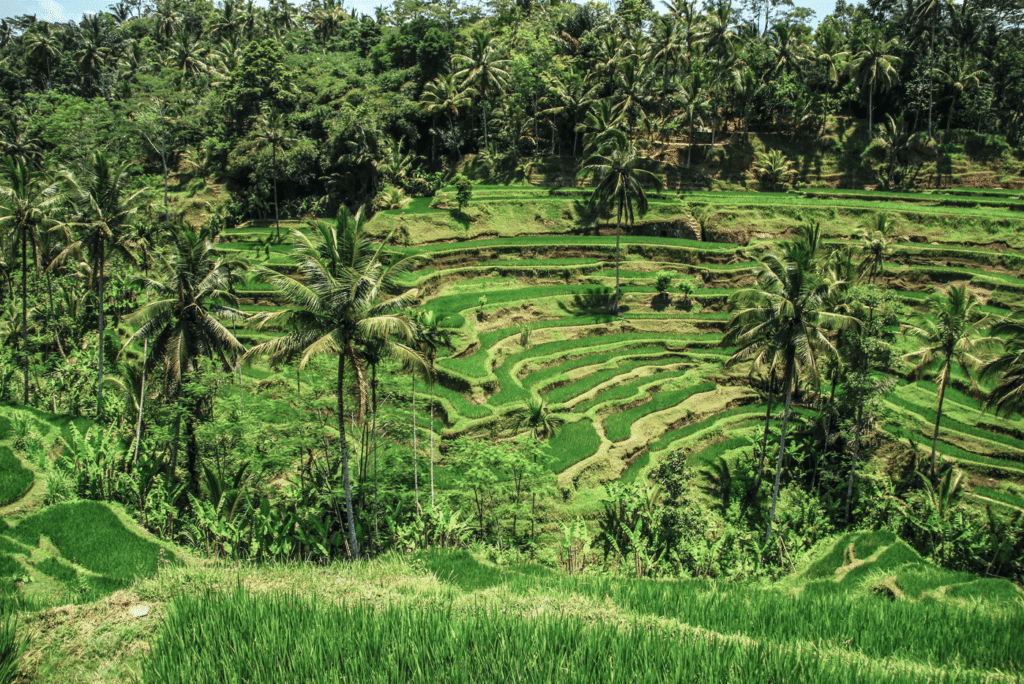
Nestled among lush forests and rolling hills, Ubud is often considered the cultural and spiritual heart of Bali. It’s best known for its stunning rice terraces, peaceful yoga retreats, beautiful waterfalls, ancient temples, and relaxed atmosphere that attracts travelers seeking a deeper connection with nature and Balinese culture. Whether you’re exploring local art markets, joining a wellness retreat, or simply enjoying the scenic landscapes, Ubud offers a unique side of Bali that feels worlds away from the busy beach towns.
Ubud is especially popular with couples looking for a romantic escape, wellness travelers seeking relaxation and self-care, and nature lovers who want to experience Bali’s greener, more tranquil side.
B. Canggu – Best for Cafés and Digital Nomads

Canggu is one of Bali’s most popular and fast-growing destinations, known for its laid-back vibe, modern cafés, and vibrant social scene. This coastal town has become a hotspot for beach lovers, surfers, and remote workers thanks to its stylish beach clubs, excellent surf breaks, coworking-friendly cafés, and lively nightlife. Whether you’re catching waves during the day or enjoying sunset drinks by the ocean, Canggu offers a perfect mix of relaxation and energy.
Canggu is especially well-suited for young travelers, solo adventurers, and digital nomads looking for a social atmosphere, reliable workspaces, and plenty of opportunities to meet people from around the world.
C. Seminyak – Best for Luxury and Shopping

Seminyak is one of Bali’s most sophisticated beach destinations, offering a more upscale and refined experience than many other parts of the island. Known for its luxury resorts, world-class restaurants, boutique shopping, and stylish beach clubs, Seminyak attracts travelers looking to enjoy Bali in comfort and style. From relaxing spa days to sunset dining by the ocean, the area provides plenty of opportunities to indulge and unwind.
Seminyak is particularly popular with couples seeking a romantic getaway and luxury travelers who appreciate high-end accommodations, fine dining, and a vibrant yet elegant atmosphere.
D. Kuta – Best for Budget Travelers and Nightlife

Kuta is one of Bali’s most well-known tourist destinations and has long been a favorite among budget-conscious travelers. It’s famous for its affordable accommodations, lively nightlife, and beginner-friendly surf beaches, making it a popular choice for first-time visitors and backpackers. The area is packed with restaurants, bars, shops, and entertainment options, ensuring there’s always something happening.
However, Kuta’s popularity also means it can feel crowded and heavily tourist-oriented, especially during peak travel seasons. If you enjoy a lively atmosphere and easy access to amenities, Kuta can be a great base, but travelers seeking a quieter or more authentic Bali experience may prefer other areas of the island.
E. Uluwatu – Best for Beaches and Cliff Views

Perched on Bali’s southern coastline, Uluwatu is renowned for its dramatic ocean cliffs, breathtaking sunsets, luxurious resorts, and world-class surf spots. The area offers some of the island’s most spectacular coastal views, making it a favorite destination for travelers seeking both natural beauty and a more peaceful atmosphere. Visitors can spend their days relaxing on hidden beaches, watching surfers tackle powerful waves, or enjoying unforgettable sunset views from clifftop viewpoints and restaurants.
Uluwatu is especially popular with honeymooners and travelers looking for a relaxed, upscale getaway. Its combination of stunning scenery, tranquil surroundings, and luxury accommodations makes it an ideal choice for a romantic escape or a laid-back Bali vacation.
14. Foods to try in Bali
Bali’s food scene is incredible.
A. Nasi Goreng

Indonesia’s famous fried rice dish, usually served with a fried egg, vegetables, and your choice of chicken, seafood, or beef. It’s affordable, flavorful, and available almost everywhere in Bali.
B. Mie Goreng

A popular comfort food made with stir-fried noodles, vegetables, eggs, and meat or seafood. It’s perfect for a quick and satisfying meal.
C. Babi Guling

One of Bali’s most iconic dishes. The pork is slow-roasted with traditional spices until the skin becomes crispy and flavorful. It’s a must-try for non-vegetarians.
D. Nasi Campur
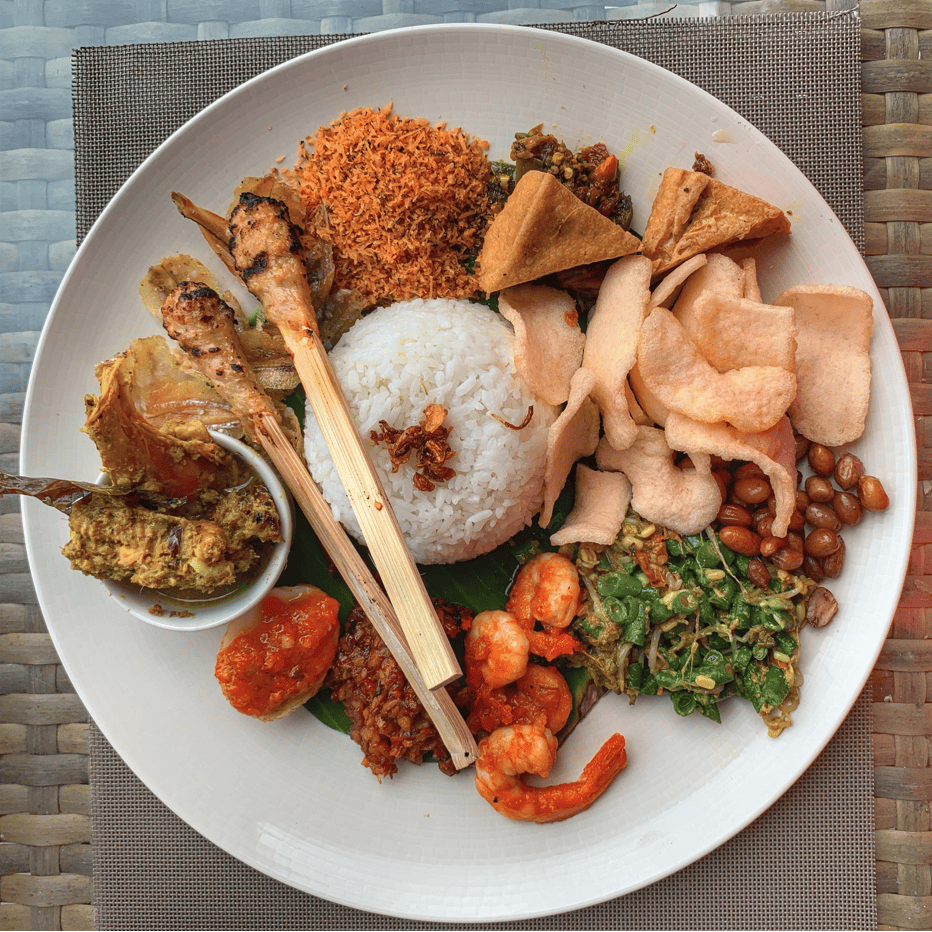
A plate of rice served with a variety of small side dishes such as vegetables, meat, eggs, peanuts, and sambal. Every restaurant has its own version.
Final Thoughts on Visiting Bali
Bali is so much more than just a tropical getaway. It’s a place where stunning beaches, rich culture, spiritual traditions, exciting adventures, and beautiful landscapes all come together to create an unforgettable experience. A little preparation can make a huge difference. Knowing about local customs, transportation, costs, weather, and a few safety tips will help you avoid common tourist mistakes and enjoy your trip with less stress.
Whether you’re coming for the surfing, the food, the culture, the nature, or simply to relax, Bali has something that will make your trip memorable. If it’s your first time visiting, don’t rush. Take it all in, keep an open mind, respect the local way of life, and enjoy Bali at its own pace. Many travelers arrive planning just one trip and leave already thinking about their next one.